
Teaching Myth Online: Engaging Students in Virtual Worlds

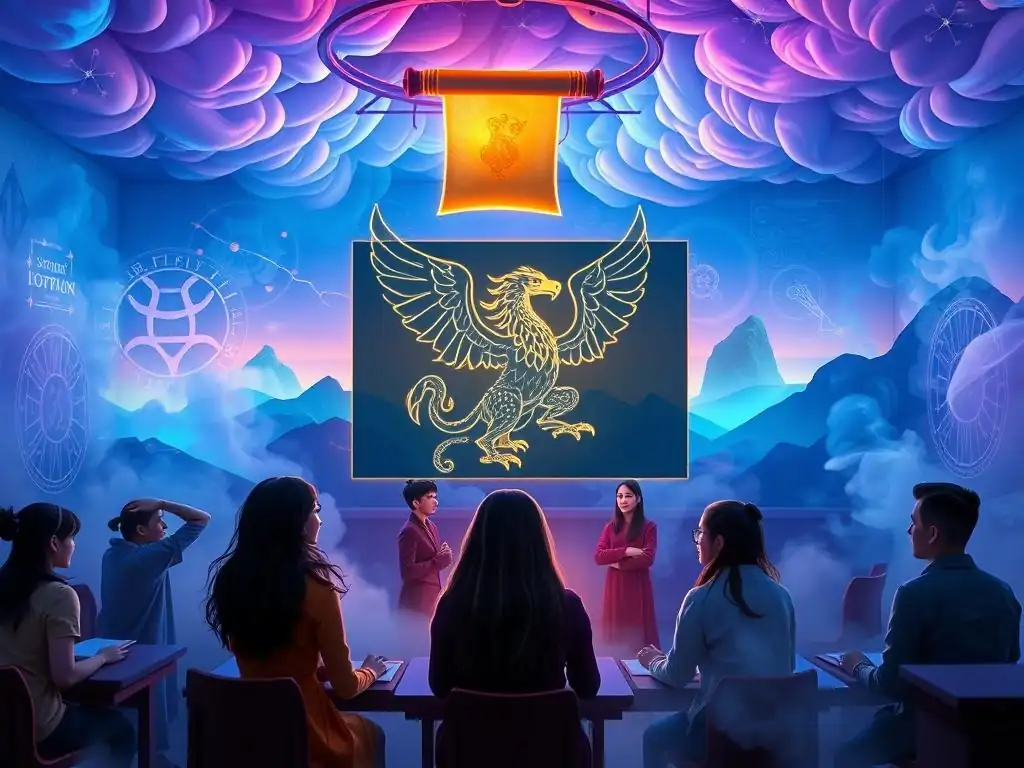
Welcome to Mythology and Legends, your portal to the world's most captivating stories!
Ever wondered how to bring ancient tales to life in a modern classroom? Dive into "Teaching Myth Online: Engaging Students in Virtual Worlds," where we explore innovative strategies for myth education virtual classroom engagement. Discover how to spark curiosity and foster a deeper understanding of mythology's enduring influence in our latest article, and unlock the secrets to making learning about myths an unforgettable experience. What if virtual worlds could hold the key to unlocking a new generation's appreciation for these timeless narratives? Read on to find out!
- Teaching Mythology Online: Engaging Students in Virtual Environments
- Introduction: Adapting Myth Education for the Digital Era
- Why Teach Mythology Online? Advantages and Possibilities
- Designing Engaging Online Mythology Courses: Core Strategies
- Virtual Worlds as Mythological Spaces: Exploring Immersive Learning
- Activities and Assignments for Online Mythology Education
- Overcoming Obstacles in Online Mythology Education
- Tools and Platforms for Effective Online Mythology Teaching
- Assessing Student Learning in Online Mythology Courses
- The Future of Mythology Education: Blended Learning and Emerging Technologies
- Conclusion: Empowering Students Through Engaging Online Mythology Education
-
Frequently Asked Questions
- How can I effectively use virtual classrooms to teach mythology?
- What are some strategies for increasing student engagement in online myth education?
- What types of technology are best suited for creating an engaging myth education virtual classroom?
- How can I assess student learning effectively in a virtual myth education setting?
- How can I adapt traditional myth education teaching methods for a virtual environment?
- Final Reflection: Weaving Myths into the Digital Tapestry
- Unlock the Power of Myth: Bring Ancient Stories to Life!
Teaching Mythology Online: Engaging Students in Virtual Environments
Introduction: Adapting Myth Education for the Digital Era
The Growth of Online Learning and its Influence on Mythology Studies
Online learning has experienced a significant surge in popularity over the past two decades, transforming the landscape of higher education and lifelong learning. This shift has opened up new avenues for subjects traditionally taught in physical classrooms, including the rich field of mythology. Globally, enrollment in online courses has risen dramatically, with some estimates suggesting that millions of students now participate in distance learning annually across various disciplines.
This growth is driven by factors like increased accessibility, flexibility, and the development of sophisticated learning management systems (LMS). For mythology studies, this means reaching a wider, potentially global audience interested in ancient narratives, comparative folklore, and their modern relevance.
The expansion of online platforms directly impacts how mythology is studied and taught. It allows universities and institutions to offer specialized courses that might not attract sufficient enrollment on a single physical campus. A virtual classroom setting provides a space where students from diverse geographical backgrounds can converge to discuss myths from different cultures, fostering a truly international learning environment.
The need for effective mythology education virtual classroom engagement becomes paramount as instructors seek to replicate or even surpass the interactive and analytical depth of face-to-face seminars. This digital shift also necessitates exploring new pedagogical approaches tailored to the online format.
The Challenge: Sustaining Student Interest in Online Mythology Courses
While online learning offers numerous advantages, maintaining high levels of student interest and participation in subjects like mythology presents unique challenges. The absence of direct, in-person interaction can sometimes lead to feelings of isolation among students, potentially reducing their engagement with course materials and peers. Unlike subjects with clear vocational outcomes, mythology often requires intrinsic motivation and a deep appreciation for cultural narratives, which can be harder to cultivate solely through asynchronous text-based interactions. Instructors must actively design strategies that foster a sense of community and intellectual curiosity in the virtual space.
Furthermore, the digital format requires students to be self-disciplined and proactive in their learning. Distractions in their home environment and the lack of immediate peer pressure or instructor presence can make it difficult for some students to stay on track with readings and assignments. Effective mythology education virtual classroom engagement thus relies heavily on creative instructional design that breaks down complex topics, encourages active participation, and provides timely, constructive feedback. Simply porting traditional lecture-based content online is often insufficient; successful online mythology courses require dynamic content and interactive activities that keep students connected and invested in exploring ancient myths.
Focus Keyword: Mythology Education Virtual Classroom Engagement
Why Teach Mythology Online? Advantages and Possibilities
Accessibility and Global Impact of Online Mythology Courses
One of the most significant advantages of teaching mythology online is its unparalleled accessibility. Geographic location is no longer a barrier for students who wish to delve into the myths of ancient Greece, Egypt, India, or indigenous cultures worldwide. Individuals who might be unable to attend traditional on-campus classes due to work commitments, family responsibilities, physical disabilities, or living in remote areas can now access high-quality mythology education. This dramatically expands the potential student pool and democratizes access to specialized knowledge.
The global reach of online platforms also facilitates a richer, more diverse learning experience. Students from different continents can share their perspectives on universal mythological themes, offering insights shaped by their own cultural backgrounds. Imagine a discussion forum where a student from Japan discusses the influence of Shinto myths, while a student from Brazil shares insights into Amazonian folklore, and another from Italy analyzes Roman mythology – all within the same virtual classroom.
This cross-cultural exchange is harder to achieve in a geographically limited physical classroom and significantly enhances the understanding and appreciation of global mythologies. This global perspective is a key component of effective mythology education virtual classroom engagement.
Innovative Teaching Methods for Mythology in Digital Spaces
The virtual environment encourages instructors to move beyond traditional lecture formats and experiment with innovative teaching methods. Digital tools enable the integration of a wide array of resources directly into the learning experience. Instead of just reading about ancient artifacts related to myth, students can take virtual tours of museum collections like the British Museum or the Metropolitan Museum of Art, viewing high-resolution images and 3D models of objects depicting mythological scenes.
Interactive elements such as digital timelines mapping the evolution of myths, collaborative online whiteboards for brainstorming mythological concepts, and polls to gauge student understanding during live sessions can make learning more dynamic. Instructors can also leverage online platforms to create short, engaging video lectures focusing on specific myths or theoretical approaches, allowing students to learn at their own pace and revisit complex topics. These methods are crucial for enhancing mythology education virtual classroom engagement and keeping students actively involved.
Promoting Cross-Cultural Awareness Through Digital Storytelling
Mythology is inherently about storytelling, and digital platforms offer powerful new ways for students to engage with and create narratives. Online tools facilitate collaborative digital storytelling projects where students can work together remotely to adapt a myth into a short film script, create a digital comic strip, or produce a podcast episode. This process not only deepens their understanding of the source material but also develops their digital literacy and collaborative skills.
Furthermore, analyzing myths from diverse cultures online allows students to draw parallels and understand universal human experiences and values reflected in these stories. Discussions can explore how flood myths appear in Babylonian, Greek, and Native American traditions, highlighting both unique cultural specificities and shared narrative patterns. Platforms like discussion forums or dedicated digital storytelling tools become spaces for students to share their interpretations and learn from their peers' perspectives, fostering cross-cultural awareness and empathy. This active engagement with diverse narratives is central to effective mythology education virtual classroom engagement.
Designing Engaging Online Mythology Courses: Core Strategies
Developing Interactive Learning Modules for Mythological Themes
Creating engaging online mythology courses requires breaking down complex topics into digestible, interactive learning modules. Instead of lengthy text documents, modules can incorporate short video segments, interactive quizzes, embedded primary source texts with annotation features, and links to relevant external resources like scholarly articles or documentary clips. For example, a module on the myth of Persephone might include a narrated animation explaining the story, a short quiz on key characters and symbols, and a link to an academic paper analyzing the myth's connection to agricultural cycles.
These modules should encourage active participation rather than passive consumption of information. Integrating 'check your understanding' questions throughout the module, requiring students to summarize key points in a text box, or embedding short reflective prompts can help reinforce learning and keep students focused. Data from online learning platforms often shows that modules with embedded interactive elements have significantly higher completion rates and better knowledge retention compared to purely text-based content. Designing such modules is fundamental to successful mythology education virtual classroom engagement.
Using Multimedia Resources: Videos, Podcasts, and Virtual Museums
Multimedia resources are invaluable tools in online mythology education. Videos can bring ancient narratives to life through animation, dramatic readings, or expert interviews. A short video explaining the Egyptian concept of Ma'at or showcasing archaeological sites related to Greek myths can make abstract ideas more concrete and visually appealing. Podcasts offer flexibility, allowing students to listen to lectures, interviews with mythologists, or dramatic retellings of myths while commuting or exercising.
Virtual museum tours, as mentioned before, provide access to artifacts that illustrate mythological scenes or beliefs. Platforms offer high-resolution images, detailed descriptions, and sometimes even 3D models of objects like Greek vases depicting the labors of Heracles or ancient Egyptian papyri illustrating the journey of the soul. Integrating these resources effectively involves providing clear guidance on what students should look for and how these resources connect to the course material, ensuring they are used purposefully to enhance mythology education virtual classroom engagement.
Integrating Gamification to Boost Student Motivation in Mythology Education
Gamification, the application of game-like elements in non-game contexts, can significantly boost student motivation and engagement in online mythology courses. This can range from simple elements like awarding badges for completing modules or participating actively in discussions to more complex systems involving points, leaderboards, and unlockable content. For instance, students could earn points for correctly answering quiz questions, contributing insightful posts to a forum, or completing optional 'challenge' activities related to a myth.
More advanced gamification might involve structuring the course content as a quest or journey through different mythological worlds, with students 'leveling up' as they master concepts and complete assignments. Some platforms allow instructors to create branching narratives where student choices impact the outcome, perhaps simulating decisions faced by mythological heroes.
Implementing gamification strategies requires careful planning to ensure that the focus remains on learning outcomes rather than just accumulating points, but studies show it can lead to increased participation rates, sometimes by as much as 50% in online courses. This playful approach can be a powerful driver for mythology education virtual classroom engagement.
Virtual Worlds as Mythological Spaces: Exploring Immersive Learning
Role-Playing and Simulations: Experiencing Myths Directly
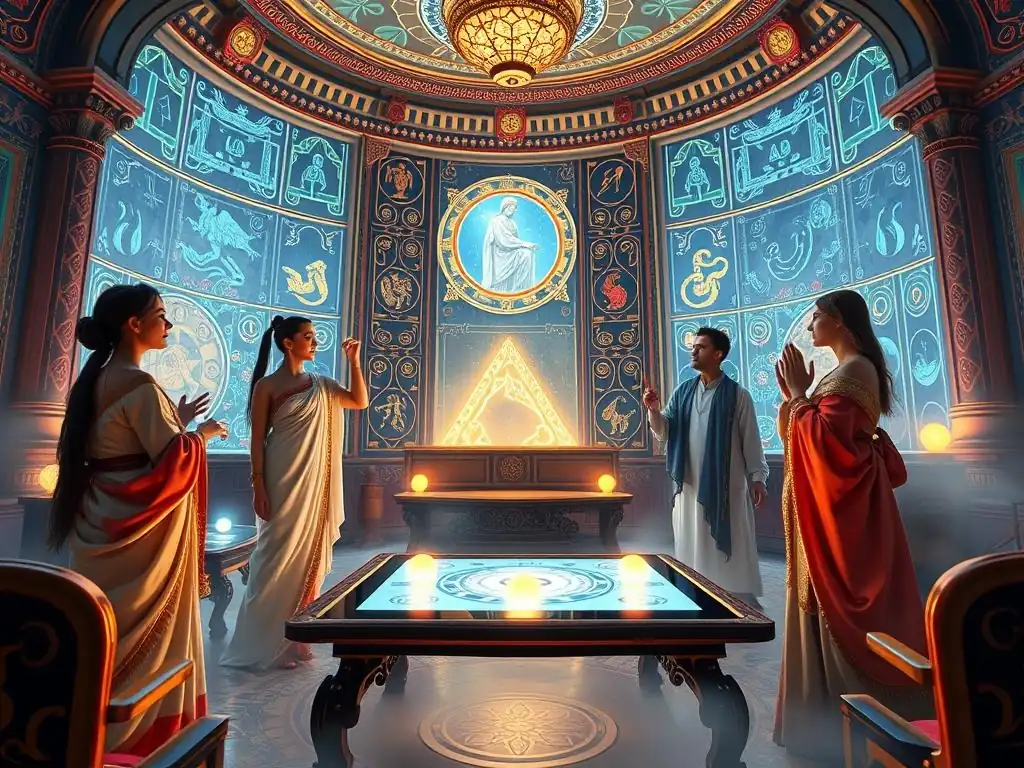
Virtual worlds and simulation platforms offer unique opportunities for immersive mythology education virtual classroom engagement. Role-playing exercises within these environments allow students to step into the shoes of mythological characters or people living in ancient societies. Students could collectively create a scenario based on the Trojan War, with different students representing key figures like Achilles, Hector, or even an Olympian god, and then role-play diplomatic negotiations, battles, or divine interventions based on their understanding of the myths.
Simulations can also recreate mythological landscapes or events. Imagine a simulation where students navigate the underworld following the path of Odysseus or Aeneas, encountering creatures and challenges described in the texts. These experiences move beyond abstract reading to embodied learning, helping students grasp the spatial relationships, cultural beliefs, and emotional weight of the narratives. While resource-intensive to develop, even simpler text-based or image-supported simulations can provide a more dynamic way to interact with mythological concepts.
Constructing Virtual Mythological Settings: Encouraging Creativity and Imagination
Platforms like Minecraft Education Edition, Second Life, or specialized virtual reality environments allow students to actively construct virtual representations of mythological settings. Students could collaborate to build Mount Olympus, complete with temples and dwellings for the gods, or recreate the labyrinth of the Minotaur, or even design a mythical creature's habitat based on textual descriptions. This hands-on creative process requires students to deeply analyze the source material to accurately represent the details described in myths.
The act of building in a virtual space encourages imagination and provides a tangible outcome for their learning. Students must not only understand the physical descriptions but also the symbolic meanings and cultural context of these settings to make informed design choices. Presenting their finished virtual worlds to the class (via screen sharing or shared access) also provides an opportunity for peer feedback and discussion, further reinforcing their understanding. This creative construction is a powerful form of mythology education virtual classroom engagement.
Case Study: A Successful Virtual World Mythology Project
One notable example of a successful virtual world mythology project involved university students using a platform like Second Life to recreate aspects of ancient Roman life and mythology. Students were divided into groups, each tasked with building and researching a specific area, such as the forum, a temple to Jupiter, or the Underworld. They had to research architectural styles, religious practices, and key myths associated with their chosen area.
The project culminated in a virtual "open house" where students guided their peers and the instructor through their creations, explaining the mythological significance and historical context of each element. Assessment included the accuracy of their builds, their research documentation, and their ability to articulate the connection between the virtual environment and the mythological narratives.
The project resulted in high student engagement, with over 95% of enrolled students actively participating in the building and presentation phases, and feedback indicated that students felt this project significantly deepened their understanding of Roman mythology compared to traditional assignments. The project demonstrated exemplary mythology education virtual classroom engagement through immersive, collaborative work.
Activities and Assignments for Online Mythology Education
Online Discussions and Debates on Mythological Concepts
Online discussion forums are a cornerstone of virtual classroom engagement in mythology education. They provide a space for students to share their interpretations of myths, ask questions, and engage in debates about mythological concepts, themes, and their relevance. Instructors can pose open-ended questions about the symbolic meaning of a specific character, compare different cultural interpretations of a universal archetype, or debate the ethical implications of actions taken by gods or heroes.
Effective online discussions require clear guidelines on participation expectations (e.g., post frequency, response quality) and active moderation from the instructor to guide the conversation and ensure it remains respectful and focused. Assigning students specific roles in a debate (e.g., arguing for the heroic nature of Gilgamesh vs. his tyrannical aspects) can also stimulate deeper engagement. Data from online courses often shows that well-structured discussion forums can generate hundreds of posts per week in a class of 20-30 students, demonstrating significant peer-to-peer learning and mythology education virtual classroom engagement.
Collaborative Projects: Developing Digital Mythologies
Collaborative projects leverage the online environment to foster teamwork and creative application of mythological knowledge. Students working in remote groups can undertake projects like creating a digital encyclopedia of mythological creatures, developing a podcast series analyzing different myth cycles, or even writing their own original myths inspired by traditional structures and themes. Tools like shared documents (Google Docs), project management software (Trello), and communication platforms (Slack, Discord) facilitate this remote collaboration.
These projects encourage students to synthesize information, communicate effectively with peers, and apply their understanding in a creative context. For example, a group project might involve researching trickster figures from different cultures (e.g., Loki, Anansi, Coyote) and creating a comparative digital presentation or website. Successful collaborative projects often result in high-quality student work that goes beyond individual assignments, demonstrating a deeper level of mythology education virtual classroom engagement and learning.
Analyzing Contemporary Interpretations of Myths in Media
Mythological themes and characters are constantly being reinterpreted in contemporary media, including film, television, literature, and video games. Assignments that require students to analyze these modern adaptations provide a bridge between ancient narratives and the students' own cultural landscape, making the subject matter feel more relevant and engaging. Students could write essays comparing Disney's Hercules to the original Greek myths, analyze the use of Norse mythology in a popular video game, or discuss archetypal patterns in a contemporary fantasy novel.
These assignments encourage critical thinking about how myths evolve, how they are used to convey modern messages, and what their enduring appeal reveals about human nature. Students can share their analyses in discussion forums or present them during live video sessions, leading to lively discussions about the presence of myth in everyday life. This analysis of contemporary media serves as a powerful tool for fostering mythology education virtual classroom engagement by connecting academic study to popular culture.
Overcoming Obstacles in Online Mythology Education
Addressing Technical Issues and Digital Literacy Skills
One significant obstacle in online education is ensuring all students have the necessary technical access and digital literacy skills. Reliable internet access is essential, as is familiarity with the learning management system, video conferencing tools, and any specialized software used in the course. Students from disadvantaged backgrounds or those new to online learning may struggle with these technical requirements, potentially hindering their participation and learning.
Instructors and institutions must proactively address these issues. This can involve providing clear technical support resources, offering introductory tutorials on required software, and designing assignments that can accommodate varying levels of technical expertise where possible. Offering alternative formats for materials (e.g., downloadable transcripts of videos) and building in flexibility for submission deadlines can also help mitigate the impact of technical difficulties. Ensuring equitable access is fundamental to effective mythology education virtual classroom engagement.
Cultivating a Sense of Community in Online Learning Environments
The potential for isolation is a major challenge in online learning. Without the informal interactions of a physical classroom, instructors must intentionally cultivate a sense of community among students. This can be achieved through various strategies, such as encouraging students to introduce themselves at the beginning of the course (perhaps with a short video or creative post), using icebreaker activities, and facilitating informal discussion spaces alongside academic forums.
Regular, engaging live sessions via video conferencing can also help students connect with each other and the instructor. Breakout rooms can be used for small-group discussions, mimicking the dynamics of a physical classroom. Providing opportunities for peer feedback on assignments and encouraging collaborative projects further strengthens peer relationships. Building a strong online community fosters a supportive learning environment that enhances mythology education virtual classroom engagement and encourages participation.
Maintaining Academic Standards and Analytical Skills
Translating the rigorous academic standards of mythology studies to an online format requires careful consideration. How do instructors ensure students develop strong analytical skills when discussions are primarily text-based? How can they prevent plagiarism when resources are readily available online? Maintaining the depth of analysis expected in university-level mythology courses is crucial.
Strategies include designing assignments that require critical thinking and synthesis rather than mere summarization, such as comparative essays, research projects analyzing primary source texts, or case studies of mythological influence. Utilizing online tools for plagiarism detection is necessary. Furthermore, structuring online discussions to move beyond surface-level responses and requiring students to support their claims with evidence from course materials helps develop analytical rigor. Providing detailed, constructive feedback on assignments is even more critical in an online setting to guide student learning and ensure academic standards are met, thus upholding the quality of mythology education virtual classroom engagement.
Tools and Platforms for Effective Online Mythology Teaching

Learning Management Systems (LMS) for Mythology Courses
Learning Management Systems (LMS) such as Moodle, Canvas, Blackboard, or Google Classroom form the backbone of most online courses. These platforms provide a centralized hub for course materials, assignments, grades, and communication tools. For mythology courses, an LMS allows instructors to organize content logically, module by module, upload readings, embed multimedia, create quizzes and exams, and manage discussion forums.
The choice of LMS can impact the potential for mythology education virtual classroom engagement. Platforms with robust built-in features for creating interactive content (like H5P), managing group projects, tracking student progress, and facilitating communication through announcements and messaging can significantly enhance the online learning experience. Instructors should explore the specific capabilities of their institution's LMS to maximize its potential for teaching mythology.
Video Conferencing Tools for Engaging Live Sessions
Video conferencing tools like Zoom, Microsoft Teams, or Google Meet are essential for synchronous components of online mythology courses, such as live lectures, seminars, guest speaker sessions, and virtual office hours. These tools allow for real-time interaction, enabling instructors to deliver dynamic presentations, facilitate live Q&A sessions, and conduct small-group discussions using breakout rooms.
Engaging live sessions are vital for building community and providing opportunities for immediate clarification and discussion. Instructors can share their screen to display slides, analyze texts together, or watch relevant short video clips. While not always mandatory, including optional or required live sessions significantly boosts mythology education virtual classroom engagement by providing direct human connection and opportunities for spontaneous interaction that asynchronous tools cannot fully replicate.
Digital Storytelling Platforms for Creative Mythological Expression
Digital storytelling platforms and tools empower students to engage with myths creatively. These can range from simple presentation software (PowerPoint, Google Slides) used to create visual narratives, to more specialized tools for creating podcasts (Audacity, GarageBand), digital comics (Pixton, Comic Life), short animations (PowToon, Animaker), or interactive narratives (Twine).
Assigning projects that utilize these platforms allows students to move beyond traditional essays and demonstrate their understanding of myths through creative application. For example, students could create a podcast analyzing the role of prophecy in Greek tragedy, design a digital comic strip retelling a lesser-known myth from Oceania, or build an interactive story exploring the choices faced by a mythological hero. These tools encourage creativity, develop digital skills, and provide novel avenues for mythology education virtual classroom engagement.
Assessing Student Learning in Online Mythology Courses
Adapting Traditional Assessment Techniques for Virtual Settings
Traditional assessment methods used in mythology courses, such as essays, research papers, and exams, can be adapted for the virtual environment. Essays and research papers can be submitted electronically through the LMS, often integrated with plagiarism detection software. Instructors can provide feedback directly on the digital documents or using grading tools within the LMS.
Exams can be administered online using various formats, including multiple-choice, short answer, and essay questions. Secure exam platforms can offer features like proctoring (though this raises privacy concerns and technical hurdles) or question randomization to maintain academic integrity. For mythology, take-home exams requiring analysis of specific texts or concepts are often well-suited to the online format, allowing students to demonstrate deeper understanding over simple recall. Adapting these methods ensures that assessment continues to measure critical thinking and knowledge acquisition in the online setting, reinforcing the goals of mythology education virtual classroom engagement.
Utilizing Online Assessments to Evaluate Knowledge of Myths
Online platforms offer diverse ways to assess student knowledge of mythological narratives, characters, and concepts. Automated quizzes and tests within the LMS can efficiently test recall of facts, names, and plot points. These can be designed with question banks to randomize questions for different students, enhancing security.
Beyond simple recall, online assessments can include matching exercises for deities and their domains, sequencing events in a myth, or categorizing mythological figures by culture or archetype. Short answer questions or discussion forum prompts can require students to explain the significance of a symbol or compare elements across myths, assessing deeper understanding. Utilizing a mix of automated and manually graded online assessments provides a comprehensive picture of student learning outcomes related to mythology.
Project-Based Assessments: Demonstrating Understanding Through Creative Work
Project-based assessments are particularly effective in online mythology courses as they allow students to demonstrate their understanding through creative and applied work, often fostering high levels of mythology education virtual classroom engagement. These projects can range from creating a digital presentation comparing creation myths, developing a website exploring the influence of a specific myth on art, to building a virtual world segment representing a mythological setting (as discussed previously).
Such projects require students to synthesize information from various sources, apply theoretical concepts, and utilize digital tools, reflecting a holistic understanding of the subject matter. Evaluation criteria can focus on the accuracy of mythological content, the quality of analysis, creativity, technical execution, and collaboration (for group projects). Project-based assessments provide students with agency and allow them to explore areas of particular interest within mythology, making the learning and assessment process more engaging.
The Future of Mythology Education: Blended Learning and Emerging Technologies
Integrating Online and In-Person Learning in Mythology Studies
The future of mythology education likely lies in blended or hybrid learning models, which combine the flexibility and accessibility of online learning with the benefits of face-to-face interaction. A blended course might use online modules for delivering core content (lectures, readings, quizzes) and reserve in-person class time for seminar-style discussions, guest lectures, group work, or visits to museums or archaeological sites.
This approach leverages the strengths of both modalities. Online components can cater to diverse student schedules and learning paces, while in-person sessions provide opportunities for spontaneous discussion, deeper community building, and hands-on engagement with materials or experts. Implementing effective blended learning requires careful coordination to ensure the online and in-person components are seamlessly integrated and mutually reinforce learning objectives, maximizing mythology education virtual classroom engagement across different environments.
Exploring Augmented Reality (AR) and Virtual Reality (VR) in Mythology Education
Emerging technologies like Augmented Reality (AR) and Virtual Reality (VR) hold exciting potential for the future of mythology education. VR could allow students to virtually walk through a meticulously recreated model of ancient Athens, visiting the Acropolis and imagining the myths associated with its temples. They could experience the journey of the soul through the Egyptian underworld in an immersive VR simulation or witness scenes from the Mahabharata unfold around them.
AR could overlay mythological information onto the real world – for example, using a phone camera to view a statue and seeing information pop up about the deity it represents or scanning a landscape to see how it relates to local folklore. While still relatively expensive and requiring specialized equipment, as these technologies become more accessible, they could offer unprecedented levels of immersive mythology education virtual classroom engagement, allowing students to experience myths in deeply sensory ways.
Preparing Students for a World Shaped by Mythological Themes and Digital Proficiency
Ultimately, effective online mythology education prepares students not only with knowledge of ancient narratives but also with the digital proficiency increasingly required in the 21st century. By engaging with myths through digital platforms, multimedia creation, and virtual collaboration, students develop critical skills in digital literacy, online communication, and creative application of knowledge.
Understanding mythology provides students with a framework for analyzing cultural narratives, identifying archetypal patterns, and appreciating the diverse ways humans have sought meaning throughout history. Combining this understanding with digital skills equips them to navigate and contribute to a world where mythological themes persist in media and culture, and where digital fluency is essential for communication and participation. High-quality mythology education virtual classroom engagement thus serves a dual purpose: preserving and transmitting ancient wisdom while preparing students for the digital future.
Conclusion: Empowering Students Through Engaging Online Mythology Education
Reaffirming the Relevance of Mythology in the 21st Century
Mythology remains profoundly relevant in the 21st century. These ancient stories continue to shape our language, inform our art and literature, influence our psychological understanding of ourselves, and provide frameworks for understanding different cultures. In an increasingly interconnected yet often divided world, studying mythology offers insights into shared human experiences and values, as well as the unique perspectives of diverse societies.
Online education has proven to be a powerful vehicle for bringing the study of mythology to a wider audience than ever before. By removing geographical barriers and offering flexible learning options, it allows individuals from all walks of life to connect with these timeless narratives. The challenge and opportunity lie in ensuring that this online instruction is not just accessible but also deeply engaging, fostering curiosity, critical thinking, and a lasting appreciation for the power of myth. Effective mythology education virtual classroom engagement is key to achieving this goal.
Call to Action: Embracing Innovation in Online Mythology Courses
To fully realize the potential of online mythology education, educators must continue to embrace innovation. This means actively experimenting with new pedagogical approaches, integrating emerging technologies, and designing courses that prioritize student interaction and active learning. It requires moving beyond simply uploading lecture notes and towards creating dynamic, multimedia-rich, and collaborative learning experiences.
Instructors are encouraged to explore the vast array of digital tools available, share best practices with colleagues, and seek feedback from students on what enhances their online learning experience. By committing to creative and engaging instructional design, educators can ensure that online mythology courses are not just convenient alternatives, but vibrant, intellectually stimulating environments that empower students to explore the profound depths of human storytelling and its enduring legacy. Investing in mythology education virtual classroom engagement is an investment in the future of humanities scholarship and global cultural understanding.
Frequently Asked Questions
How can I effectively use virtual classrooms to teach mythology?
Leverage virtual platforms to create interactive experiences, like virtual tours of ancient sites or role-playing scenarios. This boosts student engagement and makes learning more immersive.
What are some strategies for increasing student engagement in online myth education?
Incorporate gamification, such as quizzes and challenges based on mythological stories. Use visual aids and multimedia resources to bring the myths to life.
What types of technology are best suited for creating an engaging myth education virtual classroom?
Platforms with interactive whiteboards, screen sharing, and breakout rooms are ideal. Consider using virtual reality (VR) or augmented reality (AR) for immersive experiences.
How can I assess student learning effectively in a virtual myth education setting?
Use a combination of online quizzes, virtual presentations, and written assignments. Encourage peer feedback and collaborative projects to assess understanding.
How can I adapt traditional myth education teaching methods for a virtual environment?
Focus on active learning techniques, like discussions and debates, rather than passive lectures. Break down complex myths into digestible segments and provide ample opportunity for questions.
Final Reflection: Weaving Myths into the Digital Tapestry
The digital age has irrevocably altered how we learn, yet the timeless power of myth remains. Our exploration of teaching mythology in virtual classrooms reveals not just a viable method, but a potent opportunity to reimagine engagement with ancient stories in a modern context. The enduring relevance of these narratives, coupled with the interactive possibilities of online learning, presents a powerful synergy for fostering critical thinking and cultural understanding.
The shift to online learning, accelerated by recent global events, has highlighted the need for innovative pedagogical approaches. Mythology, with its rich symbolism and allegorical depth, offers a unique lens through which to explore complex themes of identity, morality, and societal structures. The myths are the dreams of a people,
as Joseph Campbell eloquently stated, and these dreams, when skillfully woven into the fabric of a virtual classroom, can ignite a passion for learning that transcends the limitations of a physical space. This process of translating ancient narratives into a digital format necessitates a creative approach, one that embraces the interactive tools available to us while respecting the inherent power and dignity of the original myths.
Consider the potential: You, the reader, now possess the tools to craft engaging virtual lessons that breathe life into these ancient stories. Don't just passively consume mythology; actively shape its future by incorporating its wisdom and power into your own teaching practices. Experiment with interactive storytelling, virtual field trips to mythological sites, and collaborative projects that allow your students to become active participants in the creation and interpretation of these timeless tales.
The future of myth education is not just about preserving the past, but about actively shaping its relevance for generations to come. Let's weave these powerful narratives into the digital tapestry of our time.
Unlock the Power of Myth: Bring Ancient Stories to Life!
Thanks for diving into the world of online myth teaching! We hope you gained valuable insights into engaging your students in virtual learning environments. Now, it's time to put those ideas into action.
Here's how you can continue this exciting journey:
- Design your first interactive mythology lesson: Start small – focus on one myth and incorporate one new digital tool or activity. This is your opportunity to experiment and see what resonates with your students.
- Share your successes (and challenges!) with other educators: Join online forums or communities dedicated to online teaching and mythology. Share your experiences and learn from others! This collaborative approach will accelerate your growth.
- Explore innovative resources for teaching mythology: Seek out online archives, digital storytelling tools, and interactive games related to mythology. Consider exploring lesser-known myths to broaden your students' understanding.
What unique and engaging approach will you take to bring ancient myths to your students this week?