Tales in Verse: Best Books Featuring Mythology's Greatest Epics
🌟 Discover the timeless allure of Mythology books verse epics with this curated collection of legendary tales. Explore how ancient narratives from…
Read article
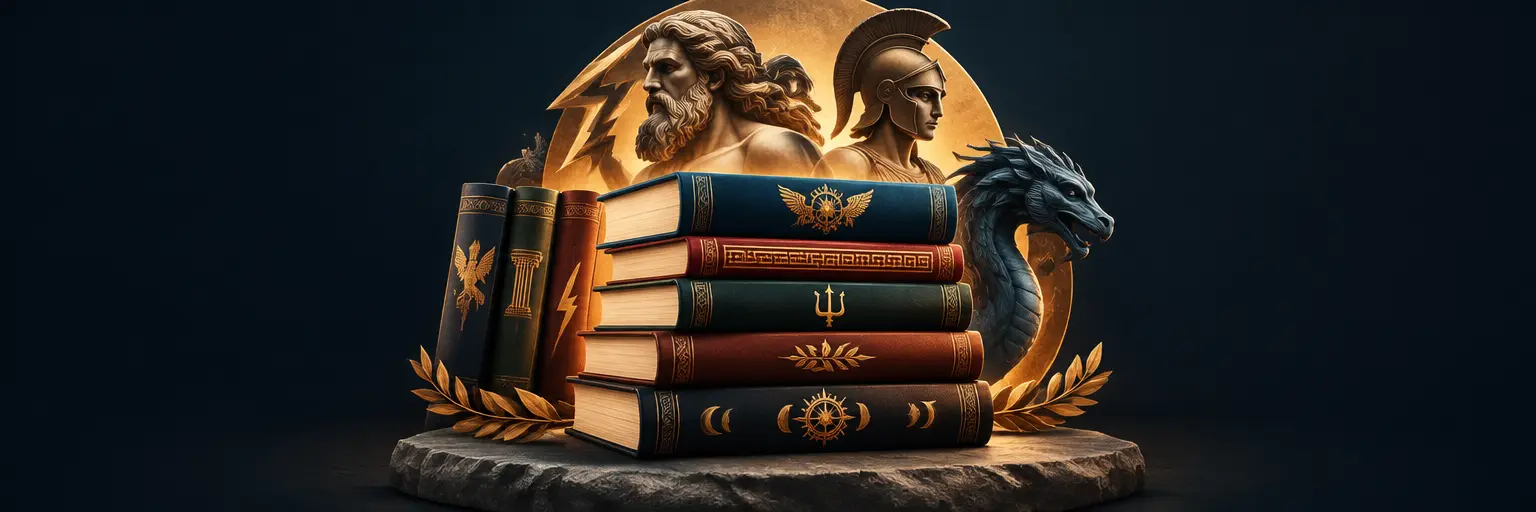
Discover the most captivating tales of gods, heroes, and monsters with our curated selection of the best mythology books—from timeless classics to modern retellings that bring ancient legends to life. Whether you’re a lifelong enthusiast or a curious newcomer, these handpicked reads span Greek, Norse, Egyptian, and lesser-known global traditions, offering immersive storytelling, scholarly insights, and breathtaking illustrations. Dive into epic quests, unravel symbolic meanings, and see how these age-old narratives still shape our art, literature, and daily life. Perfect for building your personal library or finding the ideal gift, our expert reviews help you navigate the vast world of mythological literature with confidence. Unlock the wisdom of the ages—your next favorite mythical journey starts here!
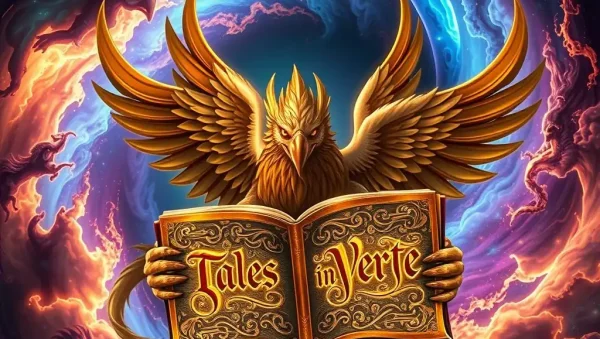
🌟 Discover the timeless allure of Mythology books verse epics with this curated collection of legendary tales. Explore how ancient narratives from…
Read article
✨ Discover the top Roman mythology book recommendations inspired by Rome's Pantheon, offering a captivating glimpse into ancient legends. Explore our comprehensive…
Read articleWelcome to our curated collection of the best mythology books—a hand-picked library covering Greek, Norse, Egyptian, Hindu, and global folklore. Whether you’re a lifelong enthusiast or a curious newcomer, this subcategory helps you navigate the vast sea of retellings, scholarly analyses, and illustrated encyclopedias. We prioritize works that blend narrative brilliance with cultural authenticity, ensuring every title deepens your understanding of ancient myths and their modern echoes. From epic sagas to feminist retellings, these books transform ancient tales into vivid, unforgettable journeys.
Start with the foundational texts and modern masterpieces that define Greek and Roman mythology. Expect authoritative translations of Homer and Hesiod, alongside accessible retellings like Stephen Fry’s *Mythos* and Edith Hamilton’s timeless *Mythology*. These books decode complex genealogies, heroic quests, and tragic flaws, making them perfect for both casual readers and students. You’ll learn how gods like Zeus and Athena shaped ancient morality, and why their stories still resonate in modern literature and film.
Each recommended title includes contextual introductions that explain historical background, regional variations, and the influence of Roman adaptations. We highlight editions with helpful maps, character glossaries, and pronunciation guides to remove barriers to entry. Whether you prefer prose, poetry, or heavily annotated studies, this section filters out dry academic jargon in favor of engaging, page-turning access to the classical world’s most enduring tales.
Dive into the cold, fierce world of Odin, Thor, and Loki through the best Norse mythology books, from Neil Gaiman’s witty *Norse Mythology* to Jackson Crawford’s meticulous translations of the Poetic Edda. These books reveal the harsh cosmology of Ragnarok, the wisdom of runes, and the complexities of Viking honor. Expect vivid retellings that capture the grim humor and fatalism of the North, balanced with scholarly insights into Icelandic sagas and archaeological evidence.
We also feature comparative analyses that link Norse myths to Indo-European roots and modern fantasy worlds like Tolkien’s Middle-earth. Each recommendation includes notes on original sources, such as Snorri Sturluson’s Prose Edda, and clarifies differing interpretations. Whether you want dramatic storytelling or historical accuracy, this section helps you choose between accessible modern novels and authentic medieval manuscripts—without sacrificing excitement or depth.
Explore beyond the classical pantheons with diverse mythology collections covering Egyptian, Mesopotamian, Hindu, Chinese, African, and Native American traditions. These books celebrate the richness of world folklore, featuring creation myths, trickster tales, and heroic epics from every continent. Expect beautifully illustrated volumes that honor oral traditions, alongside scholarly works that contextualize rituals and cultural practices. You’ll discover parallels and unique divergences—how flood myths appear globally, or how tricksters like Anansi differ from Coyote.
Our picks emphasize respectful, community-informed retellings, avoiding colonial-era distortions. We highlight anthologies that include original language notes, cultural sensitivity guides, and pronunciation aids. Whether you’re researching for writing or simply broadening your worldview, this section offers gateways into lesser-known but equally powerful legends that continue to shape modern identity, art, and storytelling worldwide.
For readers who crave depth, this section focuses on academic but accessible analyses of mythology—books by Joseph Campbell (*The Hero with a Thousand Faces*), Mircea Eliade, and Karen Armstrong. These works dissect archetypes, symbolic meanings, and the psychological and sociological functions of myths. Expect frameworks for comparing narratives across cultures, insights into ritual and religion, and discussions of myth’s role in human consciousness. Ideal for students, writers, and deep thinkers, these texts transform passive reading into active interpretation.
We also include modern critical perspectives—feminist readings, postcolonial reinterpretations, and examinations of myth in popular culture (from Marvel to video games). Each recommendation clarifies the author’s theoretical stance and offers real-world applications, such as how to use mythic structures in storytelling or therapy. These books are not dry tomes; they are provocative, inspiring, and packed with relatable examples that make complex ideas understandable and applicable to contemporary life.
Sometimes the best way to experience mythology is through bold, modern retellings. This category showcases bestsellers like Madeline Miller’s *Circe*, Pat Barker’s *The Silence of the Girls*, and Jennifer Saint’s *Ariadne*—works that center forgotten female voices and challenge classical heroics. Expect inventive prose, deep character studies, and contemporary themes of power, identity, and resilience. These novels reimagine gods and mortals with psychological realism, making ancient stories feel urgent and personal.
We also recommend epic fantasy series and graphic novels that draw on mythology, from Neil Gaiman’s *Sandman* to Rick Riordan’s Percy Jackson books for younger readers. Each pick is annotated with its source material, creative liberties, and emotional impact. Whether you crave tragic romance, action-packed quests, or subversive takes on familiar legends, this section connects you to stories that respect the originals while echoing modern sensibilities—perfect for book clubs and solo readers alike.
Visual learners and collectors will love this selection of lavishly illustrated mythology references. These large-format books feature full-color artwork, artifact photography, maps, and family trees that bring gods and monsters to life. Ideal for gifting or browsing, they include DK’s *Mythology* guides and Thames & Hudson’s authoritative surveys. Expect detailed comparisons of mythic motifs, timelines of civilizations, and side-by-side panels showing regional variations. These books serve both as quick-reference tools and immersive visual journeys.
We highlight quality of reproduction and editorial accuracy, avoiding sensationalist or inaccurate depictions. Each entry explains the cultural origins of images, from vase paintings to temple carvings. Whether you’re an artist seeking inspiration, a teacher preparing lessons, or a parent sharing stories with children, these encyclopedias make complex mythologies approachable and awe-inspiring. They are perfect companions to narrative books, offering visual anchors that deepen retention and appreciation.
For most beginners, Edith Hamilton’s *Mythology* remains the gold standard—it’s clear, organized by theme, and covers Greek, Roman, and Norse tales in accessible prose. Alternatively, Stephen Fry’s *Mythos* offers a witty, modern retelling if you prefer humor and narrative flow. Both provide solid foundations without overwhelming detail.
Yes, but in a different way. Retellings like *Circe* offer emotional depth and modern perspectives, especially for female characters marginalized in ancient texts. They aren’t replacements for originals but complementary entry points. Reading both enriches your understanding—originals give cultural authenticity, while retellings provide relatability and contemporary resonance.
Rick Riordan’s *Percy Jackson* series is phenomenal—it’s fun, accurate in core myths, and sparks lifelong interest. For younger kids, DK’s *Mythology* picture books are visually engaging and age-appropriate. Always check age ratings, but these are widely praised for balancing education and entertainment.
No, authentic translations like Crawford’s *Poetic Edda* or Lattimore’s *Iliad* are helpful for scholars, but modern retellings and surveys cover the essential stories accurately. If you skip originals, you miss some stylistic beauty but lose no core plot. Start with accessible books, then dive deeper if curiosity pushes you.
Absolutely. Books like Campbell’s *Hero with a Thousand Faces* teach universal story structures like the hero’s journey. Retellings demonstrate how to adapt archetypes with fresh voices. Reading mythology expands your symbolic vocabulary and character archetypes, directly enhancing plot invention, theme development, and world-building.