
The Craft of Connection: How Making Things Revives Culture


Welcome to Mythology and Legends, where ancient whispers meet modern minds. Ever wondered how the echoes of forgotten gods and legendary heroes still resonate in our lives? Dive into the captivating world of Indigenous and Folk Traditions, starting with a fascinating exploration of how Handmade crafts revive culture. What untold stories are woven into the very fabric of these creations? Unravel the mysteries and discover the profound connection between artistry, heritage, and the human spirit...
- Introduction: The Enduring Power of Handmade Crafts in a Modern World
- The Decline of Traditional Crafts and its Cultural Impact
- Handmade Crafts Revive Culture: A Renaissance of Traditional Arts
- Case Studies: Revivals Through Specific Crafts
- The Role of Technology in Supporting Handmade Crafts Revivals
- The Future of Handmade Crafts and Cultural Preservation
- Conclusion: Handmade Crafts Revive Culture - A Legacy for Generations
-
Frequently Asked Questions
- How does making handmade crafts help to revive culture?
- What are some examples of cultures where handmade crafts play a significant role in cultural revival?
- Why is preserving traditional techniques important in cultural revival through crafts?
- How can contemporary society support the revival of culture through handmade crafts?
- What is the impact of mass production on traditional handmade crafts and cultural identity?
- Final Reflection: The Enduring Power of Handmade
- Ignite Your Creative Spark: Craft Your Connection Today!
Introduction: The Enduring Power of Handmade Crafts in a Modern World
In a world increasingly dominated by mass production and digital interactions, the act of creating something by hand holds a unique and powerful significance. Handmade crafts are more than just objects; they are tangible links to history, tradition, and community. This article explores the profound ways in which handmade crafts revive culture, acting as vital vessels for cultural memory and identity in the 21st century.
Reconnecting with Heritage Through Traditional Skills
Engaging in traditional skills offers a direct pathway to understanding and experiencing the heritage of one's ancestors. Whether it's weaving, pottery, woodworking, or textile arts, these crafts often involve techniques and patterns passed down through generations, embodying the accumulated knowledge, beliefs, and aesthetic values of a culture. Learning and practicing these skills is not merely about acquiring a manual ability; it is a form of active remembrance and connection to a cultural lineage that might otherwise fade.
This reconnection goes beyond intellectual knowledge. It involves muscle memory, sensory experiences – the feel of clay, the smell of wood, the rhythm of the loom – that are deeply embedded in a culture's history. For many, picking up a traditional craft is a journey of rediscovery, fostering a strong sense of belonging and pride in their roots. It allows individuals to become active participants in their cultural narrative, rather than just passive observers.
Why Handmade Crafts Revive Culture: A Modern Revival
The revival of interest in handmade crafts is a global phenomenon, driven by a desire for authenticity, sustainability, and meaningful connection in a rapidly changing world. This resurgence is not just a nostalgic trend; it is a conscious effort to reclaim and celebrate cultural identity that has been eroded by globalization and industrialization. Handmade crafts serve as anchors to the past while providing economic opportunities and fostering community in the present.
The process of making by hand inherently slows down consumption and encourages appreciation for skill, material, and origin – values often lost in mass production. By supporting artisans and engaging in craft, people are actively participating in the preservation of cultural heritage. This makes it clear that handmade crafts revive culture by providing both a means of economic sustenance for traditional communities and a way for individuals, regardless of background, to connect with and support diverse cultural expressions.
The Decline of Traditional Crafts and its Cultural Impact
The 20th century saw a significant decline in many traditional craft practices across the globe. Factors such as industrialization, urbanization, and the shift towards mass-produced goods made traditional crafts less economically viable and less central to daily life for many communities. This decline had far-reaching consequences, impacting not just individual artisans but the cultural fabric of entire societies.
As younger generations moved away from traditional lifestyles and occupations, the intricate knowledge and skills required for these crafts were often not passed down. This resulted in a break in the chain of cultural transmission. The tangible expressions of cultural identity – unique textiles, specific pottery styles, intricate carvings – became less common, leading to a sense of loss and disconnection from heritage.
The Effects of Mass Production on Indigenous Art Forms
Mass production fundamentally altered the landscape for indigenous art forms. Factory-made goods, often cheaper and produced in vast quantities, flooded markets, making it difficult for traditional artisans to compete. This economic pressure forced many to abandon their crafts in favor of other forms of labor, leading to a decline in the number of skilled practitioners.
Furthermore, mass production often led to the imitation and commodification of indigenous designs and patterns without proper attribution or benefit to the originating communities. This cultural appropriation devalued the authenticity and spiritual significance often embedded in these art forms. For example, the widespread availability of factory-made "Native American style" goods undermined the market for genuine, culturally significant pieces handcrafted by indigenous artisans, directly impacting their livelihoods and the continuity of their traditions.
Loss of Cultural Identity: The Consequences of Abandoning Craft
The abandonment of traditional crafts has profound consequences for cultural identity. Crafts are often deeply intertwined with a community's history, rituals, social structure, and worldview. They can tell stories, represent spiritual beliefs, signify social status, or mark important life events. When these crafts disappear, a significant part of the cultural narrative is lost.
This loss can lead to a weakened sense of identity, particularly among younger generations who may no longer have tangible connections to their heritage. The unique visual language, symbols, and techniques that distinguish one culture from another begin to fade. This erosion of cultural distinctiveness underscores why handmade crafts revive culture; their absence leaves a void that is difficult to fill, diminishing the rich tapestry of human cultural expression globally.
Handmade Crafts Revive Culture: A Renaissance of Traditional Arts
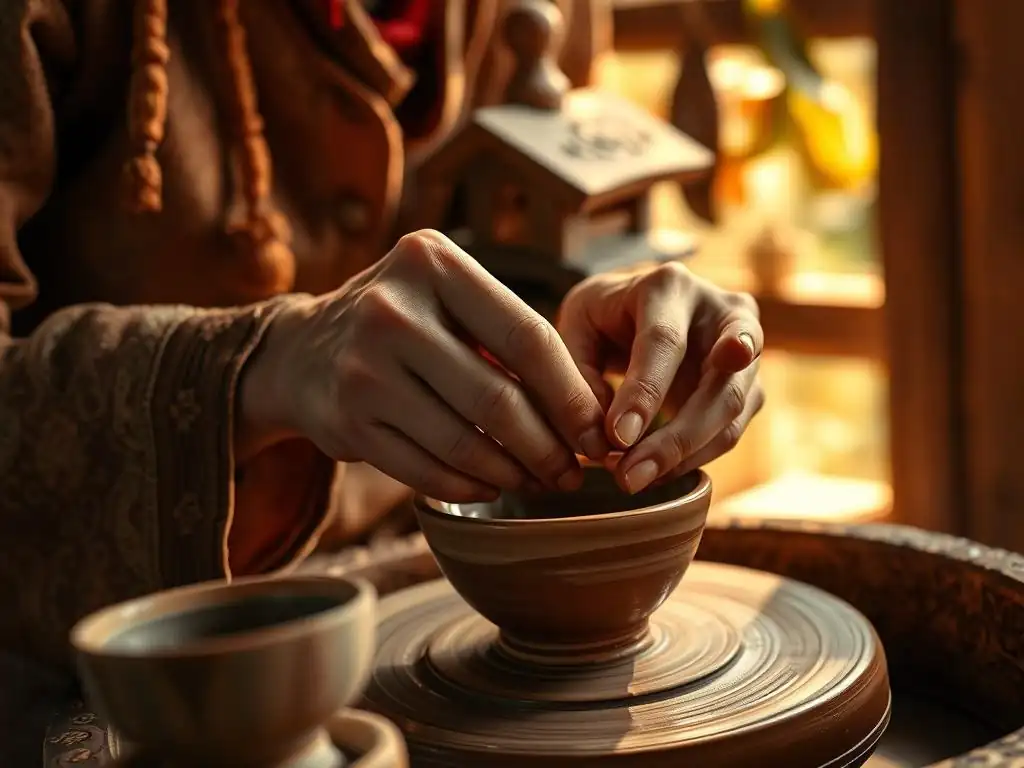
Despite the challenges faced in the past, there is a growing and vibrant renaissance of traditional arts and crafts around the world. This resurgence is fueled by a renewed appreciation for authenticity, sustainability, and the profound cultural value embedded in handmade objects. People are actively seeking out handcrafted goods, not just for their aesthetic appeal, but for the stories they tell and the connection they offer to cultural heritage.
This revival is happening on multiple levels: individual artisans are reclaiming their ancestral skills, communities are establishing craft cooperatives and schools, and consumers are making conscious choices to support ethical and culturally significant products. This collective effort demonstrates the powerful potential for handmade crafts to revive culture, breathing new life into traditions that were once on the brink of disappearance.
The Resurgence of Interest in Authentic Craftsmanship
The modern consumer is increasingly discerning, moving away from disposable, mass-produced goods towards items with provenance and character. There is a growing desire for products that are made with care, skill, and high-quality materials, reflecting a shift in values towards sustainability and mindful consumption. This trend has created a new market for authentic craftsmanship.
This renewed interest extends beyond simply purchasing items; it includes a fascination with the process of making itself. Workshops, classes, and craft retreats are seeing increased participation from people eager to learn traditional skills. This engagement, whether as a buyer or a practitioner, contributes significantly to how handmade crafts revive culture by creating demand, supporting artisans, and fostering a deeper understanding and appreciation for the value of handcrafted objects.
Community Building Through Craft: Fostering Cultural Connections
Craft has always been a powerful tool for community building, often practiced in communal settings where skills and stories are shared. The modern revival of crafts is also fostering strong social connections, bringing people together across generations and backgrounds. Craft workshops, markets, and online communities create spaces for shared learning, collaboration, and cultural exchange.
For many traditional communities, craft cooperatives provide vital economic support and reinforce social bonds. Working together on a shared craft project can strengthen cultural identity and provide a sense of collective purpose. This communal aspect is crucial to how handmade crafts revive culture; it transforms the individual act of making into a shared experience that reinforces social ties and preserves cultural knowledge within a supportive network.
Case Studies: Revivals Through Specific Crafts
Examining specific examples provides concrete illustration of how handmade crafts revive culture in tangible ways. Across different continents and traditions, specific craft forms are serving as powerful engines for cultural preservation, economic empowerment, and community revitalization. These case studies highlight the practical impact of supporting traditional artistry.
From intricate textiles to durable leather goods, the revival of these crafts demonstrates their enduring relevance and their capacity to adapt to contemporary challenges while maintaining their cultural integrity. These examples underscore the vital link between the continuation of craft practices and the health and resilience of the cultures they represent.
Navajo weaving (Diné weaving) is one of the most well-known indigenous craft traditions in North America, renowned for its intricate patterns, vibrant colors, and high quality. This art form is deeply embedded in Navajo culture, with roots stretching back centuries. The process of shearing sheep, carding and spinning wool, dyeing yarn with natural materials, and weaving on an upright loom is a complex skill set passed down through generations, often within families.
Despite facing challenges from mass-produced textiles and economic pressures, Navajo weaving has experienced periods of significant revival. This is partly due to the dedication of Navajo weavers themselves, as well as efforts by cultural organizations and trading posts that support authentic craft. The unique designs often carry cultural significance, sometimes depicting elements of the Navajo landscape, spiritual beliefs, or historical events, making each rug a narrative piece of cultural heritage.
How Navajo Weaving is Revitalizing Navajo Culture
Navajo weaving plays a crucial role in revitalizing Navajo culture by serving as a tangible link to traditional knowledge, spirituality, and identity. The act of weaving is often seen as a meditative and spiritual practice, connecting the weaver to the land, the sheep, and the ancestors who developed the techniques. Learning to weave requires patience, discipline, and a deep understanding of materials and process, instilling traditional values in younger generations.
Furthermore, weaving is a visual language that preserves cultural narratives and symbols. Specific patterns and motifs can convey complex meanings or represent elements of Navajo cosmology. By continuing to weave, Navajo people are actively keeping these cultural stories alive and visible. The intergenerational teaching of weaving skills also strengthens family bonds and ensures the transmission of cultural knowledge in a direct, hands-on manner, proving how handmade crafts revive culture by embodying tradition.
The Economic Impact of Navajo Weaving on Local Navajo Communities
Navajo weaving provides significant economic opportunities for many families and communities within the Navajo Nation. High-quality, authentic Navajo rugs can command substantial prices in the art market, providing weavers with a vital source of income in areas where employment opportunities may be limited. For some families, weaving is the primary source of livelihood.
Trading posts and cooperatives act as important intermediaries, connecting weavers with buyers and ensuring fair compensation. While precise, recent aggregate economic data is complex to obtain, individual weavers can earn anywhere from a few hundred dollars for smaller pieces to tens of thousands for large, intricate rugs requiring months of work. This economic activity supports local economies, allows families to remain on their ancestral lands, and provides resources for other community needs, demonstrating the tangible economic benefits of preserving cultural craft practices.
Argentinian Gaucho Leatherwork
Argentinian Gaucho culture, deeply tied to the equestrian traditions of the Pampas, boasts a rich heritage of leatherworking. Gauchos, the cowboys of the South American plains, developed sophisticated skills in working with leather to create essential items for their nomadic lifestyle: saddles, bridles, lassos (rebenques), belts, knives with leather sheaths, and decorative items. This craft is characterized by its durability, functionality, and often intricate decorative elements like plaiting, carving, and silver inlay.
Traditional Gaucho leatherwork uses techniques and designs that reflect the history and environment of the Pampas. The emphasis is on utility combined with artistry, creating pieces that are both practical tools and expressions of cultural identity. The skills are typically learned through apprenticeship, passed down from master craftsmen to younger generations within families or small workshops, highlighting the importance of direct instruction in preserving this craft.
Gaucho Leatherwork as a Tool for Cultural Preservation
Gaucho leatherwork serves as a powerful tool for cultural preservation by embodying the history, values, and practical knowledge of the Gaucho lifestyle. Each piece tells a story of life on the plains, the relationship between the Gaucho and their horse, and the ingenuity required to thrive in that environment. The traditional tools and techniques used in leatherworking are themselves part of the cultural heritage, representing centuries of accumulated skill and adaptation.
By continuing to practice and innovate within the tradition of Gaucho leatherwork, artisans are keeping this aspect of Argentinian heritage alive. They are preserving not just the manual skills but also the cultural context, the stories, and the spirit of the Gaucho. For example, the intricate plaiting patterns used in rebenques or belts are specific to the region and the craft, acting as a visual language that connects contemporary artisans to their predecessors, proving how handmade crafts revive culture through tangible tradition.
Passing Down Traditional Knowledge: The Role of Elders in Gaucho Leatherwork Revivals
The transmission of traditional knowledge is critical to the revival of Gaucho leatherwork, and elders play a vital role in this process. In the absence of formal institutions, skills are primarily passed down through informal apprenticeships and within families. Experienced master leatherworkers (maestros talabarteros) mentor younger individuals, teaching them not only the technical skills of cutting, stitching, plaiting, and finishing leather but also the philosophy and history behind the craft.
These elders hold the deep reservoir of traditional techniques, knowledge about materials (different types of leather, natural dyes, etc. ), and the specific cultural significance of various designs and tools. Their willingness to share this knowledge is essential for ensuring that the craft does not die out. Revival efforts often focus on creating opportunities for this intergenerational exchange, such as workshops or mentorship programs, recognizing that the wisdom held by elders is irreplaceable in keeping Gaucho leatherwork and its associated culture vibrant.
The Role of Technology in Supporting Handmade Crafts Revivals

While traditional crafts are inherently non-digital, technology is playing an increasingly important role in supporting their revival and ensuring their future. Far from being a threat, digital tools and platforms are providing artisans with new ways to connect with markets, share their stories, and even adapt traditional techniques in innovative ways, demonstrating technology's potential to help handmade crafts revive culture in the modern era.
From e-commerce websites to social media, technology is breaking down geographical barriers, allowing artisans in remote communities to reach global audiences. This expanded market access provides crucial economic support, making traditional crafts a viable livelihood once again. Additionally, digital tools are being used for documentation, education, and promoting the cultural significance of these art forms.
Online Platforms Connecting Artisans with Global Markets
Online marketplaces and e-commerce platforms have revolutionized the ability of traditional artisans to sell their work. Websites dedicated to handmade goods, as well as broader platforms, allow individual artisans or cooperatives to set up virtual storefronts and reach customers far beyond their local area. This direct access to a global market significantly increases potential income and reduces reliance on intermediaries who might take a large percentage of profits.
For example, platforms focusing on indigenous or fair-trade crafts enable consumers worldwide to purchase directly from artisans in communities like the Navajo Nation or rural Argentina. This not only provides economic benefits but also fosters a more direct connection between buyer and maker, allowing the cultural story behind the craft to be shared more effectively. This global connectivity is a key factor in how handmade crafts revive culture economically and sustainably.
Digital Storytelling: Sharing the Cultural Significance of Crafts
In addition to market access, technology provides powerful tools for digital storytelling, allowing artisans and communities to share the cultural significance of their crafts with a wider audience. Websites, blogs, social media, and online videos can showcase the history, techniques, and cultural context behind handmade objects. This helps consumers understand the value and meaning embedded in each piece, moving beyond mere aesthetics.
Artisans can use platforms like Instagram or YouTube to share glimpses into their creative process, explain the symbolism in their designs, and introduce viewers to their cultural background. This transparency builds trust and appreciation, educating consumers about the importance of supporting authentic craft. By sharing these narratives online, communities can also preserve digital records of their traditions for future generations, reinforcing how handmade crafts revive culture by making heritage accessible and understandable globally.
The Future of Handmade Crafts and Cultural Preservation
The future of handmade crafts and cultural preservation looks promising, driven by increasing consumer awareness, technological support, and the dedication of artisans and communities worldwide. However, continued effort is required to ensure that this revival is sustainable, equitable, and genuinely benefits the cultures from which these crafts originate.
Focusing on sustainable practices, promoting ethical consumption, and fostering intergenerational knowledge transfer are key to securing the longevity of traditional crafts. The goal is not just to keep crafts alive as relics of the past, but to integrate them into vibrant, living cultures that continue to evolve while respecting their roots.
Supporting Sustainable Craft Practices
Sustainability is crucial for the long-term viability of handmade crafts. This includes using environmentally friendly materials and processes, ensuring fair wages and working conditions for artisans, and respecting the cultural and intellectual property rights of originating communities. Many traditional crafts inherently use local, renewable resources and have low environmental impact compared to industrial production.
Supporting sustainable craft means choosing products made with natural dyes, ethically sourced fibers, or recycled materials. It also means supporting initiatives that empower artisans and give them control over their production and sales. Consumers play a vital role by demanding transparency and making conscious purchasing decisions that prioritize sustainability and ethical production, thereby supporting the conditions under which handmade crafts revive culture responsibly.
Promoting Cultural Awareness Through Ethical Consumption
Ethical consumption is a powerful way for individuals to contribute to cultural preservation through handmade crafts. This involves seeking out authentic products, buying directly from artisans or reputable sources that ensure fair trade, and learning about the cultural context of the crafts they purchase. Avoiding counterfeit or culturally appropriated goods is essential to respecting the rights and heritage of traditional communities.
By choosing to invest in authentic handmade items, consumers are directly supporting the livelihoods of artisans and contributing to the continuation of traditional skills and knowledge. This act of ethical consumption goes beyond a simple transaction; it is an act of cultural appreciation and support that helps ensure handmade crafts revive culture and thrive for generations to come. Educating oneself and others about the stories and significance behind these crafts further strengthens their role in cultural preservation.
Conclusion: Handmade Crafts Revive Culture - A Legacy for Generations
The journey through the world of handmade crafts reveals a powerful truth: these traditional art forms are not relics of the past but dynamic forces capable of revitalizing cultures in the present and securing their future. From the intricate patterns of Navajo weaving to the robust utility of Argentinian Gaucho leatherwork, handmade objects serve as vital conduits for cultural memory, identity, and community. The evidence is clear: handmade crafts revive culture by connecting people to their heritage, providing economic stability, and fostering social cohesion.
In an era of rapid change and homogenization, the act of making by hand and supporting those who do offers a tangible way to resist cultural erosion and celebrate diversity. The resurgence of interest in authentic craftsmanship, amplified by technology and driven by a desire for meaningful connection, points towards a bright future for traditional arts.
Empowering Communities Through Art and Tradition
Handmade crafts empower communities by providing economic opportunities, fostering self-reliance, and reinforcing cultural pride. When artisans can earn a living wage from their craft, it enables them to sustain their families, invest in their communities, and pass down their skills to the next generation. Craft cooperatives and community workshops become centers of cultural activity and social support.
This economic and social empowerment strengthens the community's ability to preserve its traditions and adapt to modern challenges on its own terms. It shifts the narrative from one of decline to one of resilience and innovation. The ability for handmade crafts to revive culture lies significantly in their capacity to empower the people who create them, giving them agency in shaping their own cultural future.
The Importance of Preserving Cultural Heritage Through Handmade Objects
Preserving cultural heritage is not just about museums and archives; it's about keeping traditions alive through practice. Handmade objects are living embodiments of cultural heritage – they carry the fingerprints of the maker, the stories of their community, and the accumulated wisdom of generations. Each piece is a testament to human creativity, ingenuity, and the enduring power of cultural expression.
By valuing, supporting, and engaging with handmade crafts, we contribute to the preservation of this rich global tapestry of human culture. We ensure that the skills, stories, and identities embedded in these objects are not lost but continue to inspire and connect people across the world. The fundamental message is undeniable: handmade crafts revive culture, ensuring a vibrant legacy of tradition and artistry for generations to come.
Frequently Asked Questions
How does making handmade crafts help to revive culture?
Handmade crafts provide a tangible link to cultural heritage, preserving traditional techniques and stories passed down through generations. They offer a counterpoint to mass-produced goods, fostering a sense of identity and belonging.
What are some examples of cultures where handmade crafts play a significant role in cultural revival?
Numerous cultures, including indigenous communities globally, utilize crafts like weaving, pottery, and carving to maintain and transmit their cultural identity. These crafts are often tied to specific rituals and beliefs, reinforcing cultural values.
Why is preserving traditional techniques important in cultural revival through crafts?
Preserving techniques ensures that the cultural knowledge embedded within the craft isn't lost. This allows future generations to connect with their heritage and continue the tradition, breathing new life into it.
How can contemporary society support the revival of culture through handmade crafts?
Supporting local artisans, purchasing handmade goods, and participating in craft workshops helps sustain traditional practices. This creates economic opportunities and encourages the transmission of skills to younger generations.
What is the impact of mass production on traditional handmade crafts and cultural identity?
Mass production often undermines the value of handmade crafts, leading to a decline in traditional skills and a weakening of cultural identity. It can lead to the loss of unique cultural expressions and a homogenization of goods.
Final Reflection: The Enduring Power of Handmade
The resurgence of handmade crafts isn't just a trend; it's a vital counterpoint to the homogenizing forces of mass production. It's a powerful testament to our innate human need for creativity, connection, and tangible meaning in a world increasingly dominated by the digital and disposable. This renewed appreciation for handcrafted goods speaks volumes about our collective yearning for authenticity and a slower, more deliberate pace of life.
The impact of handmade crafts on our cultural landscape is profound and multifaceted. It fosters a sense of community, bringing people together through shared skills and creative expression. It preserves traditional techniques and knowledge, preventing them from being lost to the tides of time. It allows for unique self-expression and the creation of truly personalized items, fostering a sense of individual identity in a world that often feels standardized. The hand is the cutting edge of the mind.
– Jacques Ellul. This quote perfectly encapsulates the intimate connection between the maker and the made, a connection that resonates deeply with consumers seeking something more than mass-produced goods.
Consider the impact of your own choices. Will you choose the mass-produced, or will you seek out the handcrafted? Will you support artisans and makers in your community, contributing to a vibrant and culturally rich environment? By embracing the craft of connection, you not only enrich your own life but also contribute to a more meaningful and sustainable future, one where the human touch remains a cherished and vital element of our shared experience. Let the enduring power of handmade inspire you to create, connect, and contribute to a world brimming with creativity and cultural vitality.
Ignite Your Creative Spark: Craft Your Connection Today!
Thanks for exploring the powerful connection between crafting and cultural revival! You've learned how making things can reignite our shared stories and build community. Now, it's time to put that knowledge into action.
- Start a small project: Choose a craft that speaks to you – knitting, pottery, woodworking, even digital art! Even a simple project can have a profound impact.
- Share your creations: Show off your work online or with friends and family. Inspire others to join the creative movement!
- Join a local crafting group or workshop: Connect with like-minded individuals and learn from experienced crafters. Discover the vibrant community waiting for you.
What unique skill or craft will you explore to connect with your heritage and community?