
Horror, Fantasy, and Myth: Blending Genres in Graphic Form

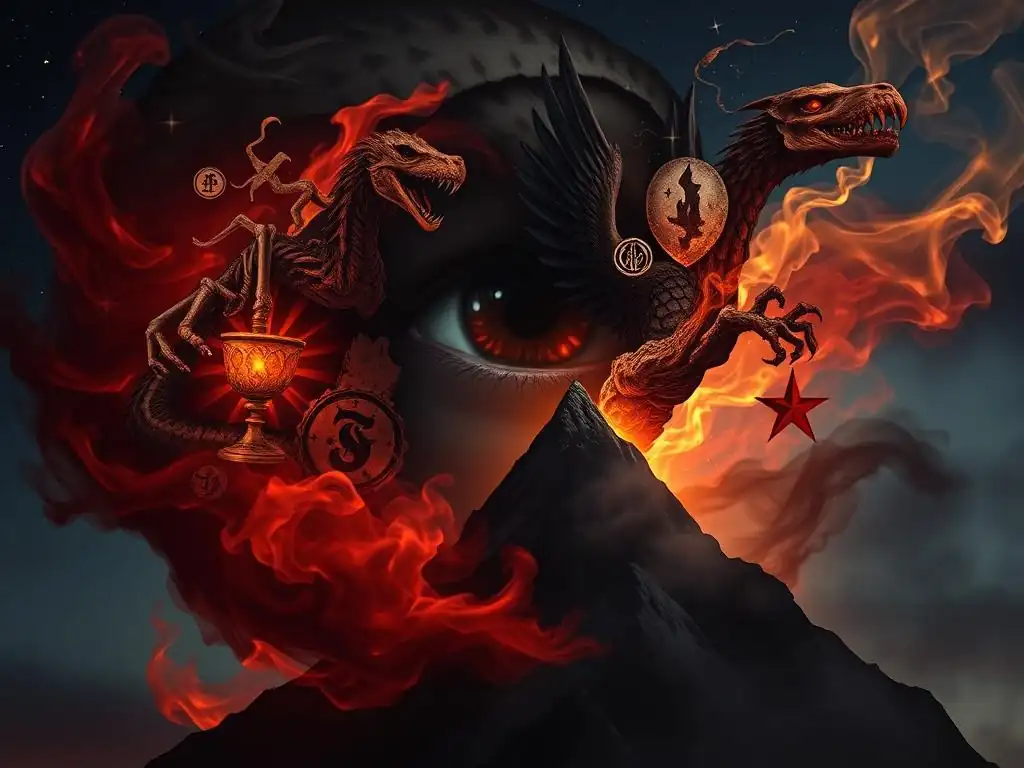
Welcome to Mythology and Legends, where we delve into the captivating tapestry of global folklore. Ever wondered what happens when ancient myths collide with the visceral thrill of horror and the limitless possibilities of fantasy? Prepare to be enthralled as we explore the dark and fascinating world of graphic horror fantasy mythology stories and uncover how these narratives are reshaping our understanding of ancient tales in the modern age. Dare to journey deeper and discover the terrifying beauty within...
- Exploring the Fusion of Horror, Fantasy, and Mythology in Graphic Novels
- The Allure of Graphic Horror Fantasy Mythology Stories
- Key Elements in Blending Genres: Graphic Horror, Fantasy, and Mythology
- Examples of Successful Graphic Horror Fantasy Mythology Stories
- The Impact of "Graphic Horror Fantasy Mythology Stories" on Contemporary Culture
- Creating Your Own Graphic Horror Fantasy Mythology Story: Tips for Aspiring Creators
- Conclusion: The Future of Genre-Bending Graphic Fiction
-
Frequently Asked Questions
- What exactly does "Graphic Horror Fantasy Mythology Stories" mean?
- How does mythology enhance horror and fantasy stories in a graphic format?
- What are some examples of graphic horror fantasy mythology stories?
- What makes graphic novels a good medium for these types of stories?
- How do these stories reflect or comment on contemporary society?
- Final Reflection: Weaving Worlds of Wonder and Dread
- Unleash Your Inner Mythmaker: Craft Your Own Genre-Bending Tale!
Exploring the Fusion of Horror, Fantasy, and Mythology in Graphic Novels
Graphic novels offer a unique canvas for creative expression, allowing writers and artists to weave complex narratives that transcend traditional genre boundaries. The fusion of horror, fantasy, and mythology is particularly potent within this medium, as the visual nature of comics can amplify the atmospheric dread of horror, the expansive possibilities of fantasy, and the rich, archetypal foundations of mythology. This blend creates compelling narratives that resonate deeply with readers, tapping into primal fears, universal dreams, and ancient wisdom. The synergy between these elements in graphic form provides a fertile ground for exploring profound themes and crafting unforgettable stories.
This convergence is not merely a trend but a natural evolution of storytelling, reflecting humanity's enduring fascination with the unknown, the fantastical, and the foundational narratives that shape cultures. Graphic novels are uniquely equipped to handle the intricate layers required for such a blend. The sequential art format allows for dynamic pacing, juxtaposing moments of intense horror with sweeping fantasy vistas and subtle mythological allusions. This makes Graphic horror fantasy mythology stories a distinct and thriving niche within the broader comics landscape, attracting creators and readers alike who seek narratives that challenge expectations and offer multi-faceted experiences.
The Allure of Graphic Horror Fantasy Mythology Stories
The appeal of Graphic horror fantasy mythology stories lies in their ability to offer a multifaceted reading experience that engages on multiple levels. Readers are drawn to the familiar yet often twisted elements of mythology, captivated by the imaginative scope of fantasy, and thrilled by the visceral impact of horror. This combination provides a rich tapestry where ancient fears meet modern anxieties, and epic quests intertwine with personal nightmares. The graphic novel format enhances this appeal by providing immediate visual context, making the fantastical elements feel more tangible and the horror more immediate and unsettling.
Furthermore, these genre-bending stories often delve into complex themes that resonate with contemporary audiences. They can explore the cyclical nature of violence (horror), the struggle between good and evil (fantasy), and the origins of human belief (mythology), all within a single narrative framework.
This depth, coupled with the dynamic visual storytelling inherent in graphic novels, creates a powerful and immersive experience. The ability to see the monstrous creatures, the magical realms, and the ancient gods depicted with striking artistry adds a layer of immersion that prose alone cannot always achieve, solidifying the allure of this specific type of graphic fiction.
Visual Storytelling and Atmospheric Horror in Comics
Visual storytelling is paramount in graphic novels, and it plays a crucial role in establishing atmosphere, particularly in the horror elements of Graphic horror fantasy mythology stories. Artists use panel layout, line weight, shading, and color palettes to evoke specific moods, from suffocating dread to ethereal beauty. A cramped panel with heavy inks might convey claustrophobia and impending doom, while a sprawling splash page with muted colors could hint at a vast, desolate realm haunted by ancient evils. The visual language speaks directly to the reader's emotions, bypassing the need for extensive description and creating an immediate, visceral reaction.
Moreover, the sequential nature of comics allows for masterful pacing of horror reveals. A series of panels might build tension slowly, focusing on subtle details or ominous shadows, before unleashing a terrifying creature or a shocking event in a dramatic turn of the page.
This control over the reader's gaze and the flow of information is a unique strength of the medium. For example, the use of negative space, distorted perspectives, or unsettling character designs can create a pervasive sense of unease that lingers long after the page is turned, making the horror in these genre blends particularly effective and memorable.
World-Building Potential in Fantasy Myth Graphic Novels
Graphic novels provide an unparalleled platform for world-building, a critical component of both fantasy and mythology. Creators can visually construct entire realms, depicting their landscapes, architecture, inhabitants, and magical systems in intricate detail. This visual foundation makes complex fantasy worlds rooted in mythological lore feel concrete and believable. Artists can illustrate ancient ruins, bustling mythological cities, or fantastical creatures drawn directly from folklore, bringing these concepts to life in ways that prose descriptions might struggle to convey with the same immediacy and impact.
The combination of fantasy and mythology in graphic novels allows for the creation of rich, layered settings where ancient myths are not just backdrops but active forces shaping the world and its characters. A graphic novel might depict a fantasy kingdom built upon the ruins of a forgotten mythological civilization, where the old gods' power still permeates the land, or where mythical creatures roam wild in enchanted forests.
This visual depth and detail enhance the reader's immersion, making the fantastical elements feel more grounded and the mythological connections more profound, demonstrating the immense potential for world-building in these genre-bending narratives.
Key Elements in Blending Genres: Graphic Horror, Fantasy, and Mythology
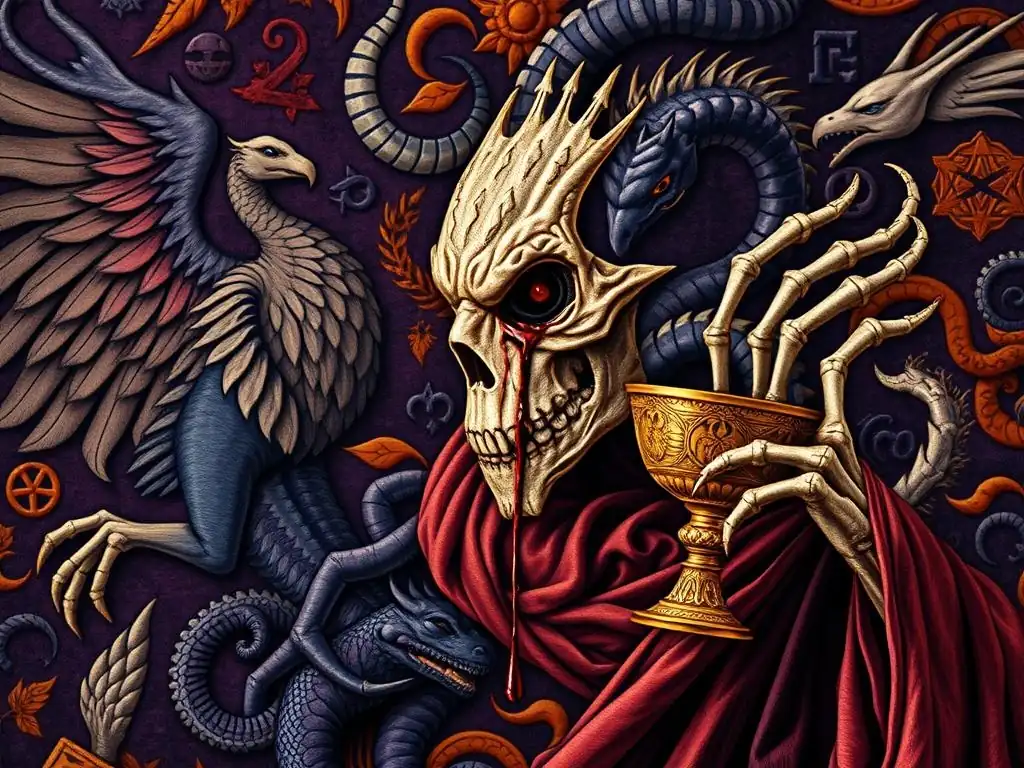
Successfully blending horror, fantasy, and mythology in graphic novels requires careful consideration of several key elements. Creators must understand the core tropes and themes of each genre and find ways to integrate them organically rather than simply placing them side-by-side. This involves identifying how mythological archetypes can serve as character foundations, how fantasy world-building can create unique settings for horror, and how horror conventions can subvert or reimagine traditional mythological narratives. The goal is to create a cohesive narrative where each genre element enhances the others, resulting in a story greater than the sum of its parts.
Furthermore, maintaining a consistent tone and visual style across these disparate genres is crucial. While the story might shift between moments of epic fantasy action, quiet mythological reflection, and intense horror, the artwork and narrative voice should feel unified. This requires skilled artists and writers who can navigate the visual and thematic demands of each genre while keeping the overall vision intact. The best Graphic horror fantasy mythology stories feel like natural fusions, where the presence of one genre element enhances the others, creating a unique and compelling reading experience that defies simple categorization.
Mythology as a Foundation for Graphic Novel Narratives
Mythology provides a deep well of inspiration for graphic novel narratives, offering ready-made characters, settings, conflicts, and thematic frameworks. Ancient myths are filled with powerful gods, legendary heroes, terrifying monsters, and epic events like Ragnarok or the Labors of Hercules. These stories provide a rich, recognizable foundation upon which creators can build new narratives, whether they are directly adapting existing myths or using them as inspiration for original stories. This pre-existing cultural resonance can immediately engage readers who are familiar with the source material, while also providing a sturdy structure for complex plots.
Using mythology as a foundation also allows creators to tap into universal human experiences and archetypal struggles that have resonated across cultures and centuries. Stories of creation, destruction, heroism, betrayal, and the relationship between humanity and the divine are central to many mythologies and lend themselves well to dramatic storytelling in graphic form.
A graphic novel might explore the psychological toll of a mythological hero's quest, or delve into the horrific consequences of defying a vengeful god. This use of mythology grounds the fantasy and horror elements in something ancient and profound, adding layers of meaning and depth to the narrative.
Fantasy Tropes Enhancing Horror Elements in Graphic Art
Fantasy tropes can be powerfully employed to enhance the horror elements in graphic novels. While fantasy often evokes wonder and heroism, its elements like magical creatures, ancient artifacts, and alternate dimensions can be twisted to become sources of terror. A seemingly benevolent magical being could be revealed as a malevolent entity, a powerful artifact might curse its wielder, or a portal to another dimension could unleash cosmic horrors. The juxtaposition of fantastical elements with horrific outcomes creates a disorienting and unsettling experience for the reader, subverting expectations and amplifying the sense of dread.
Visually, fantasy creatures and settings can be rendered in ways that emphasize their terrifying aspects in graphic art. A beautiful, enchanted forest could be depicted with gnarled, menacing trees and unseen horrors lurking in the shadows. A majestic dragon could be portrayed not just as a powerful beast but as a grotesque, terrifying force of destruction.
Magic itself can be shown as chaotic, painful, or corrupting rather than purely beneficial. By infusing fantasy elements with a sense of danger, decay, or malevolence, creators can significantly heighten the horror in their Graphic horror fantasy mythology stories, creating a unique brand of fear rooted in the corruption of the wondrous.
Horror Twists on Classic Mythological Figures in Graphic Novels
One particularly compelling technique in Graphic horror fantasy mythology stories is applying horror twists to classic mythological figures. Instead of presenting gods, heroes, or monsters as they appear in traditional tales, creators can reimagine them through a horror lens, emphasizing their terrifying aspects or introducing grotesque transformations. A benevolent nature spirit might become a vengeful, body-horror inducing entity, or a heroic demigod could be cursed with a horrifying physical affliction or psychological torment. This subversion plays on the reader's familiarity with the source material, making the horror element more shocking and impactful.
Examples of this approach might include depicting the Gorgon Medusa not just as a monster but focusing on the psychological horror of her transformation and the terror she inflicts, or reimagining the Norse god Loki as a truly cosmic, unsettling force of chaos whose tricks are genuinely horrifying. Visually, this allows artists to create striking, disturbing depictions of well-known figures, pushing the boundaries of their traditional representations. By injecting horror into the core of these ancient characters, graphic novels can offer fresh, disturbing perspectives on myths that have been told for centuries, creating powerful and memorable narratives.
Examples of Successful Graphic Horror Fantasy Mythology Stories
The realm of Graphic horror fantasy mythology stories boasts numerous successful examples that demonstrate the power of this genre blend. These works showcase how different approaches to combining these elements can yield compelling and resonant narratives. Analyzing specific titles provides insight into the techniques employed by creators to effectively fuse horror, fantasy, and mythology within the graphic novel format. These examples often become touchstones for aspiring creators and benchmarks for the genre's potential.
These successful graphic novels not only entertain but also often offer new interpretations of ancient lore, reflecting contemporary anxieties and perspectives. They prove that the rich tapestry of global mythology is a renewable resource for modern storytelling, particularly when filtered through the imaginative lenses of fantasy and horror and brought to life through dynamic graphic art. From critically acclaimed series to independent works, these examples highlight the versatility and enduring appeal of genre-bending graphic fiction rooted in myth.
Case Study 1: Neil Gaiman's Norse Mythology - A Deep Dive into Ragnarok and its Horror Undertones
While not strictly a horror series in its entirety, the graphic novel adaptation of Neil Gaiman's Norse Mythology contains significant horror undertones, particularly in its depiction of Ragnarok. The story faithfully retells classic Norse myths, brought to life by artists like P. Craig Russell and Jerry Ordway. The narrative culminates in the terrifying, inevitable destruction of the world during Ragnarok, depicted with a sense of cosmic horror and inescapable doom. The visual adaptation emphasizes the grotesque nature of the monstrous figures like Fenris Wolf and Jörmungandr, and the sheer, overwhelming chaos of the final battle.
The graphic novel doesn't shy away from the brutal and often grim aspects of Norse mythology, which inherently contain elements of horror – from gruesome deaths to monstrous births and the chilling prophecies of the end times. The visual medium allows for a visceral depiction of these events, making the horror of Ragnarok palpable.
The artists use dramatic layouts and intense detail to convey the scale of the destruction and the terror faced by gods and mortals alike. This adaptation demonstrates how even a faithful retelling of mythology can lean into the inherent horror elements present in the source material when translated into graphic form.
Case Study 2: Hellboy - Exploring Folklore in a Graphic Horror Setting
Mike Mignola's Hellboy is a prime example of a Graphic horror fantasy mythology story, blending folklore, fantasy, and cosmic horror into a distinct visual style. The series follows Hellboy, a demon summoned to Earth who works for the B.P.R.D. (Bureau for Paranormal Research and Defense), investigating supernatural threats. The narratives draw heavily from global folklore and mythology, featuring encounters with figures from various traditions, including Baba Yaga, creatures from Slavic myth, Irish fairies, and figures inspired by Lovecraftian cosmic horror.
Hellboy's success lies in its ability to ground fantastical and mythological elements within a gritty, atmospheric horror setting. Mignola's art style, characterized by heavy blacks, stark shadows, and minimalist lines, creates a pervasive sense of dread and mystery. The stories often delve into ancient evils and forgotten gods, treating mythological entities not as benevolent figures but as potentially terrifying or dangerous forces. The series consistently explores themes of destiny, identity, and the weight of ancient power, all filtered through a lens of gothic and cosmic horror, making it a definitive example of genre-bending graphic fiction.
The Impact of "Graphic Horror Fantasy Mythology Stories" on Contemporary Culture
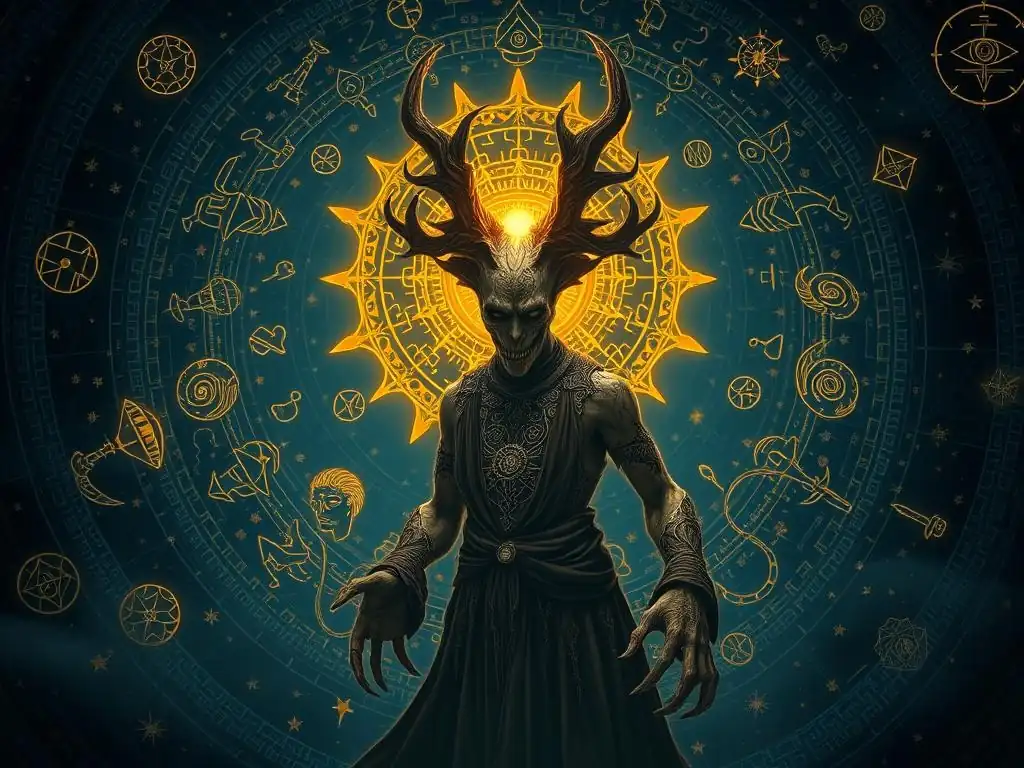
The rise of Graphic horror fantasy mythology stories reflects and contributes to several trends in contemporary culture. Their popularity signifies a growing appetite for complex, genre-bending narratives that offer more than simple escapism. Readers are increasingly interested in stories that explore deep-seated fears, universal truths found in ancient myths, and the limitless possibilities of the imagination. The graphic novel format, with its unique blend of visual and textual storytelling, is ideally suited to meet this demand, allowing for nuanced explorations of challenging themes.
Furthermore, these graphic novels play a significant role in keeping ancient myths and folklore relevant for modern audiences. By reimagining classic tales and characters through the lenses of fantasy and horror, creators introduce these stories to new generations in engaging and accessible ways. This reinvention ensures that the wisdom, warnings, and wonder contained within traditional narratives continue to resonate in a rapidly changing world. The impact extends beyond readership, influencing other media like film, television, and video games that draw inspiration from these successful graphic fusions.
Reinventing Myths for a Modern Audience Through Graphic Novels
Graphic novels serve as a powerful medium for reinventing myths for a modern audience. Unlike static academic texts or traditional retellings, graphic novels can infuse ancient stories with contemporary sensibilities, visual styles, and thematic relevance. They can explore the psychological complexities of mythological characters, question traditional interpretations, or place ancient figures in modern or fantastical settings. This reinvention makes myths feel less like dusty historical artifacts and more like living, evolving narratives that still speak to the human condition today.
For instance, a graphic novel might explore the horror inherent in a mythological transformation curse, focusing on the loss of identity and physical agony, or depict a pantheon of gods struggling with modern ethical dilemmas. By translating mythological concepts into dynamic visual narratives, graphic novel creators can highlight aspects of the myths that are particularly relevant to contemporary anxieties, whether they relate to environmental collapse (often linked to mythological destruction), societal decay (mirroring mythological cycles of decline), or personal trauma (finding parallels in mythological suffering). This reinvention process ensures that myths remain vibrant and meaningful.
The Growing Popularity of Genre-Bending Graphic Fiction
The increasing popularity of genre-bending graphic fiction, including Graphic horror fantasy mythology stories, is a clear indicator of evolving reader tastes and the medium's maturity. Readers are moving beyond rigid genre classifications, seeking stories that offer unique combinations of elements. This trend is supported by the critical acclaim and strong sales figures for titles that successfully blend genres. For example, series like Saga (a sci-fi/fantasy/romance blend) or the aforementioned Hellboy demonstrate that complex, cross-genre narratives can find a large and dedicated readership.
This growing popularity encourages publishers and creators to experiment further, pushing the boundaries of what graphic novels can achieve. It signals that there is a significant market for sophisticated visual storytelling that doesn't fit neatly into a single box. This shift benefits readers by offering a wider variety of innovative and thought-provoking stories, and benefits creators by providing more freedom to explore their imaginative visions. The success of genre-bending graphic fiction underscores the medium's capacity for complexity and its vital role in contemporary storytelling.
Creating Your Own Graphic Horror Fantasy Mythology Story: Tips for Aspiring Creators
For aspiring creators looking to delve into the world of Graphic horror fantasy mythology stories, several key steps can help navigate this complex genre blend. It requires not only strong artistic and writing skills but also a deep understanding of the source material and a clear vision for how the different genres will interact. Approaching the project systematically, from initial research to mastering the visual execution, is crucial for crafting a compelling and cohesive narrative that resonates with readers.
The process involves more than just picking elements from each genre; it's about finding the synergy between them. How does the horror amplify the stakes of the fantasy quest? How do mythological archetypes lend depth to the characters? How does the fantasy world provide unique opportunities for horror? Answering these questions early in the creative process will help ensure that the different genre components feel integrated and purposeful, rather than merely tacked on.
Researching Mythology: Building a Strong Foundation for Your Narrative
Thorough research into mythology is the cornerstone of any successful Graphic horror fantasy mythology story that draws on ancient lore. This goes beyond simply knowing the names of gods or heroes; it involves understanding the cultural context, the core themes, the various interpretations, and the lesser-known figures and stories within a chosen mythology. Whether focusing on Greek, Norse, Egyptian, Japanese, or any other mythology, a deep dive into its complexities will provide a wealth of material for characters, plot points, and world-building.
Consider exploring different versions of myths (as they often vary across texts and regions) and looking into the associated folklore and legends. This detailed research can uncover unique angles or obscure figures that can be adapted into compelling characters or terrifying monsters for your graphic novel. A solid foundation in mythology ensures that your narrative feels authentic and rich, even when you are applying fantasy tropes or horror twists. It provides the essential framework upon which to build your unique genre blend.
Weaving Fantasy Elements into a Horror-Infused World
Weaving fantasy elements into a horror-infused world requires careful balancing. The fantasy elements should not undermine the horror but rather enhance it, perhaps by introducing new threats, providing false hope, or highlighting the corruption of beauty and wonder. Consider how magic functions in your world – is it inherently dangerous, unpredictable, or does it come at a terrible cost? How do fantastical creatures contribute to the horror? Are they simply monsters to be slain, or do they embody deeper fears or mythological concepts?
Think about the setting itself. A fantasy world can be made horrific through oppressive landscapes, decaying magical structures, or realms where the laws of nature are twisted in terrifying ways. The visual design of fantasy elements – from costumes and architecture to creatures and spells – should align with the horror tone. A beautiful fairy could have unsettling, non-human features, or a grand castle could be riddled with hidden, terrifying secrets. Integrating fantasy elements in ways that amplify dread and unease is key to a successful horror-infused fantasy narrative.
Mastering Visual Storytelling to Enhance the Horror and Fantasy Aspects
Mastering visual storytelling is perhaps the most critical skill for creators of Graphic horror fantasy mythology stories. The artwork is not merely illustrative; it is integral to conveying the atmosphere, pacing, and emotional impact of the story. For horror, this means understanding how to use shadow, panel composition, character expression, and gore (or lack thereof) to build tension and deliver scares. For fantasy, it involves designing believable yet imaginative worlds, characters, and creatures that feel both epic and consistent.
The artist must be able to transition seamlessly between the grandeur of fantasy, the ancient weight of mythology, and the visceral impact of horror, maintaining a cohesive visual style. This might involve using specific color palettes for different moods, varying line work to distinguish between mundane reality and supernatural terror, or employing dynamic layouts to emphasize moments of action or dread. Effective visual storytelling ensures that the reader is fully immersed in the world and feels the intended impact of every mythological reference, fantastical element, and horrific moment.
Conclusion: The Future of Genre-Bending Graphic Fiction
The landscape of graphic fiction is continuously evolving, and the success of Graphic horror fantasy mythology stories points towards a future where genre boundaries are increasingly blurred and challenged. This blend offers creators immense creative freedom to explore complex narratives that resonate with readers on multiple levels. As artists and writers continue to push the limits of visual storytelling and thematic depth, we can expect to see even more innovative and compelling works emerging from this fascinating intersection of horror, fantasy, and mythology in graphic form.
The enduring power of myths, the boundless potential of fantasy, and the primal impact of horror provide a perpetual source of inspiration. When combined and brought to life through the unique capabilities of the graphic novel medium, these elements create stories that are not only entertaining but also deeply reflective of human fears, dreams, and our connection to the ancient world. The continued exploration and refinement of this genre blend promise a rich and exciting future for graphic storytelling.
Frequently Asked Questions
What exactly does "Graphic Horror Fantasy Mythology Stories" mean?
This refers to stories that combine elements of horror, fantasy, and mythology presented in a graphic format, like comics or graphic novels. They often draw on ancient myths but add darker, fantastical, and frightening elements.
How does mythology enhance horror and fantasy stories in a graphic format?
Mythology provides a rich foundation of pre-existing narratives, characters, and symbolism that can be reinterpreted and adapted. This adds depth and resonance to the horror and fantasy elements, creating a more compelling narrative.
What are some examples of graphic horror fantasy mythology stories?
While specific titles vary, think of stories that reimagine classical myths with darker, more horrific twists, or use mythological creatures in high-fantasy settings but with a strong emphasis on fear and suspense. Consider titles that explore folklore in a visually terrifying manner.
What makes graphic novels a good medium for these types of stories?
The visual nature of graphic novels allows for a powerful and direct portrayal of monsters, fantastical landscapes, and horrific scenes. The combination of art and text can create a visceral and immersive experience for the reader, enhancing the horror and fantasy elements.
How do these stories reflect or comment on contemporary society?
By reinterpreting ancient myths through the lens of horror and fantasy, these stories can explore contemporary anxieties and social issues. They often use mythological archetypes to comment on themes like power, morality, and the human condition in a modern context.
Final Reflection: Weaving Worlds of Wonder and Dread
The potent fusion of horror, fantasy, and mythology in graphic storytelling isn't just a trend; it's a reflection of our deepest anxieties and desires, manifested in vibrant, terrifying, and ultimately captivating visual narratives. These genres, when skillfully blended, offer a unique power to explore complex themes of morality, identity, and the human condition in ways that words alone cannot achieve. The visceral impact of graphic art amplifies the emotional resonance, creating a truly immersive and unforgettable experience for the reader.
The enduring appeal of these combined genres lies in their ability to tap into primal fears and ancient myths, reimagining them for a modern audience. These stories resonate because they speak to something fundamental within us – the fascination with the unknown, the struggle against overwhelming odds, and the enduring power of hope in the face of despair. As Neil Gaiman eloquently stated, Myth is a way of trying to understand the world, of trying to understand ourselves within the world.
This sentiment perfectly encapsulates the enduring power of these genre blends, constantly evolving and adapting to reflect the changing anxieties and aspirations of each generation.
Consider the narratives explored in this article. How have they challenged your perceptions of genre conventions? What resonated most deeply with you, and why? I urge you to delve further into the rich tapestry of graphic horror, fantasy, and mythology. Seek out new creators, explore different styles, and allow yourself to be transported to worlds both terrifying and wondrous. Let these stories challenge your assumptions, ignite your imagination, and ultimately, deepen your understanding of the human experience.
Unleash Your Inner Mythmaker: Craft Your Own Genre-Bending Tale!
Thanks for diving into the fascinating world of genre-bending graphic storytelling! You've learned how to blend horror, fantasy, and myth to create truly unique narratives. Now it's time to put your newfound knowledge into action.
- Start sketching your own graphic novel: Let your imagination run wild and begin visualizing your unique blend of horror, fantasy, and mythological elements. Don't worry about perfection; just get those ideas flowing!
- Share your initial concept art on social media: Use the hashtag #GenreBendingGraphicNovels to connect with other aspiring creators and gain valuable feedback. Let's build a supportive community!
- Explore different storytelling techniques: Consider experimenting with unusual panel layouts or incorporating interactive elements to enhance your narrative.
So, what chilling, fantastical, and mythological creatures will populate your next masterpiece?