
Hidden Worlds: Explore Mythological Underworlds A Virtual Descent into Legend.

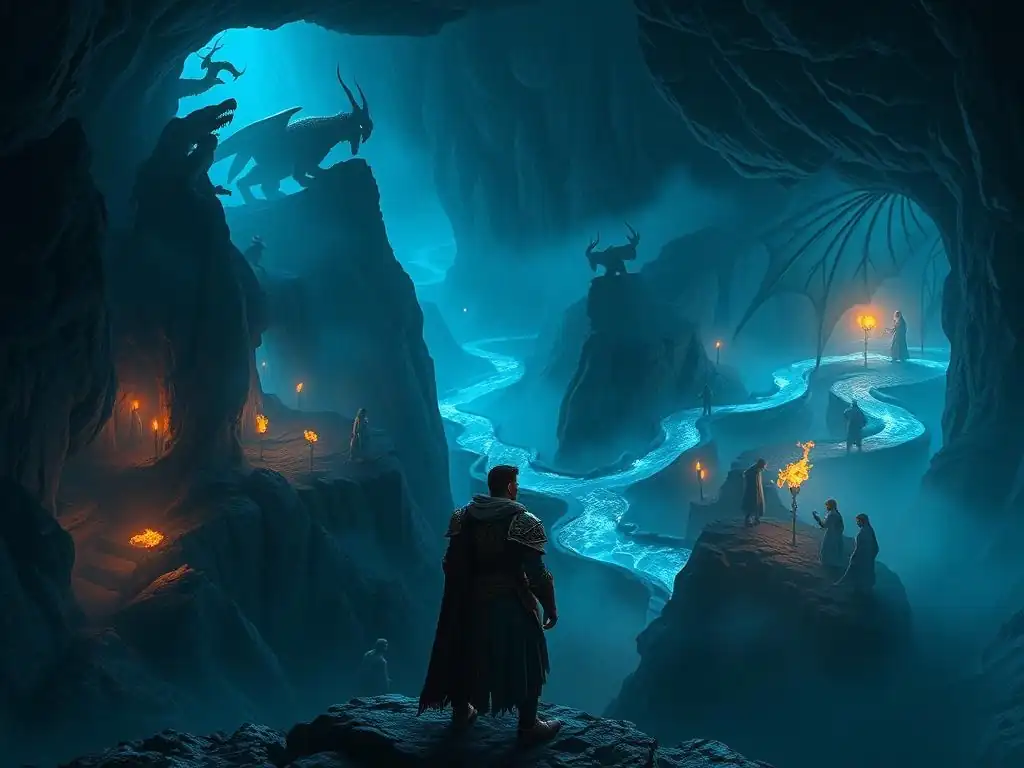
Welcome, curious traveler! Prepare to descend into the shadowy realms of legend. This isn't just a collection of stories; it's a journey to the heart of human imagination. Our Mythological underworlds exploration begins now, unearthing the secrets and symbolism hidden beneath the surface of ancient tales. What mysteries await in these forgotten landscapes? Dare to delve deeper…
- Unveiling the Mysteries: A Journey Through Mythological Underworlds Exploration
- Top 5 Virtual Tours for Mythological Underworld Exploration: Your Gateway to the Afterlife
- Maximizing Your Mythological Underworlds Exploration: Tips and Recommendations
- Conclusion: Embrace the Journey into the Realm of Mythological Underworlds
-
Frequently Asked Questions
- What are some common features found in mythological underworlds across different cultures?
- How do various mythological underworlds reflect the beliefs and values of their cultures?
- What are some of the dangers or challenges faced by heroes or mortals who venture into mythological underworlds?
- How have mythological underworlds influenced art, literature, and popular culture?
- What makes mythological underworlds exploration a relevant and engaging area of study today?
- Final Reflection: Echoes from the Depths, Whispers from Beyond
- Unveil Your Inner Mythmaker: Dive Deeper into Legendary Worlds!
Unveiling the Mysteries: A Journey Through Mythological Underworlds Exploration
Delving into the Realm of the Dead: Introduction to Underworld Mythology
Across cultures and continents, the concept of an underworld, a realm inhabited by the souls of the dead, persists as a fundamental element of mythology. These subterranean or hidden worlds serve not merely as final resting places but as complex landscapes reflecting a society's beliefs about death, judgment, and the afterlife.
From the gloomy depths of the Greek Hades to the vibrant, multi-layered Xibalba of the Mayan civilization, these mythological spaces are populated by deities, guardians, and the departed, each with their own roles and narratives. Exploring mythological underworlds offers profound insights into the human condition and our enduring fascination with what lies beyond life.
These realms often feature distinct geographical features, such as rivers to be crossed (like the Styx), challenging paths, and specific areas for different types of souls (e.g., Elysium for heroes, Tartarus for the damned). Rituals and beliefs surrounding death and the journey to the underworld heavily influenced ancient practices, from burial rites to the inclusion of grave goods intended to aid the soul on its perilous journey. The sheer diversity in these myths—some featuring harsh, inescapable domains, others offering possibilities for rebirth or transformation—highlights the varied ways humanity has contemplated mortality and the unknown.
Top 5 Virtual Tours for Mythological Underworld Exploration: Your Gateway to the Afterlife
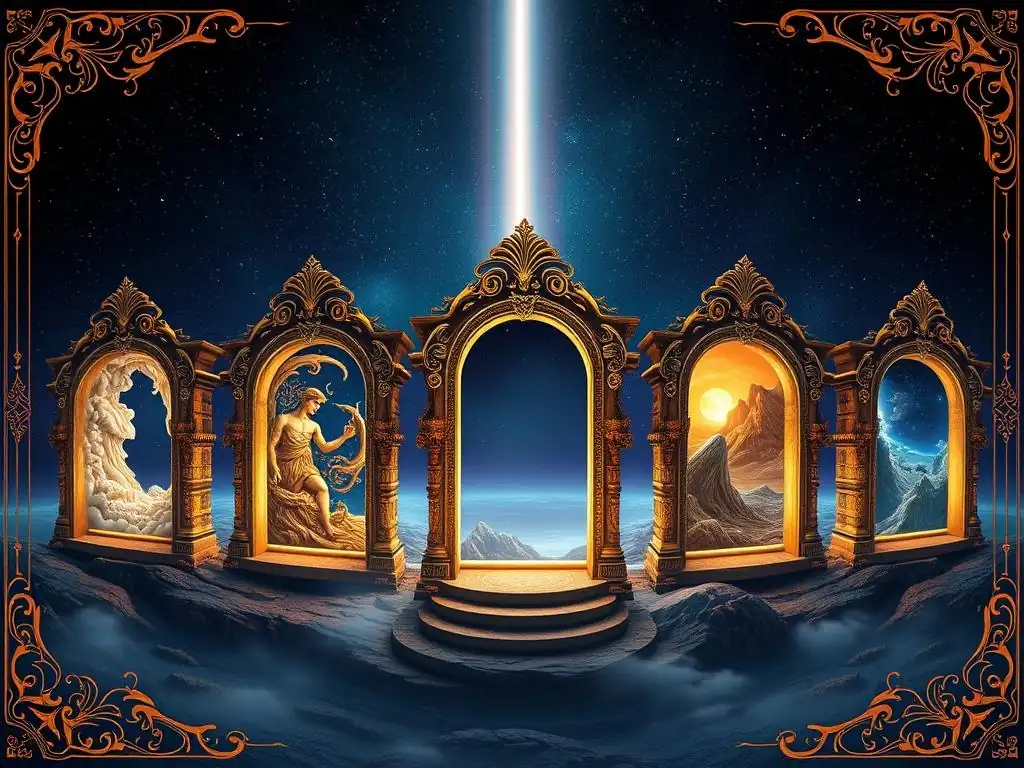
1. Orpheus's Descent: A Greek Underworld Virtual Tour
Exploring Hades: Key Features and Attractions of the Greek Underworld Tour
A virtual journey into the Greek underworld, Hades, typically begins at the banks of the River Styx. Users might interact with Charon, the ferryman, paying his toll (perhaps a simulation requiring a digital obol). The tour could then navigate through significant locations mentioned in myth, such as the Asphodel Fields, the dreary realm for ordinary souls, or the more distinct areas of Elysium, the paradise for heroes, and Tartarus, the pit of torment. Key figures like King Hades and Queen Persephone might be encountered, perhaps offering narrative insights into their domain.
Specific points of interest could include the Gates of the Underworld, guarded by the multi-headed dog Cerberus, or the palace of Hades. The tour might incorporate famous mythological episodes, like the trials of Sisyphus or Tantalus in Tartarus, offering glimpses into the eternal punishments meted out there. Such a mythological underworlds exploration tour aims to visually reconstruct these ancient descriptions, bringing the shadowy realm to life with environmental details and character representations based on classical art and texts.
Pricing and Packages: Choosing the Right Greek Underworld Exploration Option
Virtual tours often offer tiered pricing structures. A basic access package for the Greek underworld exploration might cost around $15-$25, providing a standard guided path through the main areas. A premium package, potentially priced between $30-$50, could include additional features like expert commentary on mythology, interactive elements allowing closer inspection of artifacts or locations, and perhaps access to side quests or alternative paths mentioned in myths, such as the path to the Islands of the Blessed within Elysium.
Group or educational licenses could offer discounted rates per user for multiple participants, useful for classrooms or study groups interested in this specific mythological underworlds exploration. Some platforms might also offer a subscription model, granting access to a library of tours, including this Greek descent, for a monthly fee, which might range from $10-$20 depending on the breadth of content offered. These structures aim to make the exploration accessible to different budgets and interests.
2. Journey to Xibalba: A Mayan Underworld Virtual Adventure
The Nine Levels of Xibalba: Navigating the Mayan Underworld Tour
Embarking on a virtual adventure through Xibalba, the Mayan underworld, means navigating its infamous nine levels, each ruled by specific deities known as the Lords of Xibalba. A tour would logically progress downwards, starting with the challenging trials of the upper levels, such as the House of Gloom, the House of Knives, or the House of Cold. Users might experience simulations of these trials, learning about the cunning required to survive the underworld's dangers, as depicted in the Popol Vuh, the Mayan creation epic.
The journey would delve deeper into the lower levels, encountering the principal Lords like One Death and Seven Death. The tour could highlight significant locations mentioned in the myths, such as the council place of the Lords or the ballcourt where the hero twins, Hunahpu and Xbalanque, famously triumphed. This mythological underworlds exploration provides a detailed walkthrough of the complex cosmology and challenging landscape of the Mayan death realm.
Understanding Mayan Cosmology: Expert Commentary and Historical Insights
To enrich the virtual exploration of Xibalba, tours often integrate expert commentary from Mayan scholars or cultural historians. This narrative layer provides crucial context, explaining the significance of the nine levels, the roles of the various Lords, and the profound cosmological beliefs of the Mayan people regarding life, death, and rebirth. Insights into the Popol Vuh, the primary source for understanding Xibalba, would be woven throughout the journey.
Historical insights could include information about Mayan burial practices, archaeological findings related to caves and cenotes (often considered entrances to the underworld), and the enduring legacy of these myths in contemporary Mayan culture. This commentary transforms the visual experience into an educational one, offering a deeper understanding of the cultural and religious framework surrounding this specific mythological underworlds exploration.
3. Egyptian Afterlife: A Virtual Tour Through Duat
The Journey of Ra: Experiencing the Egyptian Underworld Tour
A virtual tour through the Egyptian underworld, known as Duat, often follows the path of the sun god Ra during his nightly journey. This celestial voyage takes Ra, along with the soul of the deceased, through twelve hours or regions of the night, each presenting unique challenges and inhabitants. The tour would visually depict these regions, populated by protective and malevolent deities, spirits, and monstrous creatures.
A key highlight would be the Hall of Ma'at, where the Weighing of the Heart ceremony occurs. Users could witness a simulation of the heart of the deceased being weighed against the feather of truth by Anubis, with Thoth recording the verdict, and the monstrous Ammit waiting to devour unworthy souls. Other significant stops might include the fields of reeds (Aaru), the Egyptian paradise, or encounters with Osiris, the ruler of the underworld, and Isis. This mythological underworlds exploration provides a dynamic view of the Egyptian beliefs about judgment and the afterlife journey.
Unlocking Ancient Secrets: Interactive Elements and Hieroglyphic Deciphering
To enhance immersion in the Egyptian underworld tour, interactive elements can be integrated. Users might be able to click on hieroglyphs to see translations and explanations, offering insights into the spells and texts from the Book of the Dead intended to guide and protect the deceased. Interactive puzzles based on ancient Egyptian rituals or beliefs could also be included, testing the user's understanding of the journey through Duat.
Detailed 3D models of sarcophagi, tomb paintings, and religious artifacts relevant to the afterlife could be examined closely. Pop-up information windows could provide details on specific deities encountered, their roles in the underworld, and their iconography. This interactive approach makes the mythological underworlds exploration not just a passive viewing experience but an engaging educational endeavor.
4. Celtic Otherworld Exploration: A Virtual Visit to Annwn
Exploring Annwn: Discovering the Celtic Underworld Tour Features
A virtual visit to Annwn, the Celtic Otherworld (specifically the Welsh version), offers a different kind of mythological underworlds exploration. Annwn is often depicted not just as a realm of the dead but as a parallel dimension, a land of eternal youth, beauty, and abundance, ruled by figures like Arawn or Gwyn ap Nudd. A tour might focus on its magical landscape, featuring enchanted forests, crystal towers, and shimmering seas, quite distinct from the gloom of other underworlds.
Key features could include visiting the court of Arawn, perhaps witnessing the spectral hounds of Annwn, the Cŵn Annwn. The tour might explore locations associated with famous myths, such as the tale of Pwyll, prince of Dyfed, who traded places with Arawn for a year. The emphasis would be on the mystical and often ethereal nature of this realm, which is sometimes accessible through natural portals like caves, lakes, or burial mounds.
Immersive Storytelling: Experiencing Celtic Myths Through Virtual Reality
To truly convey the rich narrative tradition of Celtic mythology, an immersive virtual tour of Annwn would heavily rely on storytelling. Using voiceovers and animated scenes, the tour could recount key myths associated with the Otherworld, such as the abduction of Persephone-like figures or battles between earthly heroes and Annwn's inhabitants. The visual environment would change to reflect the events of the narratives.
The experience might utilize spatial audio to make mythological stories feel more immediate and impactful. Users could feel as though they are present during pivotal moments from Welsh legends, guided through the mystical landscape by the unfolding narrative. This approach to mythological underworlds exploration leverages the power of immersive technology to bring ancient oral traditions to life.
5. Norse Helheim: A Virtual Expedition to the Realm of the Dead
Navigating Helheim: Key Aspects of the Norse Underworld Tour
A virtual expedition to Helheim, the Norse realm of the dead ruled by the goddess Hel, would likely focus on its cold, dreary, and often bleak depiction in Norse myths. The journey might begin by crossing the river Gjöll or passing through the gates guarded by the giantess Móðguðr. The landscape would be characterized by icy plains, dark halls, and the sounds of the suffering within.
Key aspects of the tour could include visiting Hel's hall, Éljúðnir, and encountering the goddess Hel herself, depicted with her half-living, half-dead appearance. The tour would differentiate Helheim from Valhalla or Fólkvangr, emphasizing that this is primarily the destination for those who died of sickness or old age, not in battle. Descriptions of the suffering of oathbreakers and murderers in Nāströnd, within Helheim, could also be included, illustrating the Norse concept of punishment in the afterlife. This mythological underworlds exploration highlights the stark and often unforgiving nature of the Norse death realm.
Experiencing Viking Culture: Historical Context and Mythological Connections
To provide depth to the exploration of Helheim, a virtual tour would integrate historical context about Viking beliefs and deathways. Information could be shared about Norse burial practices, runestones mentioning the afterlife, and the importance of dying a 'good death' (often, a death in battle) to avoid Helheim. Connections between the myths of Helheim and the broader Norse cosmology, including the role of Niflheim (the realm of mist and ice) and the anticipation of Ragnarök, would be explained.
Expert commentary could discuss the primary sources for these myths, such as the Poetic Edda and Prose Edda, and how different accounts describe Helheim. Visuals might include reconstructions of Viking ships used as burial vessels or depictions of Norse funerary rituals. This blend of mythology and historical insight enriches the virtual mythological underworlds exploration, rooting the mythical realm in the cultural practices of the people who believed in it.
Maximizing Your Mythological Underworlds Exploration: Tips and Recommendations
Choosing the Right Virtual Tour: Factors to Consider
Selecting the ideal virtual tour for mythological underworlds exploration depends on several factors specific to your interests and technical setup. First, consider the cultural focus: are you most fascinated by Greek, Mayan, Egyptian, Celtic, Norse, or another mythology? Ensure the tour aligns with the specific underworld you wish to explore in depth. Second, evaluate the interactive features offered; some tours are more passive visual experiences, while others include puzzles, clickable information points, or narrative choices that enhance engagement.
Third, look into the historical accuracy and expert commentary. Tours that collaborate with archaeologists, historians, or mythologists often provide a more nuanced and reliable portrayal of the beliefs and contexts surrounding the underworld. Fourth, check user reviews and ratings to gauge the quality of the experience, the stability of the platform, and the clarity of the visuals and audio. Finally, consider device compatibility (PC, VR headset, mobile) and the cost relative to the content provided, opting for free trials or demos if available to test the experience before committing.
Enhance Your Experience: Recommended Books and Resources
To deepen your mythological underworlds exploration beyond the virtual tour, supplementing your experience with reliable external resources is highly recommended. Classic texts that serve as primary sources for these myths are invaluable, such as Homer's Odyssey (for the Greek Nekyia), the Egyptian Book of the Dead, the Mayan Popol Vuh, or the Norse Eddas. While potentially challenging to read directly, scholarly translations and analyses are widely available.
Academic books and articles focusing on comparative mythology, death studies, and the specific cultures you are exploring offer detailed analysis and context. Reputable museum websites (like the British Museum, the Metropolitan Museum of Art, or the Egyptian Museum) often have extensive collections related to death and the afterlife, providing images and information on relevant artifacts. Documentaries from trusted sources can also offer visual and narrative explanations of complex mythological concepts and archaeological findings related to underworld beliefs.
Conclusion: Embrace the Journey into the Realm of Mythological Underworlds
Frequently Asked Questions
What are some common features found in mythological underworlds across different cultures?
Many cultures depict the underworld as a place of darkness and shadows, often ruled by a powerful deity. It's frequently a realm of judgment and a destination for the souls of the dead.
How do various mythological underworlds reflect the beliefs and values of their cultures?
The characteristics of an underworld often mirror a culture's views on death, morality, and the afterlife. For example, a harsh underworld might reflect a strict moral code, while a more forgiving one suggests a more lenient view of transgressions.
What are some of the dangers or challenges faced by heroes or mortals who venture into mythological underworlds?
Common challenges include navigating treacherous landscapes, battling monstrous guardians, and facing trials or tests to prove their worth. Deception and manipulation from underworld deities are also frequent obstacles.
How have mythological underworlds influenced art, literature, and popular culture?
Underworld narratives have provided rich source material for countless artistic works, inspiring themes of redemption, loss, and the battle between good and evil. These themes resonate deeply in contemporary storytelling.
What makes mythological underworlds exploration a relevant and engaging area of study today?
Exploring these narratives allows us to understand how different cultures grappled with fundamental questions about life, death, and the human condition. It offers valuable insights into the power of storytelling to shape beliefs and values.
Final Reflection: Echoes from the Depths, Whispers from Beyond
The exploration of mythological underworlds isn't just a journey through ancient texts; it's a reflection of our own enduring fascination with the unknown, the liminal spaces between life and death, and the enduring power of myth in shaping our understanding of existence. These subterranean realms, whether the Greek Hades, the Egyptian Duat, or the Norse Hel, continue to resonate deeply within our collective consciousness, offering potent symbols of transformation, judgment, and the cyclical nature of life itself.
The enduring power of these myths lies not only in their narrative complexity but in their ability to mirror our own internal landscapes. They provide a framework for grappling with mortality, confronting our deepest fears, and ultimately, finding meaning in the face of the unknown. As Carl Jung famously stated, The way into the underworld is always through the self.
This journey, whether literal or metaphorical, forces us to confront our shadows and ultimately emerge transformed, much like the heroes who ventured into these mythical realms and returned with newfound wisdom and strength. The continued fascination with these stories speaks volumes about our ongoing need to explore these themes, to understand our place in the grand cosmic narrative.
Consider the impact of these narratives on your own life. What aspects of your own "underworld"—your fears, anxieties, or unresolved conflicts—resonate with the themes explored in these ancient myths? Take a moment to reflect on the power of storytelling, and how these timeless tales continue to shape our understanding of ourselves and the world around us. Perhaps, by engaging with these hidden worlds, we can better navigate our own journeys, finding strength and meaning in the face of life's inevitable challenges. Let the echoes from the depths guide you on your own path.
Unveil Your Inner Mythmaker: Dive Deeper into Legendary Worlds!
Thanks for exploring the fascinating depths of mythological underworlds with us! You've now unlocked a deeper understanding of these powerful narratives. Ready to take your journey further?
- Craft your own Underworld legend: Let your imagination run wild and create a story inspired by the realms we've explored. What creatures inhabit it? What challenges await the hero?
- Share your mythical musings: Discuss your favorite underworld creature or legend in the comments below – let's build a community of mythmakers!
- Sketch your vision of the Underworld: Bring your imaginative world to life through art – a quick doodle or a detailed masterpiece, it's all about exploring your creativity.
What hidden power within your own imagination awaits discovery?