
Afterlife of Kings vs. Commoners in Mesopotamia: Was There Equality in Death?

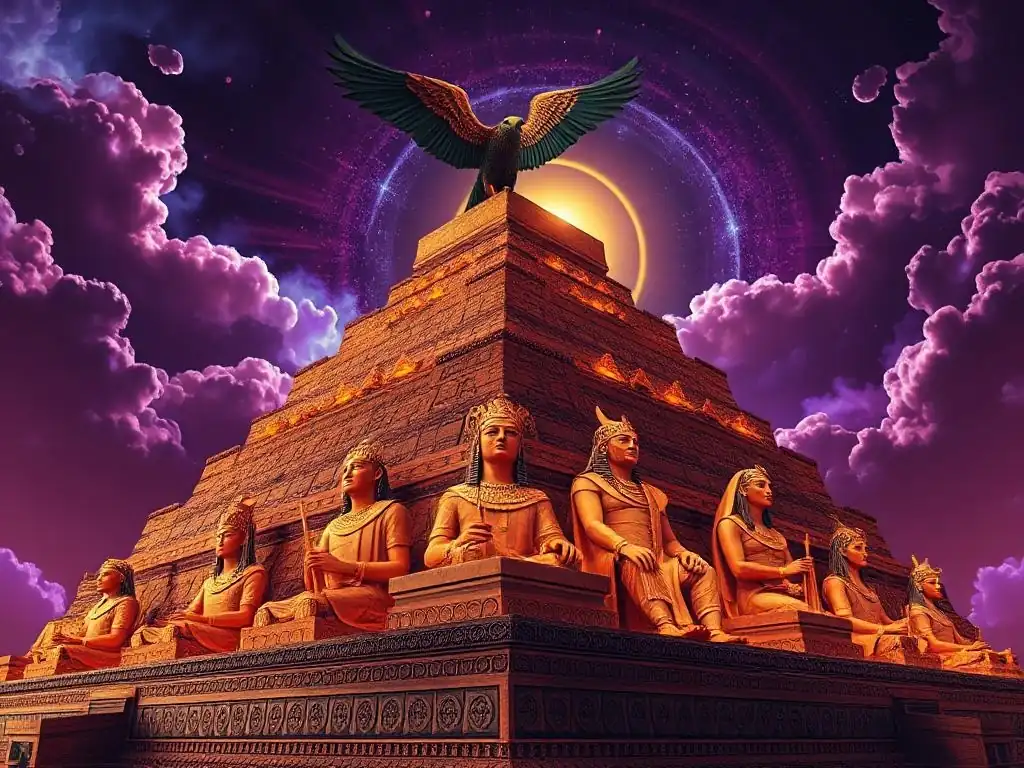
Welcome to Mythology and Legends, where we delve into the captivating narratives that have shaped cultures for millennia. Ever wondered what awaited us beyond the veil in ancient Mesopotamia? Prepare to journey into the shadowy depths of the Mesopotamian afterlife and uncover a fascinating truth: were there truly distinct social classes even in death? Explore the stark differences between the fate of kings and commoners in our latest article and discover a world of forgotten gods and age-old beliefs that still echo today.
The Significance of the Afterlife in Mesopotamian Culture
Mesopotamian beliefs about the afterlife were deeply intertwined with the fabric of daily life and social structure, though perhaps not in the way many modern cultures perceive it. Unlike some later traditions that emphasized judgment, reward, or punishment, the Mesopotamian afterlife, often referred to as the Kur or the "Land of No Return," was generally depicted as a grim, dusty realm beneath the earth. It was a place where the dead existed as shadowy figures, feeding on dust and clay.
This stark vision meant that the focus of religious and social practice was heavily oriented towards ensuring a good life on earth and, critically, ensuring proper burial and continued remembrance and sustenance for the deceased by their living descendants. The fear wasn't necessarily eternal damnation, but rather neglect, oblivion, or becoming a restless spirit ( etemmu) that could trouble the living.
This perspective profoundly influenced funerary practices and the perceived duties of the living towards the dead. Ensuring a proper burial, often with necessary grave goods, was paramount for safe passage to the underworld.
Furthermore, the continued performance of rituals, particularly the kispu (a ritual meal and libation offered to the ancestors), was considered essential for the well-being of the deceased's spirit in the afterlife. This dependency on the living highlights a fundamental aspect of Mesopotamian afterlife social classes: a spirit's comfort in the underworld was directly tied to the resources, status, and diligence of their surviving family or institution on earth, suggesting that social stratification didn't simply vanish at the threshold of death.
While the general description of the Mesopotamian underworld as a dreary place for all might suggest a form of equality in death, a closer examination of textual and archaeological evidence reveals nuances suggesting the persistence, or at least reflection, of earthly social distinctions in the afterlife. The concept of Mesopotamian afterlife social classes isn't about different destinations (like heaven or hell) based on earthly deeds, but rather about differing experiences or conditions within the single underworld realm, heavily influenced by status and wealth in life and the support structure left behind.
Evidence points to significant disparities in burial practices between kings, elites, and commoners. Royal tombs, such as those found at the Royal Cemetery of Ur dating back to the Early Dynastic period (circa 2600-2500 BCE), are famous for their incredible wealth, elaborate rituals, and even the controversial practice of retainer sacrifice, intended to accompany the ruler into the next life.
In stark contrast, commoners were typically buried in simple graves, sometimes within the floors of their homes or in communal cemeteries, with far fewer grave goods. These differences in earthly treatment and preparation strongly suggest that the Mesopotamians believed, or at least hoped, that earthly status and the resources dedicated to the deceased's transition and sustenance would impact their standing or comfort among the shades in the underworld, thus creating distinct Mesopotamian afterlife social classes.
- The Significance of the Afterlife in Mesopotamian Culture
- Mesopotamian Afterlife Social Classes: An Overview
- What was the general Mesopotamian view of the afterlife?
- Did Mesopotamian kings receive special treatment in the afterlife, according to mythology?
- How did the afterlife experience of commoners differ from that of kings in Mesopotamia?
- What role did burial rituals and offerings play in the Mesopotamian afterlife beliefs?
- Is there evidence to suggest that Mesopotamian society believed in equality in death, at least in the initial stages of the afterlife?
Frequently Asked Questions
What was the general Mesopotamian view of the afterlife?
The Mesopotamian afterlife, often called Kur, was generally seen as a dark and gloomy underworld. It was a place of shadowy existence where all souls, regardless of their earthly status, ended up.
Did Mesopotamian kings receive special treatment in the afterlife, according to mythology?
Yes, while all went to Kur, there is evidence suggesting kings received better treatment in the afterlife, possibly including more elaborate tombs and offerings, which helped them maintain a semblance of their earthly status.
How did the afterlife experience of commoners differ from that of kings in Mesopotamia?
Commoners likely experienced a more bleak and less comfortable existence in Kur. They lacked the luxuries and offerings afforded to royalty, essentially becoming forgotten shades.
What role did burial rituals and offerings play in the Mesopotamian afterlife beliefs?
Burial rituals and offerings were crucial for ensuring the deceased had sustenance and comfort in the afterlife. These practices helped the dead transition smoothly and avoid becoming restless spirits.
Is there evidence to suggest that Mesopotamian society believed in equality in death, at least in the initial stages of the afterlife?
While everyone went to Kur, the disparity in burial practices and offerings suggests a lack of equality. Kings retained some advantages, indicating a belief that social hierarchies extended beyond earthly life.
The stark realities of social hierarchy in ancient Mesopotamia, as reflected in funerary practices, continue to resonate today. We see a clear parallel in how societal power structures influence access to resources and opportunities, even in the face of death. The disparities between the elaborate tombs of kings and the simple burials of commoners serve as a chilling reminder of the enduring nature of inequality.
The exploration of Mesopotamian afterlife beliefs reveals a fascinating, and unsettling, truth about the persistence of social stratification across cultures and millennia. The very concept of an afterlife, seemingly a realm of equality, was still shaped by earthly hierarchies. The dead, like the living, were subject to the laws of society.
This quote, though not directly from a Mesopotamian source, encapsulates the enduring power of social structures, even in the face of death. It forces us to confront the uncomfortable reality that even in our conceptions of the afterlife, our biases and social structures persist.
Consider the implications of this research. How do our own societal structures influence our perceptions of death and the afterlife? What steps can we take to create a more equitable society, one where the echoes of mortality do not perpetuate the inequalities of life? I urge you to reflect on the enduring legacy of Mesopotamian social structures and consider how we can build a future where death, at the very least, offers a more level playing field.
Uncover the Secrets of Mesopotamian Afterlife!
Thanks for exploring the fascinating world of Mesopotamian death rituals and beliefs with us! You've gained valuable insights into the complexities of the afterlife for kings and commoners. Now, let's take your knowledge further:
- Dive deeper: Research specific deities associated with the Mesopotamian underworld and their roles in the afterlife. This could involve exploring lesser-known myths and funerary practices.
- Share your thoughts: What surprised you most about the differences (or similarities!) in how royalty and commoners were treated in death? Share your reflections in the comments below!
- Consider the broader implications: How do these beliefs reflect societal structures and values in ancient Mesopotamia?
What other ancient civilizations might have had similarly intriguing, or contrasting, beliefs about the afterlife?