
Rituals of Protection: Warding Off Evil in Folk Beliefs


Welcome to Mythology and Legends, where ancient stories come alive.
Ever wonder how our ancestors shielded themselves from the unseen? Delve into the fascinating world of protection rituals folklore beliefs and discover the enduring power of these practices in shaping cultures across the globe. Prepare to unravel the mysteries and uncover the secrets that lie within. What powerful talismans and whispered incantations held the key to safety? Let's explore.
- Rituals of Protection: Warding Off Harm in Cultural Beliefs
- Understanding Protection Rituals in Cultural Beliefs
- Common Types of Protection Rituals in Cultural Beliefs
- Protection Rituals Across Cultures: A Comparative Look
- The Enduring Relevance of Protection Rituals in Modern Culture
- Criticisms and Misconceptions about Protection Rituals
-
Frequently Asked Questions
- What are some common elements found in protection rituals across different cultures?
- How do folklore beliefs about evil spirits influence the performance of protection rituals?
- Why are protection rituals still practiced in modern society, despite advancements in science and technology?
- What is the role of amulets and talismans in folklore beliefs and protection rituals?
- How have protection rituals and associated folklore beliefs evolved over time?
- Final Reflection: The Enduring Power of Protective Rituals
- Unleash Your Inner Protector: Craft Your Own Ward!
Rituals of Protection: Warding Off Harm in Cultural Beliefs
Understanding Protection Rituals in Cultural Beliefs
The Significance of Protection Rituals in Traditional Societies
Protection rituals hold a profound significance across traditional societies globally, serving as cornerstones of cultural belief systems and practical daily life. These practices, deeply embedded in folklore and spiritual understanding, are employed to safeguard individuals, communities, and property from perceived dangers, whether these threats are physical, spiritual, or supernatural.
The reliance on protection rituals folklore beliefs highlights a fundamental human need for security and control in a world often seen as unpredictable and fraught with unseen forces. For centuries, these rituals have provided a framework for understanding and interacting with the environment, offering solace and a sense of agency against illness, misfortune, and malevolent entities.
These protective practices are not merely symbolic; they often involve tangible actions, objects, and verbal expressions passed down through generations. They reinforce social cohesion by uniting communities in shared beliefs and collective actions against perceived threats.
Historical records and anthropological studies indicate that in many cultures, a significant portion of daily life and seasonal ceremonies was dedicated to these warding activities. For instance, agricultural societies might perform rituals to protect crops from pests or blight believed to be caused by spirits, while coastal communities might conduct ceremonies to ensure safe passage at sea, emphasizing the pervasive nature of protection rituals folklore beliefs in shaping cultural responses to vulnerability.
Defining "Harm" in the Context of Cultural Protection
Within the framework of cultural protection rituals, "harm" is a broadly defined concept that extends far beyond physical injury. It encompasses a spectrum of negative occurrences, including illness, bad luck, financial ruin, social discord, natural disasters, and even spiritual contamination or possession. Cultures develop specific protection rituals folklore beliefs tailored to counter these varied forms of perceived harm. For example, a sudden illness might be attributed to an evil eye or a curse, prompting a cleansing ritual, while a failed harvest might be blamed on displeased spirits, necessitating appeasement ceremonies.
The definition of harm is intrinsically linked to a culture's cosmology and its understanding of the forces that govern existence. In many belief systems, harm is often personified as malevolent spirits, demons, witches, or sorcerers who actively seek to inflict suffering. Therefore, protection rituals are designed not just to passively defend but often to actively repel, neutralize, or bind these perceived agents of harm. Understanding this broad and often spiritually charged definition of harm is crucial to appreciating the complexity and purpose behind the diverse array of protection rituals folklore beliefs found around the world.
The Role of Cultural Narratives in Shaping Protection Rituals
Cultural narratives, including myths, legends, folktales, and historical accounts, play a pivotal role in shaping the form, function, and significance of protection rituals. These stories often explain the origins of perceived threats, detail the actions of heroes or deities who successfully ward off danger, and provide precedents or instructions for effective protective practices. For instance, a myth about a trickster spirit causing mischief might lead to specific rituals designed to confuse or deter that spirit, becoming part of the established protection rituals folklore beliefs of that community.
These narratives serve as a cultural blueprint, transmitting knowledge about potential dangers and the appropriate ritual responses across generations. They imbue the rituals with meaning and authority, reinforcing their necessity and efficacy within the community's worldview. A story about a specific amulet saving an ancestor from harm elevates that object's status as a powerful protective item. Thus, understanding the folklore and myths associated with a culture's protection rituals folklore beliefs is essential for comprehending the deeper cultural significance and practical application of these warding practices.
Common Types of Protection Rituals in Cultural Beliefs
Amulets and Talismans: Objects of Power
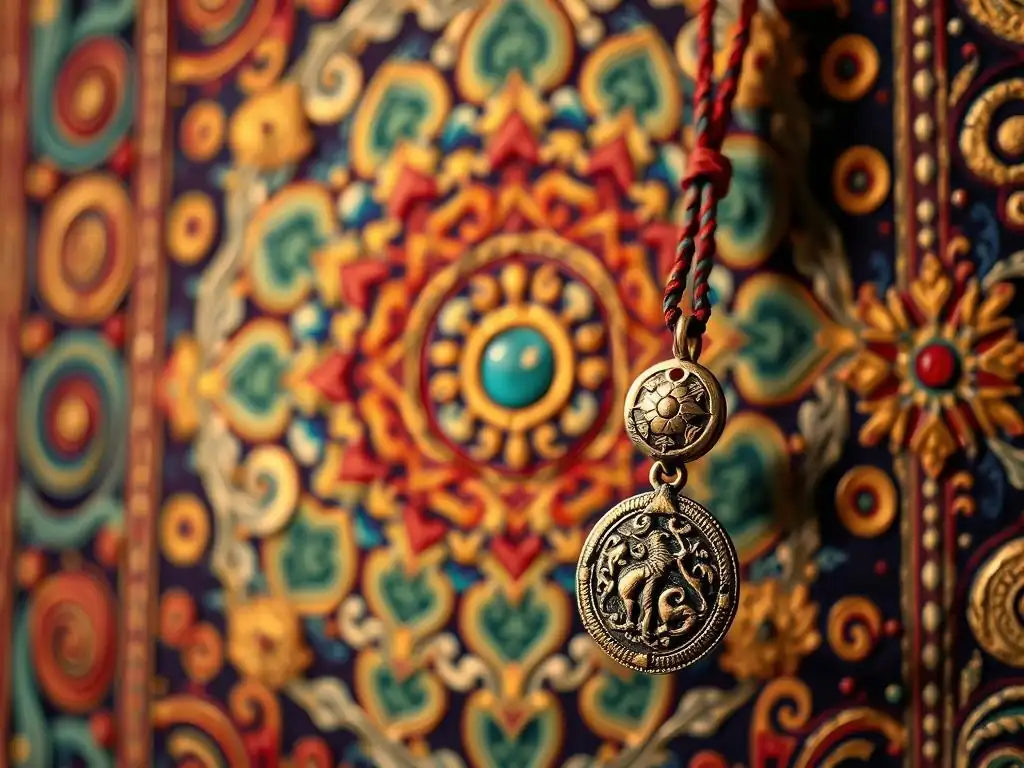
Amulets and talismans are among the most ubiquitous forms of protection rituals folklore beliefs across human history and cultures. These are objects, often small and portable, believed to possess inherent protective qualities or imbued with power through ritual consecration.
The distinction between amulet and talisman is sometimes blurred, but generally, an amulet is a naturally protective object (like a specific stone or tooth), while a talisman is an object specifically created or charged for a protective purpose (like an inscribed charm). Their widespread use speaks to a universal human desire to carry a tangible symbol of safety and warding against unseen dangers.
The power attributed to these objects stems from various sources: their material (e.g., iron's historical association with warding off spirits), their form (e.g., symbols representing deities or protective concepts), their origin (e.g., found objects considered lucky), or the rituals performed upon them. Wearing, carrying, or placing these items in homes or workplaces forms a core part of many protection rituals folklore beliefs, acting as a constant, passive defense against misfortune, evil eyes, illness, and other perceived harms. Archaeological evidence worldwide shows centuries-old examples of protective amulets buried with individuals or placed in foundations of buildings, underscoring their historical importance.
Creating and Consecrating Amulets
The creation and consecration of amulets are often intricate processes rooted in specific protection rituals folklore beliefs. Creation might involve crafting the object from particular materials at auspicious times, inscribing it with protective symbols, words, or prayers, and adhering to specific traditional designs. For example, certain Nordic protective runes needed to be carved into wood or metal using specific tools and accompanied by spoken incantations. The materials themselves are significant; silver is often associated with the moon and purity, iron with strength and warding, and certain stones with specific properties like grounding or protection from psychic attack.
Consecration involves imbuing the object with protective power through ritual. This can range from simple blessings or prayers to complex ceremonies involving altars, offerings, fumigation with protective herbs, or exposure to natural elements like moonlight or sunlight. The practitioner's intention and focus during consecration are considered paramount. In some traditions, the amulet must be 'activated' by chanting specific verses or performing a specific action. These processes transform a mere object into a potent tool within the system of protection rituals folklore beliefs, believed capable of actively deflecting or absorbing negative energies and influences.
Specific Amulets and Their Protective Properties (Hamsa Hand)
A widely recognized amulet with deep roots in multiple cultures is the Hamsa Hand, also known as the Hand of Fatima (in Islam) or the Hand of Miriam (in Judaism). This palm-shaped amulet, often featuring an eye in the center, is a potent symbol of protection against the evil eye – a malevolent glare believed to cause misfortune or injury.
While its precise origins are debated, archaeological findings suggest similar hand-shaped amulets existed in the ancient Near East. The Hamsa is commonly worn as jewelry, hung on walls, or placed in cars and homes across North Africa, the Middle East, and parts of Europe, demonstrating its enduring power within protection rituals folklore beliefs.
The protective properties attributed to the Hamsa are primarily focused on deflecting negativity and warding off envy and ill will directed at the wearer or owner. The eye symbol within the hand is often seen as watchful, capable of reflecting the evil eye back onto its source.
The hand shape itself is a universal symbol of power and strength, providing a barrier against harm. While its interpretation and specific associated rituals vary slightly between Jewish, Muslim, and Christian traditions, the core belief in its ability to provide divine or spiritual protection against misfortune remains consistent, making it a powerful example of a shared protective symbol across diverse cultural protection rituals folklore beliefs.
Protective Spells and Incantations
Protective spells and incantations represent the verbal component of protection rituals folklore beliefs, utilizing the perceived power of words, sounds, and focused intention to create a shield or ward off harm. Unlike tangible amulets, these rituals rely on recitation, chanting, or singing specific phrases or verses believed to possess inherent magical or spiritual force. The belief in the power of the spoken word is ancient and widespread, rooted in cosmologies where language itself might be seen as a creative or manipulative force.
These verbal rituals can range from simple, everyday phrases whispered for luck or safety to complex, lengthy incantations performed during elaborate ceremonies. Their efficacy is often believed to depend on the correct pronunciation, the speaker's conviction, the timing of the recitation, and sometimes the inclusion of other ritual elements like gestures or specific objects. Examples are found in magical texts, folklore collections, and oral traditions across the globe, illustrating the diverse ways cultures have harnessed the power of language within their protection rituals folklore beliefs to establish boundaries against perceived threats.
Verbal Rituals: The Power of Words
The power attributed to words in verbal protective rituals stems from the belief that language is not merely a tool for communication but can directly influence the spiritual or physical world. In many traditions, certain words, names of deities, or sacred verses are considered inherently potent. Reciting these can invoke protective entities, command negative forces to depart, or weave a protective barrier through sheer vocalization and focused will. The rhythm, tone, and repetition in chants or incantations are often designed to build energy or induce an altered state of consciousness conducive to the ritual's purpose.
These verbal rituals are a dynamic aspect of protection rituals folklore beliefs, often adaptable to specific situations. An incantation might be used to protect a newborn child, bless a new home, ward off illness during an epidemic, or shield a traveler on a dangerous journey. The act of speaking the protective words aloud externalizes the intention, giving it form and direction within the belief system. This focus on verbal expression highlights the deep-seated human conviction that focused thought, when given voice, can become a powerful tool for shaping reality and ensuring safety.
Examples of Protective Spells (Celtic Binding Spell)
An example of a protective verbal ritual can be found in various Celtic folklore traditions, often involving binding spells intended to restrict the movement or influence of harmful entities or individuals. While specific historical texts are rare and often fragmented, reconstructed or traditional folk practices describe incantations used to 'bind' negativity or malevolence. A simplified conceptual example from folklore might involve reciting verses while tying knots in a cord, with each knot representing a restriction placed upon the harmful force. The incantation would typically invoke protective powers or entities and state the intention clearly.
For instance, a traditional (or reconstructed based on folklore) Celtic binding spell might involve saying something akin to: "By earth, by sea, by sky, I bind the ill will that seeks to nigh. By root, by wave, by wind, I tie the harm before it can begin. [Name of threat, if known], your power wanes, bound by these words, held in these chains."
This would be repeated with focused intent, perhaps while tying three or nine knots in a red thread. This type of ritual exemplifies how specific words and actions are combined in protection rituals folklore beliefs to create a perceived barrier or constraint against spiritual or magical threats.
Cleansing Rituals: Purifying Spaces and Individuals
Cleansing rituals are fundamental protection rituals folklore beliefs aimed at removing perceived negative energies, spiritual contamination, or malevolent influences from people, objects, or spaces. The belief is that various forms of harm can leave behind residual 'dirt' or 'stain' in the spiritual or energetic sense, which must be purified to restore balance and safety. These rituals are often performed after periods of illness, conflict, death, or entry into a new space, acting as preventative measures against future harm by clearing away potential sources of trouble.
These practices utilize elements traditionally associated with purity and transformation, such as smoke, water, sound, or specific herbs. The act of cleansing is symbolic of washing away or dissipating negativity, creating a fresh start or a protected state. From the simple act of washing hands before a sacred task to elaborate ceremonies purifying an entire village, cleansing rituals are a pervasive and vital component of protection rituals folklore beliefs worldwide, reflecting a shared human understanding of the need for spiritual hygiene.
Smudging and Fumigation: Using Smoke
Smudging and fumigation are common forms of cleansing rituals that utilize smoke from burning specific herbs, resins, or wood. This practice is found in numerous cultures, including Indigenous American traditions (smudging with sage, cedar, or sweetgrass), European folk magic (burning rosemary or frankincense), and Asian practices (using incense). The smoke is believed to attach to negative energies or spirits and carry them away as it dissipates, effectively purifying the area or person. The specific herbs chosen are often those traditionally associated with cleansing, protection, or spiritual connection.
In a typical smudging ritual within some Indigenous American traditions, dried sage bundles are lit and the smoke is wafted over a person's body, around a room, or over objects using a feather or hand. The intention is spoken aloud, focusing on clearing away negative thoughts, energies, or entities. The ritual is performed with respect and mindfulness, acknowledging the spiritual properties of the plants used. This practice is a powerful example of how natural elements are incorporated into protection rituals folklore beliefs to achieve spiritual purification and warding.
Water Rituals: Baths and Sprinkling
Water is another element widely used in cleansing and protection rituals folklore beliefs, symbolizing purity, life, and transformation. Ritual baths are common in many traditions, from mikveh in Judaism to various forms of spiritual bathing in African, Asian, and European folklore. These baths are intended to wash away spiritual impurity, bad luck, or the effects of negative encounters. The water might be infused with salt, herbs, or other substances believed to enhance its cleansing or protective properties.
Sprinkling water, particularly holy water or water infused with protective herbs or blessed in a specific way, is also a common practice. Homes, objects, or individuals might be sprinkled to purify them or create a protective barrier. For example, in some European folk traditions, doorways and windows might be sprinkled with salted water to prevent malevolent spirits from entering. The act of sprinkling is seen as casting a fine mist of protective energy or purity over the area, reinforcing the boundaries against perceived harm within the system of protection rituals folklore beliefs.
Boundary Rituals: Creating Sacred Spaces
Boundary rituals are an essential category of protection rituals folklore beliefs focused on defining and strengthening the perimeters of a protected space, whether it's a home, a village, a ritual circle, or even a personal energetic field. The belief is that malevolent forces or negative energies often target vulnerable points, such as doorways, windows, or the edge of a property. By ritually marking and empowering these boundaries, one creates a secure zone resistant to penetration by unwanted influences.
These rituals often involve placing protective objects at entry points, drawing lines or circles, or performing actions that symbolically reinforce the separation between the protected space and the potentially dangerous outside world. The act of creating a defined, sacred space is a fundamental human way of establishing order and safety in a chaotic or threatening environment. These practices highlight the importance of physical and energetic boundaries within the framework of protection rituals folklore beliefs.
Warding Off Harm at Thresholds
Thresholds – doorways, windows, gates – are considered particularly vulnerable points in many protection rituals folklore beliefs. They are the liminal spaces between the inside (safe, known) and the outside (potentially dangerous, unknown). Consequently, many rituals are specifically designed to protect these entry points. Examples include placing iron objects (like horseshoes or nails) above doorways, hanging protective amulets or charms, painting doorframes with specific colors or symbols, or burying protective items under the doorstep.
In some traditions, specific actions are performed when crossing a threshold, such as stepping over it with the right foot first, or pausing to say a protective prayer. These practices are intended to prevent negative entities or bad luck from entering the protected space. The focus on thresholds underscores the strategic nature of protection rituals folklore beliefs, targeting the points of perceived weakness to establish a comprehensive defense.
Creating Protective Circles and Boundaries
Creating protective circles or boundaries is a ritual practice found in various magical and spiritual traditions. A protective circle, often drawn on the ground with salt, chalk, or other substances, or simply visualized, is intended to create a temporary, highly charged sacred space that wards off external influences and contains energy within. These circles are commonly used in ceremonial magic, pagan rituals, and some forms of folk magic as a primary method of ensuring the safety of the practitioners during rituals that might involve invoking or interacting with spiritual entities.
Beyond temporary circles, boundary rituals can involve permanently marking the limits of a property. This might include burying protective items at the four corners of a land plot, planting specific protective plants along the border, or walking the perimeter while performing a cleansing or blessing ritual. These actions establish a perceived energetic or spiritual barrier around the area, reinforcing the protection rituals folklore beliefs that the space is safeguarded against intrusion by harmful forces.
Protection Rituals Across Cultures: A Comparative Look
Protection rituals folklore beliefs manifest in incredibly diverse ways across the globe, reflecting the unique histories, environments, and cosmologies of different cultures. While the underlying goal of warding off harm is universal, the specific threats perceived and the methods employed to counter them vary significantly. Comparing these practices reveals both common threads in human psychology and the distinct cultural expressions of the desire for safety.
Examining protection rituals folklore beliefs from different continents highlights how geographical location, historical interactions, and dominant religious or spiritual systems shape the specific forms these rituals take. For instance, beliefs about malevolent spirits might lead to warding rituals involving specific herbs known locally, while fears of curses passed between people might result in complex counter-magic practices. This comparative approach enriches our understanding of the depth and breadth of human protective strategies embedded in folklore.
European Beliefs: Warding Against Malevolent Entities
European folklore is rich with protection rituals folklore beliefs primarily focused on warding against malevolent entities such as witches, demons, ghosts, fairies (often perceived as capricious or dangerous), and the evil eye. Historical records from the Middle Ages through the early modern period detail widespread practices aimed at safeguarding homes, livestock, and individuals from these perceived threats. Common methods involved using specific materials believed to repel evil, such as iron, salt, and certain herbs like garlic or rue.
Beliefs about specific vulnerable times, such as crossroads at midnight or during liminal periods like births or deaths, also shaped ritual practices. For example, burying protective charms at crossroads was a documented folk practice in some regions, intended to trap or ward off spirits. The focus on specific entities and vulnerable locations characterizes many European protection rituals folklore beliefs, emphasizing active defense against personified sources of harm.
Specific European Protection Rituals (Iron Horseshoes)
A classic example of European protection rituals folklore beliefs is the use of iron horseshoes for protection. Iron has long been associated with its ability to ward off spirits and magical harm in many cultures, possibly due to its strength and its use in weapons and tools that shaped the human environment. Horseshoes, specifically, became potent symbols, perhaps due to their association with horses (creatures often seen as powerful and connected to the spiritual world in folklore) or their shape resembling a crescent moon or a protective arch.
Hanging a horseshoe above a doorway, typically with the open end facing upwards (like a cup to catch luck, or downwards to shower luck upon those entering, depending on regional variation), was a widespread practice across Britain and continental Europe for centuries. It was believed to prevent witches, fairies, and other malevolent beings from entering the home. While the practice has faded in daily life, the image of the horseshoe as a symbol of luck and protection remains deeply ingrained in Western culture, a testament to the enduring legacy of these protection rituals folklore beliefs.
Asian Beliefs: Protection from Negative Energies
In many Asian cultures, protection rituals folklore beliefs often focus on maintaining balance and harmony, warding off not just specific malevolent entities but also diffuse negative energies, bad luck (sha qi in Feng Shui), and spiritual pollution. Practices rooted in Buddhism, Taoism, Shinto, and various animistic traditions incorporate rituals aimed at purifying spaces, appeasing spirits, and attracting positive energy (qi or ki). The emphasis is often on creating an environment where harm cannot thrive rather than solely confronting external threats.
Feng Shui principles in China, for example, involve arranging living spaces to optimize the flow of positive energy and deflect negative influences, incorporating elements like mirrors, specific colors, and symbolic objects for protection. In Japan, Shinto shrines often perform purification rituals (oharai) involving waving a wand (haraigushi) to cleanse people or objects of spiritual impurity. These practices highlight a view where protection is achieved through harmonious interaction with the environment and the spiritual world, a key aspect of many Asian protection rituals folklore beliefs.
Specific Asian Protection Rituals (Salt Piles)
The use of salt as a protective agent is a common practice across many Asian protection rituals folklore beliefs, particularly in Japan and China. Salt is considered a purifying substance capable of driving away negative energies and spirits. In Japan, small conical piles of salt (morijio) are traditionally placed outside the entrance of restaurants, businesses, and homes. This practice is believed to ward off evil spirits and attract good fortune and customers. The salt is typically replaced regularly, often daily or weekly.
Similarly, in Chinese tradition, salt can be used in cleansing rituals or placed strategically to absorb negative energy. Throwing salt over one's shoulder after an unpleasant encounter is also a folk practice found in various cultures, including some in Asia, symbolizing the expulsion of lingering negativity. These simple yet potent uses of salt demonstrate how readily available substances are integrated into protection rituals folklore beliefs to provide accessible and effective warding against unseen harmful forces.
African Beliefs: Protection from Curses and Spiritual Attacks
African protection rituals folklore beliefs are incredibly diverse, reflecting the continent's vast array of cultures and spiritual systems. However, a common focus is protection from human-directed harm, such as curses, hexes, and witchcraft, as well as safeguarding against malevolent spirits and ensuring the favor of ancestors or deities. Rituals often involve the use of specific herbs, animal parts, concoctions, amulets (gris-gris or juju), and performances involving dance, music, and spirit possession.
Many African protection practices are deeply integrated with traditional healing systems and social structures. A diviner or spiritual leader might be consulted to identify the source of harm and prescribe a specific ritual or protective charm. The emphasis on protection from human-caused spiritual attacks highlights the strong belief in interpersonal spiritual influence within many African protection rituals folklore beliefs.
Specific African Protection Rituals (Wearing Waist Beads)
Wearing waist beads is a traditional practice in many West African cultures that serves multiple purposes, including adornment, rites of passage, and also protection. While their specific meaning varies by culture and region, waist beads are often imbued with protective properties through ritual or the inclusion of specific charms or beads. They are sometimes worn discreetly under clothing, acting as a private shield against negative energy, evil eyes, or spiritual harm directed at the wearer.
In some traditions, specific beads or colors are chosen for their protective qualities, and the process of gifting or receiving waist beads can be accompanied by blessings or protective incantations. For example, certain beads might be believed to ward off jealousy or attract benevolent spirits. This practice illustrates how personal adornment can be transformed into a powerful form of protection rituals folklore beliefs, offering a constant layer of defense for the individual.
Indigenous American Beliefs: Protection from Unbalanced Energies
Indigenous American protection rituals folklore beliefs are deeply connected to the natural world and the concept of maintaining balance and harmony within the cosmos. Harm is often understood as a result of imbalance – between humans and nature, between individuals, or within a person's own spirit. Protection rituals therefore aim to restore balance, purify individuals and spaces, and connect with benevolent spirits or the power of the elements for safeguarding. Practices include smudging (as mentioned earlier), sweat lodge ceremonies, protective dances, and the creation and use of sacred objects like medicine bundles and shields.
The emphasis is often on holistic well-being, where physical, mental, and spiritual health are interconnected. Protection is not just about warding off external threats but also about cultivating internal strength and maintaining right relationships with the world. The use of sacred geometry and symbols, derived from visions or traditional knowledge, is also common in creating protective items and spaces within Indigenous American protection rituals folklore beliefs.
Specific Indigenous American Protection Rituals (Medicine Wheel)
The Medicine Wheel (also known as the Sacred Hoop) is a powerful symbol and physical construction used by various Indigenous American tribes for spiritual and protective purposes. While not solely a protection ritual, engaging with the Medicine Wheel often involves practices aimed at healing, balancing energies, and seeking protection and guidance. The wheel represents the interconnectedness of all life and the various paths one can take. Its structure, often oriented to the four cardinal directions, incorporates elements, colors, and animal spirits associated with those directions, each holding significance in maintaining universal balance.
Participating in ceremonies around a Medicine Wheel can involve prayers, offerings, and meditations focused on restoring harmony and seeking protection from imbalances that can lead to harm. Building a personal or community Medicine Wheel can also be a protective act, creating a sacred space grounded in traditional wisdom and connection to the earth. The Medicine Wheel, therefore, serves as both a map of the cosmos and a tool for engaging in protection rituals folklore beliefs aimed at ensuring well-being through balance and spiritual connection.
The Enduring Relevance of Protection Rituals in Modern Culture
Despite advancements in science and shifts away from traditional belief systems in many parts of the world, protection rituals folklore beliefs continue to hold relevance in modern culture. While perhaps not always practiced in their original forms or with the same literal interpretations, elements of these rituals persist, adapt, and even re-emerge in new contexts. This enduring presence speaks to the deep psychological and social functions these practices fulfill, addressing fundamental human needs for security, control, and meaning.
In contemporary society, one can observe the continuation or adaptation of these practices in various forms, from carrying 'lucky' charms to engaging in spiritual cleansing practices or seeking protection through new age or alternative spiritual methods. The continued interest in and practice of protection rituals folklore beliefs highlight that even in a technologically advanced world, there remains a space for symbolic action and belief in unseen forces that influence well-being and safety.
The Psychology Behind Belief in Protection Rituals
The belief in protection rituals folklore beliefs is deeply intertwined with human psychology. In a world where much is beyond individual control, these rituals offer a sense of agency and predictability. Performing a ritual, whether carrying an amulet or reciting a spell, provides a concrete action that addresses anxiety about potential threats. This action, regardless of its objective efficacy, can reduce stress and increase feelings of security, contributing to a positive feedback loop where the ritual is perceived as effective because it alleviates the feeling of vulnerability.
Furthermore, these beliefs are often reinforced by anecdotal evidence and cultural transmission. Stories of rituals 'working' are shared and remembered, strengthening the belief system. The communal aspect of many traditional protection rituals folklore beliefs also plays a significant psychological role, fostering social cohesion and providing collective support in facing fears. This shared belief validates individual experiences and reinforces the perceived power of the rituals within the community.
How Protection Rituals Provide Comfort and Control
One of the primary functions of protection rituals folklore beliefs is to provide comfort and a sense of control in the face of uncertainty and fear. When confronted with potential harm – illness, accidents, financial loss, or the unknown – individuals often feel powerless. Performing a protection ritual offers a structured way to respond to these anxieties. It provides a tangible action to take, a script to follow, which can be inherently comforting. This action channels diffuse anxiety into a focused, purposeful activity.
The sense of control comes from the belief that one is actively doing something to influence outcomes, even if that influence is perceived as spiritual or energetic rather than physical. By wearing an amulet, cleansing a space, or reciting a protective verse, an individual feels they are erecting a barrier or invoking assistance, thereby regaining a measure of control over potentially threatening circumstances. This psychological benefit is a key reason why protection rituals folklore beliefs have persisted through millennia, offering solace and empowerment across diverse cultures.
The Adaptation of Protection Rituals in Contemporary Society (Carrying Crystals)
Traditional protection rituals folklore beliefs have adapted and evolved in contemporary society, often taking on new forms or being integrated into modern spiritual and wellness practices. While belief in specific folklore entities might have waned for some, the underlying human need for protection persists. This is evident in the popularity of practices like carrying crystals for protection, a modern adaptation of the ancient use of amulets and stones.
Many people today carry crystals such as black tourmaline, obsidian, or amethyst, believing they can absorb or deflect negative energy, provide grounding, or offer psychic protection. This practice mirrors the traditional belief in the inherent protective properties of certain natural objects, but is often framed in terms of energy fields, vibrations, or personal well-being rather than explicitly warding off witches or spirits. This adaptation demonstrates how the core principles of protection rituals folklore beliefs – using symbolic objects for warding – continue to find expression in contemporary cultural practices, albeit with updated interpretations and contexts.
Criticisms and Misconceptions about Protection Rituals
Like any belief system rooted in folklore and spirituality rather than empirical science, protection rituals folklore beliefs are often subject to criticism and misconceptions. Skepticism is common, viewing these practices as mere superstition, irrational fears, or placebo effects. While a critical perspective is valuable, dismissing these rituals outright ignores their significant cultural, historical, and psychological roles.
Understanding the context, purpose, and belief systems behind these rituals is crucial to addressing criticisms and dispelling misconceptions. Many misunderstandings arise from taking the literal interpretation of folklore beliefs out of their cultural framework or failing to recognize the symbolic and psychological functions these practices serve within their communities.
Addressing Common Myths About Cultural Protection Beliefs
One common myth about protection rituals folklore beliefs is that they are solely primitive or irrational practices of the past with no place in modern thought. This ignores the fact that elements of protective ritual behavior persist even in highly secular societies (e.g., knocking on wood, crossing fingers). It also overlooks the complex cosmologies and sophisticated understandings of the world that often underpin traditional belief systems. These rituals were rational responses within their specific cultural and historical contexts, addressing perceived threats that were very real to the people who believed in them.
Another misconception is that all protection rituals are intended to cause harm to others (like counter-curses). While some practices might involve deflecting harm back to its source, the primary focus of most protection rituals folklore beliefs is on safeguarding oneself, one's family, or one's community. They are fundamentally about defense and security, not aggression, although the line can sometimes be blurred in folklore narratives.
The Importance of Respect and Ethical Considerations
When discussing or observing protection rituals folklore beliefs, it is paramount to approach them with respect and ethical consideration. These practices are often deeply sacred to the communities who hold them, tied to their identity, history, and spiritual well-being. Treating them as mere curiosities or superstitions is disrespectful and can perpetuate harmful stereotypes.
Ethical considerations also arise when discussing or attempting to practice rituals from cultures that are not one's own, particularly those from marginalized or Indigenous communities. Many traditional protection rituals folklore beliefs are closed practices, meant only for members of that specific culture or lineage, and sharing or appropriating them can be harmful. Respecting intellectual and spiritual property rights, understanding the context, and avoiding cultural appropriation are essential when engaging with these topics.
Distinguishing Between Protection Rituals and Superstition
Distinguishing between protection rituals folklore beliefs and mere superstition can be complex, as the line is often subjective and depends on one's perspective. From an academic standpoint, superstition is often defined as a belief or practice resulting from ignorance, fear of the unknown, trust in magic or chance, or a false conception of causation. Many protection rituals, when viewed from outside the belief system, might fit this definition.
However, within their cultural context, these rituals are often integrated into a coherent worldview, supported by narratives, social structures, and a shared understanding of reality. They serve vital social, psychological, and spiritual functions. While an external observer might label knocking on wood as superstition, within a specific cultural framework, it might be an ingrained, almost automatic protection ritual folklore belief – a small, habitual action intended to ward off tempting fate after boasting. The distinction often lies less in the action itself and more in the depth of the underlying belief system and its cultural significance.
Frequently Asked Questions
What are some common elements found in protection rituals across different cultures?
Many rituals involve the use of symbols of power such as amulets or talismans, the invocation of protective deities or spirits, and the creation of physical barriers like circles or wards.
How do folklore beliefs about evil spirits influence the performance of protection rituals?
Beliefs about the specific nature and vulnerabilities of evil spirits directly shape the materials used and the actions performed in the ritual to effectively counter them. These practices are often passed down through generations.
Why are protection rituals still practiced in modern society, despite advancements in science and technology?
Many people find comfort and a sense of control over uncertainty through these rituals. They offer a psychological benefit, addressing anxieties that science may not fully alleviate.
What is the role of amulets and talismans in folklore beliefs and protection rituals?
Amulets and talismans are believed to possess inherent power to ward off evil. Their effectiveness relies on the belief of the wearer and the specific properties attributed to the object in folklore.
How have protection rituals and associated folklore beliefs evolved over time?
While core elements often remain, rituals adapt to incorporate new cultural influences and address contemporary fears. The interpretation of symbols can also shift over time.
Final Reflection: The Enduring Power of Protective Rituals
The ancient need for protection remains deeply ingrained in the human psyche, manifesting today in diverse forms, from anxious checking of locks to the widespread popularity of protective amulets. While the specifics of ritual may vary across cultures and time periods, the underlying human desire to ward off harm and uncertainty persists, echoing through the ages. This enduring need speaks to a fundamental vulnerability we all share, a vulnerability that transcends technological advancements and societal shifts.
The exploration of protective rituals in folklore reveals a fascinating tapestry of beliefs and practices, woven from the threads of fear, hope, and the enduring human spirit. These rituals, far from being relics of a bygone era, continue to shape our understanding of risk, resilience, and the power of belief. They offer a powerful lens through which to examine our own anxieties and coping mechanisms. The fear of the unknown is the beginning of wisdom,
a saying that resonates deeply with the core of protective rituals, highlighting the human need to understand and control the unpredictable forces of life.
Consider the rituals you personally employ, whether consciously or unconsciously, to navigate uncertainty. Do you carry a lucky charm? Do you perform specific actions before embarking on a challenging task? Take a moment to reflect on these personal practices and consider their connection to the broader history of protective rituals explored in this article. By understanding the historical and cultural context of these practices, we can gain a deeper appreciation for the enduring human need for security and the powerful role of ritual in providing solace and a sense of control in a world often beyond our grasp.
Unleash Your Inner Protector: Craft Your Own Ward!
Thanks for exploring the fascinating world of protective rituals and folk beliefs! We hope you gained a deeper understanding of the power of tradition and symbolism. Now it's time to put that knowledge to work.
Here's how you can take the next step:
- Design your own personal ward: Using the principles discussed, create a physical object – a charm, a drawing, even a specific arrangement of objects – that embodies your own personal protection. Let your creativity flow!
- Share your creation: Post a picture of your ward on social media (using #MythologyAndLegendsWard) and inspire others to create their own!
- Explore further: Delve deeper into the specific traditions mentioned in the article that resonate with you. There's a wealth of knowledge waiting to be discovered.
What unique element will you incorporate into your personal ward to make it truly yours?