
How Technology is Changing How We See Myths

Welcome, seeker of ancient echoes!
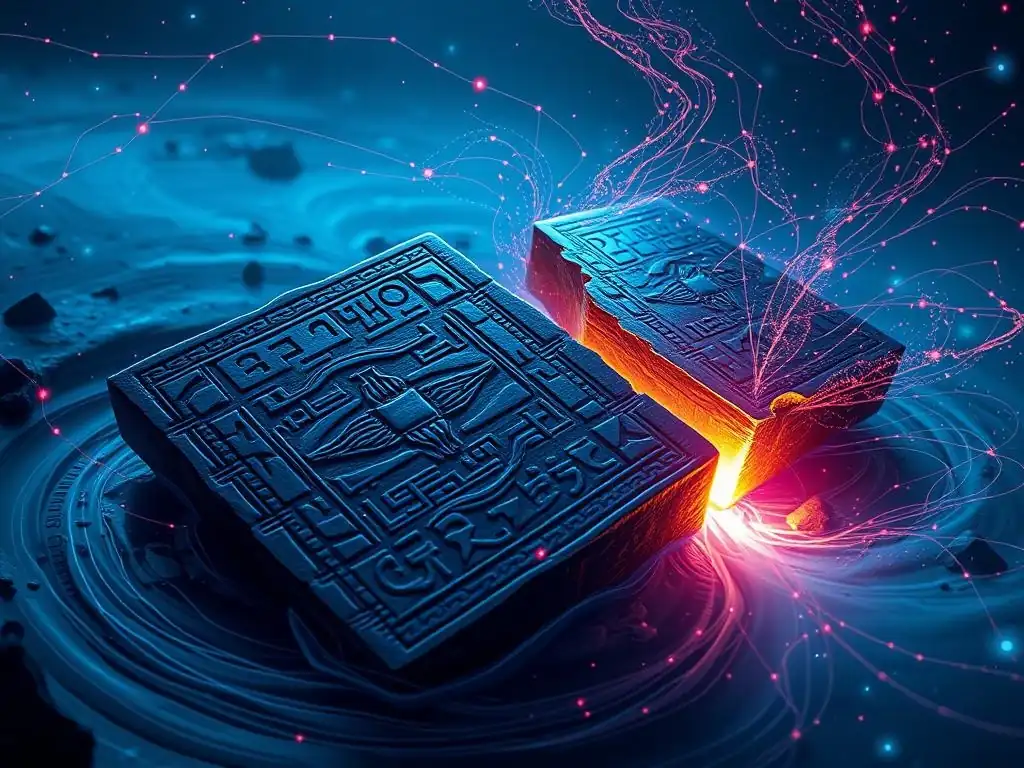
Prepare to journey beyond the familiar shores of folklore and legend. Dive into the heart of Mythology and Legends where we unravel the timeless power of narratives from every corner of the globe. Are you ready to witness a fascinating collision of old and new? Our latest exploration delves into how technology is reshaping ancient myths, offering a fresh perspective on these enduring stories. Discover how digital landscapes are transforming our understanding of the past, and ask yourself: Are these just new interpretations, or something more profound?
- Technology Reshaping Ancient Myths: A Modern Interpretation
- The Impact of Technology on Mythological Storytelling
- How Technology is Changing Access to Myths and Legends
- Technology's Influence on the Interpretation of Myths
- Addressing Misconceptions and Challenges
- Case Studies: Technology in Action
- The Future of Myths in a Technological World
- Conclusion: Technology as a Tool for Understanding and Appreciating Myths
-
Frequently Asked Questions
- How is technology impacting the accessibility of ancient myths?
- In what ways is technology changing how we interpret ancient myths?
- Can technology help preserve ancient myths for future generations?
- How are modern adaptations of ancient myths using technology?
- Does technology risk distorting or misrepresenting ancient myths?
- Final Reflection: Reimagining the Gods in the Digital Age
- Unveil Your Own Mythological Journey!
Technology Reshaping Ancient Myths: A Modern Interpretation
Introduction: Mythology and Legends in the Digital Age
Mythology and legends have been cornerstones of human culture for millennia, serving as vehicles for history, morality, and explanations of the world. Passed down through oral traditions, written texts, and artistic expressions, these narratives have always adapted to the mediums of their time. Today, we find ourselves in a digital era, where technology is not merely a new medium but a transformative force, actively technology reshaping ancient myths and influencing how they are accessed, understood, and retold.
The advent of the internet, digital archives, interactive media, and artificial intelligence presents both unprecedented opportunities and unique challenges for the study and appreciation of mythology. This technological shift is fundamentally altering our relationship with these ancient stories, making them more accessible globally while simultaneously introducing new ways to interpret and interact with them. Understanding this dynamic is crucial for anyone interested in the enduring power of myths and legends in the 21st century.
The Impact of Technology on Mythological Storytelling
Digital Archives and the Preservation of Ancient Narratives
One of the most significant contributions of technology reshaping ancient myths is in their preservation. Digital archives are revolutionizing how ancient texts, fragile manuscripts, and historical records containing myths and legends are stored and accessed.
Projects like the Internet Archive's collection of historical texts or university initiatives to digitize rare books ensure that copies of foundational mythological works, some dating back centuries or even millennia, are available far beyond the physical confines of libraries and museums. For instance, the digitization efforts around texts like the Egyptian Book of the Dead papyri or various versions of the Kalevala make these cultural treasures accessible to researchers and enthusiasts worldwide, preventing loss due to decay or disaster.
Furthermore, these digital repositories often include metadata and search functionalities that were previously impossible with physical collections. Users can search for specific keywords, phrases, or even compare different versions of the same myth across various cultures and time periods with relative ease.
The sheer volume of information becoming digitally available is staggering; major institutions like the British Library and the Library of Congress have digitized millions of pages, including countless mythological and folklore texts, creating vast digital libraries that support scholarly research and public interest on an unprecedented scale. This digital preservation is a vital step in ensuring that ancient narratives survive and remain relevant.
Interactive Storytelling: Engaging with Myths Through Technology
Technology allows for a shift from passive reception to active engagement with mythological narratives through interactive storytelling formats. Websites, apps, and digital platforms are being developed that let users explore myths not just as linear stories but as branching narratives or interactive experiences. Imagine a digital journey through the Twelve Labors of Heracles where the user makes choices that influence the outcome, or an app that allows exploration of the Norse Nine Worlds with clickable points revealing detailed lore.
These interactive formats can deepen understanding and engagement, particularly for younger audiences. Educational games, interactive e-books, and online exhibits that use decision-making trees or puzzle-solving elements rooted in mythological plots help users internalize the stories and their themes in a dynamic way.
For example, some educational platforms offer interactive timelines of Greek mythology or allow users to build their own pantheon based on character traits described in myths. While precise usage data for every platform is hard to aggregate, interactive content generally shows higher engagement rates compared to static text, with users spending significantly more time exploring and re-visiting the material.
Video Games and the Reimagining of Mythological Characters and Worlds
Video games have become a major force in technology reshaping ancient myths for contemporary audiences, often reaching millions globally. Games like "God of War" (based on Greek and Norse mythology), "Assassin's Creed Valhalla" (Norse), or "Smite" (a battle arena game featuring deities from numerous pantheons) take mythological figures and settings and weave them into complex, often action-packed, narratives. These games don't always adhere strictly to traditional lore, frequently adapting characters' personalities, relationships, and plotlines for gameplay purposes, but they introduce vast numbers of players to mythological names and concepts they might otherwise never encounter.
The commercial success of these titles highlights their cultural impact. "God of War (2018)" sold over 23 million copies by 2022, bringing Kratos's interpretation of Norse mythology to a massive audience. Similarly, "Hades," an indie game focused on Greek myths, sold over 1 million copies, garnering critical acclaim for its narrative depth and character interpretations.
While scholars debate the accuracy of these adaptations, their role in sparking interest in the source material is undeniable. Players often turn to wikis, forums, and academic resources after playing a game to learn more about the original myths, demonstrating the power of this medium in driving engagement and curiosity.
Augmented Reality (AR) and Experiencing Myths in New Ways
Augmented Reality offers exciting possibilities for technology reshaping ancient myths by overlaying digital information and experiences onto the real world. Museums and historical sites are beginning to use AR apps to bring mythological artifacts or locations to life. Imagine pointing your phone at a statue of Zeus in a museum and seeing a brief animation depicting one of his myths, or visiting an ancient ruin and having an AR overlay reconstruct its original appearance and populate it with figures from its associated legends.
While still an emerging field for mythology specifically, AR is already being used in cultural heritage contexts. For example, some historical parks use AR to show historical events on site. The potential for mythology is immense, allowing users to visualize mythical creatures in their environment or experience mythological narratives tied to specific geographical locations, like walking the path of Aeneas in Italy with AR annotations. Although widespread adoption is still developing, pilot projects show high user engagement and potential for immersive, context-aware mythological experiences that blend the ancient world with the modern.
How Technology is Changing Access to Myths and Legends
Democratizing Mythology: Online Resources and Global Accessibility
Perhaps the most profound impact of technology reshaping ancient myths is the democratization of access. Before the digital age, access to comprehensive collections of myths and legends was largely limited to academic institutions, major libraries, or those who could afford expensive printed volumes. The internet has changed this dramatically, making countless mythological texts, scholarly articles, and interpretations available to anyone with an internet connection, anywhere in the world.
Websites like Project Gutenberg offer free access to classic translations of epic poems like Homer's Odyssey and Iliad. Academic databases, sometimes through institutional subscriptions but increasingly with open-access initiatives, provide scholarly analyses. Dedicated websites like Encyclopedia Mythica or Wikipedia's extensive network of articles cover myths from virtually every known culture.
This global accessibility breaks down geographical and socioeconomic barriers, allowing students in remote villages, self-taught enthusiasts, and professional researchers alike to explore a vast universe of myths, fostering a more inclusive and globally interconnected community interested in mythology. The sheer volume of publicly available digital texts related to mythology is estimated to be in the tens of thousands, constantly growing.
Breaking Down Barriers: Translation Tools and Cross-Cultural Understanding
Understanding myths often requires navigating language barriers, especially when dealing with narratives from diverse global cultures. Technology is significantly aiding this process. Online translation tools, while not perfect, provide immediate, albeit sometimes rough, translations of texts and discussions related to myths from different languages. This allows individuals to gain at least a preliminary understanding of myths from cultures whose languages they do not speak, opening up new avenues for cross-cultural comparison and appreciation.
Furthermore, digital platforms facilitate collaborative translation projects and comparative mythology studies that were previously cumbersome. Researchers can easily share texts, compare different translations side-by-side, and use digital tools to identify linguistic patterns or shared motifs across diverse linguistic traditions. While nuanced interpretation still requires expert linguistic knowledge, technology accelerates the initial access and broad comparison phases. Initiatives to digitize and translate archives of folklore collected in various languages, like some European folklore archives being made available online, exemplify how technology enables broader cross-cultural understanding of mythological heritage.
The Role of Online Communities in Discussing and Interpreting Myths
The internet has fostered vibrant online communities dedicated to the discussion and interpretation of myths and legends. Forums, social media groups, subreddits (like r/mythology with hundreds of thousands of members), Discord servers, and dedicated websites provide platforms for enthusiasts, students, and scholars to share information, debate interpretations, and explore specific pantheons or myth cycles. These communities are dynamic spaces where information is shared rapidly and diverse perspectives converge.
These online spaces facilitate the spread of knowledge and foster a sense of global community among mythology lovers. Members can ask questions, share research findings, discuss mythological references in popular culture, and even collaborate on creative projects inspired by myths. While the quality of information varies, these communities play a crucial role in keeping myths alive in contemporary discourse and providing informal learning environments. The sheer volume of user-generated content related to mythology across these platforms – millions of posts and comments annually – demonstrates the active and widespread engagement technology enables.
Technology's Influence on the Interpretation of Myths
Technology is providing new tools for scholarly analysis, allowing researchers to delve deeper into mythological texts than ever before. Digital text analysis software can identify word frequencies, patterns, and correlations across vast corpora of myths that would be impossible to manually process. For example, analyzing the frequency of certain epithets for deities across different versions of a myth can shed light on evolving perceptions or regional variations.
Computational linguistics and stylometry can also be applied to mythological texts to analyze writing styles, potentially aiding in dating texts or identifying authorship patterns in orally transmitted stories later written down. Network analysis can be used to map relationships between characters or concepts within a myth cycle, revealing underlying structural connections. While these methods are tools to assist human interpretation, not replace it, they can uncover subtle patterns and quantitative insights that might otherwise remain hidden, contributing to a more nuanced understanding of the complexity embedded within ancient narratives.
Data Mining and the Identification of Recurring Themes in Mythology
Beyond individual texts, data mining techniques allow researchers to analyze large datasets of myths from different cultures to identify recurring themes, motifs, and narrative structures on a global scale. By digitizing and tagging elements within myths (e.g., character types, plot points, magical objects), researchers can use algorithms to find statistically significant patterns across vast collections. This can help validate or challenge existing theories in comparative mythology, such as Joseph Campbell's concept of the "hero's journey."
For instance, data mining could reveal how frequently the motif of a helpful animal appears in creation myths across unrelated cultures, or map the distribution of flood narratives globally. Projects attempting to build structured databases of mythological elements are still in their early stages but hold immense potential for revealing universal aspects of human storytelling or pinpointing unique cultural innovations. The ability to process and compare thousands of myths simultaneously provides a powerful lens for understanding the shared human experience reflected in these ancient stories.
The Use of AI in Generating New Interpretations of Ancient Stories
Artificial Intelligence is beginning to explore creative and analytical roles in relation to mythology. AI can be trained on vast datasets of mythological texts and related literature. While not capable of genuine understanding or consciousness, AI models can generate summaries, identify potential connections between disparate myths, or even create new stories in the style of traditional myths by learning narrative structures and thematic elements.
Some experimental projects have used AI to generate new verses or alternative endings to epic poems based on the existing text, offering novel, albeit algorithmically derived, interpretations. Others use AI for sentiment analysis within myths or to generate visualizations based on textual descriptions. While the output of AI in this domain often requires careful human curation and critical evaluation for accuracy and cultural sensitivity, it represents a frontier in how technology reshaping ancient myths might lead to unexpected insights or creative outputs, pushing the boundaries of traditional scholarship and creative adaptation.
Addressing Misconceptions and Challenges
The Risk of Misinformation and the Importance of Critical Evaluation
With the widespread accessibility enabled by technology reshaping ancient myths comes a significant challenge: the proliferation of misinformation. Online sources vary wildly in accuracy, ranging from rigorously peer-reviewed academic databases to speculative blogs, fan wikis, or sites spreading historical inaccuracies or fabrications. Without traditional gatekeepers like academic presses or established libraries, distinguishing reliable information from unreliable is crucial but often difficult for the average user.
The ease with which content can be published and shared online means that incorrect interpretations, simplified summaries lacking crucial context, or even entirely fabricated mythological details can spread rapidly through social media and other platforms. Therefore, critical evaluation of online sources is paramount. Users must be encouraged to check the credibility of authors, verify information across multiple reputable sources, and be wary of sensationalized or overly simplistic explanations of complex mythological traditions. Educational initiatives promoting digital literacy are essential to navigate the online landscape of mythology responsibly.
Maintaining Authenticity in the Digital Representation of Myths
Representing myths digitally, especially through interactive media or adaptations like video games, raises questions about authenticity and cultural context. When myths are taken out of their original cultural, religious, or historical setting and adapted for a global, often commercial, audience, there is a risk of losing nuance, misrepresenting beliefs, or even cultural appropriation. Simplified plots, altered character motivations, or the merging of elements from different mythologies without proper acknowledgment can dilute or distort the original stories.
Developers and content creators using technology reshaping ancient myths must strive for accuracy and respect the cultural origins of the narratives they adapt. This involves consulting with cultural experts, acknowledging sources, and being transparent about where creative liberties have been taken. While strict historical or religious accuracy may not always be the goal of entertainment products, maintaining a degree of authenticity and providing context helps ensure that digital representations enrich rather than diminish the understanding and appreciation of the original myths.
The Ethical Considerations of Using AI in Mythological Interpretation
The increasing use of AI in analyzing and potentially generating mythological content brings significant ethical considerations. AI models are trained on existing data, which can reflect biases present in the source material or the data selection process. An AI trained primarily on Western interpretations of myths, for example, might perpetuate those biases when analyzing non-Western narratives or generating new content. There's also the risk of AI-generated content being presented as authoritative or even replacing human scholarship without proper disclosure.
Furthermore, using AI to analyze or reinterpret myths from living cultures requires sensitivity. How does AI interact with sacred narratives or stories tied to specific community traditions? Ensuring that the use of AI respects cultural sensitivities, avoids misrepresentation, and ideally involves consultation with relevant communities is vital. The development and application of AI in this field must be guided by ethical principles that prioritize accuracy, cultural respect, transparency, and the understanding that AI is a tool, not a replacement for human interpretation and cultural stewardship.
Case Studies: Technology in Action
Digital Preservation of the Epic of Gilgamesh: A Case Study
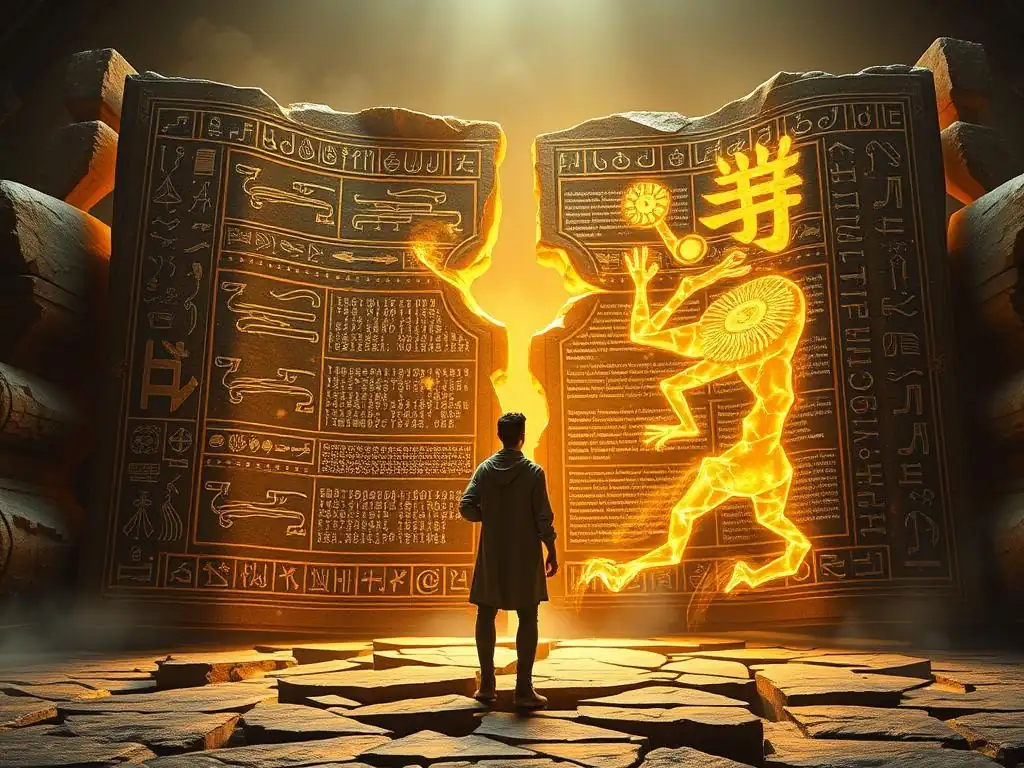
The Epic of Gilgamesh, one of the oldest known literary works, exists across various clay tablets discovered over time, often fragmented. Technology has played a crucial role in preserving and studying this foundational Mesopotamian myth. Institutions like the British Museum, which houses significant portions of the epic, have undertaken extensive digitization efforts. High-resolution digital scans of the cuneiform tablets allow scholars worldwide to study the text without needing physical access, protecting the fragile originals from repeated handling.
These digital images can be enhanced to make faint inscriptions more legible, and digital tools are being developed to aid in the painstaking process of transcribing cuneiform and piecing together fragmented tablets. Online databases provide access to transcriptions, translations, and scholarly commentaries. For example, the Cuneiform Digital Library Initiative (CDLI) includes components related to Gilgamesh, making raw data available for computational analysis. This digital preservation and accessibility are vital for ongoing research into the epic's different versions, its cultural context, and its enduring themes, showcasing how technology reshaping ancient myths in their most fundamental form – the original text.
"Hades" Video Game: Reimagining Greek Mythology for a Modern Audience
The video game "Hades," developed by Supergiant Games, serves as an excellent example of technology reshaping ancient myths for a contemporary, global audience. The game centers around Zagreus, son of Hades, attempting to escape the Underworld. While drawing heavily on characters and concepts from Greek mythology – Hades, Persephone, Nyx, the Olympian gods, Sisyphus, Eurydice, etc. – it reimagines their personalities and relationships with a modern sensibility, focusing on themes of family, resilience, and defying fate.
The game's success (over 1 million copies sold) demonstrates the broad appeal of mythological narratives when presented through engaging gameplay, compelling characters, and a stylish art direction. "Hades" doesn't aim for strict academic accuracy but rather uses the mythological framework to tell a human story. Its popularity has undeniably led many players to seek out information about the original Greek myths and characters featured in the game, proving that modern technological adaptations can serve as gateways to deeper interest in ancient lore.
The Smithsonian's National Museum of the American Indian Online Resources
The Smithsonian's National Museum of the American Indian (NMAI) utilizes technology to share the diverse myths, legends, and cultural heritage of Native American peoples, overcoming geographical barriers and ensuring broader access to these often less-documented traditions. Their website features extensive online collections, virtual exhibitions, educational resources, and digital archives that include information about origin stories, trickster tales, and other mythological narratives specific to various tribes.
Through digital storytelling platforms and online publications, NMAI presents these myths with respect for their cultural context and ownership, often collaborating with tribal communities. Their online presence allows individuals globally to learn about indigenous mythologies directly from a reputable source that prioritizes accurate representation and cultural sensitivity. This digital outreach is crucial for preserving and sharing cultural heritage that might otherwise be inaccessible to many, demonstrating technology's positive role in promoting understanding and appreciation of diverse mythological traditions.
The Future of Myths in a Technological World
The Potential for Further Innovation in Mythological Storytelling
The evolution of technology promises even more innovative ways to engage with myths. Virtual Reality (VR) could offer truly immersive experiences, allowing users to "walk" through the landscapes of myth, interact with mythological figures in virtual environments, or witness epic events unfold around them. Advanced AI could potentially generate personalized myth-based narratives or educational experiences tailored to individual user interests and learning styles.
Future technologies like haptic feedback suits could allow users to "feel" elements of a mythological world, while brain-computer interfaces, in the distant future, might offer entirely new ways of interacting with narrative. The convergence of AI, VR, AR, and other emerging technologies holds the potential to create mythological experiences that are not just visually or aurally engaging but deeply interactive and sensorially rich, pushing the boundaries of what it means to experience an ancient story.
The Importance of Preserving and Promoting Cultural Heritage Through Technology
As technology continues to advance, its role in the preservation and promotion of cultural heritage, including mythology, will become even more critical. Digital tools offer the best chance to preserve endangered myths from cultures with dwindling speakers or rapidly changing ways of life. Recording oral traditions, digitizing rare artifacts, and creating interactive databases can help safeguard these invaluable aspects of human heritage for future generations.
Beyond preservation, technology facilitates global promotion. Online platforms allow indigenous communities or smaller cultural groups to share their mythological traditions directly with a worldwide audience, controlling their own narratives and ensuring respectful representation. Supporting digital initiatives focused on cultural heritage preservation and accessibility is vital to ensure that the rich tapestry of global mythology remains vibrant and accessible in the face of modernization and globalization.
Mythology's Role in Shaping Our Understanding of Technological Anxiety
Interestingly, ancient myths can also provide a framework for understanding our relationship with technology itself. Many myths explore themes of creation, unintended consequences, the power of forbidden knowledge, and the hubris of mortals reaching for divine power. These narratives resonate with contemporary anxieties about artificial intelligence, genetic engineering, and the rapid pace of technological change.
For instance, the myth of Prometheus gifting fire to humanity and suffering eternal punishment can be seen as a metaphor for the double-edged sword of powerful technology. The story of Icarus serves as a timeless warning against overreach. By revisiting these ancient stories through a technological lens, and by using technology to explore these myths, we can gain deeper insights into our own hopes, fears, and ethical dilemmas surrounding the powerful tools we are creating. Mythology, therefore, remains relevant not just as history but as a mirror reflecting our present technological condition.
Conclusion: Technology as a Tool for Understanding and Appreciating Myths
Technology is undeniably technology reshaping ancient myths in profound ways. It has transformed how we preserve, access, interact with, and interpret these fundamental human stories. From vast digital archives that safeguard fragile texts to immersive video games that introduce mythological figures to millions, and from online communities debating ancient lore to AI tools analyzing narrative patterns, technology has become an indispensable tool for the modern study and appreciation of mythology.
While challenges such as misinformation and the need for authentic representation persist, the overall impact of technology has been to democratize access, foster global connections, and provide new avenues for engaging with the timeless wisdom and wonder contained within myths and legends. As technology continues its rapid evolution, it will undoubtedly continue to shape our relationship with the ancient world, ensuring that the power and relevance of mythology endure for generations to come.
Frequently Asked Questions
How is technology impacting the accessibility of ancient myths?
Technology is making myths more accessible than ever through online databases, digital libraries, and interactive platforms. This increased availability allows a wider audience to engage with these stories and learn about different cultures.
In what ways is technology changing how we interpret ancient myths?
Technology provides tools for analysis and interpretation, such as computational linguistics and network analysis, allowing for new perspectives on ancient narratives. These tools can reveal hidden patterns and connections within myths.
Can technology help preserve ancient myths for future generations?
Yes, technology plays a crucial role in preserving myths through digitization, archiving, and creating virtual reality experiences. This ensures that these cultural treasures are safeguarded and accessible for years to come.
How are modern adaptations of ancient myths using technology?
Modern adaptations utilize technology through video games, films with CGI, and interactive storytelling platforms to retell myths in engaging and innovative ways. This allows for creative interpretations and wider reach.
Does technology risk distorting or misrepresenting ancient myths?
There is a risk of distortion through biased interpretations, inaccurate translations, and the spread of misinformation online. Therefore, it's crucial to approach online resources with critical thinking and verify information from reputable sources.
Final Reflection: Reimagining the Gods in the Digital Age
The ways in which technology interacts with ancient myths is not simply a matter of academic interest; it's a fundamental shift in how we understand our past, present, and future. The digital realm offers unprecedented opportunities to re-examine, reinterpret, and even recreate these foundational stories, impacting everything from our cultural narratives to our personal beliefs. This reshaping is not passive; it's an active process, constantly evolving as technology itself continues to advance.
The accessibility afforded by digital platforms has democratized access to mythological narratives, allowing for a more diverse and inclusive understanding of these ancient tales. This shift challenges traditional interpretations and opens the door for fresh perspectives, often challenging established power structures embedded within the myths themselves. Myth is a powerful thing. It shapes our perceptions, our values, and our understanding of the world.
This quote highlights the profound impact of these stories, and technology's role in reshaping them is equally profound. The very act of digitally reconstructing ancient artifacts, animating mythological scenes, or creating interactive experiences fundamentally alters our engagement with these narratives.
Consider how technology is impacting your own understanding of myth. Are you engaging with these stories differently now than you did before the digital age? I urge you to actively participate in this ongoing evolution. Explore digital archives, engage with interactive mythological experiences, and critically examine the ways in which technology is shaping your perception of these ancient narratives. By doing so, you not only deepen your understanding of the past but also contribute to the ongoing conversation about how we shape and are shaped by the stories we tell.
Unveil Your Own Mythological Journey!
Thanks for exploring how technology is reshaping our understanding of myths and legends! You've gained valuable insights into a fascinating intersection of the past and the present. Now, it's time to take that knowledge further.
- Dive deeper: Explore our extensive archive of articles on specific myths and their technological interpretations. You might be surprised by what you discover!
- Share your thoughts: What technological advancements do you think will most impact how we study and perceive mythology in the future? Leave a comment below!
- Uncover a hidden myth: Search our website for a lesser-known legend and share your findings on social media using #MythologyTech.
Ready to embark on your own mythological adventure? What hidden stories are you eager to uncover next?