
Beyond Text: Images, Artifacts, and Digital Lore

Welcome to Mythology and Legends.
Delve into the captivating world where ancient myths are reborn through the lens of modern digital storytelling. Ever wondered how these timeless tales are shaping our present? Our latest exploration, "Beyond Text: Images, Artifacts, and Digital Lore," uncovers the surprising impact of visual narratives and interactive experiences on preserving and reimagining folklore. Prepare to discover how these digital echoes of the past are resonating in unexpected ways…
- Beyond Text: Images, Artifacts, and Digital Lore - Exploring Ancient Myths Through Digital Storytelling
- The Role of Images in Digital Mythology
- Artifacts and Digital Reconstructions: Bringing the Past to Life
- Digital Lore: Expanding the Boundaries of Traditional Storytelling
- Ancient Myths Digital Storytelling Impact: A Comprehensive Overview
- Case Studies: Successful Examples of Digital Mythology Projects
- The Future of Digital Mythology: Trends and Predictions
- Preserving and Promoting Cultural Heritage Through Digital Innovation
- Conclusion: Embracing the Digital Revolution in Mythological Studies
-
Frequently Asked Questions
- How are images and artifacts used to enhance digital storytelling about ancient myths?
- What role does digital storytelling play in preserving and promoting ancient myths?
- How does the interpretation of ancient myths change when presented through digital mediums?
- What is the "digital lore" mentioned in the title, and how does it relate to ancient myths?
- How does the use of images, artifacts, and digital storytelling impact our understanding of the contemporary relevance of ancient myths?
- Final Reflection: Weaving Ancient Myths into the Digital Tapestry
- Unlock the Power of Visual Storytelling!
Beyond Text: Images, Artifacts, and Digital Lore - Exploring Ancient Myths Through Digital Storytelling
From Oral Traditions to Digital Platforms: A New Era for Ancient Myths
For millennia, the vibrant tapestries of ancient myths were primarily woven through oral traditions, passed down by bards, storytellers, and community elders. This method, rich in performance and communal experience, was eventually complemented and partially supplanted by written texts, allowing for wider dissemination and preservation across generations and geographies.
From clay tablets bearing the Epic of Gilgamesh to illuminated manuscripts detailing Arthurian legends, the written word became the dominant vessel for mythological narratives. However, the advent of the digital age has ushered in a profound transformation, creating a new era where ancient myths find unprecedented reach and resonance on digital platforms.
Today, the digital realm offers a dynamic ecosystem for engaging with these timeless stories. Websites, online databases, social media, video games, and virtual reality experiences provide novel avenues for exploring mythological landscapes and characters. This shift represents more than just a change in medium; it fundamentally alters how myths are accessed, interpreted, and interacted with by a global audience. The ancient myths digital storytelling impact is evident in the sheer volume of mythological content available online and the diverse ways people engage with it, from scholarly research to creative fan interpretations.
The Power of Visuals: Enhancing Mythological Narratives in the Digital Age
While ancient myths have always possessed strong visual elements, often depicted in art, sculpture, and architecture, digital platforms unlock new dimensions for visual storytelling. High-quality digital images of artifacts, intricate digital illustrations, 3D reconstructions, and immersive animations can bring abstract concepts and distant worlds vividly to life. These visual tools are not merely supplementary; they are becoming integral to conveying the richness and complexity of mythological narratives in the digital space.
Digital visuals can immediately communicate the grandeur of Olympus, the terror of the Underworld, or the intricate details of a mythical creature in ways that text alone might struggle to achieve for a modern audience accustomed to visual media. This enhanced visual dimension significantly contributes to the ancient myths digital storytelling impact, making these stories more accessible, engaging, and memorable, particularly for younger generations.
The ability to see a detailed rendering of a minotaur, explore a virtual reconstruction of an ancient temple, or view high-resolution images of artifacts linked to a specific myth creates a multi-sensory experience that deepens understanding and appreciation.
The Role of Images in Digital Mythology
Visual Representations of Mythological Figures: A Comparative Analysis
The depiction of mythological figures has always varied across cultures and artistic styles, from the idealized forms of Greek gods in classical sculpture to the fearsome deities of Norse sagas in Viking art. In the digital age, this diversity is amplified across myriad platforms. Online art communities showcase wildly imaginative interpretations of figures like Zeus, Odin, or Anubis, often blending historical attributes with modern aesthetics or fantasy elements. Educational websites might feature more historically grounded or traditionally inspired illustrations, while video games often present highly stylized and action-oriented versions of gods and heroes.
Comparing these digital representations reveals fascinating insights into contemporary cultural values and artistic trends, as well as how different platforms cater to specific audiences. A scholarly database might present a digitized image of a 5th-century BCE vase painting depicting Heracles, emphasizing historical accuracy and context. Simultaneously, a popular online game might feature a hyper-realistic, digitally rendered Heracles with exaggerated musculature and fantastical armor, designed for immediate visual impact and character appeal. This comparative landscape highlights the multifaceted ancient myths digital storytelling impact, showing how digital visuals adapt timeless figures for modern consumption.
The Use of Imagery to Convey Complex Mythological Themes
Beyond simply depicting characters, imagery in digital mythology is crucial for conveying complex themes, symbols, and cosmic structures inherent in these ancient stories. Visual metaphors can illustrate abstract concepts like fate, transformation, or the cyclical nature of time, which are central to many myths. For example, a digital illustration of the World Tree Yggdrasil can visually represent the interconnectedness of the Nine Worlds in Norse cosmology more effectively than purely textual description for many viewers.
Furthermore, carefully curated sequences of images, animations, or interactive visual elements can guide viewers through intricate narrative arcs or explain complex relationships between deities and mortals. Infographics might break down the genealogy of the Olympian gods, while animated sequences could depict the stages of a hero's journey. This strategic use of imagery is vital in making complex mythological frameworks digestible and engaging for a broad digital audience, demonstrating a significant aspect of the ancient myths digital storytelling impact on public understanding.
Depictions of Medusa Across Different Digital Platforms
The Gorgon Medusa is a compelling example of a mythological figure whose visual representation has evolved dramatically and varies widely across digital platforms. Traditionally depicted as a monstrous figure with snakes for hair and a petrifying gaze, digital media offers diverse interpretations. In digitized classical art collections, users can view ancient depictions, such as the Medusa Rondanini sculpture or illustrations on Greek pottery, showcasing her early, often grotesque, forms.
However, modern digital art platforms and video games frequently portray Medusa with a blend of beauty and terror, sometimes emphasizing her tragic backstory or presenting her as a powerful, complex antagonist or even a sympathetic figure. For instance, in certain game franchises, she might appear as a formidable boss with detailed serpentine features and dynamic animations, while in digital illustrations, artists might explore more humanized or even fashionable interpretations of her snake-hair.
This spectrum of digital depictions, from historical accuracy in archives to creative re-imagining in popular media, powerfully illustrates how digital spaces shape the visual narrative and ancient myths digital storytelling impact on iconic figures.
Artifacts and Digital Reconstructions: Bringing the Past to Life
Digitizing Archaeological Finds: Preserving and Sharing Mythological Artifacts
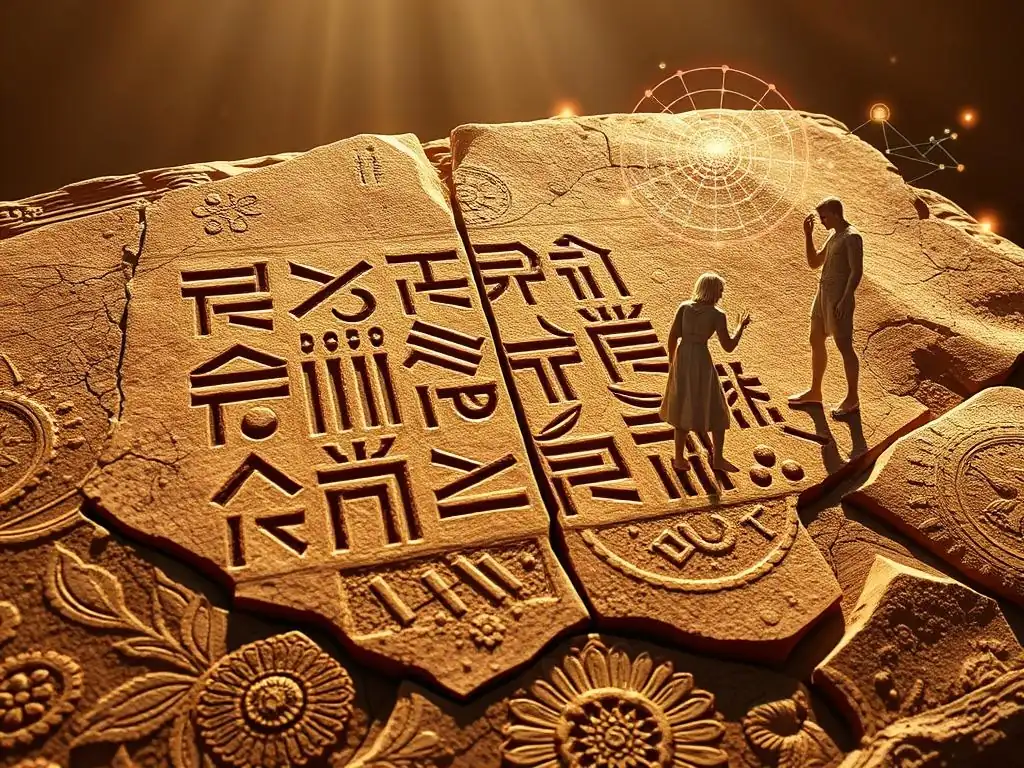
Archaeological artifacts provide tangible links to the cultures that created ancient myths – pottery depicting heroic feats, sculptures of deities, inscriptions mentioning mythological events, or even the ruins of temples where rituals took place. Digitization efforts by museums and research institutions are revolutionizing access to these vital sources. High-resolution photography, 3D scanning, and detailed digital documentation allow millions of artifacts to be studied and viewed online by researchers and the public worldwide, far beyond the physical limitations of museum walls.
Major institutions like the British Museum and the Metropolitan Museum of Art have digitized vast portions of their collections, making artifacts related to Egyptian, Greek, Roman, and other mythologies freely available in high detail. This digital preservation not only safeguards fragile objects but also democratizes access to cultural heritage. The ability for anyone with internet access to examine a detailed 3D model of a Minoan snake goddess figurine or read a digitized cuneiform tablet mentioning creation myths has a profound ancient myths digital storytelling impact, connecting contemporary audiences directly with the material culture of myth-making civilizations.
Creating Virtual Reconstructions of Ancient Sites and Temples
While artifacts offer glimpses into the past, virtual reconstructions allow users to explore the spaces where myths were lived and told. Using archaeological data, architectural knowledge, and sophisticated 3D modeling software, experts can create highly detailed and often interactive digital environments of ancient sites like the Acropolis of Athens, the Temple of Karnak in Egypt, or the Norse site of Uppsala. These reconstructions can depict sites as they might have looked in their prime, allowing users to virtually walk through temples, plazas, and living quarters.
These digital environments serve powerful educational and experiential purposes. They help students and enthusiasts visualize the scale and context of ancient civilizations and the settings for their myths. Imagine exploring a virtual Parthenon, seeing the massive statue of Athena, and understanding the architectural grandeur associated with the goddess. This ability to virtually inhabit mythological landscapes is a significant aspect of the ancient myths digital storytelling impact, offering an immersive way to connect with the spatial dimension of ancient stories.
Digital Reconstruction of Knossos Palace and the Minotaur Myth
A prime example of bringing the past to life through digital reconstruction is the Palace of Knossos on Crete, famously associated with the myth of the Minotaur and the labyrinth. While the physical ruins are impressive, they only offer a partial view of its original complexity and grandeur. Digital reconstruction projects have recreated the multi-story palace, its intricate layout, vibrant frescoes, and surrounding environment in detailed 3D models and virtual tours.
These digital models allow users to navigate the palace's courtyards, explore its numerous rooms, and visualize the potentially labyrinthine structure that inspired the myth. By placing the Minotaur story within this digitally recreated context, the narrative gains depth and realism. Users can better appreciate the scale of the challenge faced by Theseus as they virtually wander the palace's reconstructed halls and passages. This digital approach powerfully enhances understanding and engagement with the Minotaur myth, showcasing a direct ancient myths digital storytelling impact on how historical settings are experienced.
Digital Lore: Expanding the Boundaries of Traditional Storytelling
The Creation of New Myths and Legends in the Digital Realm
The digital landscape is not merely a repository for ancient myths; it is also a fertile ground for the creation of new forms of lore. Online communities, collaborative writing platforms, forums, and social media facilitate the rapid development and spread of emergent narratives. These range from viral urban legends like "Slender Man" to complex, collaboratively built mythologies within online gaming universes or shared creative writing projects. This phenomenon demonstrates how the fundamental human impulse to create and share stories continues unabated in the digital age.
This digital lore often draws inspiration from existing myths, folklore, and popular culture, blending elements in novel ways. The speed and interconnectedness of the internet allow these new narratives to evolve rapidly, incorporating feedback and contributions from a wide, dispersed audience. While distinct from ancient myths, the emergence of digital lore highlights the ongoing relevance of mythological thinking and the power of collective storytelling in the digital era.
Interactive Storytelling: Engaging Audiences with Digital Lore
Digital platforms excel at creating interactive experiences, transforming passive consumption of stories into active participation. Video games are perhaps the most prominent example, allowing players to embody heroes, make choices that affect the narrative, and explore richly detailed mythological worlds. Websites can feature interactive maps of mythological realms, choose-your-own-adventure style narratives based on myths, or quizzes that delve into mythological knowledge.
Augmented Reality (AR) and Virtual Reality (VR) take this interaction further, allowing users to feel physically present within a mythological setting or interact with virtual mythological figures. This level of engagement is a key aspect of the ancient myths digital storytelling impact, particularly in education and entertainment. By allowing users to step into the shoes of a character or influence the unfolding of a story, digital media fosters a deeper, more personal connection with mythological narratives than traditional formats might allow.
The Impact of Digital Media on the Evolution of Mythological Narratives
Digital media is not just a new way to tell old stories; it actively influences how those stories evolve and are perceived. The rapid spread of information and interpretation online means that popular adaptations, fan theories, and even humorous memes based on mythological figures can quickly gain traction and shape public understanding. A character's portrayal in a successful video game or movie can become more widely recognized than their original literary or historical description for many people.
Furthermore, the ease of remixing and adapting content in the digital space leads to countless retellings that blend different myths, update settings to modern times, or explore alternative perspectives. This dynamic process of adaptation and reinterpretation ensures that ancient myths remain relevant and continue to resonate with contemporary audiences. The ancient myths digital storytelling impact is thus a force of ongoing evolution, keeping these narratives alive and adapting them for the cultural landscape of the 21st century.
Ancient Myths Digital Storytelling Impact: A Comprehensive Overview
Analyzing the Influence of Digital Platforms on the Interpretation of Ancient Myths
Digital platforms exert a significant influence on how ancient myths are interpreted by modern audiences. The decontextualization inherent in platforms like social media, where mythological figures or concepts might appear as isolated memes or trending topics, can strip away layers of historical, cultural, and religious meaning. Conversely, specialized digital archives and online scholarly resources provide unprecedented access to primary texts, archaeological data, and expert analysis, enabling deeper, more nuanced interpretations than previously possible for non-specialists.
The format of digital content also shapes interpretation. A short, visually driven video explaining a myth might emphasize different elements than a lengthy academic article or a traditional printed book. Interactive games might focus on action and character abilities derived from myths, potentially simplifying complex moral or philosophical themes. Understanding the ancient myths digital storytelling impact requires acknowledging this duality: digital tools can both broaden access and potentially flatten or distort the original depth of these narratives, depending on how they are presented and consumed.
Accessibility and Reach: How Digital Storytelling Democratizes Mythology
Perhaps the most transformative ancient myths digital storytelling impact is the radical increase in accessibility and global reach. Before the digital age, in-depth engagement with mythology often required access to libraries, universities, museums, or specialized publications – resources not universally available. The internet has changed this equation entirely. Millions of digitized texts, images of artifacts, scholarly articles, educational videos, and interactive experiences are now available to anyone with an internet connection, regardless of their geographical location or institutional affiliation.
Major digital libraries like Project Gutenberg offer public domain translations of classical texts. Museum websites provide virtual tours and searchable databases of mythological art. Online courses and educational platforms teach mythology to students worldwide. This democratization of access allows individuals from diverse backgrounds and cultures to explore, study, and engage with ancient myths, fostering a broader and more inclusive global conversation about these foundational stories.
The Challenges and Opportunities of Presenting Ancient Myths in a Modern Context
Presenting ancient myths through digital storytelling comes with both significant challenges and exciting opportunities. A major challenge is maintaining accuracy and cultural sensitivity, especially when dealing with myths that are still part of living traditions or those from cultures that have experienced historical exploitation. Misinformation, simplification, and cultural appropriation are risks in a digital environment where content spreads rapidly and context can be lost. Ensuring proper attribution, consulting with cultural custodians, and providing accurate historical and cultural context are crucial but often complex tasks.
However, the opportunities are immense. Digital tools offer unprecedented ways to visualize, interact with, and analyze mythological data. They can foster global collaboration among researchers and enthusiasts. They enable creative adaptations that keep myths relevant to new generations. The ancient myths digital storytelling impact lies in navigating these challenges responsibly while fully leveraging the opportunities to preserve, share, and celebrate the enduring power of ancient myths in a modern context.
Case Studies: Successful Examples of Digital Mythology Projects
The British Museum's Digital Initiatives on Ancient Egypt
The British Museum has been a pioneer in leveraging digital technology to share its vast collections, including those related to ancient Egyptian mythology. Their online collection database provides high-resolution images and detailed information for hundreds of thousands of artifacts, many directly linked to Egyptian gods, pharaohs, and myths, such as statues of deities like Sekhmet or papyri containing spells from the Book of the Dead. They have also developed interactive digital resources, such as timelines and virtual tours, allowing users to explore key periods and sites related to Egyptian history and belief systems from anywhere in the world.
One notable initiative was their collaboration on a virtual reality experience allowing users to explore a tomb from the New Kingdom period, bringing the religious and mythological context of burial practices to life. These digital efforts significantly broaden the reach of the museum's collection, offering invaluable resources for researchers, educators, and anyone interested in Egyptian mythology, highlighting a major ancient myths digital storytelling impact on access to cultural heritage.
The Met's Online Collection and Educational Resources on Greek Mythology
The Metropolitan Museum of Art in New York also provides extensive digital resources relevant to Greek mythology, leveraging its world-renowned collection of Greek art. Their online collection database features tens of thousands of objects – including sculptures, ceramics, and jewelry – depicting scenes and figures from Greek myths, each with detailed provenance and scholarly notes. Users can explore these artifacts, zooming in on intricate details of vase paintings illustrating the adventures of Odysseus or the labors of Heracles.
Beyond the raw collection data, The Met offers educational materials online, including essays, videos, and lesson plans that utilize the collection to explain Greek myths and their cultural context. These resources are widely used by students and educators globally. By providing both high-quality visual access to artifacts and interpretive content, The Met's digital initiatives demonstrate how museums can effectively use technology to enhance understanding and appreciation of ancient myths, contributing significantly to the overall ancient myths digital storytelling impact of cultural institutions.
Lessons Learned: Key Takeaways from Successful Digital Mythology Initiatives
Successful digital mythology projects, like those by the British Museum and The Met, offer valuable lessons. Firstly, high-quality visual content is paramount – clear, detailed images and accurate, engaging digital reconstructions are essential for attracting and retaining user attention. Secondly, providing context is crucial; simply presenting digitized artifacts or texts is less effective than integrating them into narratives, educational modules, or interactive experiences that explain their mythological significance.
Thirdly, accessibility and user-friendliness are key. Platforms should be easy to navigate, and content should be presented in formats suitable for a range of devices and internet speeds. Finally, successful projects often prioritize authenticity and accuracy, whether through collaboration with experts, adherence to scholarly standards, or respectful representation of cultural heritage. These takeaways underscore the elements necessary to achieve a positive and lasting ancient myths digital storytelling impact.
The Future of Digital Mythology: Trends and Predictions
Emerging Technologies and Their Potential Impact on Mythological Storytelling
The landscape of digital mythology is continuously shaped by emerging technologies. Augmented Reality (AR), which overlays digital information onto the real world, holds potential for creating experiences where mythological figures appear in historical locations or where artifacts "come to life" on museum labels. Blockchain technology could potentially be used for creating unique digital collectibles or certifying the authenticity of digital art based on mythological themes, although its application in preserving core narratives is less direct.
Perhaps most significantly, advancements in Artificial Intelligence (AI) are poised to have a transformative impact. AI could be used to generate new visual interpretations of myths, create interactive characters based on mythological archetypes for games or educational tools, or even assist in translating and analyzing ancient texts related to mythology. These technologies promise new levels of immersion, personalization, and creative output in digital mythological storytelling.
The Growing Importance of Immersive Experiences in Digital Mythology
As technologies like VR and advanced 3D rendering become more accessible, immersive experiences are set to play a much larger role in digital mythology. Instead of just viewing images or reading texts, users will increasingly be able to step into virtual recreations of mythological realms – walking through the halls of Valhalla, navigating the underworld rivers, or witnessing the forging of Mjolnir.
These immersive environments offer unparalleled opportunities for experiential learning and emotional engagement with ancient stories. They can convey the scale, atmosphere, and cultural context of myths in ways that traditional media cannot. This trend towards deeper immersion is a key driver of the future ancient myths digital storytelling impact, promising to make these stories more visceral and memorable for future generations.
The Integration of AI in Generating Mythological Content and Interactive Experiences
Artificial Intelligence is already being used in rudimentary ways to generate text and images, and its capabilities are rapidly advancing. In the context of digital mythology, AI could be employed to create variations of mythological tales, generate unique character designs based on established archetypes, or even power non-player characters in interactive experiences who can converse about lore. For instance, an AI could be trained on mythological texts to generate dynamic quests or dialogue for a game set in ancient Greece.
Furthermore, AI could personalize mythological experiences, tailoring narratives or visual presentations based on a user's interests or previous interactions. While the ethical implications regarding authenticity, authorship, and potential misinformation need careful consideration, the integration of AI has the potential to vastly expand the possibilities for creating dynamic, interactive, and endlessly variable digital mythological content. This represents a significant, albeit complex, future dimension of the ancient myths digital storytelling impact.
Preserving and Promoting Cultural Heritage Through Digital Innovation
The Ethical Considerations of Digitizing and Sharing Mythological Content
Digitizing and sharing mythological content, particularly from living cultures or those with sensitive histories, involves significant ethical considerations. Issues of ownership, intellectual property rights, and the appropriate use of sacred or culturally sensitive stories must be carefully addressed. Simply putting everything online without regard for cultural context or community permissions can perpetuate historical injustices or misrepresent narratives.
Respectful practice requires collaboration with the communities whose heritage is being shared. This includes seeking permission, providing appropriate attribution, ensuring accuracy in representation, and sometimes restricting access to certain materials if deemed necessary by the cultural custodians. Navigating these ethical complexities is paramount to ensuring that the ancient myths digital storytelling impact is positive and serves the interests of cultural preservation rather than exploitation.
The Role of Digital Archives in Protecting Cultural Heritage
Digital archives play a critical role in the long-term preservation of cultural heritage, including mythological narratives and related artifacts. Physical materials are susceptible to decay, environmental damage, and political instability. Creating high-quality digital copies ensures that the information is preserved indefinitely in multiple locations, protecting it from loss. This is particularly important for endangered languages, oral traditions, and fragile historical documents that contain mythological lore.
Institutions and community groups are establishing digital repositories specifically for cultural heritage materials, making them available for future generations of researchers and cultural practitioners. These archives serve as vital safeguards against the loss of invaluable mythological knowledge, ensuring that the ancient myths digital storytelling impact includes a strong element of preservation for posterity.
Collaborating with Indigenous Communities to Ensure Authentic Representation
For myths and folklore that belong to indigenous communities, many of which have experienced historical trauma and cultural suppression, authentic representation and respectful engagement are non-negotiable. Digital projects dealing with these narratives must prioritize collaboration with community elders, storytellers, and cultural experts from the outset. This ensures that the stories are told accurately, in accordance with community protocols, and that the digital representation serves the community's goals, whether that's cultural revitalization, education, or preservation.
Approaches might include joint ownership of digital content, using digital platforms to share stories within the community, or developing educational resources that reflect the community's perspective. This collaborative model is essential for ethical digital storytelling and is a crucial component of ensuring that the ancient myths digital storytelling impact is one of empowerment and respect for diverse cultural heritages.
Conclusion: Embracing the Digital Revolution in Mythological Studies
The Enduring Power of Myths in the Digital Age
Despite the rapid technological advancements and the proliferation of new forms of entertainment and information, the core power of ancient myths remains undiminished in the digital age. These stories address fundamental human questions about existence, morality, nature, and the unknown. They provide archetypes and narratives that continue to resonate deeply with people across cultures and generations. Digital platforms, rather than replacing this power, offer new conduits for its expression and transmission.
Whether encountered through a virtual reality game, a scholarly online database, a piece of digital art, or a social media meme, the foundational narratives and figures of ancient mythology continue to capture the imagination, inspire creativity, and provide frameworks for understanding the human experience. The ancient myths digital storytelling impact is a testament to the adaptability and timelessness of these stories.
The Importance of Innovation and Creativity in Digital Storytelling
To effectively harness the potential of digital platforms for mythology, innovation and creativity are paramount. Simply porting traditional texts or images online is a start, but the true power lies in leveraging digital tools to create experiences that are engaging, informative, and respectful of the source material. This requires creative approaches to visualization, interaction design, narrative structure, and community engagement.
Developers, educators, artists, and scholars must work together to explore new ways to tell ancient stories in the digital space, pushing the boundaries of what is possible while maintaining fidelity to the myths' cultural and historical significance. The future of the ancient myths digital storytelling impact hinges on this continued spirit of innovation and creative exploration.
Final Thoughts: The Future of Ancient Myths in the Digital World
The digital world has opened up unprecedented avenues for exploring, sharing, and engaging with ancient myths. From high-resolution images of artifacts and immersive virtual reconstructions to interactive narratives and the emergence of new digital lore, technology is transforming how these stories are accessed and understood. While challenges related to accuracy, context, and ethics persist, the opportunities for preservation, education, and global engagement are immense.
The ancient myths digital storytelling impact is already profound, democratizing access and influencing interpretation. As technology continues to evolve, the ways we interact with these timeless narratives will undoubtedly become even more dynamic and integrated into our digital lives, ensuring that the echoes of ancient worlds continue to resonate in the future.
Frequently Asked Questions
How are images and artifacts used to enhance digital storytelling about ancient myths?
Images and artifacts provide visual context and tangible connections to the stories, making them more engaging and immersive for the audience. They bring ancient myths to life.
What role does digital storytelling play in preserving and promoting ancient myths?
Digital storytelling allows for wider accessibility and preservation of ancient myths through interactive platforms. This helps to engage new audiences and promote cultural heritage.
How does the interpretation of ancient myths change when presented through digital mediums?
Digital mediums offer new avenues for interpretation, allowing for interactive exploration and personalized engagement with the myths. This can lead to a deeper understanding.
What is the "digital lore" mentioned in the title, and how does it relate to ancient myths?
"Digital lore" refers to the modern reinterpretations and adaptations of ancient myths within digital spaces. It showcases the evolving impact of these stories.
How does the use of images, artifacts, and digital storytelling impact our understanding of the contemporary relevance of ancient myths?
By combining these elements, we can see how ancient themes resonate with modern concerns. This demonstrates the enduring power and universal truths found within these stories.
Final Reflection: Weaving Ancient Myths into the Digital Tapestry
The resurgence of ancient myths in digital storytelling isn't just a trend; it's a powerful testament to the enduring human need for narrative and meaning. These timeless tales, once confined to scrolls and oral traditions, now find vibrant new life through interactive games, immersive virtual reality experiences, and captivating digital art. Their continued relevance speaks volumes about our ongoing fascination with the archetypes, conflicts, and universal themes they embody.
The impact of this digital reimagining is profound. It allows us to engage with these stories on a deeply personal level, shaping our understanding of history, culture, and ourselves. Myth is the ultimate expression of the human need to make sense of the world.
This quote perfectly encapsulates the power of these ancient narratives, and their translation into digital formats only amplifies their reach and influence, making them accessible to a global audience and fostering cross-cultural dialogue in unprecedented ways. The way we interact with these myths—through vibrant visuals, interactive narratives, and shared online experiences—is fundamentally changing how we understand and appreciate them.
Consider the stories you've encountered, the images that resonated with you, the digital worlds you've explored. How have these digital interpretations of ancient myths shaped your own understanding of the world and your place within it?
I invite you to actively engage with these ancient narratives in their modern forms, to explore their enduring power, and to consider how you might contribute to this evolving digital tapestry of myth and legend. Let us continue to weave these timeless threads into the fabric of our digital future, ensuring that these powerful stories continue to inspire and resonate for generations to come.
Unlock the Power of Visual Storytelling!
Thanks for diving into the fascinating world of visual mythology! You've now unlocked a deeper understanding of how images and artifacts enrich our understanding of ancient legends. Ready to take your newfound knowledge further?
- Craft your own visual mythology piece: Try sketching a scene from your favorite myth, designing a digital artifact representing a legendary hero, or even creating a short comic based on a tale you’ve learned. Let your creativity flow!
- Share your creations (or inspirations!) with our community: Join the discussion in the comments below – what aspects of visual storytelling resonated most with you?
- Explore further: delve into the rich archives of museums online, seeking out images and descriptions of ancient artifacts related to your favorite myths.
What unique visual element could you imagine adding to a classic myth to bring it to life in a new way?