
Divination for Diagnosis: Finding the Cause of Illness


Welcome to Mythology and Legends.
Delve into the captivating world where ancient beliefs intertwine with our understanding of health. Could a forgotten ritual hold the key to understanding illness? Explore the intriguing intersection of divination and diagnosis in our latest article, " Divination for Diagnosis: Finding the Cause of Illness," and uncover how ancient folklore shaped the way cultures perceived and treated ailments. Prepare to question everything you thought you knew about medicine and myth. What secrets will you discover within these forgotten traditions?
- Divination Methods Used for Illness Diagnosis in Ancient Cultures
-
Frequently Asked Questions
- What is Divination for Diagnosis in the context of ancient folklore?
- Which cultures commonly used divination to diagnose illnesses?
- How did divination practices differ across different cultures?
- What types of illnesses were commonly diagnosed through divination?
- Did ancient people solely rely on divination for diagnosis, or were other methods used?
- Final Reflection: Unraveling the Past, Healing the Present
- Unveil Your Body's Wisdom: Dive Deeper into Self-Healing
Divination Methods Used for Illness Diagnosis in Ancient Cultures
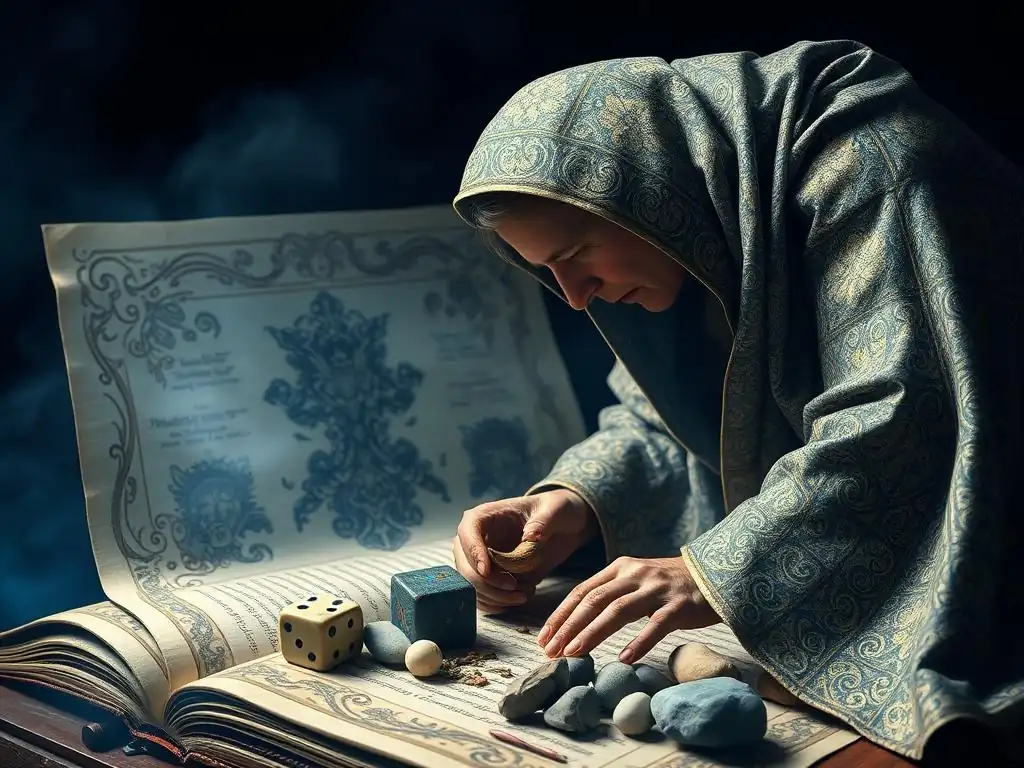
Across numerous ancient civilizations, before the advent of modern medical diagnostics, communities frequently turned to divination as a primary means to understand the source and nature of illness. This practice was deeply interwoven with the fabric of society, reflecting beliefs that disease was often caused by supernatural forces, imbalances, or spiritual disruptions rather than purely physical ailments. Divinatory methods offered a way to consult with the divine, spirits, or cosmic patterns to uncover hidden causes, providing a framework for ancient folklore illness diagnosis that guided subsequent healing rituals or herbal treatments.
These diverse techniques, ranging from interpreting dreams and celestial movements to gazing into reflective surfaces or seeking counsel from oracles, provided a sense of order and explanation in the face of unpredictable sickness. They were not merely superstitious practices but integral components of complex belief systems that sought to address the holistic well-being of individuals and communities, often involving trained practitioners who served as intermediaries between the mundane and spiritual realms to identify the roots of suffering through ancient folklore illness diagnosis.
Scrying: Gazing into the Unknown to Uncover Disease Origins
Scrying, the practice of gazing into a reflective surface to receive visions or messages, was employed in various ancient cultures not only for prophecy but also specifically for diagnosing illness. The belief was that the surface – be it water, polished stone, or crystal – acted as a portal, revealing insights into the patient's condition, the forces afflicting them, or the location of a spiritual imbalance. This method provided a visual, often symbolic, answer to the perplexing question of why someone had fallen ill, forming a distinct part of ancient folklore illness diagnosis.
Practitioners, often those considered sensitive or having psychic abilities, would enter a trance-like state while focusing on the surface. They would interpret the fleeting images, colors, or patterns that appeared, relating them to potential causes such as curses, spirit possession, humoral imbalances, or the influence of malevolent entities. The information gleaned from scrying would then inform the healer's approach, suggesting specific rituals, purifications, or remedies to address the identified spiritual or energetic root of the ailment, a cornerstone of this type of ancient folklore illness diagnosis.
Crystal Ball Scrying and Medical Intuition
Crystal ball scrying, while perhaps most popularized in later periods, has roots in ancient practices involving polished stones or glass. Healers and mystics would gaze into these objects, seeking intuitive insights into a patient's physical or spiritual state. The visions received were often symbolic – a dark cloud might represent a lingering negative energy, a specific animal might indicate a particular spirit's influence, or a distorted reflection could point to an internal imbalance.
This form of scrying was often linked to a practitioner's perceived "medical intuition," where the visual stimuli from the crystal seemed to unlock deeper, non-rational understanding of the illness. For instance, a seer might see an image of tangled roots within the crystal, interpreting it as a blockage in the patient's energy flow or circulatory system, guiding them towards treatments aimed at clearing obstructions. While not based on anatomical knowledge, this intuitive visual diagnosis was a respected component of ancient folklore illness diagnosis in many traditions.
Water Scrying for Diagnosing Ailments
Water, being readily available and naturally reflective, was a widely used medium for scrying in ancient times, including for health diagnosis. Practices ranged from gazing into natural pools or wells to using specially prepared bowls of water. The surface of the water was believed to mirror the spiritual or energetic state of the patient or reveal the external forces impacting their health.
In ancient Greece, for example, certain cults used water scrying (hydromancy) to gain insights, potentially including health matters. The way light reflected, the patterns of ripples, or even perceived images within the water were interpreted by diviners. A turbulent surface might signify internal unrest or spiritual conflict, while murky water could indicate a hidden, insidious disease. This method of reading the liquid mirror for signs was a common, accessible form of ancient folklore illness diagnosis in numerous cultures connected to water deities or spirits.
Dream Interpretation: Deciphering Nightly Visions for Health Clues
Dreams held profound significance in ancient cultures, often viewed as messages from the divine, ancestors, or the subconscious mind. When someone fell ill, their dreams (or those of their family or healers) were carefully analyzed for clues about the illness's cause, prognosis, or potential remedies. This practice, known as oneiromancy, was a sophisticated system of ancient folklore illness diagnosis, relying on established symbolic languages and interpretive frameworks.
The interpretation of illness-related dreams was a specialized skill, often performed by priests, shamans, or wise elders. They would consider the symbols, narrative, emotions, and characters present in the dream, relating them to the patient's symptoms and the community's understanding of health and disease. A dream of being pursued might indicate an attacking spirit, while a dream of losing a specific object could symbolize the loss of vital energy or soul parts, providing a spiritual diagnosis within the realm of ancient folklore illness diagnosis.
Oneiromancy and the Symbolic Language of Illness Dreams
Oneiromancy applied to health diagnosis involved understanding a complex symbolic vocabulary where dream elements corresponded to physical states, spiritual influences, or external threats. For example, in some traditions, dreaming of specific animals was linked to particular diseases or the influence of animal spirits. Dreaming of fire could indicate a fever or inflammation, while dreaming of water might relate to issues of bodily fluids or emotional states impacting health.
Ancient dream dictionaries or oral traditions provided guidelines for interpreting these symbols within a health context. A dream of a broken object might symbolize a compromised body part, or a dream of being trapped could reflect the feeling of being overcome by sickness. This systematic approach to decoding the symbolic language of dreams was central to utilizing them as a tool for ancient folklore illness diagnosis, offering insights beyond observable physical symptoms.
Case Studies: Interpreting Dreams for Ancient Illness Diagnosis
While specific historical individual records are often fragmented, general practices illustrate how dreams were used. In ancient Greece, the temples of Asclepius, the god of healing, were centers for "incubation," where the sick would sleep within the sacred precinct hoping for a dream from the god revealing their diagnosis or cure. Priests of Asclepius would then interpret these often allegorical dreams. For instance, a patient dreaming of a snake (a symbol of Asclepius) licking a specific body part might have that area diagnosed as the source of illness or the target of divine healing.
Similarly, across various indigenous cultures, a shaman might undertake a ritualistic dream or vision quest on behalf of a sick individual. A dream vision of seeing a foreign object lodged in the patient's body, for example, could lead to a diagnosis of spiritual intrusion requiring a soul retrieval or extraction ceremony. These interpretive practices, relying on shared cultural understandings of dream symbolism, were vital components of ancient folklore illness diagnosis.
Oracle Consultations: Seeking Guidance from Deities and Spirits
Consulting an oracle or spiritual intermediary was a significant method of discerning the cause of illness in many ancient societies. This practice was rooted in the belief that deities, spirits, or ancestors possessed ultimate knowledge of human affairs, including the reasons behind suffering and disease. Seeking their guidance through a designated spokesperson provided a means to gain insight into the divine or spiritual forces at play, making it a formal process of ancient folklore illness diagnosis.
The oracle or intermediary, such as a priestess, shaman, or medium, would enter a state of trance or heightened spiritual awareness to receive messages. These messages, often cryptic or symbolic, were then interpreted for the petitioner seeking answers about their health. This method was often resorted to when other forms of healing failed or when the illness was perceived as particularly severe or mysterious, highlighting its importance in the spectrum of ancient folklore illness diagnosis.
The Oracle of Delphi and its Role in Ancient Greek Medicine
The Oracle of Apollo at Delphi was one of the most famous oracles of the ancient world, consulted by individuals and city-states on matters of great importance, including health. While its primary role wasn't medical diagnosis, people would certainly inquire about the causes of plagues, personal illnesses, or seek divine sanction for medical treatments. The Pythia, the priestess, would deliver pronouncements believed to be the words of Apollo.
These pronouncements, often ambiguous, were interpreted by attendant priests. A response concerning illness might point to an offense against a deity requiring propitiation, indicate a miasma (spiritual pollution) affecting the community, or even implicitly endorse a certain healing practice. While not providing a clinical diagnosis in the modern sense, the Delphic Oracle offered a divine perspective on the why of illness, influencing the actions taken by individuals and cities in response to health crises as part of their ancient folklore illness diagnosis.
Shamanic Practices: Communicating with Spirits to Identify Illness Causes
In many indigenous cultures, the shaman serves as the primary healer and spiritual leader, capable of traversing between the physical and spirit worlds. A core function of the shaman is diagnosing illness, which is often believed to have spiritual roots – such as soul loss, the intrusion of harmful spirits, or the breaking of taboos that angered ancestral or nature spirits.
Through ecstatic trance states, drum journeys, or ritual practices, the shaman communicates directly with the spirit world to discover the cause of the patient's suffering. For example, among some Siberian groups, illness might be diagnosed as a spirit arrow shot by an offended entity, which the shaman must then ritually extract. This direct spiritual consultation and diagnosis is a fundamental element of ancient folklore illness diagnosis in shamanic traditions worldwide, guiding subsequent healing interventions.
Astrology and Celestial Influences on Health
Astrology, the study of the positions and movements of celestial bodies in relation to earthly events, was widely used in ancient times not just for predicting the future but also for understanding human temperament and health. The belief was that the macrocosm (the cosmos) mirrored the microcosm (the human body), and that planetary alignments at the time of birth or the onset of illness held clues about a person's constitution, predispositions to disease, or the nature of their current ailment. This system provided a cosmic framework for ancient folklore illness diagnosis.
Medical astrology was a specialized branch practiced by astrologers and physicians in civilizations like those of Mesopotamia, Egypt, Greece, Rome, and India. They would analyze astronomical charts to identify potential weaknesses, imbalances, or periods of vulnerability indicated by planetary positions and aspects. This diagnostic method offered an explanation for illness based on external, celestial influences, complementing other forms of ancient folklore illness diagnosis.
Medical Astrology: Linking Planetary Positions to Human Health
Medical astrology postulates specific correspondences between zodiacal signs, planets, and parts of the human body or types of diseases. For instance, Aries was often associated with the head, Taurus with the neck and throat, Gemini with the arms and lungs, and so on. Planets were linked to humors, organs, or specific conditions: Mars with fever, inflammation, and acute issues; Saturn with chronic diseases, bones, and cold conditions; Jupiter with the liver and abundance (potentially leading to excess-related illness); the Moon with bodily fluids and cycles.
Astrologers would examine a person's natal chart, looking at which signs and body parts were ruled by planets in challenging positions or aspects (e.g., squares, oppositions). An afflicted Mars in the sign ruling the stomach might suggest susceptibility to ulcers or digestive inflammation. This intricate system of symbolic correspondences formed the theoretical basis for ancient folklore illness diagnosis through celestial observation.
Using Astrological Charts to Diagnose Illness
The practical application of medical astrology involved casting and analyzing specific charts. A natal chart, calculated for the moment of birth, was used to understand a person's inherent physical constitution and lifelong health predispositions. However, for diagnosing an active illness, astrologers often used a "decumbiture chart," calculated for the exact moment a person fell ill or took to their bed.
By analyzing the decumbiture chart, the astrologer would look for key indicators: the sign on the cusp of the 6th house (traditionally associated with illness), the planet ruling that sign, the position and aspects of the Moon (representing the patient), and the positions of malefic planets like Mars and Saturn. A planet in a difficult position in a sign ruling a specific body part could be interpreted as the cause or location of the illness.
For example, Saturn in the 1st house (the patient's body) in a cold, earthy sign might indicate a chronic, debilitating condition affecting the bones or skin, providing a detailed ancient folklore illness diagnosis based on cosmic alignment.
Frequently Asked Questions
What is Divination for Diagnosis in the context of ancient folklore?
Divination for Diagnosis refers to the use of supernatural methods in ancient folklore to determine the underlying cause of illness. This often involved consulting oracles, spirits, or interpreting omens.
Which cultures commonly used divination to diagnose illnesses?
Many cultures employed divination, including ancient Greece, Rome, China, and various indigenous societies. They believed illnesses could be caused by spiritual imbalances or curses, requiring divine intervention for diagnosis.
How did divination practices differ across different cultures?
Divination methods varied greatly, ranging from interpreting dreams and animal behavior to using astrology and consulting shamans. Each culture had unique rituals and beliefs surrounding the spiritual origins of disease.
What types of illnesses were commonly diagnosed through divination?
Divination was used for a wide range of ailments, including physical illnesses, mental disorders, and even infertility. It was particularly sought after when the cause of the illness was unclear or resistant to conventional treatments.
Did ancient people solely rely on divination for diagnosis, or were other methods used?
While divination was important, ancient societies also utilized herbal remedies and empirical observation. Divination was often used in conjunction with these other practices to provide a holistic understanding of the illness.
Final Reflection: Unraveling the Past, Healing the Present
The ancient practices of divination, once relegated to the realm of myth and superstition, offer a surprisingly relevant lens through which to examine modern approaches to illness diagnosis. Understanding the historical methods used to identify the root causes of disease reveals a profound connection between our past and present understanding of health and well-being. The search for meaning behind suffering, a core element of these ancient practices, remains a crucial aspect of effective modern healthcare.
The enduring power of folklore in understanding illness highlights the deep-seated human need to find meaning in suffering. These ancient methods, while not scientifically validated in the modern sense, reflect a holistic approach to health that often gets overlooked in today's specialized medical landscape. The body remembers what the mind forgets,
a phrase often attributed to various sources, speaks to the interconnectedness of physical and emotional well-being, a concept central to many divination-based diagnostic systems. Exploring these historical methods allows us to appreciate the evolution of medical understanding and the enduring human desire to comprehend the mysteries of the body.
Consider the enduring questions raised by this exploration of ancient folklore illness diagnosis. How can we integrate the wisdom of the past with the advancements of modern medicine? How can we cultivate a more holistic approach to healthcare that acknowledges the mind-body connection?
You, the reader, are encouraged to reflect on the limitations and insights offered by both ancient and modern diagnostic methods. By understanding the historical context of our current practices, we can move forward with a more nuanced and compassionate approach to healing, one that respects both the scientific and the deeply human aspects of illness and recovery.
Unveil Your Body's Wisdom: Dive Deeper into Self-Healing
Thanks for exploring the fascinating world of divination and its potential role in understanding illness! You've gained valuable insights into ancient practices and their modern applications. Now, it's time to put this knowledge into practice.
- Start your personal divination journey: Choose a method that resonates with you – whether it's exploring tarot, runes, or even intuitive journaling – and dedicate some time this week to a self-diagnostic session. Focus on identifying the root cause of any persistent discomfort.
- Share your experiences: Connect with our community and share your insights, questions, or even surprising discoveries in the comments section below. Let's build a supportive space for exploration and learning together.
- Explore related articles: Delve deeper into the rich history and symbolism behind specific divination methods mentioned in the article to further your understanding of this powerful practice.
What unexpected insights might you uncover by applying divination to your own health journey?