
Sirens in the City: Mythic Creatures in Urban Fantasy Retellings

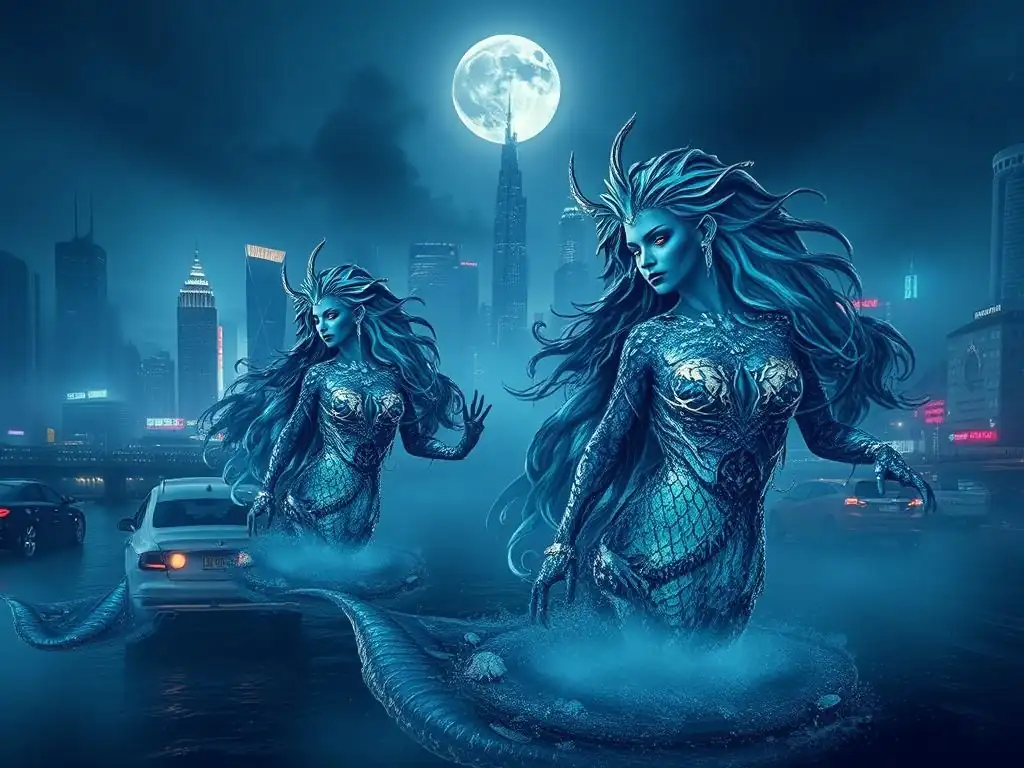
Welcome to Mythology and Legends, where ancient tales come alive! Ever wondered if those captivating myths still whisper in the shadows of our modern world? Delve into Sirens in the City: Mythic Creatures in Urban Fantasy Retellings and discover how legendary beings are reimagined for a new generation. Prepare to be enchanted as we unravel the threads connecting ancient lore to contemporary storytelling, sparking a journey into the realms of mythic creatures urban fantasy. Curious to see what lurks beyond the veil? Read on...
- Exploring the Allure of Mythic Creatures in Urban Fantasy
- Sirens Reimagined: From Ancient Lore to Urban Landscapes
- Key Themes and Motifs in Urban Fantasy Siren Stories
- Case Studies: Notable Siren Characters in Urban Fantasy Literature
- The Impact of Urban Fantasy Sirens on Modern Culture
- The Future of Sirens in Urban Fantasy
-
Frequently Asked Questions
- What are the key characteristics of urban fantasy retellings featuring mythic creatures?
- How do sirens, specifically, adapt to or interact with the urban environment in these stories?
- What role does folklore play in shaping the portrayal of mythic creatures like sirens in urban fantasy?
- Why is there growing popularity in using mythic creatures in urban fantasy literature?
- How does the use of mythic creatures like sirens enhance the themes explored in urban fantasy narratives?
- Final Reflection: Echoes of Myth in the Concrete Jungle
- Unleash Your Inner Mythmaker: Reimagine Urban Legends!
Exploring the Allure of Mythic Creatures in Urban Fantasy
The Enduring Appeal of Mythology in Modern Fiction
Mythology, with its rich tapestry of gods, heroes, monsters, and epic narratives, has captivated human imagination for millennia. Its enduring appeal in modern fiction stems from its ability to tap into universal themes of power, fate, love, loss, and the human condition. These ancient stories provide a deep wellspring of archetypes and narratives that resonate with contemporary readers, offering familiar yet flexible frameworks for exploring complex ideas.
Authors leverage mythological elements not merely as decorative flourishes but as foundational components that lend depth, symbolic weight, and a sense of timelessness to their stories. The recognition of these ancient figures and tales creates an immediate connection with the audience, inviting them into a world that feels both wondrously strange and fundamentally human.
Moreover, the adaptability of mythological figures makes them ideal candidates for reinvention in new contexts. Far from being static relics, myths have always evolved through retelling and cultural exchange. Modern fiction continues this tradition, allowing writers to explore different facets of well-known entities like sirens, vampires, or fae.
This process of reinterpretation allows authors to comment on contemporary society, explore modern anxieties, or simply offer fresh perspectives on classic conflicts. The inherent power and mystery associated with mythic creatures urban fantasy settings thrive on this dynamic interaction between the ancient and the modern, proving that the echoes of myth are far from silent in our world.
Defining Urban Fantasy: Where Myth and Metropolis Collide
Urban fantasy is a subgenre of fantasy characterized by its setting: a recognizable real-world city, where elements of myth, magic, and the supernatural coexist, often secretly, with everyday life. Unlike high fantasy which typically takes place in entirely invented worlds, urban fantasy grounds its fantastical elements in familiar metropolitan landscapes.
This juxtaposition is key to the genre's appeal; it suggests that the extraordinary is not confined to distant realms but lurks just beneath the surface of our mundane reality, perhaps down a forgotten alleyway, in a hidden club, or within a seemingly ordinary apartment building. The city itself often becomes a character, its history, architecture, and diverse populations providing fertile ground for mythological integration.
The core of urban fantasy lies in the collision between the ancient and the modern. Mythic creatures urban fantasy narratives explore how beings from folklore and legend adapt (or fail to adapt) to the complexities of urban life, technology, and contemporary social structures. A dragon might run a multinational corporation, a werewolf could be a police detective, and a siren might be a popular nightclub singer.
This blending of disparate elements creates inherent tension and opportunity for conflict, humor, and profound social commentary. The genre allows for a grounded exploration of fantastical concepts, asking what it would really be like if these creatures walked among us, navigated traffic, paid taxes, and dealt with the myriad challenges of 21st-century existence.
Sirens Reimagined: From Ancient Lore to Urban Landscapes
The Siren's Song: A History of Enchantment and Danger
The concept of the siren originates in ancient Greek mythology, perhaps most famously depicted in Homer's Odyssey, where Odysseus and his crew encounter these seductive, dangerous creatures. Classically, sirens were described as composite beings, often depicted with the heads of women and the bodies of birds, or sometimes as mermaids. Their primary characteristic was their irresistible singing voice, which lured sailors to their doom on rocky shores. The siren's song wasn't just beautiful; it often promised knowledge, particularly of the past and future, making the temptation intellectual and existential as well as sensual.
Over centuries, the image and interpretation of the siren have evolved, influenced by various cultural retellings and artistic depictions. While the core elements of enchanting song, dangerous allure, and association with the sea remain, the siren has been reinterpreted in countless ways.
In some traditions, they embody the perils of the sea itself; in others, they represent the dangers of female sexuality or forbidden knowledge. This historical malleability makes the siren a particularly rich subject for modern retellings, allowing authors to pick and choose which aspects of the myth they wish to emphasize or subvert when placing these mythic creatures urban fantasy settings.
Urban Siren Archetypes: The Rockstar Siren, The Corporate Siren, The Gangland Siren
When sirens are brought into the urban fantasy genre, their classic attributes are often reframed to fit the metropolitan environment, giving rise to distinct urban siren archetypes. The most common is perhaps the Rockstar Siren, whose enchanting voice finds a natural outlet on the stage of a packed nightclub or concert hall.
Their performances are not just entertainment but acts of subtle or overt magical compulsion, drawing fans into obsessive devotion or even leading them to ruin. This archetype directly translates the siren's ancient power of vocal enchantment into a modern context, leveraging the power of mass media and celebrity culture.
Beyond the obvious musical manifestation, sirens can inhabit other urban roles. The Corporate Siren uses their persuasive voice and inherent allure not to crash ships, but to navigate the treacherous waters of business and finance. They might be ruthless CEOs, cunning lawyers, or manipulative politicians, using their hypnotic charm in boardrooms and negotiations to gain power and wealth.
Another intriguing archetype is the Gangland Siren, whose influence operates in the shadows of the city's criminal underworld. Their "song" might be the power of persuasion used to control crews, extract information, or enforce loyalty, making them formidable figures in the urban jungle where different kinds of dangers lurk than rocky coasts. These diverse archetypes demonstrate how the core siren myth adapts to reflect the varied power structures and social dynamics of modern cities.
Shifting Interpretations: How Urban Fantasy Alters the Siren Myth
Urban fantasy fundamentally alters the siren myth by removing the creature from its traditional maritime environment and placing it within a human-dominated, technologically advanced world. This shift necessitates significant changes to the siren's nature and abilities. The classic danger of shipwrecks becomes irrelevant, replaced by new urban hazards and opportunities for manipulation.
Instead of luring sailors to their deaths on rocks, urban sirens might lead victims to financial ruin, emotional devastation, or even orchestrated "accidents" within the city's complex infrastructure. The "song" itself might not be limited to literal singing but could manifest as incredibly persuasive speech, telepathic suggestion, or even influence broadcast through electronic media.
Furthermore, urban fantasy often explores the siren's perspective, moving beyond their portrayal as mere monsters. Authors delve into their motivations, challenges, and internal lives. How do they perceive humanity? What are their goals in a world without ships to wreck?
Do they struggle with their own nature? This allows for more nuanced characters who might be protagonists, anti-heroes, or complex antagonists, rather than simple forces of nature. By exploring their integration into human society, urban fantasy also uses sirens to comment on themes of assimilation, prejudice, and the struggle to maintain one's identity when you are inherently "other." This recontextualization breathes new life into the ancient myth, making the mythic creatures urban fantasy versions compelling figures for contemporary audiences.
Key Themes and Motifs in Urban Fantasy Siren Stories
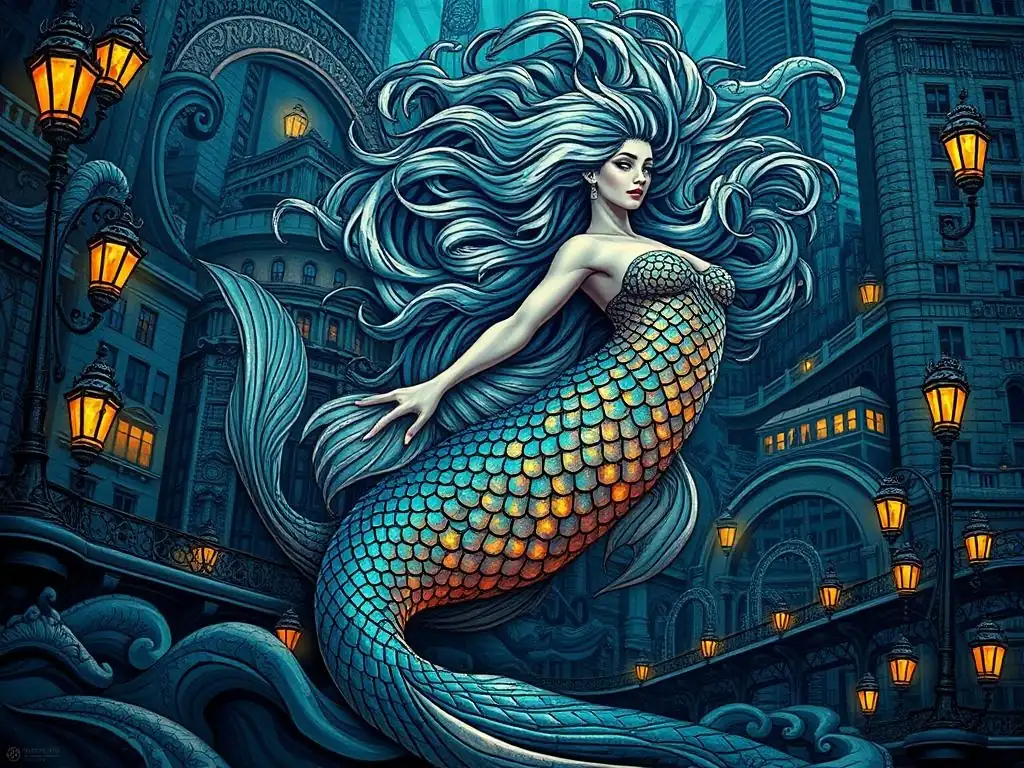
A central theme in many urban fantasy stories featuring sirens is the exploration of power and control within the complex social and political structures of a modern city. Sirens, by their very nature, possess an inherent power to influence and control others through their voice and presence. When placed in an urban environment, this power is often directed towards navigating or dominating human systems.
They might use their abilities to climb corporate ladders, gain political influence, or control criminal enterprises. The narrative often explores the various ways this power can be wielded – subtly through charm and persuasion, or overtly through hypnotic command.
Stories frequently examine the corrupting influence of this power and the ethical dilemmas sirens face. Does using their natural abilities to gain advantage make them inherently predatory, or is it simply a tool for survival in a competitive world?
For instance, a siren character might grapple with the morality of using their voice to secure a multi-million dollar deal versus earning it through merit, or using it to escape a dangerous situation versus facing the consequences. The urban setting provides a multitude of arenas for these power dynamics to play out, from controlling media narratives to influencing stock markets, making the siren's ancient ability to compel a potent force in the modern world of mythic creatures urban fantasy.
Identity and Otherness: Exploring Siren Identity in a Human World
Another significant theme is the exploration of identity and otherness from the siren's perspective. As creatures of myth living among humans, sirens often face challenges related to belonging, acceptance, and understanding their own nature. They are inherently different, possessing abilities and perhaps physical traits that set them apart. This can lead to feelings of isolation, the need to hide their true selves, or the struggle to reconcile their mythological heritage with their contemporary existence. Narratives often delve into the psychological impact of being a mythic creature urban fantasy, navigating a world not built for them.
Characters might grapple with questions of what it means to be a siren in a world without ancient ships and rocky shores. Does their identity reside in their power, their connection to water (if retained), or their ability to live among humans? Some stories feature sirens who try to fully assimilate, suppressing their abilities, while others embrace their nature, perhaps finding communities of other supernatural beings.
The theme of otherness is often used to parallel real-world issues of prejudice and discrimination, exploring how societies react to those perceived as different or dangerous. This allows urban fantasy siren stories to offer commentary on social dynamics and the complexities of identity in a diverse, often fearful, world.
Love and Loss: The Romantic Entanglements of Urban Fantasy Sirens
Love and loss are recurring motifs, often complicated by the siren's nature and the urban fantasy setting. The siren's allure, traditionally tied to deadly temptation, creates inherent tension in romantic relationships. Can a siren form a genuine, non-compulsive bond? What happens when their natural ability to enchant clashes with true affection? Stories explore the difficulties sirens face in love, whether it's the fear of accidentally harming a partner, the challenge of finding someone who can resist or understand their power, or the societal prejudices they might encounter when attempting relationships with humans or other supernatural beings.
Furthermore, the theme of loss is poignant for creatures who might have extremely long lifespans compared to humans. Urban fantasy often depicts the pain of outliving mortal partners or the danger their lifestyle poses to those they care about.
A siren might be a figure of tragic romance, their ability to draw others close inevitably leading to heartbreak or destruction. These narratives use the siren's mythic qualities to explore universal themes of connection, vulnerability, and the cost of love, demonstrating that even mythic creatures urban fantasy settings are susceptible to the profound emotional experiences that define the human condition, often with amplified stakes due to their unique nature.
Case Studies: Notable Siren Characters in Urban Fantasy Literature
Rivers Solomon's An Unkindness of Ghosts: A Deep Dive into Aster's Found Family and Resistance
While not featuring traditional sirens, Rivers Solomon's An Unkindness of Ghosts provides a powerful example of how the core themes associated with water spirits, voice, and marginalization can be explored in a speculative, urban-like environment (a multi-generational spaceship structured like a segregated society). The protagonist, Aster, a healer living in the lowest, most oppressed decks of the ship Mathilda, embodies resilience and seeks forbidden knowledge. The novel uses the ship's structure, particularly the lower decks where living conditions are harsh and dangerous, as a metaphor for systemic oppression, akin to an urban environment with stark inequalities.
Aster's journey, her connection to the hidden history of the ship, and her role in a community of marginalized individuals resonate with the themes of otherness and resistance often found in mythic creatures urban fantasy narratives. Although the specific mythological creature is absent, the novel's exploration of power structures, identity within a restrictive system, and the search for truth parallels the struggles urban fantasy sirens face.
The "voice" in this context is less a magical song and more the suppressed narratives and histories of the oppressed, which Aster seeks to uncover, highlighting how core mythological concepts can be abstracted and powerfully reinterpreted in speculative fiction.
Ben Aaronovitch's Rivers of London: Analyzing the Portrayal of Water Spirits in London
Ben Aaronovitch's Rivers of London series, a prime example of urban fantasy, features various mythological and folkloric entities, including powerful water spirits personifying London's rivers. While not strictly "sirens" in the classical sense, characters like Mama Thames and her daughters (representing tributaries like the Fleet, Tyburn, etc.) embody many siren-like qualities. They are ancient, powerful, tied to specific bodies of water within the city, possess immense influence, and have complex, often dangerous, relationships with humans and the supernatural world.
Mama Thames, as the primary river goddess, exerts matriarchal control over her domain and offspring, demonstrating a form of power distinct from human political structures. Her daughters, like Fleet, are depicted with varying personalities and levels of integration into London life, from powerful, ethereal beings to those who might live more discreetly.
Their presence highlights how ancient, elemental forces exist alongside modern urban infrastructure – the rivers flow beneath buildings and streets, a constant reminder of the city's deeper, magical reality. These water spirits, as mythic creatures urban fantasy, are integral to the fabric of London, their moods and conflicts directly impacting the city and the protagonist, Peter Grant, demonstrating how mythological entities can be woven into the very geography of an urban fantasy setting.
Seanan McGuire's Rosemary and Rue: Examining the Fae-Human Relationship in a Modern Context
Seanan McGuire's October Daye series, beginning with Rosemary and Rue, is a foundational work in modern urban fantasy featuring the Fae (Fair Folk) living secretly alongside humans. While the series focuses broadly on the Fae courts, it includes various types of Fae, some of whom possess abilities akin to siren-like enchantment or manipulation. The novels extensively explore the complex and often dangerous interactions between the Fae and mortal worlds, a dynamic highly relevant to how mythic creatures urban fantasy settings handle the integration of mythological beings.
The protagonist, Toby Daye, is a half-human, half-Fae changeling, constantly navigating the divide between both worlds. Her struggles with identity, belonging, and the consequences of Fae power mirror themes seen in siren narratives. The series depicts a hidden society with its own rules, politics, and ancient grudges existing within and beneath the human world, similar to how urban fantasy posits a secret supernatural layer over a mundane city.
While not exclusively about sirens, the Fae courts contain beings with compelling voices and manipulative abilities, and the overarching theme of ancient, powerful beings interacting with modern society provides a strong parallel to siren stories set in urban landscapes. The series demonstrates how the presence of mythic creatures urban fantasy forces characters to confront the boundaries between worlds and the inherent dangers of supernatural power.
The Impact of Urban Fantasy Sirens on Modern Culture
Siren Symbolism in Contemporary Art and Media
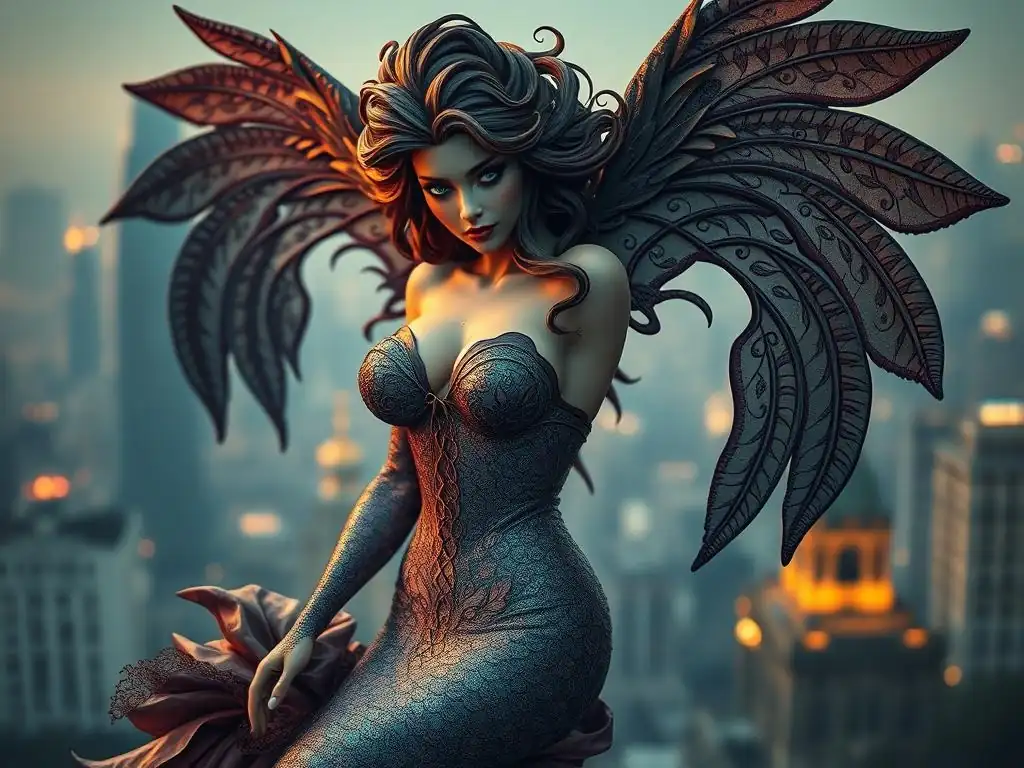
The figure of the siren, particularly its modern urban fantasy interpretation, has permeated contemporary art and media, influencing how this mythic creature urban fantasy is perceived. In music, the siren archetype is often invoked to describe female artists with captivating, powerful voices who exert a strong, sometimes overwhelming, influence over their audience. This can range from pop icons known for their charismatic stage presence to indie artists with haunting, ethereal vocals. Visual art draws on the siren's dual nature – beauty and danger – depicting them in modern settings, often blending classical imagery with contemporary fashion or urban backdrops.
Fashion and design have also seen the siren's influence, with trends incorporating elements of aquatic themes, alluring silhouettes, and captivating, sometimes unsettling, aesthetics. In film and television, while direct siren characters might be less common than vampires or werewolves, the mythic creature urban fantasy trope of hidden, powerful beings influencing the human world is a staple, and characters with hypnotic voices or irresistible charm often draw inspiration from siren lore. This pervasive symbolism reflects a cultural fascination with powerful, alluring female figures who operate outside conventional norms, embodying both desire and potential destruction.
The Popularity of Mythic Creatures in Urban Fantasy Trends
The popularity of mythic creatures urban fantasy is undeniable, and sirens are part of this broader trend. Readers are drawn to the idea that the ancient world is not gone but merely hidden, interacting with our own in unexpected ways. This fascination fuels a robust market for novels, comics, and games featuring beings from folklore and mythology navigating modern challenges. Vampires, werewolves, fae, and various other pantheons' deities and monsters populate bestseller lists and streaming platforms.
The specific appeal of sirens within this trend lies in their unique blend of human-like appearance (in many modern interpretations) and potent, non-physical power (the voice). They offer a different kind of conflict than purely physical monsters. Their danger is often psychological, emotional, or manipulative, which resonates in a world increasingly defined by information control and social influence.
The adaptability of the siren myth allows authors to create diverse characters, from tragic figures to cunning manipulators, ensuring they remain a compelling presence in the ever-evolving landscape of mythic creatures urban fantasy. Industry reports, while fluctuating, consistently show strong consumer interest in fantasy subgenres that blend the supernatural with contemporary settings, with creatures from folklore being a significant draw.
Why Urban Fantasy Sirens Resonate with Modern Audiences: A Reflection of Female Empowerment and Societal Critique
Urban fantasy sirens resonate deeply with modern audiences for several key reasons, often serving as potent symbols for contemporary issues. Firstly, their inherent power, particularly the power of their voice and influence, can be interpreted through the lens of female empowerment. In a historical context where women's voices were often silenced or dismissed, the siren figure, who commands attention and compels action through sound, offers a powerful counter-narrative.
Modern retellings often portray sirens as complex, agentic characters who use their abilities to survive, thrive, or challenge patriarchal structures within the urban environment. This resonates with audiences interested in strong female characters and explorations of power dynamics.
Secondly, the siren's traditional association with danger and temptation, when placed in a modern urban setting, can serve as a vehicle for societal critique. Their ability to expose hidden desires, manipulate systems, and thrive in the city's underbelly can highlight the corrupting influences of power, wealth, and urban anonymity.
The siren's song, once luring sailors to physical death, might now symbolize the seductive but destructive calls of consumerism, social media validation, or political extremism. By depicting mythic creatures urban fantasy like sirens navigating these challenges, authors can offer commentary on the moral compromises and hidden dangers of modern life, making these ancient figures surprisingly relevant to contemporary anxieties and aspirations.
The Future of Sirens in Urban Fantasy
Emerging Trends in Mythic Creature Retellings
The landscape of mythic creatures urban fantasy is constantly evolving, with several emerging trends likely to shape the future of siren narratives. One significant trend is the move towards greater diversity and intersectionality in character portrayal. Future siren stories are likely to feature more sirens of color, explore LGBTQ+ identities within the siren community, and delve into the experiences of sirens with disabilities or from marginalized backgrounds. This reflects a broader push in fantasy literature to move beyond traditional, often Eurocentric, archetypes and create more inclusive and representative worlds.
Another trend is the increased focus on the ecological aspects of mythic creatures. While urban sirens are detached from the sea, future stories might explore their connection to urban waterways, polluted rivers, or even digital "currents" of information. This could tie siren narratives into themes of environmentalism, urban decay, or the impact of technology on ancient beings. Finally, there's a growing interest in blending urban fantasy with other genres, such as cyberpunk, horror, or romance, which could lead to innovative interpretations of the siren myth, placing them in even more unexpected and challenging urban futures.
Diversifying the Siren Narrative: Exploring Different Cultural Water Spirits and Their Stories
A crucial direction for the future of siren narratives in urban fantasy is the diversification of the underlying mythology. The classical Greek siren is just one form of alluring, dangerous water spirit found in global folklore. Exploring figures like the Rusalka from Slavic mythology, the Mami Wata from West African and Caribbean traditions, the Undine from European folklore, or various river and lake spirits from Asian and indigenous cultures offers a vast, untapped source of inspiration.
Each of these cultural figures brings unique characteristics, motivations, and mythologies that differ significantly from the Greek siren. A Rusalka, often the vengeful spirit of a drowned woman, offers different narrative possibilities than a classical siren. A Mami Wata, associated with both danger and fortune, wealth, and healing, presents a more complex figure. Incorporating these diverse mythic creatures urban fantasy characters enriches the genre, provides opportunities for authors from different cultural backgrounds to tell their stories, and offers readers fresh perspectives on the theme of alluring water spirits navigating urban life, moving beyond a single, dominant mythological source.
The Enduring Legacy of the Siren in Urban Storytelling
Despite their ancient origins, sirens are poised to maintain their enduring legacy in urban storytelling. Their core attributes – the power of voice, irresistible allure, and inherent danger – remain compelling tools for exploring contemporary anxieties and fascinations. As cities continue to grow and evolve, providing ever-more complex social, political, and technological landscapes, the figure of the siren offers a flexible archetype for examining themes of influence, manipulation, identity, and survival in the urban jungle.
The ability of urban fantasy to ground the fantastical in the familiar ensures that sirens, no matter how they are reinterpreted, will remain relatable figures whose struggles and triumphs resonate with readers. Whether they are depicted as tragic figures, cunning manipulators, or complex survivors, the mythic creature urban fantasy version of the siren will continue to sing its captivating, cautionary tune through the concrete canyons and hidden waterways of fictional metropolises, reminding us that even in the most modern settings, the echoes of ancient myths are never truly silent.
Frequently Asked Questions
What are the key characteristics of urban fantasy retellings featuring mythic creatures?
Urban fantasy retellings typically place mythic creatures like sirens in modern, urban settings. They often explore themes of hidden worlds and the clash between the mundane and the magical, incorporating contemporary social issues.
How do sirens, specifically, adapt to or interact with the urban environment in these stories?
Sirens in urban fantasy often adapt by concealing their true nature and integrating into society. Their interaction can range from manipulating humans with their voices to forming complex relationships and alliances.
What role does folklore play in shaping the portrayal of mythic creatures like sirens in urban fantasy?
Folklore provides the foundational elements for siren characteristics and powers. Urban fantasy retellings then reimagine these elements within a modern context, often adding new dimensions to their motivations and struggles.
Why is there growing popularity in using mythic creatures in urban fantasy literature?
The appeal lies in the fresh perspectives on classic myths and the exploration of timeless themes like power, identity, and morality. Urban fantasy allows readers to connect with ancient stories in relatable, contemporary settings.
How does the use of mythic creatures like sirens enhance the themes explored in urban fantasy narratives?
Mythic creatures can symbolize marginalized groups or represent the hidden potential within individuals. Their presence often amplifies themes of social inequality, environmental concerns, and the struggle for self-acceptance.
Final Reflection: Echoes of Myth in the Concrete Jungle
The resurgence of mythic creatures in urban fantasy isn't just a literary trend; it's a powerful reflection of our anxieties and aspirations in a rapidly changing world. These reimagined creatures, inhabiting the familiar streets and shadows of our cities, offer a potent commentary on the complexities of modern life, forcing us to confront both our deepest fears and our most fervent hopes. They are, in essence, mirrors reflecting our own multifaceted selves back at us.
The enduring appeal of these stories lies in their ability to tap into our collective unconscious, weaving together ancient myths with contemporary concerns. These narratives resonate because they provide a framework for understanding the chaos and uncertainty of urban existence. They offer a sense of the magical, the uncanny, even the terrifying, existing alongside the mundane. As Neil Gaiman so eloquently put it: Fairy tales are more than true: not because they tell us that dragons exist, but because they tell us that dragons can be beaten.
This sentiment perfectly encapsulates the enduring power of these narratives – they offer not only escapism but also a sense of empowerment in the face of adversity.
Consider the stories you've read, the films you've seen, the games you've played featuring these creatures. How have these retellings shaped your understanding of myth and its relevance to the modern world? I invite you to reflect on the ways in which these urban fantasy narratives resonate with your own experiences, and to consider how the enduring power of myth can help us navigate the complexities of our own lives. Let the echoes of these ancient stories guide you, reminding you of the strength and resilience that lie within, even amidst the concrete jungle.
Unleash Your Inner Mythmaker: Reimagine Urban Legends!
Thanks for diving into the captivating world of urban fantasy and its mythic retellings! We hope you gained a fresh perspective on how ancient legends can be reimagined in modern settings. Now it's time to put your newfound knowledge into action.
- Craft your own urban myth: Think about a familiar creature from mythology – a siren, a sphinx, a griffin – and imagine how it might exist in your city. What powers would it have? What secrets would it guard? Write a short story or even just a character sketch!
- Share your ideas: Discuss your urban myth creations in the comments below. Let's build a collaborative world of fantastical creatures!
- Explore related articles: Dive deeper into the world of mythology and urban fantasy by browsing our other insightful articles on MythologyAndLegends.org. Discover even more fascinating creatures and stories waiting to be uncovered.
What modern-day myth would you create, and how would it impact the urban landscape?