
The Changeling Myth: When Fairies Steal Human Children

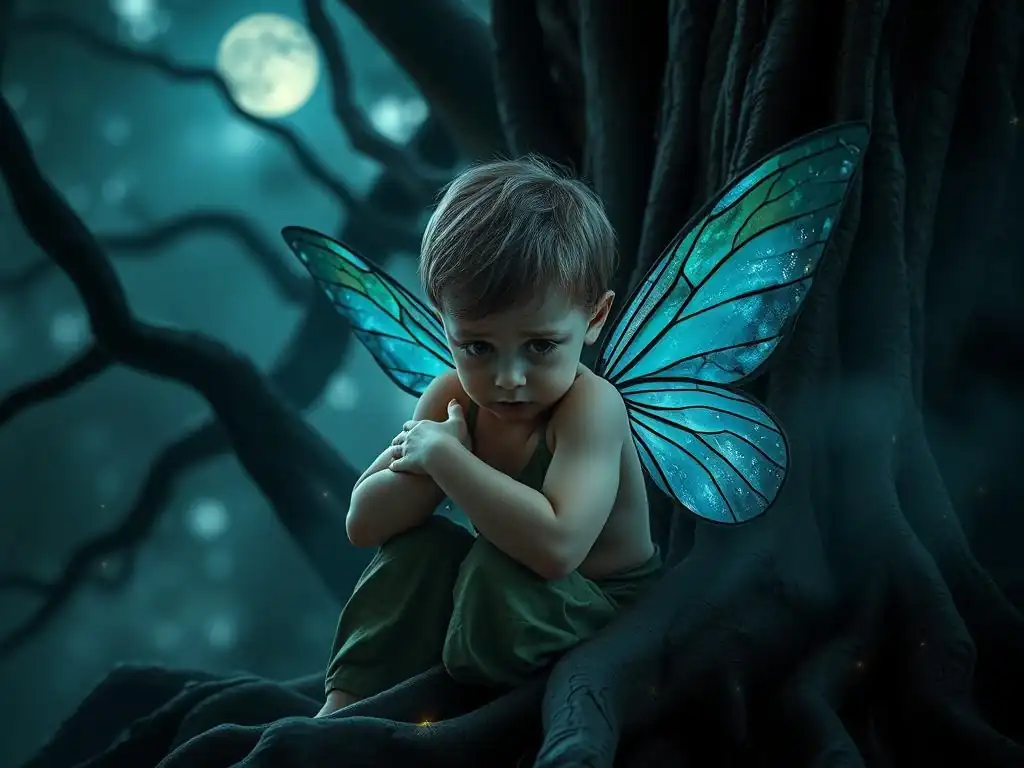
Welcome to Mythology and Legends, where we delve into the captivating stories that have shaped civilizations. Ever wondered about the dark side of the fairy realm? Prepare to journey into the unsettling world of Fairy child abduction folklore. What happens when the enchanting creatures of myth cast a shadow on human lives, and what secrets are hidden within the legend of the changeling? Unravel the mysteries and explore the chilling tales that echo through generations...
- The Changeling Myth: A Reflection of Societal Anxieties and Unexplained Illness
- Introduction to Changeling Folklore
- Origins of the Changeling Myth: Historical and Cultural Context
- Identifying a Changeling: Traditional Signs and Explanations
- Motivations Attributed to Supernatural Entities: Why Replace Human Children?
- Global Variations in Changeling Folklore
- Countermeasures and Protection Rituals: Combating the Perceived Threat
- The Changeling in Literature and Art: Exploring Themes of Identity and Otherness
- Psychological and Sociological Interpretations: Understanding the Underlying Fears
- The Legacy of Changeling Legends: Their Impact on Modern Understanding
- Conclusion: The Enduring Relevance of Changeling Folklore
-
Frequently Asked Questions
- What is a changeling, according to Fairy child abduction folklore?
- Why were fairies believed to steal human children, as described in "The Changeling Myth"?
- What were some methods people used to try and identify a changeling?
- How did the belief in changelings impact society, particularly concerning the care of children?
- Is the "Changeling Myth" still relevant today, and how does it connect to contemporary society?
- Final Reflection: Echoes of the Changeling Myth in a Modern World
- Unveil the Secrets of the Changeling Myth!
The Changeling Myth: A Reflection of Societal Anxieties and Unexplained Illness
Introduction to Changeling Folklore
The Enduring Appeal of Folklore and the Fear of the Unknown
Folklore, in its myriad forms, serves as a cultural mirror, reflecting the deepest fears, hopes, and explanations for the inexplicable that have resonated across generations. Among the most persistent and haunting narratives is the changeling myth, a stark example of how societies grappled with the unknown, particularly concerning the welfare and health of children.
This branch of Fairy child abduction folklore speaks to a primal human vulnerability: the fear of losing a loved one, not to death, but to an insidious, supernatural replacement that wears their face yet is fundamentally alien. The stories, passed down through oral tradition and later recorded, provided a framework for understanding tragedy and difference in a world lacking scientific or medical explanations.
The enduring appeal of this particular facet of Fairy child abduction folklore lies in its potent combination of the familiar and the terrifyingly strange. It posits that the creatures of myth are not just distant entities but are capable of directly interfering with human life, snatching away the most innocent and vulnerable members of society – children. This narrative provided a cultural script for communities to process grief, suspicion, and the profound distress caused by unexplained illnesses, developmental delays, or behavioral issues in children.
It offered a supernatural culprit for earthly woes, allowing for a collective understanding and, in some cases, prescribed actions, however misguided or harmful they might seem today. The myth's persistence across centuries and cultures underscores the universal nature of parental anxiety and the human need to find meaning in suffering.
Defining Changeling Beliefs: A Substitute for the Real Child
At its core, the changeling belief posits that supernatural beings, most commonly fairies or other spirits, steal a human child and replace it with one of their own. This substitute, the "changeling," is often described as sickly, ill-tempered, or possessing unnatural characteristics, designed to deceive the human parents into caring for the fairy offspring. The stolen human child, meanwhile, is typically taken to the fairy realm, sometimes to be raised as one of their own, used as a servant, or simply kept for unknown reasons.
The concept is predicated on a perceived exchange: a valuable human child for a less desirable fairy child, or perhaps a fairy child deemed too weak for their own world. Within the complex tapestry of Fairy child abduction folklore, the changeling represents a concrete manifestation of fairy interference in the human world. Unlike simple abductions where a child might vanish, the changeling provides a physical, albeit false, presence left behind.
This substitute child was the focus of parental fear and community suspicion, becoming a tangible symbol of the supernatural intrusion and the loss it represented. The definition of a changeling varied regionally, but the central theme remained constant: the child in the cradle was not the child born to the parents; it was an imposter left by magical beings.
Origins of the Changeling Myth: Historical and Cultural Context
Pre-Christian Beliefs and the Fear of Malevolent Entities
The roots of the changeling myth stretch deep into pre-Christian European belief systems, long before the widespread adoption of Christianity. Ancient cultures often populated the natural world with a host of spirits, deities, and elemental beings, many of whom were capricious, indifferent, or outright malevolent towards humans.
Forests, rivers, mountains, and even hearths were believed to be inhabited by entities that could influence human fortunes, both good and ill. Within this animistic worldview, the idea of spirits interfering directly with human life, including the theft of children, was a natural extension of their perceived power over the natural world and human destiny.
These early beliefs about supernatural child abduction were not solely tied to the amiable, winged figures sometimes associated with modern fairies. More often, the entities were depicted as uncanny, powerful beings dwelling in parallel realms or hidden corners of the human world. They might be associated with the wilderness, the night, or specific natural phenomena.
The vulnerability of infants and young children, coupled with high rates of infant mortality and childhood illness in these periods, made them particularly susceptible targets in the popular imagination. The concept of a child being stolen by these powerful, unseen forces provided a framework for understanding these losses and dangers within a spiritual context, predating and later intertwining with the developing narratives of Fairy child abduction folklore.
The Role of Disease and Disability in Shaping Changeling Beliefs
A significant factor in the shaping and perpetuation of the changeling myth was the lack of medical understanding regarding childhood diseases, developmental delays, and disabilities. In eras without modern medicine, conditions such as failure to thrive, genetic disorders, autism, epilepsy, or severe illnesses like tuberculosis or rickets could drastically alter a child's appearance, behavior, or physical capabilities. A child who was born healthy but later became sickly, cried incessantly, failed to grow, or exhibited unusual behaviors might be perceived as fundamentally changed – no longer the original child.
This perceived transformation, coupled with the inability to cure or explain the condition, made the supernatural explanation of a changeling exchange tragically plausible. Instead of recognizing a medical issue, parents and communities might interpret the child's physical frailty, unusual cries, or developmental differences as signs of a non-human nature. Historical accounts and folklore collections frequently describe changelings as having wrinkled skin, being unnaturally thin, crying constantly without apparent cause, or exhibiting precocious or disturbing behavior.
This interpretation, sadly, often led to neglect, abuse, or even attempts to force the "changeling" to reveal its true nature or return the human child, sometimes with fatal consequences for the afflicted child. The changeling myth thus became a deeply ingrained part of Fairy child abduction folklore, providing a culturally accepted, albeit harmful, lens through which to view childhood suffering and difference.
Identifying a Changeling: Traditional Signs and Explanations
Physical Differences and Developmental Delays: Perceived "Tell-tale" Signs
Folklore provided a grim checklist for identifying a changeling, often focusing on perceived physical deviations and developmental abnormalities. These signs were, tragically, often manifestations of real medical conditions or natural variations in child development. A child who was suspected of being a changeling might be described as having an unusually large head, spindly limbs, or an aged appearance despite their young age. Failure to thrive, marked by extreme thinness and a lack of growth, was a frequently cited sign.
Furthermore, developmental delays were often interpreted through the lens of Fairy child abduction folklore. A child who did not walk or talk at the expected age, or who exhibited significant cognitive differences, could be viewed with suspicion.
Constant crying, especially at night, was another common indicator, believed to be the changeling's expression of discomfort or longing for its own realm. While these characteristics are now understood as symptoms of various medical conditions or developmental stages, in the context of the changeling myth, they were terrifying proof that the beloved child had been replaced by a fairy substitute, solidifying the grip of this particular strand of Fairy child abduction folklore on communities.
The Changeling's Atypical Behavior: Attributing Differences to Supernatural Causes
Beyond physical signs, a changeling was often characterized by behavior deemed unnatural or disturbing. This could range from excessive irritability and tantrums to uncanny silence or an unsettlingly adult gaze. Some tales describe changelings as possessing unnatural strength or exhibiting bizarre, non-childlike knowledge or skills, such as playing musical instruments with surprising proficiency or speaking with the wisdom of an elder.
The most feared behavioral trait was often malevolence or spite. Changelings were sometimes depicted as causing discord within the family, bringing bad luck, or even harming other family members. This attribution of negative or unusual behavior to supernatural causes provided an explanation for familial stress or misfortune.
It also served to dehumanize the child, making it easier for the parents or community to believe it was not their own flesh and blood, but a fairy imposter. This aspect of the myth reinforced the narrative of Fairy child abduction folklore not just as a loss, but as an active threat left within the home.
Protection Methods Against Changelings: Rituals and Superstitions
Given the pervasive fear of Fairy child abduction folklore, numerous rituals and superstitions developed to protect children from being stolen or to identify and expel a suspected changeling. These practices varied by region but often involved symbolic actions or the use of specific materials believed to have power over supernatural entities.
Common protection methods included:
- Keeping iron objects near the cradle or child.
- Placing salt on the child or in their clothing.
- Leaving an open Bible or other holy object nearby.
- Avoiding praising the child too much in public (to not attract attention).
- Ensuring the child was baptized quickly after birth.
- Never leaving an infant unattended, especially at night or near thresholds.
These rituals were deeply ingrained in daily life in areas where belief in Fairy child abduction folklore was strong. They represented proactive measures taken by parents and communities to safeguard their children against the unseen dangers lurking in the world, offering a sense of agency in the face of overwhelming fear and vulnerability.
Motivations Attributed to Supernatural Entities: Why Replace Human Children?
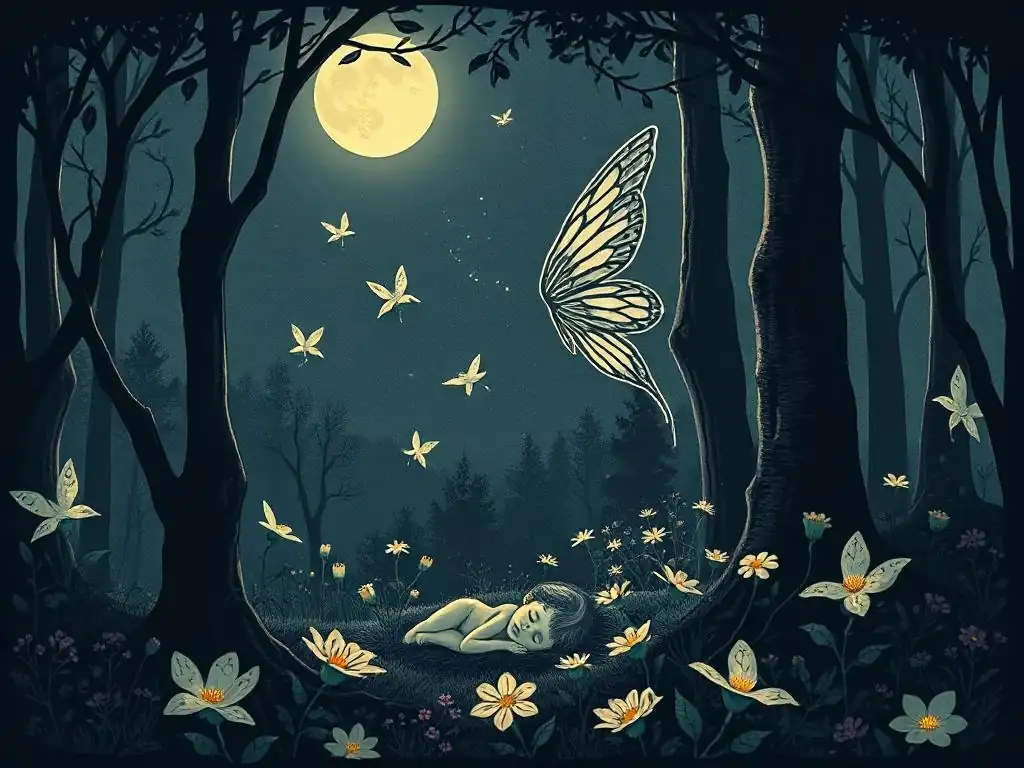
Seeking Healthy Offspring: A Rationalization for Unexplained Birth Defects
One frequently cited motivation within Fairy child abduction folklore is the fairies' desire to acquire healthy, robust human children to improve their own lineage or community. According to some tales, fairy children were sometimes born sickly, frail, or deformed. Unable or unwilling to care for their own ailing offspring, the fairies would seek out a healthy human child – often noted for its beauty or vitality – and swap it for their own less desirable infant.
This narrative provided a tragic explanation for parents whose seemingly healthy newborn suddenly became ill, failed to thrive, or exhibited significant physical or cognitive differences later in infancy. The belief suggested that the fairies were essentially using humans as unwitting wet nurses or caregivers for their own infirm young.
This motivation paints the fairies not just as malicious, but perhaps also as desperate or pragmatic in their own way, highlighting a perceived weakness in the supernatural realm that they sought to remedy through interaction, albeit harmful, with the human world. It rationalized the inexplicable pain of watching a child suffer or deviate significantly from expected development, attributing it to a deliberate act of supernatural theft and substitution central to Fairy child abduction folklore.
Enslavement or Exploitation: Fears of the Vulnerable Being Taken Advantage Of
Another motivation attributed to the supernatural entities in Fairy child abduction folklore is the desire to acquire human children for labor or service. Stories suggest that the stolen human children might be raised in the fairy realm to become servants, musicians, dancers, or even soldiers. Human children were sometimes believed to possess qualities, such as creativity or emotional depth, that fairies lacked or desired, making them valuable assets.
This interpretation reflects a societal anxiety about vulnerability and exploitation. Children, being physically weaker and dependent, were easy targets. The idea that they could be taken and forced into servitude in a hidden, magical world spoke to fears of powerlessness and the unknown dangers lurking just beyond the perceived safety of home.
It externalized the very real historical fears of child abduction for work or other nefarious purposes into the realm of the supernatural, embedding these anxieties deeply within the fabric of Fairy child abduction folklore. The belief was that the fairies didn't just want a replacement; they wanted the human child for a specific, often exploitative, purpose within their own society.
Revenge or Punishment: Attributing Misfortune to Supernatural Wrath
In some variations of the changeling myth, the abduction is portrayed not as an act of need or opportunism, but as punishment or revenge exacted by the supernatural entities. This could be a consequence of human actions that offended the fairies, such as encroaching on their territory, failing to show proper respect, or breaking a taboo. A child might be stolen as retribution for perceived slights or trespasses committed by the parents or the community.
This motivation frames Fairy child abduction folklore as a form of supernatural justice or capricious cruelty. It reinforced the importance of respecting the unseen world and adhering to traditional customs and beliefs. If a child fell ill or behaved strangely, it might be interpreted as a sign that the family had somehow angered the fairies, and the changeling was the resulting curse or punishment. This perspective added a moral dimension to the myth, suggesting that human behavior could directly influence the likelihood of such a tragedy occurring, placing a heavy burden of responsibility and fear on individuals and communities.
Global Variations in Changeling Folklore
European Changeling Tales: Regional Differences and Common Themes
While the core concept of Fairy child abduction folklore involving a substituted child is prevalent across Europe, specific details, motivations, and the nature of the abducting entities vary significantly by region. Despite these differences, common themes persist, such as the vulnerability of unbaptized infants, the power of iron to ward off the creatures, and the use of cunning or trickery to reveal the changeling's true nature.
Across the continent, these tales served similar cultural functions: explaining childhood illness, processing grief, and reinforcing social norms related to child-rearing and interactions with the natural or supernatural world. The diversity within European changeling folklore highlights how a core narrative adapts to local beliefs, landscapes, and the specific characteristics attributed to the resident supernatural beings, creating a rich tapestry of Fairy child abduction folklore.
Ireland: Faeries, the "Good People," and Child Replacement
In Irish folklore, the entities responsible for changeling exchanges are often the Aos Sí, or the "Good People," a term used to respectfully refer to fairies or spirits to avoid offending them. The belief in Fairy child abduction folklore was particularly strong in Ireland, woven into the fabric of rural life. Children, especially those who were exceptionally beautiful, talented, or unbaptized, were considered vulnerable targets for the Aos Sí.
Irish changeling stories frequently describe the fairy substitute as being wizened, sickly, and possessing an insatiable appetite or an uncanny ability to play music (often the pipes or fiddle) despite their infant appearance. The stolen human child was typically believed to be taken to the fairy mounds or realms, where they might live a glamorous but ultimately alien existence.
Recovering the human child often involved specific rituals, sometimes involving harming or threatening the changeling to force the fairies to return the original. This strong tradition of Fairy child abduction folklore in Ireland reflects a deep cultural connection to the spirit world and a pervasive fear of its potential interference in human affairs.
Scotland: The "Wee Folk" and the Hidden World's Influence on Human Affairs
Scottish folklore shares many similarities with Irish beliefs regarding changelings, with the abducting entities often referred to as the "Wee Folk" or simply "the fairies." The fear of Fairy child abduction folklore was potent in Scotland, particularly in the Highlands and Islands. As in Ireland, unbaptized infants and children with notable qualities were deemed most at risk.
Scottish tales often emphasize the liminal nature of the fairy world and its close proximity to human life. Changeling stories were intertwined with beliefs about fairy mounds, hidden paths, and the dangers of venturing into certain natural spaces. The changeling left behind was typically described as frail, perpetually crying, or unnervingly quiet.
Methods for identifying and dealing with a changeling often involved fire or iron, believed to be abhorrent to the fairies. The Scottish tradition of Fairy child abduction folklore underscores the belief in a parallel reality and the constant potential for its residents to intrude upon and disrupt the human world, with child theft being one of the most tragic manifestations.
Germany: Forest Spirits and the Exchange of Children
Germanic folklore also features beliefs akin to the changeling myth, though the specific entities involved might differ from the Anglo-Irish concept of fairies. Forest spirits, Kobolds, or other nature-bound beings were sometimes blamed for the exchange of children. Tales often situated these events in or near forests or wild places, reflecting the perceived dangers lurking outside the cultivated human environment.
The German changeling, or Wechselbalg (literally "exchange-child"), was typically depicted as monstrous in appearance, with large heads, thin bodies, and voracious appetites. They were often associated with bringing misfortune or bad luck to the household. Unlike some other traditions, German stories sometimes focused more on the monstrous nature of the substitute child itself rather than the fate of the stolen human child.
The methods for dealing with a Wechselbalg often involved harsh measures designed to make the fairy parents reclaim their offspring. This regional variation of Fairy child abduction folklore highlights the diverse forms the fear of supernatural child substitution took across different European cultures.
Beyond Europe: Similar Myths of Child Substitution
While the term "changeling" is most strongly associated with European Fairy child abduction folklore, similar myths involving the substitution of human children by supernatural or malevolent entities exist in other cultures around the world. These parallels suggest a universal human anxiety about child vulnerability, unexplained illness, and the fear of the "other" taking the place of a loved one.
For example, some Native American folklore traditions include stories of malevolent spirits or creatures from the wilderness stealing children and leaving behind false substitutes or illusions. In parts of Asia, beliefs about spirits or demons replacing infants with their own offspring or with inanimate objects animated by dark magic can also be found. These global parallels underscore that the core narrative — the fear of a beloved child being replaced by something alien and potentially harmful — resonates across diverse cultural landscapes, manifesting as a pervasive element of child abduction folklore in various forms.
Countermeasures and Protection Rituals: Combating the Perceived Threat
Iron, Salt, and Other Protective Elements: Warding Off Malevolent Forces
In the face of the terrifying prospect of Fairy child abduction folklore, communities developed a wide array of countermeasures and protection rituals. These practices were based on traditional beliefs about what materials or actions were repellent to the supernatural entities involved in the theft. Among the most common protective elements were iron and salt. Iron, associated with human industry and often believed to disrupt magic, was frequently placed in cradles, on doorsteps, or carried as amulets.
Salt, a preservative and symbol of purity, was also widely used, sprinkled on infants or around the home. Other protective measures included using fire (carrying candles, leaving hearth fires burning), holy objects (crosses, rosaries, Bibles), specific herbs (like rowan or St. John's wort), or even certain rhymes and incantations. These rituals were not merely symbolic; they were deeply serious practices intended to create a physical and spiritual barrier against the entities responsible for Fairy child abduction folklore, providing a sense of control and security in a world where children seemed vulnerable to invisible forces.
Testing and "Curing" the Changeling: Harmful Practices Driven by Fear
Once a child was suspected of being a changeling, desperate parents and communities sometimes resorted to extreme and often cruel methods to confirm their suspicions or force the fairies to return the human child. These "tests" were based on the belief that the changeling, despite its disguise, would reveal its non-human nature under certain conditions or that harming the changeling would provoke the real parents (the fairies) to intervene.
Examples of these dangerous practices, driven by the fear instilled by Fairy child abduction folklore, included:
- Heating an object: Placing a shovel or poker in the fire until red hot and then bringing it near the suspected changeling (or even threatening to burn it). The belief was the changeling would flee or cry out in an unnatural way.
- Making the changeling laugh: Attempting to trick the changeling into performing an act that would reveal its age or nature, such as asking it to perform an impossible task or witnessing something absurd (like brewing beer in an eggshell).
- Starvation or neglect: Depriving the child of food and care, believing that a fairy creature would either leave or reveal itself when neglected.
These practices, while rooted in folklore, tragically led to the abuse and death of countless children suffering from real illnesses or disabilities. They stand as a stark reminder of the devastating real-world consequences that beliefs like Fairy child abduction folklore could have when fear and superstition overshadowed compassion and understanding.
Appeasing the Supernatural: Offerings and Rituals for Restitution
In addition to protective measures and harsh tests, some traditions within Fairy child abduction folklore included rituals aimed at appeasing the supernatural entities or negotiating the return of the stolen child. These involved making offerings to the fairies or performing specific actions believed to be favored by them.
Offerings might include food, milk, or small gifts left in places associated with fairies, such as crossroads, ancient trees, or fairy mounds. Other rituals involved leaving the suspected changeling in a specific location overnight, hoping the fairies would swap it back for the human child. Sometimes, a wise person or cunning individual was consulted to perform a ritual aimed at tricking or compelling the fairies into returning the original child. These methods represented a less confrontational approach than the harsh tests, seeking diplomacy or cleverness rather than force to resolve the tragedy of Fairy child abduction folklore.
The Changeling in Literature and Art: Exploring Themes of Identity and Otherness
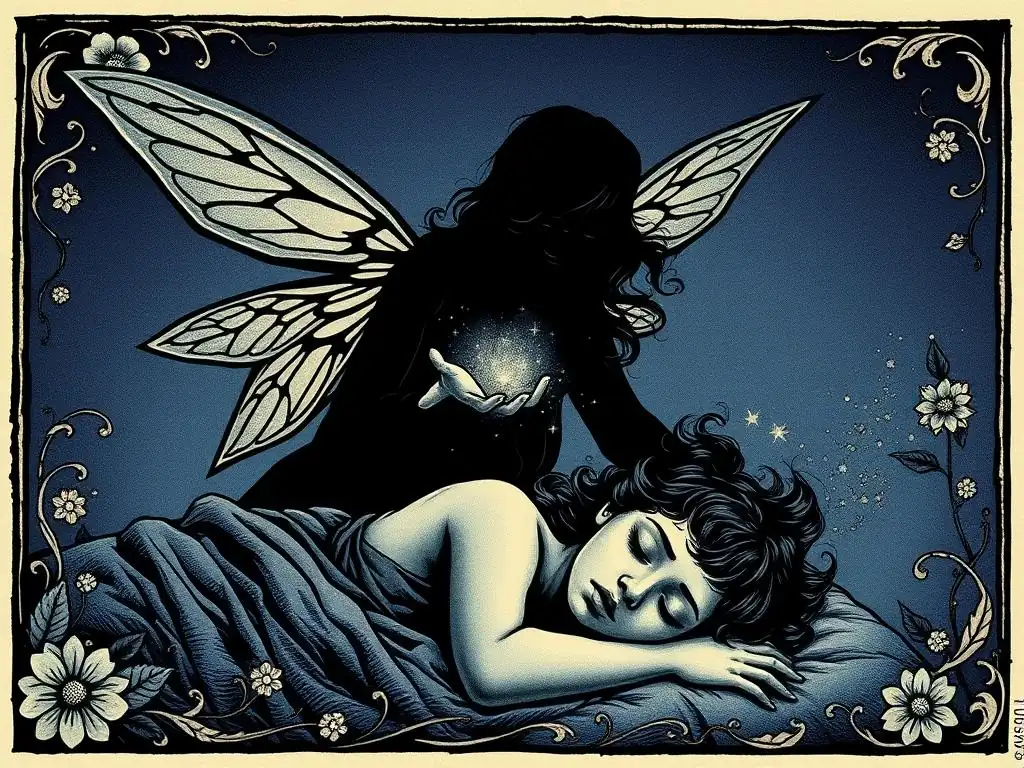
Victorian Era Depictions: Reflecting Societal Concerns and Romanticism
The changeling myth experienced a resurgence in popularity during the Victorian era, appearing frequently in literature, poetry, and art. This period's interest in folklore, the supernatural, and the romanticization of nature provided fertile ground for the changeling narrative. Victorian depictions often blended the traditional fear with a sense of melancholy or wonder, reflecting both societal anxieties and the artistic trends of the time.
Artists and writers used the changeling figure to explore themes of identity, loss, and the uncanny. Poetry, such as William Allingham's "The Fairies" (which includes the famous line "Wee folk, good folk... you steal young babies"), and paintings, like Richard Dadd's unsettling "The Fairy Feller's Master-Stroke," drew upon elements of Fairy child abduction folklore.
These works often highlighted the emotional toll on the human family and the inherent strangeness of the changeling, while sometimes softening the harsher aspects of the traditional myth. They served as cultural touchstones, perpetuating the awareness of Fairy child abduction folklore among a wider, often urbanized, audience.
Contemporary Adaptations: Examining the Changeling Theme in Modern Media
The changeling theme continues to resonate in contemporary literature, film, television, and video games, albeit often reinterpreted through a modern lens. Modern adaptations frequently move away from the literal belief in fairy substitution to explore the underlying psychological and social anxieties the myth represents. The "changeling" figure might become a metaphor for a child who is perceived as different, troubled, or difficult, or the story might explore the parent's struggle to accept a child who doesn't meet their expectations.
Examples can be found in genres ranging from horror (exploring the uncanny substitute) to fantasy (depicting the fairy realm and the fate of the stolen child) to psychological drama (focusing on the parents' breakdown or denial). Some modern takes on Fairy child abduction folklore use the myth to comment on issues of disability, mental illness, or the challenges of parenting. By adapting this ancient narrative, contemporary media keeps the core themes of loss, identity, and the fear of the "other" alive, demonstrating the enduring power and adaptability of Fairy child abduction folklore.
Psychological and Sociological Interpretations: Understanding the Underlying Fears
Explaining the Unexplained: A Symbolic Representation of Trauma, Loss, and Difference
From a psychological perspective, the changeling myth can be seen as a powerful symbolic representation of the human struggle to cope with trauma, loss, and difference, particularly in the context of childhood. The sudden illness or death of a child, a traumatic birth, or the appearance of a child with significant physical or mental differences were deeply distressing events that defied simple explanation in pre-scientific times.
The narrative of Fairy child abduction folklore provided a cultural framework for processing this pain. By attributing the change or loss to an external, supernatural force – the fairies stealing the child and leaving an imposter – parents could externalize their grief, fear, and confusion.
The changeling became a tangible symbol of the unwelcome change or difference, allowing the family and community to distance themselves from the child who was no longer perceived as "theirs." This interpretation highlights how the myth functioned as a coping mechanism, albeit a potentially harmful one, for dealing with the profound psychological impact of childhood adversity and the inability to explain it scientifically.
The Changeling Myth as a Reflection of Societal Anxieties about Child Welfare and the "Other"
Sociologically, the changeling myth reflects deeper societal anxieties about child welfare, community responsibility, and the fear of the "other." In societies where child mortality was high and resources were scarce, the birth and survival of a healthy child were paramount. The changeling myth underscored the precariousness of childhood and the constant threat of loss.
Furthermore, the myth provided a mechanism for explaining and sometimes marginalizing children who did not conform to societal expectations of health, behavior, or development. Children with disabilities or severe illnesses were "othered," labeled as non-human changelings, which could unfortunately absolve the community of responsibility for their care and, in extreme cases, justify neglect or abuse. This aspect of Fairy child abduction folklore reveals how supernatural narratives can intersect with and reinforce societal biases and fears surrounding difference, serving as a cautionary tale about the dangers of attributing complex human conditions to simplistic, superstitious explanations.
The Legacy of Changeling Legends: Their Impact on Modern Understanding
Changeling Folklore and its Influence on Attitudes Towards Disability and Difference
The legacy of changeling folklore has had a complex and sometimes troubling impact on attitudes towards disability and difference, particularly in historical contexts. While the belief is no longer widely held literally, its historical prevalence meant that children exhibiting signs of physical or intellectual disabilities were, for centuries, sometimes viewed through the lens of supernatural interference. This interpretation contributed to stigma, fear, and a lack of understanding regarding the actual causes of these conditions.
Even today, the echoes of this historical perspective can linger in subtle ways, contributing to discomfort or awkwardness when confronting profound differences in children. Studying Fairy child abduction folklore provides valuable insight into how past societies attempted to make sense of conditions they could not explain and serves as a reminder of the progress made in medical understanding and societal acceptance. It underscores the importance of empathy and evidence-based understanding over superstitious fear when addressing childhood health and development.
The Changeling Myth as a Reminder of Unresolved Fears and Societal Biases
Ultimately, the changeling myth endures in cultural memory as a powerful reminder of unresolved human fears and persistent societal biases. It speaks to the universal anxiety of parenthood, the vulnerability of children, and the human tendency to seek explanations for suffering, even in the supernatural realm. The myth highlights the dangers of misinterpreting difference and the potential for fear to lead to harmful actions.
By examining Fairy child abduction folklore, we gain perspective on how societies have historically coped with uncertainty and how deeply ingrained fears can shape perceptions of those who are different. While no longer a literal belief for most, the core narrative resonates with contemporary anxieties about identity, belonging, and the fear that those we love could be fundamentally altered or taken from us. The changeling legend serves as a cautionary tale about the need for understanding, compassion, and critical thinking when confronted with the unexplained, particularly concerning the lives and welfare of children.
Conclusion: The Enduring Relevance of Changeling Folklore
Frequently Asked Questions
What is a changeling, according to Fairy child abduction folklore?
A changeling is a creature from folklore, typically a fairy or elf, believed to be secretly swapped for a human child. The original child is then either taken to the fairy realm or left to perish.
Why were fairies believed to steal human children, as described in "The Changeling Myth"?
Reasons varied, but common beliefs included fairies needing human blood or companionship for their own offspring. Sometimes they simply desired a healthier, stronger replacement for a sickly fairy child.
What were some methods people used to try and identify a changeling?
Traditional methods included placing the suspected changeling near a hot fire or performing seemingly illogical tasks, like brewing beer in eggshells. The changeling's reaction would supposedly reveal its true nature.
How did the belief in changelings impact society, particularly concerning the care of children?
The fear of changelings led to superstitious practices aimed at protecting infants, like placing iron near them or wearing protective charms. Sadly, it also sometimes resulted in abuse or neglect of children suspected of being changelings.
Is the "Changeling Myth" still relevant today, and how does it connect to contemporary society?
While belief in literal changelings has largely faded, the myth persists as a metaphor for postpartum depression, developmental disabilities, and societal anxieties surrounding children. It reflects deeper fears about the unknown and the vulnerability of families.
Final Reflection: Echoes of the Changeling Myth in a Modern World
The enduring power of the changeling myth isn't just a relic of the past; it's a potent reflection of our anxieties about vulnerability, parenthood, and the unknown. The stories, passed down through generations, continue to resonate because they tap into primal fears surrounding the safety and well-being of our children, fears that remain remarkably relevant in today's world. The anxieties may manifest differently now, but the underlying unease about unseen threats and the fragility of life persists.
The changeling myth, in its various forms, highlights the deep-seated human need to explain the unexplainable, particularly when it comes to the mysteries of childhood illness, disability, or unusual behavior. The fairy faith...is not merely a matter of belief, but a way of seeing the world.
This quote perfectly encapsulates the enduring power of these narratives; they offer a framework for understanding events that might otherwise seem inexplicable, even terrifying. The stories, while fantastical, provide a sense of agency and control in the face of uncertainty, a comfort that continues to be sought even in our technologically advanced age.
Consider the anxieties you feel as a parent or caregiver. Think about the moments of doubt, the sleepless nights, the inexplicable behaviors that can leave you questioning.
The changeling myth, in its unsettling beauty, reminds us to cherish the preciousness of each child, to appreciate the unique and sometimes baffling aspects of their development, and to find strength in the face of the unknown. Let the echoes of these ancient tales inspire you to connect more deeply with the children in your life, to embrace the wonder and mystery of childhood, and to find solace in the enduring power of human connection.
Unveil the Secrets of the Changeling Myth!
Thanks for delving into the captivating world of changeling myths with us! We hope you gained a new appreciation for the folklore's enduring power and its reflection of societal anxieties. Ready to explore further?
- Craft your own changeling story: Let your imagination run wild and write a short story about a modern-day changeling encounter. It could be scary, heartwarming, or even humorous – your choice!
- Share your thoughts and experiences: Have you ever encountered a story or belief similar to the changeling myth in your own culture? Let's discuss it in the comments below!
- Deepen your knowledge: Explore other fascinating folklore creatures on our website (MythologyAndLegends.org) - we've got stories from around the world waiting to be discovered.
What unique twist would you add to the classic changeling myth?