
Exploring Egyptian Mythology in Games: Scarabs, Gods, and Afterlives

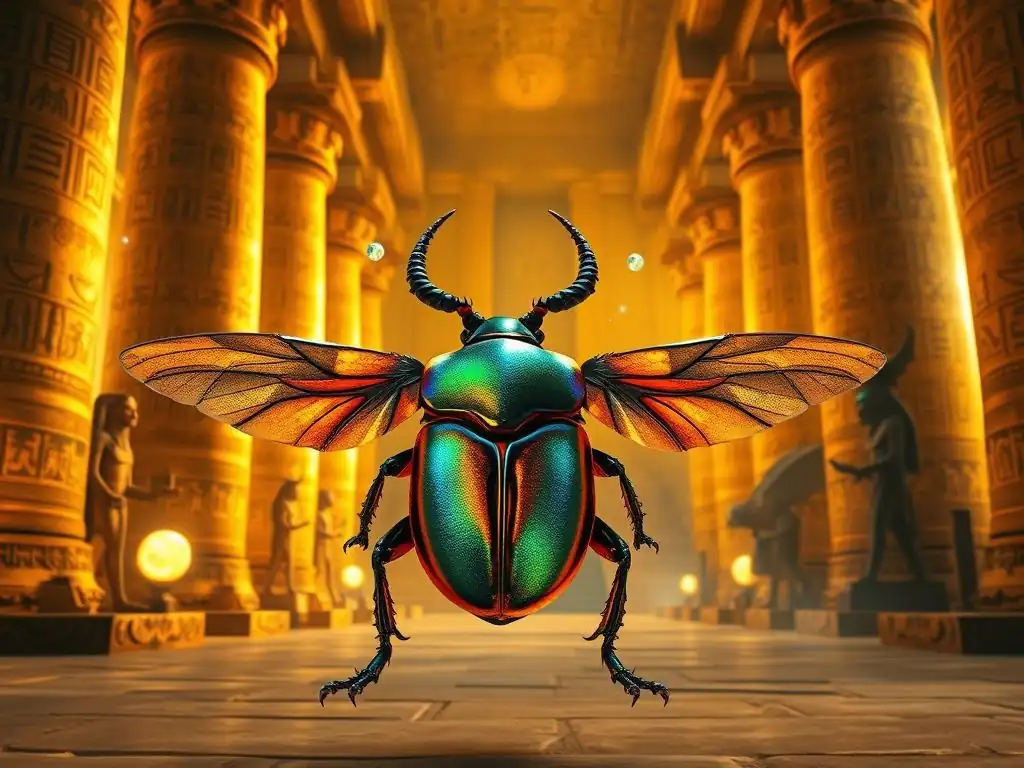
Welcome, fellow seeker of ancient tales!
Journey with us into the captivating world of Mythology and Legends, where we unearth timeless stories from across the globe. Prepare to be enthralled by the echoes of ancient civilizations and their enduring impact on our modern world. Ever wondered how the mysteries of the pharaohs translate into interactive adventures? Dive in and explore the intricate world of Egyptian mythology video games, uncovering how these age-old legends are reborn in digital realms. What secrets lie buried beneath the sands of virtual Egypt? Let's find out...
- Exploring Egyptian Mythology in Games: Gods, Afterlives, and Curses
-
Frequently Asked Questions
- How accurately do Egyptian mythology video games typically portray the ancient Egyptian pantheon?
- What are some common elements of Egyptian mythology frequently featured in video game narratives?
- Beyond combat, how do video games incorporate Egyptian mythology into gameplay mechanics and world-building?
- What impact do these games have on public perception and understanding of Egyptian mythology?
- What are some examples of popular video games that heavily feature Egyptian mythology?
- Final Reflection: The Enduring Legacy of Egyptian Mythology in Games
- Unleash Your Inner Pharaoh: Dive Deeper into Ancient Egypt!
Exploring Egyptian Mythology in Games: Gods, Afterlives, and Curses
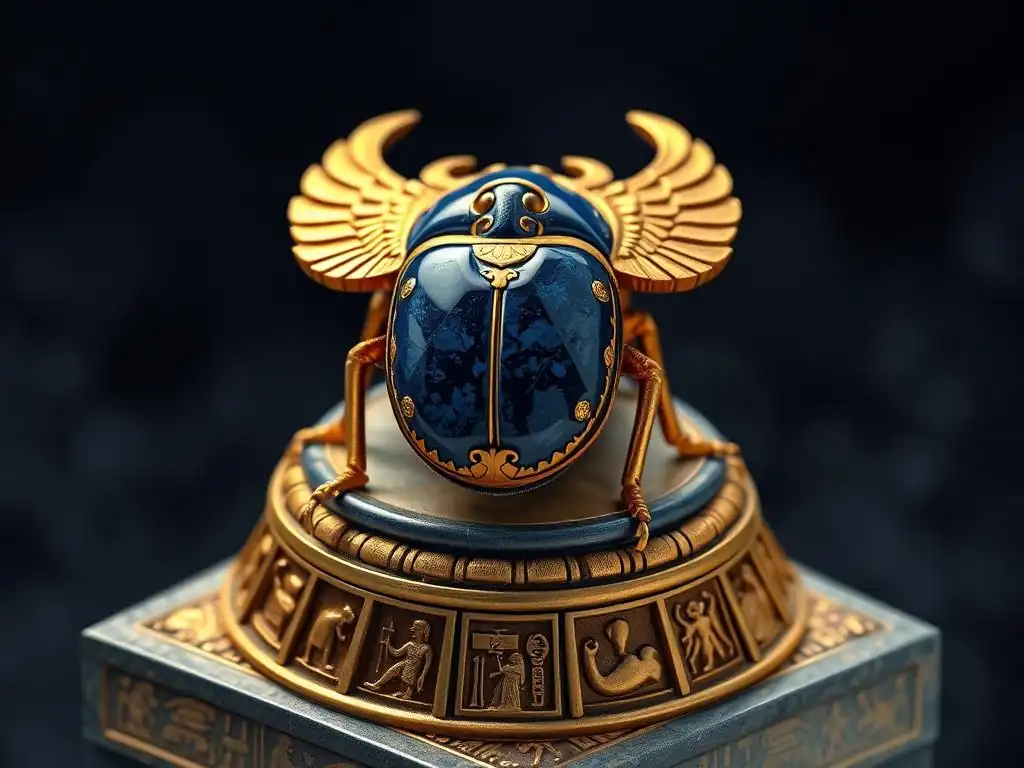
Why Egyptian Mythology Resonates with Gamers
The allure of ancient Egypt has captivated imaginations for centuries, and its rich tapestry of gods, myths, and mysterious practices translates exceptionally well into the interactive medium of video games. Gamers are often drawn to settings that offer a sense of discovery, danger, and the unknown, and few historical or mythological backdrops provide this as effectively as ancient Egypt. The distinct visual identity, from towering pyramids and intricate hieroglyphs to the unique animal-headed deities and elaborate burial rituals, creates an immediate and compelling atmosphere.
This visual richness, combined with a pantheon of gods representing fundamental aspects of existence like the sun (Ra), death (Anubis), and magic (Isis), provides a fertile ground for diverse gameplay mechanics and compelling narratives. The focus on the afterlife, with its complex journey through the Duat and the crucial weighing of the heart, offers inherent quest structures and moral choices that can be integrated into game design. The mystery surrounding mummies, curses, and hidden treasures within forgotten tombs adds layers of intrigue perfect for exploration and adventure games.
The concept of magic, often intertwined with the gods and ancient rituals, allows for unique player abilities and enemy types, further enhancing the gameplay experience. This combination of distinct aesthetics, a fascinating pantheon, a focus on mortality and the beyond, and elements of magic and mystery makes Egyptian mythology a perennial favorite for developers creating engaging Egyptian mythology video games.
Furthermore, the popularity of Egyptian mythology in other media, from films like The Mummy franchise (which grossed significant amounts globally) to countless books and documentaries, has instilled a certain familiarity and fascination in a broad audience, including gamers. This pre-existing interest makes players more receptive to games set in this era. Developers leverage this by incorporating instantly recognizable elements like scarabs, obelisks, and the Eye of Horus, creating a sense of place and authenticity, even when taking creative liberties.
The sheer scale of ancient Egyptian achievements, such as the construction of the Great Pyramid of Giza (estimated to have required millions of stone blocks, each weighing tons), provides a sense of awe and wonder that can be replicated in expansive game worlds. Games like Assassin's Creed Origins, which recreated a vast and detailed ancient Egyptian world, demonstrated the massive potential for immersive open-world experiences built upon this foundation.
The distinct cultural practices, such as mummification and the elaborate religious ceremonies dedicated to appeasing the gods, offer unique questlines and interactive elements that differentiate Egyptian mythology video games from those based on other mythologies. The inherent drama of dynastic struggles, divine interventions, and the constant battle against chaos (represented by figures like Apep) provides ready-made conflict and narrative depth for game designers to explore.
Gods, Pharaohs, and Tombs: Key Elements of Egyptian Lore
At the heart of many Egyptian mythology video games lie the core elements of its lore: the powerful gods, the divine pharaohs, and the enigmatic tombs. The Egyptian pantheon is vast and complex, offering a diverse cast of characters for game narratives.
Deities like Ra, the sun god; Anubis, the jackal-headed god of mummification and the afterlife; Isis, the goddess of magic and healing; and Osiris, the god of the underworld, life, death, and resurrection, each possess distinct attributes and roles that can be translated into character abilities, enemy types, or quest-givers. Games often depict these gods in various forms, from benevolent allies to formidable adversaries, using their mythological powers to influence the game world or challenge the player.
For instance, a game might feature puzzles related to Thoth, the god of wisdom, or combat encounters against creatures associated with Set, the god of chaos. The interactions between these divine beings, often depicted as having human-like emotions and conflicts, provide rich material for intricate storylines and character development within the game's universe.
Pharaohs, considered divine rulers and intermediaries between the gods and mortals, also play a crucial role in Egyptian-themed games. They can appear as historical figures, powerful bosses, or central characters driving the plot. Games might explore the construction projects initiated by pharaohs (like pyramids or temples), their military campaigns, or the intricate political dynamics of their courts.
The wealth and power associated with pharaohs often make their tombs prime targets for exploration and treasure hunting in adventure games. These tombs, elaborate structures designed to protect the deceased pharaoh and their treasures for the journey to the afterlife, are perfect environments for puzzles, traps, and combat encounters.
Games frequently feature the exploration of these burial chambers, filled with hieroglyphs detailing the pharaoh's life and religious beliefs, cursed artifacts, and animated guardians (such as mummies or construct-like enemies). The combination of divine power, human ambition embodied by the pharaohs, and the mysterious, treasure-filled tombs provides a compelling framework for the design of many successful Egyptian mythology video games, offering players a blend of historical intrigue, mythological fantasy, and thrilling adventure.
Frequently Asked Questions
How accurately do Egyptian mythology video games typically portray the ancient Egyptian pantheon?
While some games strive for historical and mythological accuracy, others take creative liberties, often prioritizing gameplay over strict adherence to source material. It's a spectrum, not a binary.
What are some common elements of Egyptian mythology frequently featured in video game narratives?
Recurring elements include the afterlife (Duat), prominent deities like Ra, Osiris, and Anubis, and iconic symbols like the scarab beetle and the Eye of Horus. These are popular motifs.
Beyond combat, how do video games incorporate Egyptian mythology into gameplay mechanics and world-building?
Games often integrate Egyptian mythology through puzzle design, resource management (related to agriculture or trade), and exploration of ancient tombs and temples. The world feels alive.
What impact do these games have on public perception and understanding of Egyptian mythology?
They can spark interest in Egyptian mythology, but it's crucial to remember they are interpretations, not historical documents. Further research is needed.
What are some examples of popular video games that heavily feature Egyptian mythology?
Titles like Assassin's Creed Origins, Pharaoh, and Immortal Fenyx Rising draw heavily from Egyptian mythology, offering different gameplay experiences. These are good starting points.
Final Reflection: The Enduring Legacy of Egyptian Mythology in Games
The captivating allure of ancient Egypt continues to resonate powerfully in modern video game design, proving that the myths and legends of the pharaohs are far from relics of the past. These narratives, rich with powerful gods, intricate rituals, and the ever-present mystery of the afterlife, offer a fertile ground for compelling gameplay and immersive storytelling experiences that continue to captivate audiences worldwide. The enduring popularity of games incorporating these elements demonstrates a deep-seated human fascination with the unknown and a desire to explore the mysteries of existence.
The impact of Egyptian mythology on gaming extends beyond simple aesthetic choices; it shapes the very core mechanics and narratives of countless titles. It's not just about visually representing scarabs and pyramids; it's about tapping into a rich tapestry of symbolism and belief that resonates deeply with players. The themes of life, death, and rebirth, so central to Egyptian cosmology, provide a powerful framework for exploring complex narratives and challenging gameplay loops. As the writer H. Rider Haggard eloquently stated, The past is a great and mysterious land, and its shadows fall upon the present.
This perfectly encapsulates the enduring power of Egyptian mythology to influence our understanding of the world and our place within it, even through the medium of video games.
Consider the games you've played that have incorporated elements of Egyptian mythology. What resonated with you? What aspects of the culture and its beliefs did the game successfully convey?
I urge you to reflect on this, not just as a passive observer, but as an active participant in the ongoing conversation surrounding the representation and interpretation of ancient cultures in modern media. Let the enduring legacy of Egyptian mythology inspire you to explore further, to delve deeper into the rich tapestry of its stories, and to appreciate the power of myth to shape our understanding of ourselves and the world around us.
Unleash Your Inner Pharaoh: Dive Deeper into Ancient Egypt!
Thanks for exploring the fascinating world of Egyptian mythology with us! We hope you gained a new appreciation for the rich symbolism and captivating stories behind these ancient legends. Ready to continue your journey?
- Craft your own Egyptian-themed game: Use the knowledge you've gained to design a mini-board game, a card game, or even a simple role-playing scenario focused on a specific god or myth. Let your imagination run wild!
- Share your favorite Egyptian myth or god with others on our social media pages! Let's build a community of mythology enthusiasts!
- Research a lesser-known aspect of Egyptian mythology: Delve into the stories of lesser-known gods, rituals, or beliefs to uncover hidden gems of this ancient culture.
What surprising connections do you think exist between ancient Egyptian beliefs and modern-day practices or stories? Let's discuss!