
Age of Mythology: Strategic Conquest with Divine Intervention

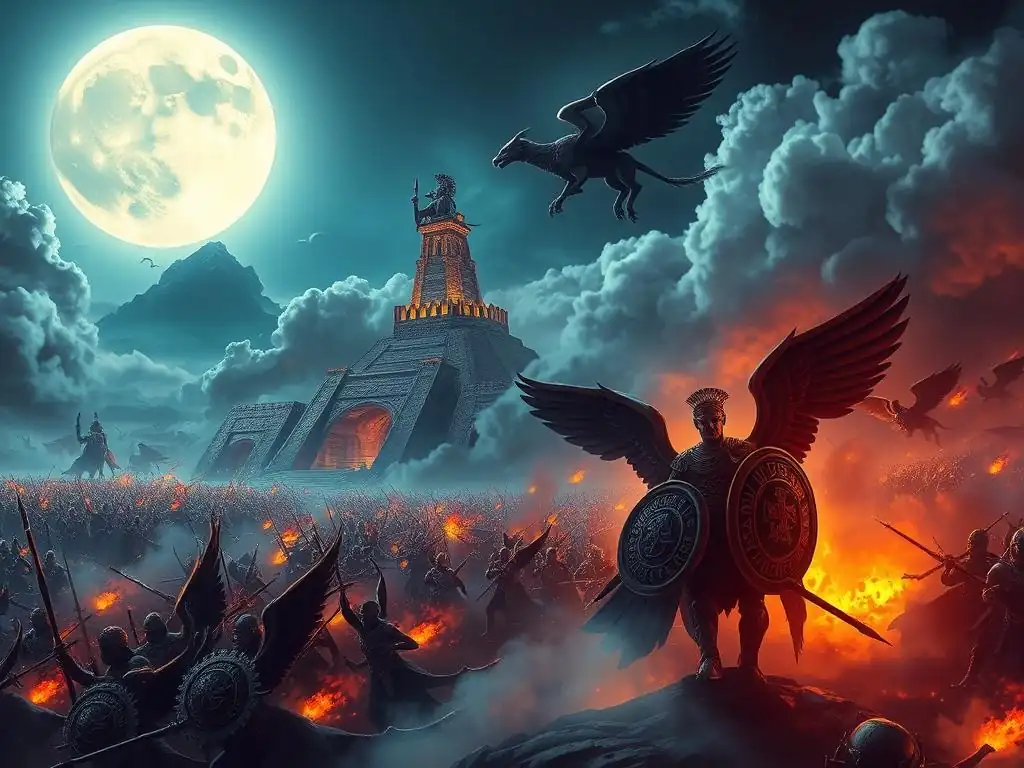
Welcome to Mythology and Legends, where the whispers of ancient gods still echo in our modern world. Ever wondered how ancient myths influenced the strategic conquest of empires, both real and imagined? Age of Mythology: Strategic Conquest with Divine Intervention explores this fascinating intersection. Uncover the secrets of how legends fueled ambition, shaped battlefields, and continue to inspire narratives today. Prepare to delve into a world where gods and mortals collide, and the line between myth and reality blurs... what strategies were born from the minds of gods and mortals?
- Age of Mythology: Core Gameplay and Mechanics
-
Frequently Asked Questions
- How did Age of Mythology incorporate ancient myths into its strategic gameplay?
- What role did "divine intervention" play in Age of Mythology's strategic conquest mechanics?
- Which civilizations featured in Age of Mythology best exemplify the concept of "strategic conquest" using mythology?
- How does Age of Mythology reflect the impact of ancient myths on contemporary society, even through strategic conquest?
- How does the game use mythology to enhance the "strategic conquest" aspect beyond simple military tactics?
- Final Reflection: Weaving Myth and Strategy in the Modern World
- Unleash Your Inner God: Command Your Destiny!
Age of Mythology: Core Gameplay and Mechanics
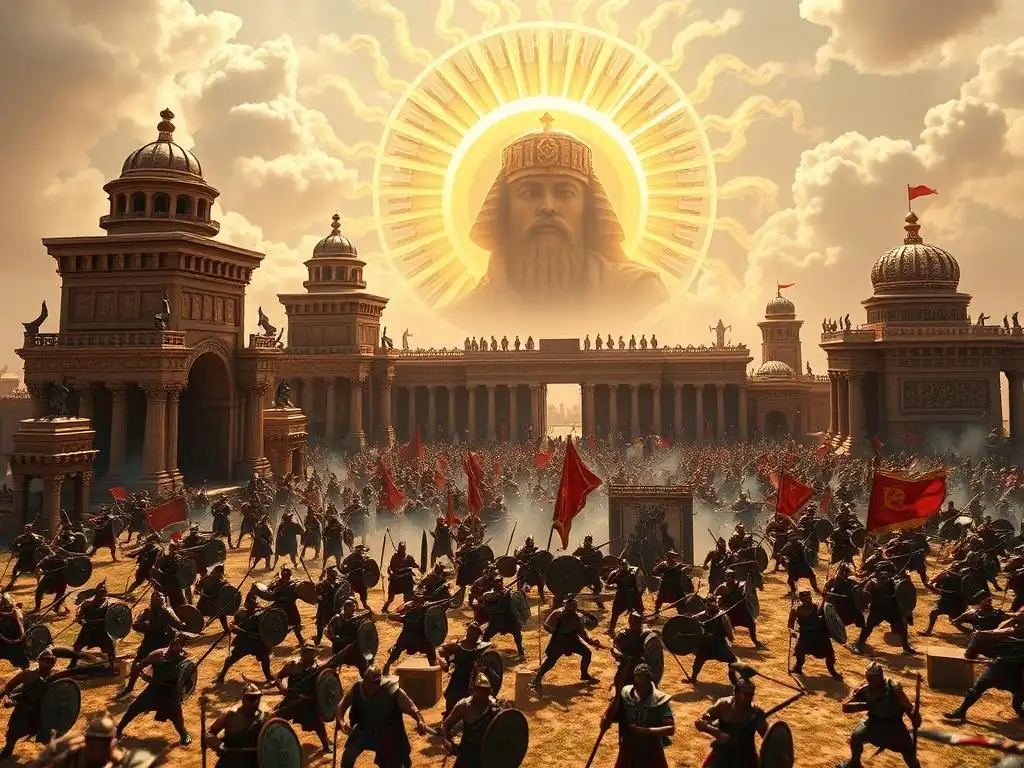
Resource Management and Economic Development in AoM
At the heart of any successful ancient myths strategic conquest in Age of Mythology lies robust resource management. Players must efficiently gather four primary resources: Food, Wood, Gold, and Favor. Villagers are the backbone of this economy, tasked with collecting these resources from various sources – hunting animals, gathering berries, fishing, chopping trees, mining gold veins, and building farms.
The rate at which villagers gather these resources is crucial, and early game decisions about where to allocate these precious units can significantly impact a player's ability to produce military units, research technologies, and advance through the ages. For instance, building a Lumber Camp near a dense forest or a Mining Camp near a gold vein optimizes travel time and increases the effective gather rate. Establishing farms provides a reliable, albeit slower, source of food that doesn't deplete like hunting or berry bushes.
Economic development extends beyond simple resource collection. Players must also manage population limits, which are increased by building houses, and ensure a steady flow of resources to support military production and technological advancement. The Market allows for trading excess resources for needed ones, albeit at unfavorable rates, providing flexibility in a pinch.
Upgrades researched at the Granary, Lumber Camp, and Mining Camp, such as Hand Axe, Pickaxe, and Plow, directly increase the gathering efficiency of villagers, boosting the overall economy. Favor, the fourth resource, is unique to each civilization and is typically generated by villagers building temples, fighting, or through specific god powers and buildings, and is essential for training powerful mythological units and researching myth technologies, adding a distinct layer to the ancient myths strategic conquest experience.
Military Units and Tactical Combat Strategies
Age of Mythology features a diverse array of military units, broadly categorized into Infantry, Archers, Cavalry, and Siege units, each with distinct strengths and weaknesses, forming a classic rock-paper-scissors dynamic. Infantry is generally strong against cavalry, cavalry excels against archers, and archers are effective against infantry. Siege units, such as catapults and siege towers, are specialized for destroying buildings and are vulnerable in open combat.
Mastering the counter system is fundamental to tactical combat; sending hoplites against enemy hippikons will yield far better results than using axemen. Furthermore, units can be upgraded through research at the Armory, improving their attack, armor, and shield stats, making existing units more potent.
Beyond unit counters, tactical combat involves positioning, flanking, and utilizing terrain. Units fighting from elevated positions gain an attack bonus, while narrow choke points can be used to funnel enemy forces or protect one's own. Effective raiding with fast units like cavalry or myth units can disrupt an opponent's economy and production.
Combining different unit types into balanced armies allows players to handle various threats. For example, supporting infantry with archers provides ranged damage and protection against enemy infantry, while adding some cavalry provides mobility and a counter to enemy archers or siege. Successful ancient myths strategic conquest relies not just on having the most units, but on deploying and controlling them intelligently on the battlefield.
The Importance of Technology and Research
Technological advancement is a critical component of progress and gaining an edge in Age of Mythology. Research is conducted at various buildings, most notably the Armory for military upgrades, the Market for economic technologies, the Temple for myth unit and god power related research, and the University (available to some cultures) for advanced military and economic improvements. These upgrades significantly boost the capabilities of units and the efficiency of the economy.
For example, researching Bronze Mail at the Armory increases the pierce and hack armor of all infantry units, making them more resilient in combat. Economic technologies like Shaft Mine or Husbandry increase the rate at which villagers gather gold and food, accelerating resource income.
Researching technologies is often expensive in terms of resources and time, requiring careful planning and prioritization. Deciding whether to focus on military upgrades to gain an early combat advantage, or economic upgrades to build a stronger late-game economy, is a key strategic decision. Myth technologies, researched at the Temple using Favor, enhance mythological units or god powers, adding unique tactical options to an ancient myths strategic conquest.
For instance, the Greek technology "Medusa" allows Medusa units to turn enemies to stone more effectively. Skipping crucial technologies can leave a player at a significant disadvantage against an opponent who has invested wisely in research, highlighting the integral role of the tech tree in overall strategy.
Frequently Asked Questions
How did Age of Mythology incorporate ancient myths into its strategic gameplay?
The game blended real-time strategy with mythology by allowing players to choose from different ancient civilizations and utilize mythological units and god powers to gain an advantage in combat.
What role did "divine intervention" play in Age of Mythology's strategic conquest mechanics?
"Divine intervention" manifested through god powers, one-time abilities granted by the chosen deity, which could drastically alter the battlefield and provide strategic advantages like healing units or summoning powerful creatures.
Which civilizations featured in Age of Mythology best exemplify the concept of "strategic conquest" using mythology?
The Greek civilization, with its diverse roster of mythological heroes and units like the Minotaur and Medusa, and the Egyptian civilization, with its focus on powerful pharaohs and god-given abilities, are prime examples.
How does Age of Mythology reflect the impact of ancient myths on contemporary society, even through strategic conquest?
While a game, Age of Mythology introduces players to classic mythological narratives and characters, sparking interest in ancient cultures and their stories, thereby influencing contemporary understanding of these myths.
How does the game use mythology to enhance the "strategic conquest" aspect beyond simple military tactics?
By adding elements like god favors, requiring specific actions to earn, and unique mythological units, the game forces players to consider more than just troop numbers, requiring them to adapt their strategies to leverage their chosen pantheon's strengths.
Final Reflection: Weaving Myth and Strategy in the Modern World
The strategic brilliance found in ancient myths continues to resonate today, offering invaluable lessons in leadership, resource management, and the unpredictable nature of conflict. These ancient narratives, far from being mere historical relics, provide a potent framework for understanding the complexities of power dynamics and the enduring human struggle for dominance, a struggle as relevant in boardrooms as it was on ancient battlefields.
The enduring power of these myths lies in their ability to transcend time and culture, shaping our understanding of heroism, betrayal, and the consequences of our choices. Their influence permeates our storytelling, our political discourse, and even our video games. Myth is a powerful thing. It shapes our understanding of the world, and it shapes our actions.
This quote encapsulates the profound impact these stories have had, and continue to have, on shaping our collective consciousness and influencing our strategic thinking, both consciously and unconsciously. The strategic maneuvers of Achilles, the cunning of Odysseus, and the divine interventions shaping their fates remain compelling case studies in strategic decision-making.
Consider the parallels between the strategic challenges faced by legendary heroes and those faced by modern leaders. You too are navigating a landscape filled with both opportunities and obstacles, allies and adversaries. Reflect on the lessons learned from these ancient narratives: How can you apply the principles of cunning, resourcefulness, and calculated risk-taking to your own endeavors? Embrace the wisdom of the ages, and let the echoes of these mythical conquests guide you towards your own triumphs.
Unleash Your Inner God: Command Your Destiny!
Thanks for diving into the world of Age of Mythology with us! We hope you’ve gained a deeper appreciation for the strategic depth and divine power at play. Now it’s time to put your newfound knowledge to the test.
- Lead your civilization to victory: Revisit your favorite Age of Mythology strategies, and try implementing some of the new tactics you’ve learned today. Which god will you champion this time?
- Share your triumphs (and defeats!): Let's hear about your epic battles and cunning strategies in the comments below. What worked? What didn't?
- Explore further: Delve into the rich lore of Age of Mythology – research the mythology behind your chosen god and discover even more strategic depth!
Ready to forge your own legendary saga? What god are you summoning to aid your conquest today?