
The Innocent Archetype: Purity, Danger, and the Loss of Paradise in Folklore


Welcome to Mythology and Legends, where we delve into the captivating tapestry of stories that have shaped our world. Ever wondered why seemingly simple characters, like the innocent archetype in folklore, hold such enduring power? Prepare to journey beyond the surface as we unravel the hidden complexities and surprising dangers lurking within folklore's innocent archetype symbolism, exploring how these figures reflect our deepest fears and desires, and the poignant loss of paradise they often represent. Dive in and discover the secrets held within these timeless narratives.
- Understanding Folklore's Innocent Archetype Symbolism
-
Frequently Asked Questions
- What is the Innocent Archetype, and how is it typically represented in folklore?
- How does the concept of "loss of paradise" relate to the Innocent Archetype in folklore narratives?
- What are some common dangers or threats that the Innocent Archetype faces in folkloric tales?
- Can you provide an example of a folklore character embodying the Innocent Archetype, and how their story illustrates the key aspects of this archetype?
- How does understanding "Folklore's innocent archetype symbolism" help us interpret and analyze folklore narratives more effectively?
- Final Reflection: Echoes of Innocence in a Fallen World
- Unlock the Power of Innocence: Explore the Archetype's Deeper Meaning
Understanding Folklore's Innocent Archetype Symbolism
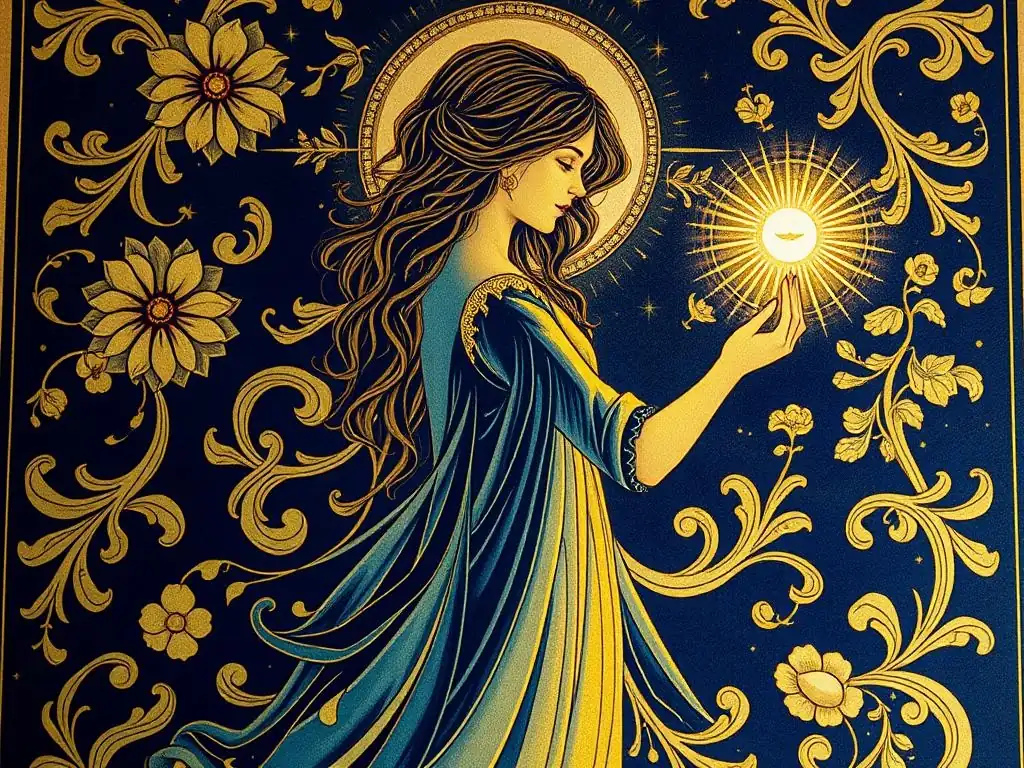
Defining the Innocent Archetype in Myth and Legend
The Innocent archetype represents a universal pattern found in human psychology and, consequently, in the rich tapestry of myths, legends, and folklore from around the globe. At its core, this archetype embodies purity, optimism, and a deep trust in the goodness of the world. It is often associated with states of bliss, paradise, or a return to a simpler, untainted existence.
Within folklore's innocent archetype symbolism, this figure is frequently depicted at the beginning of a journey, before encountering the complexities and hardships of reality. Think of figures like Adam and Eve in their original state in the Garden of Eden, or naive princes and princesses embarking on quests unaware of the true dangers ahead. This archetype highlights humanity's innate desire for safety, security, and belonging, often seeking a state of grace or a return to a perceived lost paradise.
Across diverse cultural narratives, the Innocent archetype serves as a powerful narrative device to explore themes of vulnerability, disillusionment, and transformation. From ancient creation myths detailing the loss of a pristine world to cautionary tales about the dangers of trusting too easily, the Innocent's journey is central. This archetype's appearance in folklore underscores the cultural significance placed on states of purity and the inevitable impact of experience.
The Märchen (fairy tales) collected by the Brothers Grimm, for instance, are replete with characters who begin as Innocents – like Little Red Riding Hood or Snow White – whose initial purity and trust are tested by external forces. The symbolism associated with Folklore's innocent archetype symbolism often revolves around natural elements, light, and unspoiled settings, contrasting sharply with the darker, more complex forces they inevitably encounter.
Key Characteristics of the Innocent Archetype
Central to the Innocent archetype is an unwavering sense of optimism and faith. This figure believes that everything will ultimately be okay and trusts in the inherent goodness of others and the world. This optimism is not necessarily born of ignorance but rather a fundamental orientation towards hope. Coupled with this is a profound sense of purity, often represented as being free from malice, deceit, or complex ulterior motives.
In many folklore narratives, the Innocent is portrayed as simple, unburdened by cynicism or worldly sophistication. For example, the character of Parsifal in Arthurian legend, often depicted as a "pure fool," embodies this simplicity and purity, which ultimately allows him to perceive truths others miss. The Folklore's innocent archetype symbolism highlights how this purity can be both a strength, offering moral clarity, and a significant vulnerability.
Another defining characteristic is the Innocent's primary desire for safety, security, and belonging. This archetype seeks refuge, acceptance, and a stable, predictable environment. This longing for paradise or a safe haven drives many of their actions, even if their naiveté leads them into perilous situations. Their greatest fear is often abandonment or separation from their source of safety.
Consider the numerous tales of lost children or young heroes cast out from their homes; their quest is fundamentally a search for a safe place to belong. This inherent need for security means the Innocent can be easily led astray by promises of safety or belonging, a key element in many cautionary tales. The Folklore's innocent archetype symbolism thus encapsulates the human yearning for a state of grace while simultaneously exploring the dangers inherent in navigating a world that often preys upon such desires.
Frequently Asked Questions
What is the Innocent Archetype, and how is it typically represented in folklore?
The Innocent Archetype represents purity, goodness, and a desire for paradise. They are often depicted as naive, trusting characters who seek safety and happiness but are vulnerable to corruption.
How does the concept of "loss of paradise" relate to the Innocent Archetype in folklore narratives?
The Innocent Archetype frequently experiences a "fall" from grace, representing the loss of innocence and entry into a more complex world. This often involves encountering evil or betrayal, shattering their initial naive worldview.
What are some common dangers or threats that the Innocent Archetype faces in folkloric tales?
The Innocent is susceptible to manipulation, deception, and exploitation due to their trust and lack of experience. They often encounter predatory figures or situations that threaten their purity and well-being.
Can you provide an example of a folklore character embodying the Innocent Archetype, and how their story illustrates the key aspects of this archetype?
Little Red Riding Hood is a classic example. Her innocence and naivety make her vulnerable to the wolf's deception, leading to a dangerous encounter and a loss of safety.
How does understanding "Folklore's innocent archetype symbolism" help us interpret and analyze folklore narratives more effectively?
Recognizing the Innocent Archetype allows us to understand the deeper themes of purity, corruption, and the human condition explored in folklore. It highlights the importance of moral choices and the consequences of losing innocence.
Final Reflection: Echoes of Innocence in a Fallen World
The enduring power of the innocent archetype in folklore isn't merely a relic of the past; it's a potent mirror reflecting our contemporary anxieties and aspirations. The stories we tell, whether ancient myths or modern narratives, consistently grapple with the fragility of innocence, its inherent vulnerability, and the complex consequences of its loss. This exploration of purity, danger, and the fall from grace remains profoundly relevant in a world grappling with ethical dilemmas and the ever-present threat of corruption.
The innocent archetype's influence transcends cultural boundaries and historical periods. Its enduring presence in our collective consciousness speaks to a fundamental human need to understand the complexities of good and evil, purity and corruption. The child is the father of the man,
wrote Wordsworth, encapsulating the idea that our earliest experiences shape our understanding of the world and our place within it. This echoes the potent symbolism of the innocent archetype, reminding us that the seeds of our future selves are sown in our most vulnerable moments. The ongoing fascination with these narratives suggests a deep-seated desire to grapple with these fundamental themes, to understand both the beauty and the fragility of innocence.
Consider the innocent archetype's enduring power in your own life. What stories, myths, or experiences have shaped your understanding of innocence and its loss? Reflect on the ways in which this archetype manifests in your own world, whether in personal relationships, societal structures, or the narratives you consume. By actively engaging with these potent symbols, we can gain a deeper understanding of ourselves and the world around us, fostering empathy and a commitment to protecting the vulnerable innocence within ourselves and others.
Unlock the Power of Innocence: Explore the Archetype's Deeper Meaning
Thanks for exploring the fascinating world of the Innocent archetype with us! We hope you gained a new appreciation for its complexities and enduring presence in storytelling. Ready to delve even further?
- Craft your own Innocent character: Think about how you can subvert expectations or add a unique twist to this classic figure. What makes your Innocent unique? Consider their strengths, flaws, and ultimate fate.
- Analyze your favorite stories: Which characters embody aspects of the Innocent archetype? How does their journey reflect the themes we discussed? Share your insights in the comments!
- Explore related archetypes: Consider how the Innocent interacts with other powerful figures in folklore – the Evil, the Trickster, or the Hero. What dynamics emerge?
What unexpected qualities of the Innocent archetype resonated most with you, and how might you incorporate them into your own creative work or analyses?