
Forged by the Gods: Understanding the Craftsmanship of Mythology Replicas

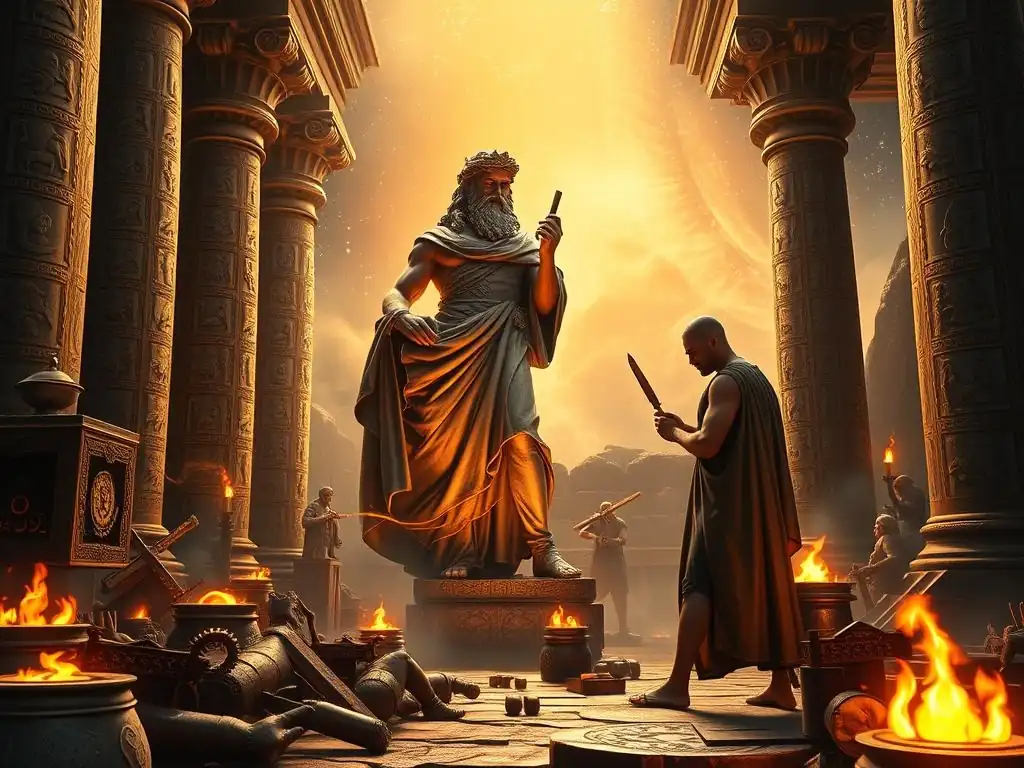
Welcome, seekers of ancient echoes!
Delve into the captivating world of Mythology and Legends, where we unravel the timeless narratives shaping cultures across the globe. Ever wondered how the divine is made tangible? Journey with us as we explore the intricate details of Mythology replica craftsmanship, uncovering the secrets behind bringing legendary artifacts to life. What hidden techniques do artisans employ to capture the essence of gods and heroes? Prepare to be amazed...
- Decoding Mythology Replica Craftsmanship Details: A Buyer's Checklist
- Where to Find Authentic Mythology Replicas: A Curated Selection
- Evaluating Mythology Replica Craftsmanship Details: A Practical Guide
-
Frequently Asked Questions
- What are Mythology Replicas, and why are they popular?
- What materials are typically used in Mythology Replica Craftsmanship?
- What level of detail is expected in high-quality Mythology Replicas?
- How does Mythology Replica Craftsmanship differ from general historical replica making?
- Where can I find reputable craftspeople specializing in Mythology Replica Craftsmanship details?
- Final Reflection: The Enduring Legacy of Mythological Craftsmanship
- Unleash Your Inner Mythmaker: Craft Your Own Legend!
Decoding Mythology Replica Craftsmanship Details: A Buyer's Checklist
Understanding the intricacies of mythology replica craftsmanship details is paramount for any serious collector or enthusiast. It's not just about owning a representation of a mythical figure or artifact; it's about acquiring a piece that honors the source material through skilled artistry and quality manufacturing. Discerning these details allows you to differentiate between mass-produced novelties and genuine works of art that will retain their appeal and potential value over time.
When evaluating mythology replica craftsmanship details, several factors come into play, from the foundational materials used to the final finishing touches. A thorough assessment involves examining the fidelity to the original myths, the technical skill of the sculptor and finisher, and the durability of the piece. This section provides a practical checklist to guide you in appreciating and identifying high-quality mythological replicas.
Identifying High-Quality Materials in Mythological Replicas
The foundation of any well-crafted mythology replica lies in the quality of the materials used. The choice of material significantly impacts the replica's durability, weight, texture, and ability to capture fine details. While historical artifacts were often made from traditional materials like bronze or stone, modern replicas utilize a range of substances, each with its own characteristics and implications for the final product's mythology replica craftsmanship details.
Identifying high-quality materials involves understanding their properties and how they contribute to the overall aesthetic and structural integrity of the replica. For instance, a substantial weight often suggests a denser, more durable material. A smooth, consistent finish without visible seams or imperfections points to careful casting and finishing processes. Recognizing these material nuances is a key step in appreciating the craftsmanship involved in bringing mythological figures to life.
Bronze Casting: A Timeless Technique for Zeus Statues and More
Bronze casting is a venerable technique, dating back millennia, that remains a gold standard for creating durable and aesthetically rich mythology replicas. This method typically involves creating a mold, often through the lost-wax process, and pouring molten bronze into it. The resulting sculptures, such as detailed Zeus statues or intricate depictions of mythical beasts, possess significant weight, inherent strength, and a patina that develops beautifully over time, adding character.
The quality of bronze casting is evident in the sharpness of detail, the absence of pitting or flaws, and the consistency of the alloy. A common bronze alloy for sculptures contains roughly 80% copper and 20% tin, though variations exist. Skilled artisans can achieve incredibly fine textures and expressions through this method, making it a preferred choice for premium mythology replica craftsmanship details. The process is labor-intensive, contributing to the higher cost but also the exceptional quality of bronze pieces.
Resin and Polystone: Affordable Alternatives with Impressive Detail
Resin and polystone (a composite material made of polyurethane resin mixed with powdered stone additives) offer more accessible options for creating mythology replicas while still allowing for impressive detail. These materials are poured into molds and cure into hard, durable objects. They are lighter and less expensive than bronze, making them popular for mass-market collectibles and smaller figurines.
Despite being more affordable, resin and polystone can capture very fine details from the original sculpt. High-quality examples exhibit sharp lines, intricate textures, and no visible air bubbles or mold lines. The weight of a polystone piece is generally more substantial than pure resin, offering a feel closer to traditional materials. The surface is also ideal for painting, allowing for vibrant or subtle finishes that enhance the mythology replica craftsmanship details.
The Importance of Hand-Painted Finishes on Norse God Figurines
While the base material and sculpt provide the form, the hand-painted finish is often what truly brings a mythology replica to life, especially for pieces like detailed Norse god figurines. A skilled painter can add depth, texture, and character through careful application of color, washes, and dry brushing. The quality of the paintwork can elevate a good sculpt to an exceptional piece, highlighting musculature, fabric folds, or intricate armor details.
High-quality hand-painting is characterized by smooth transitions between colors, precise application without bleeding, and techniques that mimic realistic textures like weathered metal or aged stone. For mythology replica craftsmanship details, look for subtle shading, highlighting that defines forms, and consistent application across the entire piece. Poor painting, conversely, can look flat, sloppy, or detract from the underlying sculpt, diminishing the overall quality of the replica.
Examining the Intricacies of Mythology Replica Sculpting and Design
Beyond the materials, the core of mythology replica craftsmanship details lies in the sculpting and design. This is where the artist's interpretation and skill transform raw material into a recognizable and compelling representation of a mythical entity or object. The quality of the sculpt dictates the accuracy, expressiveness, and overall aesthetic appeal of the finished piece.
Examining the intricacies of the sculpt involves assessing the fidelity to the source material, the level of detail achieved, and the overall composition and proportions. A masterful sculpt captures not just the physical attributes but also the essence and power associated with the mythical figure. This artistry is crucial in creating a mythology replica that resonates with collectors and honors the rich narratives it represents.
Accurate Depictions: Staying True to Mythological Sources
One of the most critical aspects of mythology replica craftsmanship details is the accuracy of the depiction compared to the mythological sources. While artistic interpretation is always present, a high-quality replica strives to remain faithful to traditional iconography, descriptions from ancient texts, or established artistic conventions associated with the myth. For example, a replica of the Egyptian god Anubis should typically feature a jackal head, often black, and specific regalia associated with funerary rites.
Accuracy is not just about getting the general form right; it extends to specific attributes, symbols, and even posture that hold significance within the myth. A well-researched replica will incorporate these elements thoughtfully. Collectors often value pieces that demonstrate a deep understanding of the mythology, making accuracy a key indicator of dedicated mythology replica craftsmanship details. Discrepancies can significantly diminish a replica's appeal to purists.
Detail and Texture: Bringing Mythical Characters to Life
The level of detail and texture in a sculpt is a direct measure of the artisan's skill and the quality of the mythology replica craftsmanship details. Fine details, such as individual strands of hair on a Gorgon, intricate patterns on a Viking shield replica, or the subtle musculature of a Hercules figure, contribute significantly to the realism and visual interest of the piece. Texture adds another layer, mimicking surfaces like weathered stone, aged leather, or flowing fabric.
Achieving high levels of detail and texture requires meticulous sculpting techniques, whether traditional clay modeling or modern digital sculpting. In the casting process, the material must be able to faithfully reproduce these nuances from the mold. Sharp, clean details and convincing textures indicate superior craftsmanship, making the mythical character feel more tangible and alive.
Scale and Proportions: Ensuring Authenticity in Egyptian God Replicas
Correct scale and proportions are essential for creating mythology replicas that feel authentic and visually balanced. This is particularly important for figures based on statuary or depictions where scale was historically significant, such as many Egyptian god replicas. A figure of Ra should feel appropriately imposing relative to a smaller deity or human figure if depicting a scene, or simply possess anatomically correct and balanced proportions if a standalone piece.
Examining the scale and proportions involves assessing if the figure looks natural and consistent, both internally (proportions of body parts) and externally (size relative to typical representations or other pieces in a collection). Inaccurate proportions can make a replica look amateurish or distorted, regardless of the material or finishing. Attention to scale and proportion is a hallmark of professional mythology replica craftsmanship details.
Where to Find Authentic Mythology Replicas: A Curated Selection
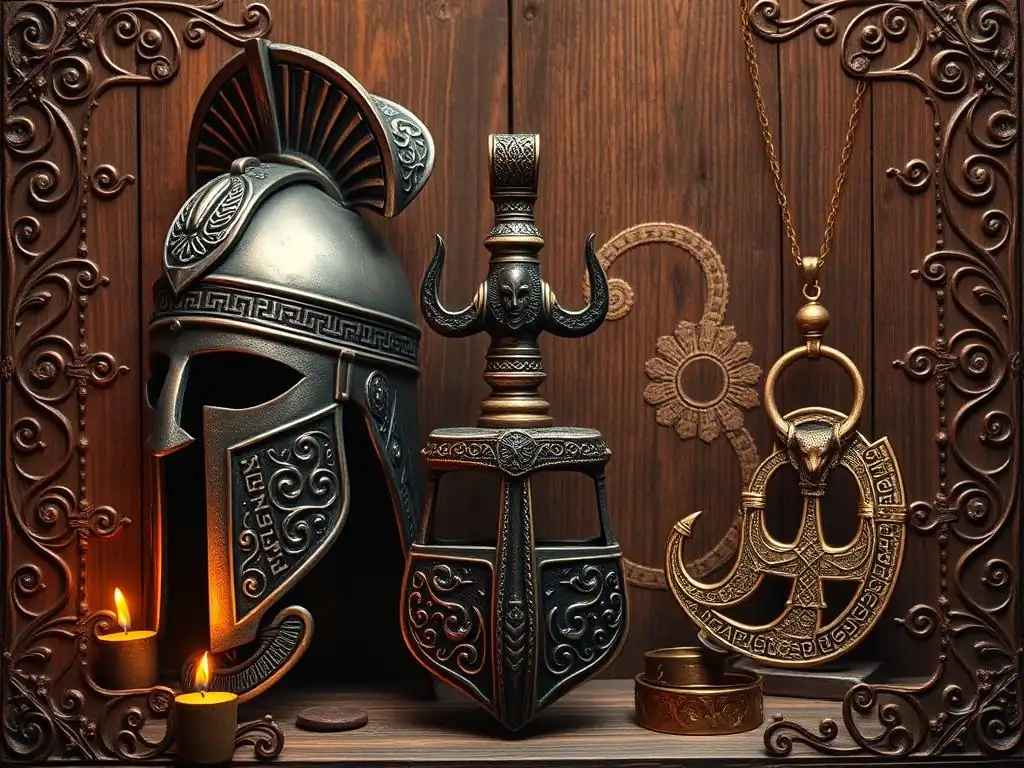
Locating authentic and well-crafted mythology replicas requires knowing where to look. The market offers a wide spectrum, from mass-produced items to unique artisanal creations. Finding pieces that exhibit superior mythology replica craftsmanship details often means exploring different avenues, each with its own advantages for collectors seeking specific types of replicas.
Whether you're hunting for a specific historical reproduction or a modern artistic interpretation, the source significantly influences the quality and authenticity of the replica. This curated selection highlights various platforms and types of sellers known for offering mythology replicas that meet high standards of craftsmanship and detail.
Exploring Online Marketplaces for Rare and Unique Finds
Online marketplaces have revolutionized access to mythology replicas, offering unparalleled variety and the opportunity to discover pieces from artists and sellers worldwide. These platforms are excellent for finding everything from popular items to rare and unique finds that might not be available through traditional retail channels. Evaluating mythology replica craftsmanship details is crucial when buying online, often relying on detailed photos and seller descriptions.
The convenience of online shopping is undeniable, but it requires diligence to ensure you are purchasing a quality product. Reading reviews, examining high-resolution images from multiple angles, and communicating with sellers are key steps in assessing the potential mythology replica craftsmanship details before making a purchase.
Etsy: Supporting Independent Artists and Craftsmen
Etsy stands out as a platform specifically designed for independent artists and craftsmen. This is an excellent place to find unique, often handmade, mythology replicas that showcase individual artistic talent. Many creators on Etsy specialize in specific pantheons or types of mythology, offering pieces with a distinct personal touch and often high levels of mythology replica craftsmanship details.
Shopping on Etsy allows direct interaction with the artisan, providing opportunities to ask about materials, processes, and even request custom variations. While prices may sometimes be higher than mass-produced items, the focus on individual artistry and detailed work often justifies the cost for collectors prioritizing unique craftsmanship. Look for sellers with strong positive reviews and clear descriptions of their materials and techniques.
Amazon: Convenient Access to a Wide Range of Replicas
Amazon offers perhaps the broadest selection of mythology replicas, ranging from inexpensive decorative items to more detailed collectibles. Its convenience and vast inventory make it a go-to for many shoppers. You can find representations from nearly every mythology, available in various sizes and materials, making it easy to compare options and prices.
While Amazon provides convenience, assessing mythology replica craftsmanship details requires careful review of product listings, customer reviews, and seller ratings. Look for detailed specifications on materials, dimensions, and manufacturing origin. High-quality replicas on Amazon often come from established manufacturers or specialized retailers who also list on the platform. Utilize the customer review section to gauge satisfaction with the product's accuracy and durability.
Specialized Mythology Shops: The Met Museum Store and Their Offerings
Specialized mythology shops, including those associated with reputable institutions like museums, often offer some of the most authentic and high-quality mythology replicas available. Stores like The Metropolitan Museum of Art Store frequently sell reproductions or inspired pieces based on artifacts in their collections. These replicas are often produced with a strong emphasis on historical accuracy and superior mythology replica craftsmanship details, sometimes even using processes similar to the originals.
Purchasing from a specialized shop or museum store often provides a higher degree of confidence in the authenticity and quality of the materials and craftsmanship. While the selection might be more curated and prices potentially higher, you are more likely to find historically informed and expertly crafted pieces that truly honor the mythological source material.
Investing in High-End Mythology Replicas: Working with Reputable Artisans
For serious collectors or those seeking truly exceptional pieces, investing in high-end mythology replicas often involves working directly with reputable artisans or specialized studios. These craftsmen dedicate significant time and skill to each piece, focusing on traditional techniques, premium materials, and unparalleled attention to mythology replica craftsmanship details.
Investing in high-end replicas is about acquiring works of art that represent the pinnacle of craftsmanship in this niche. It requires research to identify artisans known for their quality, expertise in specific mythologies, and reliable business practices. The result is a unique, often museum-quality, piece that stands apart from standard collectibles.
Commissioning Custom Pieces: Bringing Your Vision to Life
One of the most rewarding aspects of working with high-end artisans is the possibility of commissioning custom mythology replicas. This allows collectors to bring their specific vision to life, whether it's a unique interpretation of a deity, a replica of a lesser-known artifact, or a piece tailored to specific dimensions or materials. Commissioning ensures the piece is truly unique and meets personal standards for mythology replica craftsmanship details.
The process typically involves close collaboration with the artist, from initial concept and design sketches to material selection and finishing. This level of personalization guarantees a replica unlike any other, crafted precisely to your specifications and aesthetic preferences, representing the ultimate expression of tailored craftsmanship.
Authenticity Certificates: Guaranteeing Quality and Value
When investing in high-end or limited-edition mythology replicas, the inclusion of an authenticity certificate is a crucial indicator of quality and provenance. These certificates, often signed by the artist or studio, provide details about the piece, such as the materials used, the edition number (if applicable), the date of creation, and information about the artist or workshop.
An authenticity certificate serves as a guarantee of the replica's quality and reinforces the stated mythology replica craftsmanship details. It adds significant value, especially for pieces intended as long-term investments or heirlooms. Always inquire about the availability of an authenticity certificate when purchasing high-end replicas to ensure you are getting a genuine, documented piece.
Evaluating Mythology Replica Craftsmanship Details: A Practical Guide
Evaluating mythology replica craftsmanship details in person or through detailed online listings requires a systematic approach. It's about applying the knowledge of materials, sculpting, and finishing to assess the quality of a specific piece. This practical guide outlines steps and provides case studies to help you sharpen your eye for detail and make informed decisions.
A hands-on examination, if possible, allows you to feel the weight, examine textures up close, and look for subtle imperfections. When buying online, rely on high-resolution images, zoom capabilities, and clear, detailed descriptions provided by reputable sellers. Asking specific questions about the manufacturing process and materials is also a valuable step in evaluating the mythology replica craftsmanship details.
Case Study 1: Analyzing the Craftsmanship of a Thor's Hammer Replica
Let's examine a specific example to illustrate how to evaluate mythology replica craftsmanship details: a replica of Mjolnir, Thor's hammer. This iconic artifact offers several points of analysis, from its material composition to the accuracy of its symbolic engravings.
Material Analysis: Identifying the Type and Quality of Metal
A common material for Thor's Hammer replicas is metal, often zinc alloy, stainless steel, or sometimes even cast iron or bronze for higher-end pieces. A quality replica will feel substantial in weight. For instance, a solid metal replica measuring approximately 8-10 inches in length might weigh between 2 to 5 pounds, depending on the specific alloy density. Zinc alloy is common for more affordable pieces and can lack density, while stainless steel offers durability but might feel lighter than expected for its size.
Bronze replicas, while rare and expensive, offer the most historical feel and significant weight, potentially weighing 6-10 pounds or more for a similar size. Examine the surface finish – is it uniform? Are there visible seams from casting or welding that suggest lower quality mythology replica craftsmanship details?
Beyond the base material, look for the quality of any plating or surface treatment. A poor-quality plating might show inconsistencies, bubbling, or wear points. A well-executed finish, such as a polished steel or an antiqued bronze patina, should be even and enhance the details of the sculpt. Understanding the properties of the stated material and comparing it to the replica's feel and appearance is a crucial step.
Detail Assessment: Evaluating the Accuracy of the Runes and Inscriptions
Many Thor's Hammer replicas feature runic inscriptions or decorative patterns based on historical Viking artifacts or depictions of Mjolnir in mythology. Assessing these details is key to evaluating mythology replica craftsmanship details. Are the runes (often Elder Futhark or Younger Futhark) accurately formed and legible? Are they deeply engraved or merely superficially etched? Shallow or uneven inscriptions can indicate rushed or lower-quality work.
Consider the complexity and sharpness of any decorative patterns, such as knotwork or geometric designs. Do they appear crisp and well-defined, or blurry and indistinct? High-quality craftsmanship ensures that even the smallest details are rendered accurately and cleanly, reflecting careful attention during the sculpting and manufacturing process. A replica that accurately reproduces known runic sequences or historical patterns demonstrates a higher level of dedication to authenticity.
Overall Impression: Assessing the Replica's Authenticity and Value
Finally, step back and consider the overall impression of the Thor's Hammer replica. Does it feel like a substantial, well-made object? Does it evoke the power and presence associated with Mjolnir from the myths? The synthesis of quality materials, precise sculpting, and careful finishing contributes to the overall perception of authenticity and value.
Evaluate whether the replica aligns with your expectations based on the stated mythology replica craftsmanship details. A piece that feels too light for its size, has visible flaws in the casting or finish, or features inaccurate or poorly executed details is likely of lower quality. Conversely, a heavy, flawlessly finished piece with sharp, accurate inscriptions represents superior craftsmanship and is likely a more valuable addition to a collection.
Case Study 2: Examining the Craftsmanship of a Medusa Head Sculpture
Analyzing a sculpture of Medusa's head provides a different set of criteria for evaluating mythology replica craftsmanship details, focusing heavily on anatomical accuracy, expression, and intricate textures like snakes and hair.
Sculpting Technique: Analyzing the Detail and Expression
The sculpting of a Medusa head replica is paramount. Look closely at the rendering of her face – does it convey emotion, such as fear, rage, or tragic beauty? The expression is a key indicator of the sculptor's skill. Examine the detail in the snakes that replace her hair – are they individually sculpted with scales and movement, or are they a muddled mass? High-quality mythology replica craftsmanship details in sculpting will capture the musculature of the face, the texture of scales, and the dynamic flow of the serpentine locks.
Consider the complexity of the sculpt. Is it a simple bust, or does it include elements like severed neck details, drips of blood (if applicable to the interpretation), or a base with thematic elements? More complex sculpts, executed cleanly, often indicate a higher level of artistry and technical skill. For example, a highly detailed resin sculpt might involve hours of digital sculpting and meticulous mold making to capture every scale and grimace.
Finishing Touches: Evaluating the Paintwork and Weathering
For a Medusa sculpture, the paintwork and any weathering effects are critical finishing touches that significantly impact the final appearance and contribute to the mythology replica craftsmanship details. Is the skin tone realistic or appropriately stylized? Are the snakes painted with varying tones and highlights to give them depth? Look for subtle shading and highlighting that define the forms sculpted. Poor paintwork can make a detailed sculpt look flat or cartoonish.
Weathering, if applied, should look natural and enhance the piece, not obscure details. For instance, an aged bronze finish on a resin piece should have patina applied convincingly in recesses and on raised areas. Blood effects should look appropriately visceral if that's the artistic choice. Examine the consistency and neatness of the paint application – are there brushstrokes visible where they shouldn't be? Is the paint bleeding over lines? Expert finishing elevates the realism and artistic merit of the sculpture.
The Importance of Historical Accuracy: How Faithful is it?
While Medusa is a mythological figure, her depiction has evolved through centuries of art and literature. Evaluating historical accuracy means assessing how faithful the replica is to specific historical or commonly accepted artistic interpretations. For example, is it based on classical Greek depictions, Renaissance art, or a modern interpretation? A replica claiming to be a "classical Greek style" should ideally reflect characteristics found in ancient Greek sculpture, such as specific facial features or the way the snakes are rendered.
Understanding the artistic lineage or source inspiration claimed by the replica helps assess its authenticity within a specific context. While artistic license is common, a replica that clearly deviates from its stated historical basis without explanation might be considered less accurate in terms of mythology replica craftsmanship details for a collector focused on historical fidelity. Researching common depictions of Medusa throughout history can provide context for this evaluation.
Frequently Asked Questions
What are Mythology Replicas, and why are they popular?
Mythology replicas are reproductions of artifacts and objects featured in myths and legends. Their popularity stems from a desire to connect with ancient stories and appreciate the artistry inspired by them.
What materials are typically used in Mythology Replica Craftsmanship?
The materials vary widely, depending on the original artifact and desired effect. Common materials include metals like bronze and silver, as well as wood, stone, and resin for creating authentic textures and appearances.
What level of detail is expected in high-quality Mythology Replicas?
High-quality replicas strive for meticulous accuracy in replicating the original artifact's design. This includes intricate carvings, precise measurements, and even mimicking the weathering and aging that the original piece would have experienced.
How does Mythology Replica Craftsmanship differ from general historical replica making?
Mythology replicas often require artistic interpretation due to a lack of definitive historical records. The craftsmanship combines historical accuracy with creative license to fill in the gaps based on mythological descriptions.
Where can I find reputable craftspeople specializing in Mythology Replica Craftsmanship details?
Seeking out artisans at specialized craft fairs, online marketplaces focusing on historical replicas, or contacting museums and cultural institutions for referrals are good starting points. These are places where you can find those who focus on Mythology replica craftsmanship details.
Final Reflection: The Enduring Legacy of Mythological Craftsmanship
The meticulous recreation of mythological artifacts isn't merely a hobby; it's a powerful testament to the enduring influence of ancient stories and the human desire to connect with the past. These replicas, crafted with painstaking detail, serve as tangible links to a rich tapestry of cultural narratives, reminding us of the power of myth to shape our understanding of the world. The skill involved in their creation is a direct reflection of the reverence and artistry inherent in the original pieces, echoing the dedication of the original artisans across millennia.
The process of researching and writing this article has profoundly impacted my own appreciation for the artistry involved in creating these replicas. It's more than just replicating a form; it's about understanding the symbolism, the cultural context, and the very soul of the myth itself. The dedication required to accurately reproduce these pieces is breathtaking. Art washes away from the soul the dust of everyday life.
– Pablo Picasso. This quote resonates deeply, as the creation and appreciation of these replicas offer a similar cleansing and enriching experience, connecting us to something larger than ourselves.
Consider the intricate details you've learned about in this article. Now, I challenge you to look at mythological representations with a renewed perspective. Seek out the stories behind the objects, appreciate the skill of the artisans, both ancient and modern, and allow yourself to be transported to the worlds these myths have created. Let the enduring power of these narratives inspire you, and perhaps, even ignite a spark of creativity within yourself. The legacy of mythological craftsmanship continues, and you can be a part of it.
Unleash Your Inner Mythmaker: Craft Your Own Legend!
Thanks for diving into the fascinating world of mythological replicas! We hope you gained a deeper appreciation for the artistry and history behind these incredible pieces. Now it's time to take that inspiration and run with it!
- Start your own replica project: Whether it's a miniature shield, a sculpted god, or a detailed piece of jewelry, start sketching your own design inspired by the article's examples. Even a small step is a powerful beginning!
- Share your myth-making journey: Tell us about your project on social media using #MythologyAndLegendsDIY – let's build a community of creators!
- Explore further: Delve deeper into the mythology that sparks your interest. Research specific gods, creatures, or artifacts that captivated you in the article.
What mythical object will you bring to life?