Gods in the Machine: Apps Connecting Ancient Myths to Pop Culture
🌍 Dive into "Gods in the Machine," where ancient myths meet modern innovation through apps connecting timeless legends to pop culture, showcasing…
Read article

Unlock the mysteries of ancient worlds with cutting-edge mythology software and educational apps—interactive tools designed to bring gods, heroes, and epic sagas to life right on your screen. Whether you’re a student, educator, or lifelong enthusiast, these digital resources transform passive reading into immersive learning experiences, featuring interactive timelines, 3D artifact explorers, mythology quizzes, and storytelling engines that adapt to your pace. Dive into Norse, Greek, Egyptian, or Hindu pantheons with gamified lessons, audio narration, and visual reconstructions of legendary sites, making complex folklore accessible and memorable. Perfect for classroom integration or self-paced discovery, these apps also include curated lesson plans, cross-cultural comparisons, and expert commentary to deepen your understanding of how myths shape modern storytelling, art, and psychology. Enhance your journey with offline access, progress tracking, and community forums—empowering you to explore timeless legends anytime, anywhere, with just a tap.
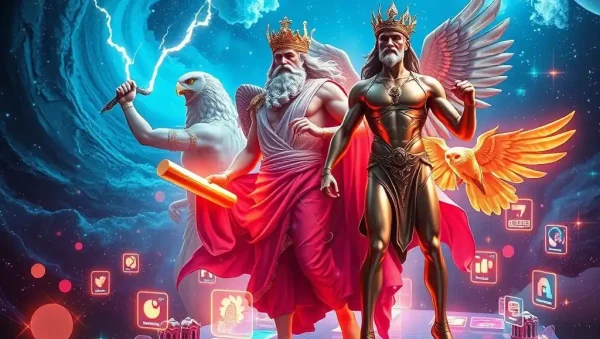
🌍 Dive into "Gods in the Machine," where ancient myths meet modern innovation through apps connecting timeless legends to pop culture, showcasing…
Read article
🌟 Discover how Mythic Figure Recognition Software transforms the way we identify and understand legendary entities across cultures, enriching our appreciation of…
Read articleDive into the digital realm of ancient stories with our curated collection of Mythology Software & Educational Apps. This subcategory transforms timeless myths, legends, and folklore into interactive learning experiences. Whether you are a student, educator, or lifelong enthusiast, you will discover tools that make exploring global mythologies—from Greek and Norse to Egyptian and Hindu—engaging and accessible. These applications combine cutting-edge technology with rich narrative traditions, offering immersive timelines, interactive maps, and gamified quizzes. Perfect for enhancing classroom lessons or personal exploration, our recommended software helps you unlock the deeper meanings behind epic tales and cultural heritage.
These apps allow you to navigate the chronological and geographical landscape of world mythology with ease. Expect features like interactive maps that plot the travels of heroes like Odysseus or the realms of the Norse nine worlds. Timelines chart the evolution of deities and myths across centuries, helping you understand how cultures influenced one another. Many include clickable hotspots that reveal historical context, archaeological findings, and primary source excerpts. This visual approach is ideal for visual learners and provides a macro-to-micro view of mythological traditions, making complex interconnections clearer and more memorable than traditional text-based study.
For educators, these tools offer a dynamic way to present comparative mythology. Students can visually trace the spread of flood myths or sun-god cults, fostering critical thinking about cultural diffusion. The best apps update their datasets frequently, including recent scholarship about Minoan or Sumerian origins. Offline modes allow classroom use without internet dependency, and most include citation tools to support academic integrity. Gamified challenges within these apps test your knowledge of mythological geography, turning study sessions into adventurous quests. This makes them an invaluable resource for both structured curriculum and independent discovery.
Immerse yourself in the personalities of gods, goddesses, monsters, and heroes through apps that focus on character exploration. These platforms often feature interactive encyclopedias with rich biographical entries, personality quizzes, and relationship maps. For example, you can explore Zeus's many connections or the tragic arc of Achilles with branching narrative paths. Many apps integrate augmented reality (AR), allowing you to place a 3D Minotaur in your living room or walk beside Athena in a virtual Parthenon. This experiential learning deepens emotional and intellectual engagement, making ancient characters feel relevant and human.
Story enhancers go beyond simple facts, offering annotated versions of classic texts like the Iliad or Edda. Pop-up explanations clarify cultural idioms, ancient warfare, and societal norms. Some apps even include choose-your-own-adventure modes where you influence the outcome of myths, seeing firsthand how fate and free will operate differently in various cultures. For writers, these tools are goldmines for world-building inspiration, providing detailed archetypes and plot structures. The combination of sound design, voice acting, and text creates a multisensory experience that appeals to auditory and kinesthetic learners alike.
Challenge your knowledge and reinforce learning with dedicated quiz and trivia apps tailored to mythology. These platforms range from casual daily trivia to serious academic preparation, covering all major pantheons and lesser-known folklore. Expect adaptive difficulty levels that scale questions based on your performance, ensuring continuous growth. Detailed answer explanations turn every wrong answer into a learning opportunity, expanding your understanding of variant myths and regional interpretations. Leaderboards and social challenges add a competitive edge, motivating consistent practice and study sessions.
Many quiz apps allow you to build custom sets, perfect for teachers creating unit tests or for students preparing for mythology bowls. Spaced repetition algorithms help retain obscure facts such as the names of river gods or the epithets of Artemis. Some platforms incorporate image recognition, asking you to identify gods from ancient vase paintings or temple carvings. The best ones also include pronunciation guides, ensuring you can say "Týr" or "Quetzalcoatl" correctly. With progress tracking and achievements, these apps transform memorization into an engaging, habit-forming activity that complements deeper reading and analysis.
Specifically engineered for educators, this category includes software that integrates seamlessly with school systems like Google Classroom or Canvas. These tools offer pre-built lesson plans, rubrics, and assignment templates centered on mythological themes. Teachers can assign interactive modules, monitor student progress in real-time, and share curated content directly. Features often include collaborative whiteboards for group decoding of mythic symbols and discussion forums designed to foster comparative analysis across different cultures. Analytics dashboards highlight which concepts students find challenging, enabling targeted intervention.
Beyond standard curricula, these platforms offer project-based learning assets, such as templates for creating digital comic strips of myths or building virtual museums. They often include accessibility options like text-to-speech, translations, and adjustable reading levels to support diverse learners. Assessment tools go beyond multiple-choice, incorporating essay prompts and oral presentation guides. Some even have built-in plagiarism checkers for student-written myth analyses. For homeschooling parents, these tools provide a structured yet flexible mythology curriculum that meets educational standards while encouraging creativity and critical inquiry.
Unleash your inner storyteller with applications that use mythology as a creative springboard. These platforms offer character generation tools based on mythological archetypes, complete with traits, flaws, and divine abilities. You can write interactive fiction where your choices reflect the moral dilemmas of myth—such as Agamemnon's sacrifice or Loki's betrayals. Story branching engines help you weave nonlinear narratives inspired by epic cycles. Some apps connect to vibrant online communities where you can publish your tales, receive feedback, and collaborate on shared mythological universes with other creators.
For game masters and tabletop RPG fans, these apps simplify world-building with randomized mythic encounters, lore compendiums, and faction generators. You can quickly create a pantheon, define its domains, and devise the conflicts that drive your campaign. The software often includes dice-rolling mechanics that simulate fate or oracle results from ancient divination practices. Tutorials cover how to ethically adapt sacred stories, emphasizing cultural context and sensitivity. This hands-on approach fosters a deeper appreciation for narrative structure and the enduring power of myth in modern storytelling, from fantasy novels to cinematic universes.
No, most are designed for beginners and experts alike. They offer adjustable difficulty levels, glossary pop-ups, and progressive learning paths that introduce core concepts gently. You can start with Greek or Norse basics and later explore Aztec or Celtic myths at your own pace.
Yes, the majority are cross-platform. Many have responsive web versions that work on laptops and tablets, along with native mobile apps. Always check the specific product description for system requirements, but expect broad compatibility with modern devices.
Absolutely. Classroom-focused tools include robust dashboards showing time spent, quizzes taken, and mastery levels per student. Some also generate summary reports that can be exported for parent-teacher conferences or administrative review.
Many offer free tiers with limited content, such as sample quizzes or a single interactive story. Premium subscriptions unlock full libraries, offline access, and advanced analytics. We recommend trying several free versions to find the best fit before committing financially.
Quality apps blend entertainment with rigorous scholarship. They cite academic sources, include bibliographies, and often collaborate with university professors. However, some gamified apps prioritize fun, so it is wise to read reviews or seek apps aligned with educational standards if accuracy is critical.