
The Gentle Hero: Challenging Traditional Masculine Norms in Myth


Welcome to Mythology and Legends, your gateway to the world's most captivating stories. Prepare to be enthralled as we delve into the timeless narratives that have shaped cultures for millennia. Ever wondered if heroism always requires brute force and stoicism? Our latest exploration unveils a surprising twist on classic archetypes, asking: can a hero be both powerful and gentle? Discover how myths are redefining Heroic Figures' gentle masculinity, challenging the very essence of what it means to be a legend. Unravel the secrets within – the journey begins now.
- Introduction: Redefining Heroism Through Gentle Masculinity
- Traditional Masculine Norms in Hero Myths: A Critical Analysis
- The Rise of the Gentle Hero: A New Archetype
- Case Studies: Gentle Heroes and Their Impact
- The Power of Vulnerability: Reclaiming Emotional Expression in Heroic Figures
- Challenging Toxic Masculinity: The Gentle Hero as a Counter-Narrative
- Gentle Masculinity and Modern Interpretations of Hero Myths
- Conclusion: The Future of Heroism and the Importance of Gentle Masculinity
-
Frequently Asked Questions
- How does the article redefine the concept of a "heroic figure" within mythology?
- What are some examples of mythological characters who exemplify "gentle masculinity" as described in the article?
- Why is it important to re-examine traditional masculine norms in the context of mythology?
- How does the article connect these "gentle heroes" to contemporary society?
- What impact can the exploration of "gentle masculinity" in mythology have on modern interpretations of these stories?
- Final Reflection: Redefining Heroism, Reimagining Masculinity
- Unleash Your Inner Gentle Hero: Reimagine Strength
Introduction: Redefining Heroism Through Gentle Masculinity
Exploring the Evolution of Heroic Archetypes
Heroic figures have captivated human imagination for millennia, serving as cultural touchstones that embody societal ideals. Traditionally, these figures have often been defined by physical prowess, military might, and a dominant, often aggressive, form of masculinity. Think of figures like Hercules, known for his immense strength and twelve labors, or Achilles, the formidable warrior whose rage is central to the Iliad.
These archetypes, prevalent across many ancient myths, reinforced a narrow definition of heroism tied intrinsically to conquest, victory in battle, and the assertion of power through force. This focus on physical and martial strength shaped cultural expectations of men and the qualities deemed worthy of admiration and emulation.
However, a closer look at global folklore reveals a more nuanced spectrum of heroic figures. While the warrior hero dominates many Western narratives, other traditions feature heroes whose strength lies not in brute force, but in wisdom, compassion, resilience, or moral fortitude. The evolution of heroic archetypes reflects changing societal values and a growing recognition that heroism can manifest in diverse forms. Examining these alternative figures allows us to challenge the monolithic image of the aggressive male hero and appreciate the depth and variety of human strength, including the often-overlooked power inherent in gentle masculinity.
The Significance of Gentle Masculinity in Contemporary Myth Interpretation
In contemporary society, there is a critical re-evaluation of traditional gender roles and the concept of masculinity. The exploration of gentle masculinity in heroic figures within mythology offers a powerful lens through which to understand how different cultures have historically valued traits like empathy, kindness, and vulnerability, even in their most celebrated figures. By highlighting these aspects, we can see that the idea of a hero who is not defined solely by aggression is not a modern invention but has roots in ancient narratives, though often overshadowed.
Interpreting myths through the framework of gentle masculinity allows us to identify and appreciate heroic qualities that are often downplayed in favor of more conventional displays of strength. This approach is significant because it provides historical and cultural precedents for healthier, more expansive definitions of masculinity.
It encourages us to look beyond the surface-level narratives of conquest and conflict to find heroes whose impact stems from their emotional intelligence, their capacity for compassion, and their willingness to act from a place of vulnerability rather than dominance. Recognizing these heroic figures gentle masculinity helps to dismantle harmful stereotypes and promotes a more inclusive understanding of what it means to be strong and heroic.
Traditional Masculine Norms in Hero Myths: A Critical Analysis
The Prevalence of Aggression and Dominance in Classic Heroic Narratives
Across numerous mythologies, the archetype of the hero is strongly associated with traits linked to traditional masculinity: physical strength, aggression, courage in battle, and the assertion of dominance over adversaries or challenges. Consider the Norse god Thor, whose primary attributes are his immense strength and his hammer Mjolnir, used to defeat giants and protect Asgard through brute force.
Or the Sumerian hero Gilgamesh, whose early exploits involve wrestling the wild man Enkidu and embarking on quests that require physical endurance and martial skill. These narratives often frame heroism as a zero-sum game, where success is achieved through overcoming obstacles or enemies via direct confrontation and superior power.
This pervasive focus on aggression and dominance in classic heroic narratives is not accidental; it often reflects the martial societies and patriarchal structures in which these myths originated. The heroes served as role models for young men, embodying the virtues deemed necessary for survival and prosperity in often-challenging environments.
The emphasis on physical prowess and the ability to dominate others was a direct reflection of the values that ensured the protection and expansion of the community. Consequently, alternative forms of strength, such as emotional resilience, empathy, or diplomatic skill, were frequently relegated to supporting characters or seen as less central to the heroic journey.
Examining the Societal Impact of Traditional Masculinity Portrayals
The consistent portrayal of heroes as embodiments of aggression and dominance has had a significant, long-lasting societal impact. These narratives contribute to the reinforcement of rigid gender roles, suggesting that "real" men must be strong, unemotional, and dominant. This can create immense pressure on individuals to conform to a narrow standard, suppressing emotional expression and discouraging traits perceived as "weak" or feminine. The cultural ubiquity of these aggressive heroic figures can normalize or even glorify violence and dominance as primary modes of problem-solving and interaction.
Furthermore, the societal impact extends to how qualities associated with gentle masculinity are perceived. Compassion, empathy, and vulnerability are often undervalued or seen as liabilities in contexts where traditional heroic ideals are paramount. This can hinder healthy emotional development and interpersonal relationships, perpetuating cycles of emotional repression. Recognizing the powerful influence of these traditional portrayals is the first step in appreciating the importance of challenging them and exploring alternative heroic figures gentle masculinity, which offer more diverse and potentially healthier models for individuals and society.
The Rise of the Gentle Hero: A New Archetype
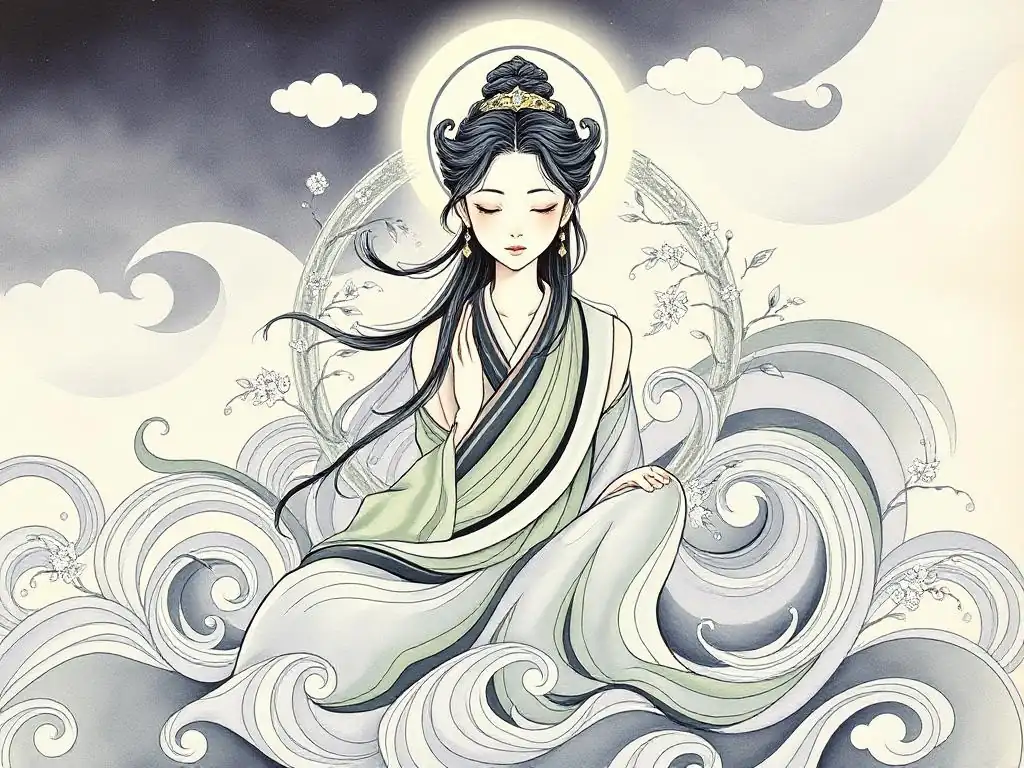
Defining Gentle Masculinity in Heroic Figures: Compassion, Empathy, and Vulnerability
Gentle masculinity, when applied to heroic figures, describes a complex set of traits that diverge significantly from the traditional emphasis on aggression and dominance. It encompasses the capacity for deep compassion, the ability to understand and share the feelings of others (empathy), and the willingness to acknowledge and express one's own emotional state and limitations (vulnerability). These heroes do not shy away from difficult situations, but their approach is guided by wisdom, kindness, and a desire to heal or protect, rather than simply to conquer or destroy.
A gentle hero might use diplomacy to avert conflict, offer solace to the suffering, or make personal sacrifices driven by love or principle rather than glory. Their strength is not measured by the number of enemies they defeat, but by the positive impact they have on the world through non-violent or emotionally intelligent means.
They demonstrate that courage is not the absence of fear or emotion, but the ability to act morally and effectively despite vulnerability. These heroic figures gentle masculinity challenge the notion that emotional restraint and physical toughness are the sole markers of strength, offering a richer, more humane vision of heroism.
Examples of Early Gentle Heroes in Buddhist Jataka Tales
The Jataka tales, a vast collection of stories about the previous lives of the Buddha, Prince Siddhartha, offer numerous early examples of heroic figures embodying gentle masculinity. These narratives, dating back centuries, often feature the Bodhisattva (the Buddha-to-be) in various forms – human, animal, or divine – performing acts of profound self-sacrifice and compassion. Unlike heroes who gain power through conquest, the Bodhisattva's heroism is defined by his ethical conduct, wisdom, and boundless empathy for all sentient beings.
For instance, the tale of the Hare who offers his own body as food to a starving ascetic is a powerful illustration of altruistic sacrifice driven by compassion. Another story recounts the Bodhisattva, as a wise king, giving up his kingdom or even his life to uphold justice or alleviate suffering.
These tales predate many Western epics and demonstrate that within certain cultural contexts, the highest form of heroism was associated not with martial prowess, but with moral purity, selflessness, and an active, gentle concern for the welfare of others. They provide a clear historical precedent for the concept of heroic figures gentle masculinity.
Case Studies: Gentle Heroes and Their Impact
Case Study 1: Prince Siddhartha - A Model of Empathetic Leadership
Prince Siddhartha, the historical figure who became the Buddha, is perhaps one of the most profound examples of a gentle hero whose impact reshaped a major world religion and philosophy. His life story, particularly his renunciation of a life of luxury and power to seek an end to suffering, is a narrative of heroism driven by empathy. He did not seek to conquer kingdoms or defeat external foes, but to understand and overcome the internal suffering inherent in the human condition. His "battles" were internal struggles against ignorance and attachment, fought with mindfulness and wisdom.
Analyzing Prince Siddhartha's Acts of Kindness and Self-Sacrifice
Siddhartha's journey is punctuated by acts that exemplify gentle masculinity. His decision to leave his palace, wife, and child was a monumental act of self-sacrifice, not for personal glory, but out of a deep-seated compassion for the suffering he witnessed – sickness, old age, and death. During his ascetic phase, he endured extreme hardship, again, not for masochistic reasons, but as part of his quest to find a path to liberation for others.
Upon achieving enlightenment, his subsequent life was dedicated to teaching and guiding others with immense patience and kindness. His method was persuasion and example, not force or coercion. The famous story of him calming a rampaging elephant through sheer presence and compassion, or tending to a sick monk himself, highlights his active, gentle approach to leadership and care.
The Cultural Reception of Prince Siddhartha's Gentle Approach
The cultural reception of Prince Siddhartha's story has been overwhelmingly positive across vast regions of Asia and, later, globally. His figure is revered not for military victories, but for his profound wisdom, ethical teachings, and boundless compassion. The spread of Buddhism, a religion founded on principles of non-violence (ahimsa), mindfulness, and universal compassion, is a testament to the power and appeal of his gentle heroism.
His life provides a foundational narrative for billions, illustrating that true strength lies in inner peace, empathy, and the dedication to alleviating the suffering of others. This widespread and enduring reverence underscores the significant cultural impact that heroic figures gentle masculinity can wield.
Case Study 2: Iphigenia - Challenging Gender Roles in Heroism
Iphigenia, a figure from Greek mythology, daughter of King Agamemnon, presents a different, perhaps more challenging, example when considering gentle masculinity. While not a male figure, her story involves an act of profound self-sacrifice that challenges traditional gendered expectations of heroism in her context. In the myth, the Greek fleet is stalled by Artemis, who demands Iphigenia's sacrifice for favorable winds to sail to Troy. Agamemnon is faced with an impossible choice.
Examining Iphigenia's Acceptance of Sacrifice for the Greater Good
In Euripides' version of the myth, Iphigenia at Aulis, Iphigenia initially pleads for her life but ultimately accepts her fate willingly when convinced that her death will allow the Greek army to sail and achieve glory, thereby serving the greater good of her people (or at least, the army). This acceptance is not born of physical strength or aggression, but of a profound, albeit tragic, sense of duty and selflessness.
She chooses to face death with a certain dignity and resolve, an act of courage that requires immense internal fortitude rather than external force. Her heroism lies in her voluntary surrender, a passive yet incredibly powerful act that enables the grand, violent epic of the Trojan War to begin.
The Significance of Iphigenia's Story for Modern Audiences
Iphigenia's story remains significant for modern audiences precisely because it subverts traditional heroic narratives. Her strength is not in fighting or conquering, but in a heartbreaking willingness to sacrifice herself for a cause presented as larger than her own life. While her agency is debated and often overshadowed by the patriarchal context, her acceptance can be interpreted as a form of gentle strength – a non-violent, self-effacing act with massive consequences.
It challenges the notion that heroism is exclusively about action, dominance, or male figures. Her story prompts us to consider how heroism can manifest through sacrifice, resilience in the face of injustice, and the quiet, internal fortitude required to face an unavoidable, tragic fate. It adds a complex layer to the discussion of heroic figures gentle masculinity by presenting a non-male figure whose most impactful act is one of passive sacrifice.
The Power of Vulnerability: Reclaiming Emotional Expression in Heroic Figures
The Stigma Surrounding Emotional Expression in Traditional Masculinity
Traditional portrayals of masculine heroism often impose a rigid emotional code: heroes are expected to be stoic, unflappable, and impervious to fear, grief, or doubt. Displays of emotion, particularly those associated with sadness, fear, or tenderness, are frequently stigmatized as signs of weakness. This cultural expectation has deep roots in myths where crying heroes, like Achilles mourning Patroclus (though even his grief is expressed violently), are rare exceptions in narratives dominated by figures who suppress their feelings to maintain an image of invincibility. The message is clear: emotional control equals strength, and vulnerability equals failure.
This stigma has harmful repercussions, both within the mythological narratives themselves and in real-world societal expectations. It limits the emotional range of characters and perpetuates the harmful stereotype that men should not express vulnerability. This emotional suppression can lead to psychological distress and hinder authentic connection. Challenging this stigma is crucial for fostering healthier expressions of masculinity and for recognizing that emotional depth and vulnerability are not antithetical to strength, but can, in fact, be sources of profound connection and resilience.
How Gentle Heroes Embrace Vulnerability as a Strength
In contrast to the stoic warrior, gentle heroes often demonstrate that embracing vulnerability is not a weakness, but a potent form of strength. Their capacity to feel deeply, to empathize with suffering, and even to admit fear or doubt allows them to connect with others on a profound level and make choices guided by compassion rather than rigid adherence to duty or a need to appear invincible. A gentle hero might shed tears for the suffering of innocents, admit their limitations, or express love and tenderness openly.
Consider figures who show mercy, who are moved by the plight of others, or who make sacrifices that reveal their emotional attachments. Their vulnerability makes them relatable and their actions, driven by genuine feeling, often resonate more deeply than those motivated solely by abstract concepts like honor or glory. By allowing themselves to be vulnerable, these heroic figures gentle masculinity demonstrate a different kind of courage – the courage to be fully human, with all the emotional complexity that entails. This acceptance of vulnerability is a powerful counter-narrative to the traditional, emotionally repressed hero.
Challenging Toxic Masculinity: The Gentle Hero as a Counter-Narrative
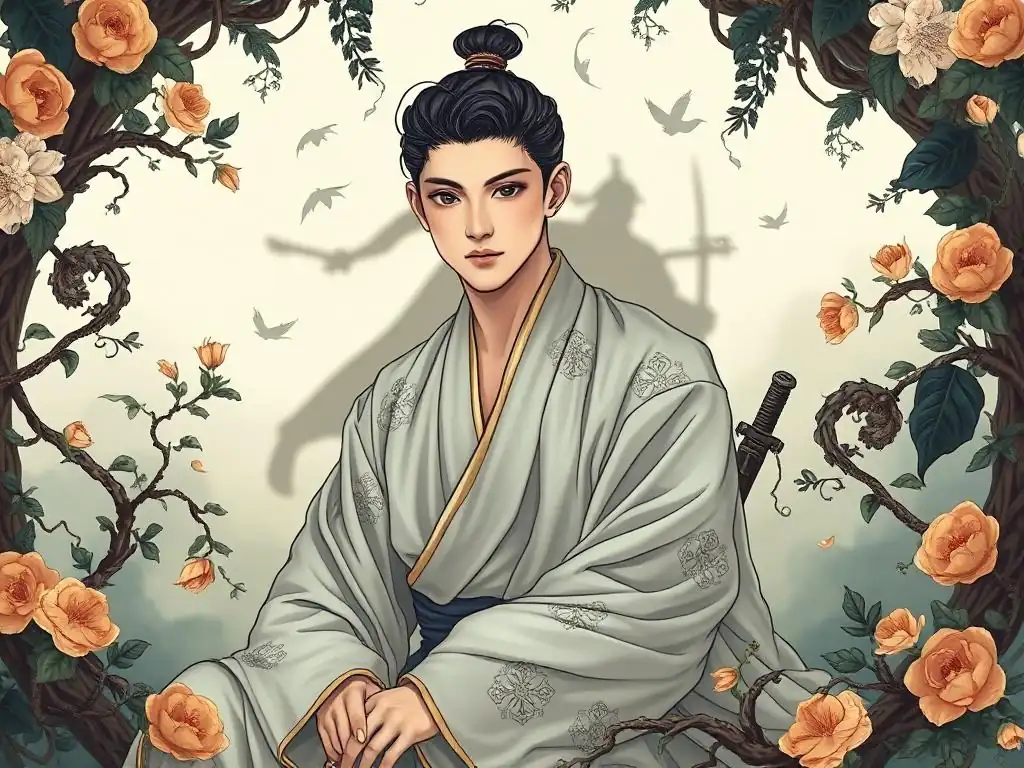
Understanding the Dangers of Toxic Masculinity in Myth and Society
Toxic masculinity refers to the harmful aspects of traditional masculine norms that emphasize aggression, violence, dominance, emotional repression, and misogyny. In myths, these traits can manifest in heroes who are excessively violent, disregard the feelings or rights of others (particularly women), or who prove incapable of healthy emotional relationships. Figures whose "heroism" comes at the expense of immense collateral damage or personal cruelty exemplify aspects of this toxicity. These narratives, when uncritically accepted, can contribute to real-world problems such as violence, emotional abuse, and the perpetuation of harmful gender stereotypes.
The danger lies in the way these myths can normalize or even glorify behaviors that are detrimental to individuals and society. When the most celebrated figures embody these toxic traits, it sends a powerful message about what is valued and expected from men. It limits the acceptable range of male behavior and can create environments where aggression is rewarded and empathy is seen as a disadvantage. Understanding the presence and impact of toxic masculinity in myth is essential for recognizing the need for alternative, healthier models.
The Role of Gentle Heroes in Promoting Healthy Masculine Identities
Gentle heroes serve as a vital counter-narrative to toxic masculinity. By embodying traits like compassion, empathy, patience, and emotional intelligence, they offer alternative models of strength and leadership. They demonstrate that power does not have to be expressed through dominance or violence, but can manifest as the ability to nurture, protect through non-aggression, or inspire through wisdom and kindness. These heroic figures gentle masculinity show that being a man and being gentle are not mutually exclusive, but can be complementary forces.
Their stories promote healthier masculine identities by validating emotional expression, emphasizing the importance of interpersonal connection, and redefining courage not just as facing external threats, but as having the moral fortitude to act ethically and compassionately, even when difficult. By providing examples of heroes who achieve greatness through means other than brute force or aggression, gentle heroes encourage a broader, more inclusive understanding of what it means to be strong, capable, and admirable. They offer pathways for men to reject the harmful aspects of traditional masculinity and embrace a more holistic, emotionally intelligent sense of self.
Gentle Masculinity and Modern Interpretations of Hero Myths
Reinterpreting Classic Myths Through a Gentle Masculinity Lens
Modern scholarship and popular culture are increasingly reinterpreting classic hero myths through a lens that highlights or seeks out elements of gentle masculinity. This involves looking beyond the surface-level narratives of conquest to find moments of empathy, vulnerability, or non-violent resolution. For example, interpretations of Odysseus might focus not just on his cunning and warrior skills, but on his profound longing for home and family, his tears upon hearing tales of his past, or his compassion towards loyal servants. Even in stories of seemingly purely aggressive heroes, nuances can be found or emphasized.
This reinterpretation is crucial because it allows us to engage with ancient texts in ways that resonate with contemporary values. It acknowledges that myths are complex and multifaceted, offering more than just endorsements of traditional power structures. By seeking out and emphasizing instances of heroic figures gentle masculinity, we can uncover hidden layers of meaning and find relevance in ancient stories for modern discussions about gender, emotion, and strength. This approach enriches our understanding of the myths and their potential to offer diverse models of heroism.
The Enduring Appeal of Gentle Heroes in a Changing World
The enduring appeal of gentle heroes reflects a growing societal recognition of the value of empathy, compassion, and vulnerability. In a world grappling with complex issues like conflict, inequality, and mental health challenges, figures whose strength lies in their ability to connect, heal, and understand offer powerful inspiration. They resonate because they embody qualities that are increasingly seen as essential for building a more just and compassionate society.
As traditional gender roles continue to evolve, the concept of heroic figures gentle masculinity offers a timely and important counterpoint to outdated ideals. These heroes provide positive role models for individuals of all genders, demonstrating that true strength is not about dominance or emotional repression, but about integrity, kindness, and the courage to be fully human. Their stories remind us that the most impactful forms of heroism often stem from a place of profound empathy and a commitment to the well-being of others.
Conclusion: The Future of Heroism and the Importance of Gentle Masculinity
Embracing Diverse Representations of Heroism
The exploration of gentle masculinity in myth reveals that heroism has never been a monolithic concept. While warrior archetypes have often dominated the spotlight, narratives from around the world feature heroic figures who embody a wider spectrum of strengths, including compassion, empathy, wisdom, and resilience. Moving forward, it is essential to embrace and promote these diverse representations of heroism. Recognizing that strength can manifest in countless ways allows for a more inclusive understanding of human potential and provides a richer array of role models for future generations.
To achieve this, we must actively seek out and highlight stories of heroic figures gentle masculinity from various cultures and traditions. This involves revisiting classic myths with a critical eye, reinterpreting characters to uncover their less obvious strengths, and celebrating narratives where heroism is defined by acts of kindness, sacrifice, or emotional courage rather than solely by physical conquest. Embracing this diversity is crucial for challenging outdated norms and fostering a more expansive and equitable vision of what it means to be a hero.
The Legacy of Gentle Heroes: Inspiring Compassion and Empathy
The legacy of gentle heroes is one that emphasizes the transformative power of compassion and empathy. Figures like Prince Siddhartha demonstrate that profound change can be achieved not through force, but through understanding, ethical conduct, and unwavering kindness. Their stories offer timeless lessons about the importance of looking beyond superficial differences, connecting with the suffering of others, and acting from a place of genuine care.
By bringing the concept of heroic figures gentle masculinity into the foreground, we not only enrich our understanding of mythology but also draw valuable lessons for contemporary life. These heroes inspire us to cultivate empathy in ourselves, to recognize the strength in vulnerability, and to understand that some of the most significant acts of heroism are those that heal, connect, and uplift rather than conquer or dominate.
The enduring message of the gentle hero is a powerful reminder that true strength lies in the capacity for love, understanding, and the courage to be gentle in a world that often equates power with aggression.
Frequently Asked Questions
How does the article redefine the concept of a "heroic figure" within mythology?
The article explores how some mythological heroes embody gentle masculinity, challenging traditional notions of strength and aggression. It focuses on characters who display compassion and empathy alongside courage.
What are some examples of mythological characters who exemplify "gentle masculinity" as described in the article?
The article likely highlights heroes who prioritize nurturing relationships and emotional intelligence over brute force. Think of figures known for their wisdom, diplomacy, or healing abilities, like pacifist leaders or compassionate healers.
Why is it important to re-examine traditional masculine norms in the context of mythology?
Re-examining these norms allows for a more inclusive and nuanced understanding of heroism. It acknowledges that strength can manifest in various forms, including vulnerability and emotional depth, which are traditionally sidelined.
How does the article connect these "gentle heroes" to contemporary society?
The article likely argues that these figures provide alternative role models for men today. They offer a vision of masculinity that emphasizes emotional intelligence and empathy, rather than aggression and dominance.
What impact can the exploration of "gentle masculinity" in mythology have on modern interpretations of these stories?
It can lead to a more complex and enriching appreciation of the myths. Readers can connect with characters on a deeper level, recognizing their humanity and the strength in their vulnerability.
Final Reflection: Redefining Heroism, Reimagining Masculinity
The gentle hero is not a niche concept; it is a vital counterpoint to the toxic masculinity that continues to permeate our society. The narratives we consume, the ideals we uphold, shape our understanding of strength and success. By examining the often-overlooked gentle heroes within mythology and folklore, we challenge the narrow definition of heroism that prioritizes aggression and dominance. This re-evaluation is crucial for fostering healthier, more empathetic relationships and communities.
The enduring power of these gentler narratives lies in their ability to demonstrate strength not as brute force, but as resilience, compassion, and selflessness. These qualities, often relegated to the feminine in traditional narratives, are equally, if not more, powerful in shaping a just and equitable world. As the poet Mary Oliver so eloquently stated: Tell me, what is it you plan to do with your one wild and precious life?
This question, posed in the context of our exploration of gentle heroism, compels us to consider how we, too, can embody these qualities and contribute to a more compassionate future.
Consider the heroes you admire, the stories that have shaped your understanding of strength. Are they solely defined by their physical prowess or their capacity for violence? Or do they possess qualities of empathy, understanding, and a commitment to the well-being of others? I invite you to actively seek out and celebrate the gentle heroes in your own life, and to consciously cultivate these qualities within yourself. The future of masculinity, and indeed the future of humanity, depends on it.
Unleash Your Inner Gentle Hero: Reimagine Strength
Thanks for exploring the fascinating world of gentle heroes and challenging traditional masculine norms in myth! You've gained a new perspective on strength and what it truly means to be a hero. Now it's time to put that knowledge into action.
- Share your thoughts: What unconventional displays of strength have you witnessed or experienced? Tell us in the comments below – let's spark a conversation! This is your chance to share personal reflections and encourage others.
- Explore further: Delve deeper into the myths of unconventional heroes – research others who challenge traditional masculine tropes. See if you can find examples in your own culture or even contemporary fiction.
- Craft your own hero's journey: Consider how you might incorporate the principles of gentle strength into your own life. What small acts of kindness or resilience could become acts of heroism for you?
Ready to redefine what heroism means to you?