
Celtic Creatures: Encounters with Beasts and Beings from the Otherworld

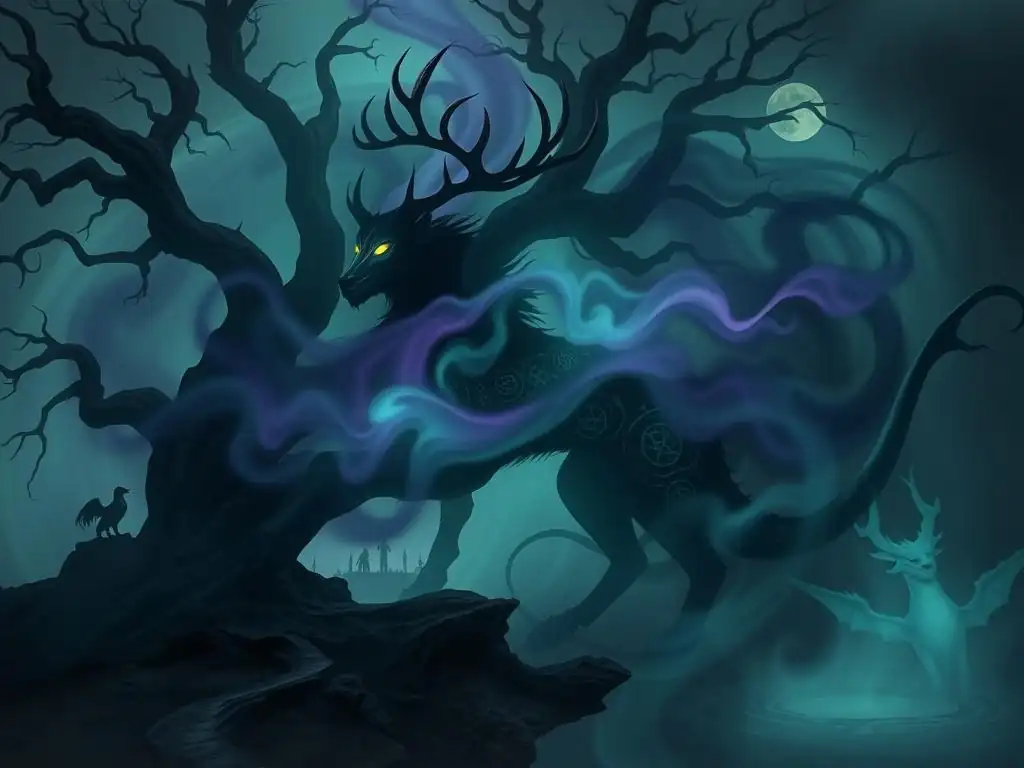
Welcome to Mythology and Legends, your portal to the world's captivating narratives! Dare to delve into the realms of ancient lore as we explore the enduring power of myths and legends. Are you ready to encounter the fantastical beings that haunted the Celtic imagination? Unravel the mysteries of Celtic folklore creatures explained, and discover the secrets hidden within these ancient tales. Let the journey begin!
- Introduction to Celtic Folklore Creatures
-
Frequently Asked Questions
- What is Celtic folklore, and what kind of creatures are typically found within it?
- What are some examples of commonly encountered Celtic folklore creatures?
- What is the "Otherworld" in Celtic mythology, and how does it relate to these creatures?
- How did encounters with these Celtic creatures influence Celtic culture and society?
- Are these Celtic folklore creatures still relevant today, and if so, how?
- Final Reflection: Echoes of the Otherworld in Our Modern Lives
- Unleash Your Inner Myth Weaver: Craft Your Own Celtic Legend!
Introduction to Celtic Folklore Creatures
The Enduring Allure of Celtic Mythology
The rich tapestry of Celtic mythology, woven from the ancient oral traditions of Ireland, Scotland, Wales, and Brittany, continues to hold a powerful fascination across the globe. These tales, passed down through generations, survived centuries of cultural shifts and invasions, preserving a unique worldview deeply connected to nature and the supernatural. The enduring allure lies in their vivid characters, heroic deeds, and the profound sense of mystery surrounding the various Celtic folklore creatures explained within these narratives.
The appeal extends beyond mere historical interest; Celtic myths have significantly influenced modern fantasy literature, art, and popular culture. Figures like the Fae, powerful sorcerers, brave warriors, and the diverse array of beasts and beings from the Otherworld continue to inspire. The themes of fate, honor, the cyclical nature of life, and the thin veil separating the mortal realm from the magical resonate deeply, making these ancient stories, and the Celtic folklore creatures explained therein, timeless and compelling.
Understanding the Realm of the Otherworld
Central to many Celtic myths is the concept of the Otherworld, a realm distinct from the mortal sphere. Unlike the Christian concepts of heaven or hell, the Otherworld is often depicted as a parallel dimension, sometimes located beneath hills, across the western sea, or existing invisibly alongside the human world. It is typically portrayed as a place of eternal youth, beauty, abundance, and powerful magic, the dwelling place of the Aos Sí and many of the most significant Celtic folklore creatures.
Encounters with the Otherworld are frequent in legend, often occurring unexpectedly when mortals stumble upon its borders or are invited by its inhabitants. Time operates differently within this magical realm; a visitor who spends seemingly mere hours there might return to find years, decades, or even centuries have passed in the human world. This mysterious and often dangerous dimension is the source and home for the extraordinary variety of creatures and beings that populate Celtic folklore, shaping their nature and interactions with humanity.
Frequently Asked Questions
What is Celtic folklore, and what kind of creatures are typically found within it?
Celtic folklore is the body of myths, legends, and traditions originating from Celtic cultures. It often features creatures from the Otherworld, such as fairies, mythical beasts, and ancestral spirits.
What are some examples of commonly encountered Celtic folklore creatures?
Common examples include leprechauns, known for their hidden gold, banshees, whose wails foretell death, and kelpies, shape-shifting water spirits that lure victims to their doom.
What is the "Otherworld" in Celtic mythology, and how does it relate to these creatures?
The Otherworld is a supernatural realm often depicted as intertwined with the mortal world. Many Celtic creatures are said to originate from or reside within the Otherworld, blurring the lines between reality and the spiritual realm.
How did encounters with these Celtic creatures influence Celtic culture and society?
Encounters, real or imagined, deeply influenced Celtic beliefs, shaping societal norms and moral codes. They often served as warnings or explanations for unexplained events in the natural world.
Are these Celtic folklore creatures still relevant today, and if so, how?
Yes, these creatures continue to inspire literature, art, and popular culture. They represent a rich cultural heritage and spark interest in Celtic traditions and the power of storytelling.
Final Reflection: Echoes of the Otherworld in Our Modern Lives
The enduring power of Celtic folklore, specifically its captivating creatures, lies not in dusty tomes but in its continued resonance with our modern anxieties and aspirations. These mythical beings, from the mischievous leprechauns guarding their gold to the fearsome Dullahan heralding death, continue to capture our imaginations and offer a potent lens through which to examine our own inner worlds and the mysteries of existence. Their stories are not simply relics of the past; they are living narratives that speak to timeless human experiences.
The impact of Celtic mythology on our cultural landscape is undeniable, weaving its way into literature, art, film, and even everyday language. These creatures, born from the mists of ancient Ireland and Scotland, have transcended geographical boundaries and continue to inspire artists and storytellers across the globe. Their enduring appeal speaks to a deep-seated human need for myth and magic, a desire to connect with something larger than ourselves. Myth is a way of making sense of the world, of giving shape to the formless, of finding meaning in the chaos.
This sentiment perfectly encapsulates the enduring power of these Celtic creatures and their continued relevance in a world often characterized by uncertainty and rapid change.
Consider the lessons woven into these ancient tales. What does the cunning of the leprechaun teach us about ambition and the pursuit of wealth? What does the Dullahan's terrifying presence reveal about our fear of mortality?
Take a moment to reflect on these creatures, not just as fantastical beings, but as metaphors for the complexities of the human experience. Let their stories inspire you to explore your own inner landscapes, to confront your fears, and to embrace the magic that still exists, even in the most mundane aspects of your life. Let the echoes of the Otherworld resonate within you, enriching your understanding of yourself and the world around you.
Unleash Your Inner Myth Weaver: Craft Your Own Celtic Legend!
Thanks for exploring the fascinating world of Celtic creatures with us! We hope you've discovered some captivating stories and maybe even felt a spark of the Otherworld's magic. Ready to delve deeper?
- Craft your own Celtic creature: Let your imagination run wild and design a unique beast, complete with its own powers, weaknesses, and legend. Share your creation in the comments below – let's build a community of myth makers!
- Explore real-world Celtic art and symbolism: Search for images and artifacts online that reflect the creatures discussed. Notice how artists interpreted these legendary beings through the ages.
- Share this article with a friend who loves folklore and fantasy – let's spread the enchantment!
What unique abilities would your Celtic creature possess, and what role would it play in a modern-day legend?