
The Stories Only the Elders Know: An Urgent Call to Action

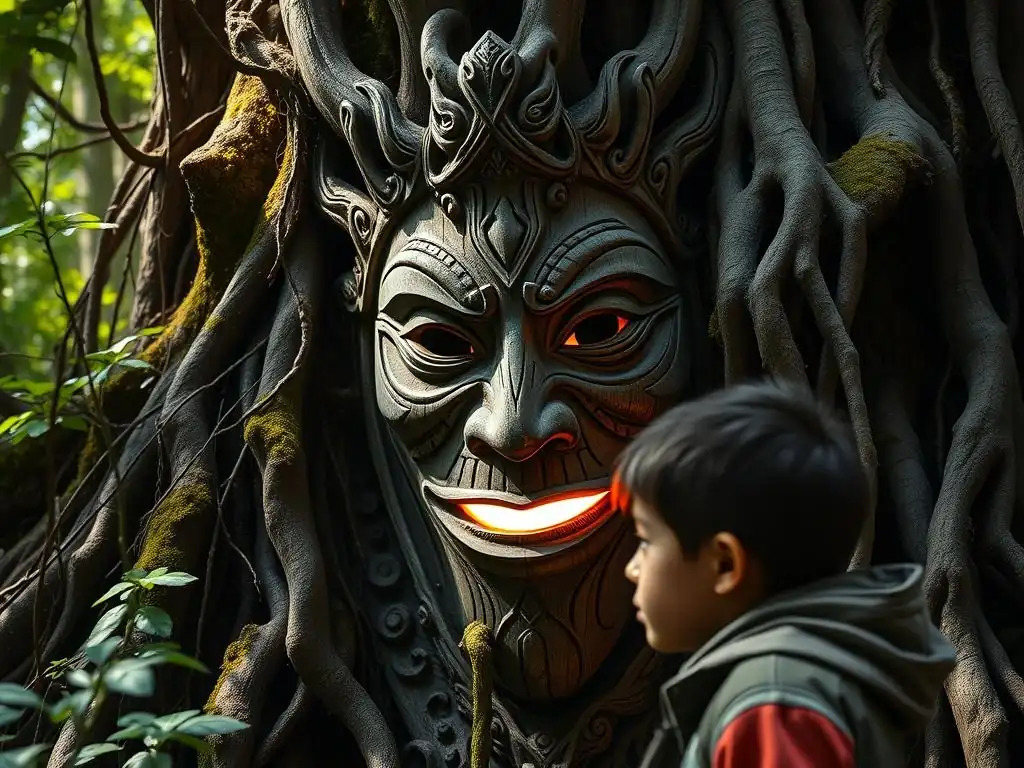
Welcome to Mythology and Legends, your passport to the world's most captivating stories! Are you ready to uncover the secrets whispered through generations? Dive into " Oral traditions cultural preservation stories" and discover why preserving these ancient narratives is more vital than ever. What happens when the voices of the elders fade? Let's explore together the urgent call to action and the profound impact these stories have on our world.
- The Stories Only the Elders Know: An Urgent Call to Action for Oral Traditions Cultural Preservation
- The Keepers of Knowledge: Understanding the Role of Elders
- Oral Traditions Under Threat: A Global Crisis of Cultural Loss
- Documenting and Preserving Oral Traditions: Practical Strategies
- Community-Based Initiatives for Cultural Preservation
- The Power of Storytelling: Revitalizing Cultural Identity
- The Urgent Call to Action: Protecting Our Shared Heritage
-
Frequently Asked Questions
- How are oral traditions vital for cultural preservation?
- What role do elders play in maintaining and transmitting oral traditions?
- Why is there an urgent need to protect and preserve oral stories today?
- What are some effective strategies for cultural preservation of oral traditions?
- How do oral traditions shape and influence contemporary society?
- Final Reflection: The Echoing Voices of Our Past
- Unlock Your Family's Hidden Histories
The Stories Only the Elders Know: An Urgent Call to Action for Oral Traditions Cultural Preservation
The Irreplaceable Value of Indigenous Cultural Heritage Stories
Oral traditions are far more than mere anecdotes; they are the living archives of cultures, holding within them the accumulated wisdom, history, and identity of generations. For Indigenous communities worldwide, these narratives serve as the primary means of transmitting complex knowledge systems, including deep ecological understanding, spiritual beliefs, legal frameworks, and detailed accounts of historical events. They provide a continuous link to ancestors, land, and cultural practices that written records often cannot capture.
Losing these stories means losing unique worldviews, languages, and invaluable knowledge about human adaptation and existence. It's estimated that thousands of distinct languages, each carrying its own universe of oral traditions cultural preservation stories, are currently endangered, signifying a potential loss of cultural diversity on an unprecedented scale.
These cultural heritage stories are vital for maintaining a sense of self and community cohesion. They teach moral lessons, explain origins, guide social interactions, and encode intricate knowledge about the natural world, such as medicinal plants, animal behavior, and weather patterns specific to a region. When these stories fade, the intricate tapestry of cultural knowledge unravels, impacting everything from traditional governance to environmental stewardship. The urgency of oral traditions cultural preservation stories becomes clear when considering that the knowledge embedded within them often holds keys to understanding sustainable living practices or historical perspectives that challenge dominant narratives.
The Threat to Folklore: Factors Leading to the Loss of Oral Narratives
The decline of oral traditions is a multifaceted crisis driven by a confluence of historical and contemporary factors. Colonial policies, for example, often actively suppressed Indigenous languages and cultural practices, including storytelling, through forced assimilation in residential schools or other institutions. This created ruptures in the intergenerational transmission of knowledge.
More recently, globalization and the pervasive influence of mass media and dominant languages have accelerated this decline. Younger generations may be more exposed to global entertainment and digital culture, finding less time or perceived relevance for traditional storytelling within their daily lives. Migration from traditional territories to urban centers also disrupts the social contexts where stories are traditionally shared and performed.
Furthermore, economic pressures often force individuals to prioritize wage labor over traditional activities, including the time-intensive practice of learning and sharing complex narratives. The simple lack of opportunities for elders and youth to spend time together, due to work schedules, geographic separation, or differing social structures, directly hinders the vital process of intergenerational knowledge transfer. This combination of historical trauma, economic shifts, technological change, and social fragmentation creates a challenging environment for the survival of oral traditions cultural preservation stories, placing countless narratives at risk of being lost forever as the elders who hold them pass on.
Preserving Cultural Identity Through Storytelling
Storytelling is fundamentally linked to the preservation of cultural identity. Through shared narratives, communities reinforce their collective memory, values, and understanding of their place in the world. Stories recount migration paths, explain relationships to specific landscapes, define social roles, and celebrate heroes and historical events that shape a group's identity. For cultures without extensive written records, oral traditions are the primary means of historical documentation and cultural self-definition. Maintaining the vitality of these traditions is therefore not just about saving old tales, but about safeguarding the very foundation of a community's sense of self and continuity.
Engaging in oral traditions cultural preservation stories activities actively strengthens cultural identity among both the storytellers and the listeners. When elders share stories, they reaffirm their role as knowledge keepers and cultural leaders. When younger generations listen and learn, they connect with their heritage, understand their roots, and gain a sense of belonging. This process is particularly crucial for communities that have experienced displacement, discrimination, or cultural disruption, as stories can serve as a powerful tool for healing, resilience, and the revitalization of cultural pride. Preserving these narratives is an act of cultural affirmation and self-determination.
The Keepers of Knowledge: Understanding the Role of Elders
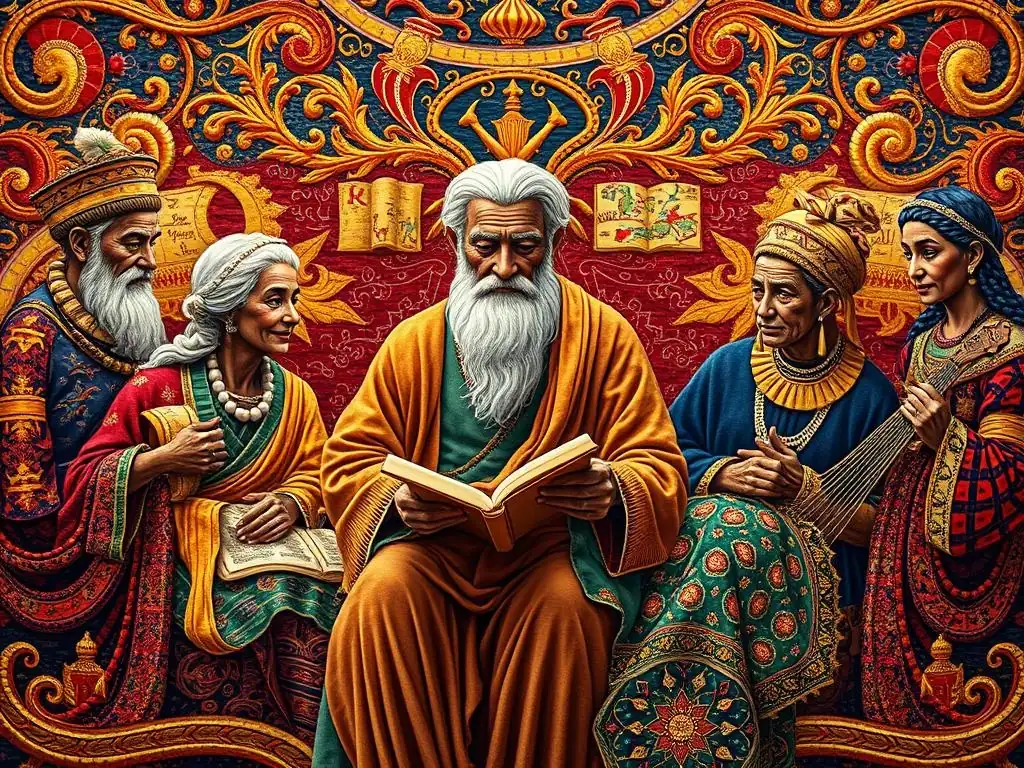
Elders as Living Libraries: The Importance of Intergenerational Transfer
In societies where oral traditions are central, elders function as invaluable living libraries. They are the repositories of vast amounts of knowledge accumulated over decades, often encompassing not only historical narratives and mythological cycles but also practical skills, ecological wisdom, medicinal knowledge, and complex social protocols. Their minds hold the detailed blueprints of cultural life, passed down through generations of listening, observing, and participating.
The depth and breadth of knowledge held by a single elder can be astonishing, representing a lifetime of learning within a specific cultural context. This makes the process of intergenerational transfer — the active sharing of this knowledge with younger generations — critically important.
However, this transfer is increasingly under threat. As elders age, the window for this knowledge transmission narrows. If younger generations are not present, willing, or able to receive this knowledge, it risks disappearing forever upon the elder's passing.
Studies and observations in various traditional communities indicate a significant gap opening between the knowledge held by the oldest generation and that possessed by younger adults and children. Bridging this gap through dedicated efforts to facilitate interaction, mentorship, and active learning is paramount for oral traditions cultural preservation stories. Without successful transfer, the 'libraries' disappear without their contents being shared or archived.
The Unique Perspectives and Wisdom Encoded in Elder Lore
The stories and knowledge shared by elders offer unique perspectives that are often absent from written histories or external observations. They provide an 'insider's view' of historical events, cultural practices, and spiritual beliefs, imbued with personal experience, community memory, and a specific cultural lens.
This wisdom is not merely factual recall; it is often deeply philosophical, ethical, and practical, guiding behavior and decision-making within the community. For instance, an elder's story about a particular landscape feature might contain layers of meaning relating to history, spirituality, resource management, and social teachings, woven together in a way that a scientific report or historical document could not replicate.
The wisdom encoded in elder lore often reflects a deep understanding of interdependence – between humans and the environment, between individuals and the community, and between the present and the past. These narratives frequently emphasize balance, respect, reciprocity, and responsibility – values crucial for sustainable living and social harmony. Documenting and learning from these unique perspectives is essential not only for cultural preservation but also for gaining valuable insights into alternative ways of understanding the world. Recognizing the profound wisdom within oral traditions cultural preservation stories is the first step towards valuing and protecting them.
Documenting Elder Stories: Respectful and Ethical Considerations
Documenting the stories of elders is a critical step in oral traditions cultural preservation stories, but it must be approached with the utmost respect and ethical awareness. Unlike simply recording data, this process involves building relationships, understanding cultural protocols, and recognizing the elder's ownership of their knowledge. Obtaining free, prior, and informed consent is non-negotiable. This means ensuring the elder fully understands the purpose of the documentation, how the stories will be used, who will have access to them, and that they have the right to withdraw or restrict access at any time.
Ethical documentation also involves respecting cultural restrictions on sharing certain stories (some may only be told at specific times, places, or to particular people) and ensuring that the process is comfortable and non-extractive for the elder. This might involve offering compensation for their time, providing copies of recordings, and working closely with the community to determine how the documented materials will be archived and shared.
The goal is not simply to 'take' the stories, but to collaborate with the community to create resources that serve their needs for cultural continuity and revitalization, ensuring that oral traditions cultural preservation stories efforts benefit the storytellers and their descendants.
Oral Traditions Under Threat: A Global Crisis of Cultural Loss
The Impact of Globalization on Local Narratives
Globalization, while connecting the world in unprecedented ways, also poses a significant threat to the diversity of local narratives and oral traditions cultural preservation stories. The widespread reach of global media, entertainment industries, and dominant cultural norms can overshadow or displace traditional forms of storytelling. Children and young people are increasingly exposed to a homogenous stream of globalized content, which can make local folklore seem less relevant or appealing compared to internationally marketed stories. This shift in attention and preference erodes the audience and the incentive for younger generations to learn and perpetuate their community's unique narratives.
Furthermore, the economic and social pressures associated with globalization often lead to migration from traditional territories to urban centers. This disperses communities, weakens traditional social structures, and reduces the opportunities for communal storytelling events that are vital for transmitting folklore. The intricate relationship between stories, specific places, and community gatherings is disrupted, making the informal, organic transmission of oral traditions cultural preservation stories much more difficult. The global flow of information and culture, while offering new tools for preservation, simultaneously creates an environment where local voices can easily be drowned out.
The Digital Divide and Access to Storytelling Resources
While digital technologies offer powerful tools for documenting and sharing oral traditions cultural preservation stories, the 'digital divide' presents a significant barrier for many communities. Remote or marginalized communities often lack reliable access to electricity, internet connectivity, and the necessary equipment (quality recorders, computers) and technical skills required for effective digital documentation and archiving. This means that communities most at risk of losing their oral traditions are often the least equipped to utilize the technologies that could help preserve them.
Conversely, even when digital resources are created, ensuring equitable access within the community is crucial. Not everyone may have smartphones, computers, or the digital literacy needed to access online archives or platforms. Simply digitizing stories is not enough; strategies must consider how to make these resources available and useful to community members, particularly elders and youth, using appropriate and accessible technologies, which might include offline methods or community-controlled access points. Addressing the digital divide is therefore a vital component of effective oral traditions cultural preservation stories in the 21st century.
The Erosion of Traditional Language and its Effect on Folklore
The link between language and oral traditions is profound and inseparable. Traditional stories are not merely translated narratives; they are deeply embedded in the structure, vocabulary, and cultural nuances of the language in which they originated. Specific words, phrases, metaphors, and grammatical structures within a language often carry layers of cultural meaning, historical reference, or ecological knowledge that are impossible to fully capture in translation. When a language begins to erode, the stories told in that language are also immediately endangered. It's often said that when a language dies, an entire way of knowing the world is lost.
The global trend of language endangerment directly mirrors the crisis in oral tradition preservation. As younger generations shift to speaking dominant regional or global languages, the fluency required to understand and tell complex traditional stories diminishes. Elders may be the last fluent speakers, and if their language is not passed on, their stories, intrinsically tied to that linguistic framework, are unlikely to survive in their original form.
Revitalizing traditional languages is therefore a fundamental and essential strategy for oral traditions cultural preservation stories. Efforts to teach and promote the use of Indigenous and traditional languages are critical for ensuring that the vessels of these precious narratives remain vibrant.
Documenting and Preserving Oral Traditions: Practical Strategies
Recording Techniques for Capturing Authentic Narratives
Effective documentation of oral traditions requires careful planning and sensitive execution to capture the authenticity and richness of the narratives. High-quality audio recording is fundamental, using equipment that minimizes background noise and captures clear speech, as the sound of the storyteller's voice, their cadence, and intonation are integral parts of the tradition. Video recording adds another layer, capturing gestures, facial expressions, and the context of the storytelling event, which can be crucial for understanding meaning and performance aspects. Using multiple recording devices can provide backups and different perspectives.
Beyond the technical aspects, creating a comfortable and respectful environment for the storyteller is paramount. This involves choosing an appropriate location, being patient, allowing the elder to tell the story in their own way and time, and following their lead. It's also important to record contextual information: who is telling the story, who is listening, where and when it is being told, and any relevant background about the story's meaning or significance.
Careful note-taking during or immediately after the session can capture details not explicitly in the recording. These techniques are vital for ensuring that oral traditions cultural preservation stories are documented accurately and respectfully.
Archiving and Cataloging Oral Histories for Future Generations
Once oral traditions are documented through recording or transcription, establishing robust archiving and cataloging systems is essential for their long-term preservation and accessibility. Simply having recordings is not enough; they must be organized, described, and stored in a way that ensures they can be found and accessed by future generations, particularly the originating community. This involves creating detailed metadata for each recording – information about the storyteller, the language, the date and location of the recording, the story's subject matter, and any cultural restrictions on its use.
Archiving requires secure storage solutions, both digital and potentially physical copies of original recordings (like tapes or discs, if applicable). Digital files need to be stored in stable, long-term formats with multiple backups in different locations to prevent loss due to technological obsolescence or disaster. Cataloging systems should be intuitive and ideally use terms and categories that are meaningful to the originating community. Reputable archives, whether university-based, museum-based, or ideally community-controlled, play a crucial role in providing the infrastructure and expertise for long-term oral traditions cultural preservation stories archiving.
Creating Accessible Digital Platforms for Sharing Folklore
Developing accessible digital platforms is a key strategy for sharing documented oral traditions and revitalizing their use within communities and beyond. Websites, online databases, or dedicated apps can house recordings, transcriptions, translations, and related materials, making them searchable and available. However, 'accessible' is the critical term. Platforms must be designed with the end-users in mind, considering varying levels of digital literacy, internet access (potentially offering offline access options), and language preferences. Community involvement in the design phase is crucial to ensure the platform meets their needs and cultural protocols.
These platforms can serve multiple purposes: providing community members, especially youth, with easy access to their heritage stories; supporting language learning by linking stories to vocabulary and grammar resources; and, where appropriate and permitted, sharing stories with a wider audience to promote cultural understanding. Examples include online dictionaries linked to audio recordings of words used in stories, interactive maps showing where stories take place, or databases searchable by elder, topic, or story type. Effective digital platforms are powerful tools for oral traditions cultural preservation stories, transforming static archives into dynamic resources for cultural continuity and education.
Community-Based Initiatives for Cultural Preservation
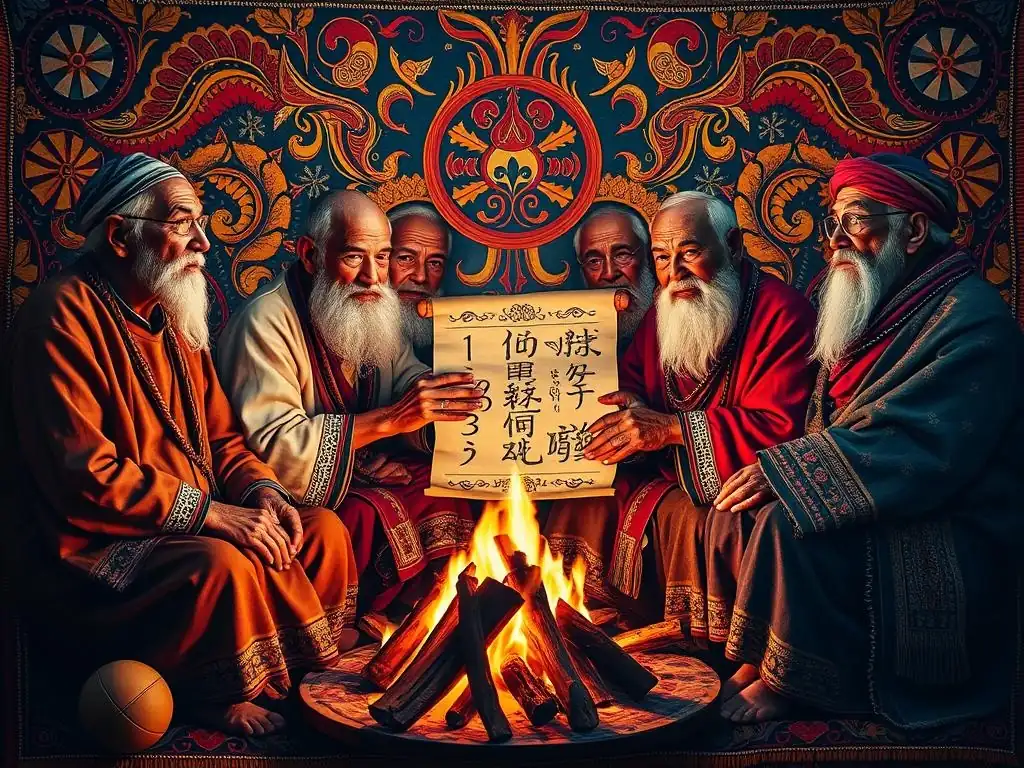
Supporting Local Storytelling Events and Festivals
Local storytelling events and festivals are vibrant expressions of cultural heritage and crucial mechanisms for oral traditions cultural preservation stories. These gatherings provide essential spaces for elders to share narratives in their traditional contexts, often accompanied by music, dance, or other cultural practices. They offer opportunities for younger generations to hear stories directly from the source, fostering interest and facilitating informal learning. Festivals can attract community members of all ages, reinforcing the collective value of these traditions and strengthening social bonds.
Supporting these events, whether through attendance, volunteering, or financial contributions, directly contributes to the health of oral traditions. They create a demand for storytellers, provide performance opportunities, and raise the visibility and prestige of traditional narratives within the community. Many communities organize annual or seasonal events tied to specific cultural calendars, ensuring that storytelling remains a living, evolving practice rather than something confined to archives. Promoting and participating in local storytelling events is a tangible way to support oral traditions cultural preservation stories at the grassroots level.
Empowering Youth to Become Oral Tradition Keepers
Empowering youth is perhaps the most critical component of ensuring the long-term survival of oral traditions. If younger generations do not learn the stories, languages, and the art of storytelling, the traditions will inevitably fade. Initiatives focused on youth engagement are vital. These can include mentorship programs pairing elders with young people, school curricula that incorporate local history and folklore, workshops on traditional language and storytelling techniques, and projects that teach youth how to use technology to document elders' stories ethically.
Providing youth with the skills and resources to become active participants in oral traditions cultural preservation stories transforms them from passive recipients into active keepers and innovators. Encouraging them to use digital tools, create multimedia projects based on traditional stories, or develop new ways of sharing narratives (like podcasts or short films, adhering to cultural protocols) can make preservation efforts relevant and exciting for a younger audience. Empowered youth are not just preserving the past; they are carrying cultural heritage into the future, ensuring its continued evolution and relevance.
Funding and Resources for Folklore Preservation Projects
Sustainable funding and access to appropriate resources are essential for the success of oral traditions cultural preservation stories projects. Documenting, archiving, language revitalization, and community programs all require financial investment for equipment, staffing (even if volunteer, operational costs exist), training, and infrastructure. Sources of funding can include grants from government cultural agencies, private foundations focused on heritage or Indigenous issues, university research grants, philanthropic organizations, and community fundraising efforts.
Beyond financial support, resources include access to technical expertise (audio/video recording, archiving standards, digital platform development), legal advice (regarding intellectual property and cultural protocols), and educational materials. Building partnerships between communities, academic institutions, museums, and non-governmental organizations can help pool resources and expertise. However, it is crucial that funding and resources are directed in ways that support community-defined goals and maintain community control over their cultural heritage and oral traditions cultural preservation stories.
The Power of Storytelling: Revitalizing Cultural Identity
Using Stories to Promote Cultural Understanding and Reconciliation
Stories have an extraordinary capacity to build bridges between different cultures and foster understanding. Sharing oral traditions cultural preservation stories with external audiences, when done respectfully and with community permission, can challenge stereotypes, provide crucial context for historical events from marginalized perspectives, and highlight shared human experiences. Narratives that recount experiences of historical injustice, resilience, and survival can be powerful tools in processes of truth and reconciliation, allowing victims' voices to be heard and fostering empathy among listeners.
By sharing their stories, communities can assert their identity, educate others about their history and values, and correct misconceptions. This process of cross-cultural exchange, mediated through authentic narratives, can break down barriers and build relationships based on mutual respect. For instance, hearing creation stories, historical accounts of land use, or personal testimonies directly from community members offers a depth of understanding that academic texts alone cannot provide. Leveraging the power of oral traditions cultural preservation stories is key to fostering a more inclusive and understanding global society.
The Role of Oral Traditions in Education and Community Building
Integrating oral traditions into educational settings, both within and outside traditional communities, can significantly enhance learning and foster community building. For students from the originating culture, learning their own stories in school validates their heritage, makes education more relevant, and strengthens their cultural identity and pride. Stories can be used to teach language, history, geography, science (e.g., traditional ecological knowledge embedded in narratives), and moral lessons in a culturally appropriate and engaging way.
Within the wider community, shared stories create a sense of collective identity and belonging. Storytelling gatherings, whether formal or informal, bring people together, reinforce social norms, and transmit shared values. For newcomers or those disconnected from their heritage, participating in storytelling can be a pathway to connection and reintegration. The act of listening and sharing builds empathy and strengthens the social fabric. Thus, oral traditions cultural preservation stories are not just historical artifacts; they are dynamic tools for education, social cohesion, and community revitalization in the present day.
The Waiwai Indigenous Community's Language and Cultural Preservation Project in Guyana
A compelling example of community-led oral traditions cultural preservation stories is the work being done by the Waiwai Indigenous community in Guyana. Facing pressures from external influences and language shift, the Waiwai have actively engaged in comprehensive language and cultural documentation efforts. Working with linguists and cultural heritage experts, but crucially maintaining community control, they have undertaken projects to record elders speaking the Waiwai language and telling traditional stories. This includes creating audio and video archives of narratives, songs, and conversations.
Their initiative extends beyond mere recording; they are also developing educational materials in the Waiwai language for use in their community schools, including storybooks based on the collected narratives. They have worked on creating a dictionary and grammar resources, all aimed at ensuring the vitality of their language and the rich oral traditions it carries. This project demonstrates a holistic approach to oral traditions cultural preservation stories, linking language revitalization directly with the documentation and transmission of narratives, and empowering the community to lead the effort for their own cultural continuity.
Supporting Organizations Dedicated to Oral Traditions Cultural Preservation
Responding to the urgent need for oral traditions cultural preservation stories requires collective action. One impactful way individuals can contribute is by supporting organizations dedicated to this work. These include Indigenous cultural centers and heritage groups, non-profit organizations focused on language and folklore preservation, university archives with specific oral history programs, and international bodies working on intangible cultural heritage. These organizations often provide crucial infrastructure, expertise, and resources that communities may not have access to on their own.
Support can take many forms, including financial donations, volunteering expertise (if applicable, e.g., in archiving, recording, or digital development), or simply amplifying their work through social networks (again, respecting any requests for privacy or limited sharing). Researching and identifying reputable organizations that work in partnership with communities and adhere to ethical guidelines for cultural heritage documentation is key. By supporting these dedicated groups, individuals contribute directly to projects on the ground that are actively working to safeguard invaluable oral traditions cultural preservation stories for future generations.
Raising Awareness About the Importance of Folklore
A significant challenge in preserving oral traditions is the lack of widespread awareness about their importance and the threats they face. Many people outside of traditional communities may view folklore as simple entertainment or historical curiosities, not recognizing their deep cultural, historical, linguistic, and ecological significance. Raising awareness is therefore a crucial step in garnering the support and recognition needed for preservation efforts. This can be done through education, media coverage, public events, and sharing information (while respecting cultural restrictions on sensitive content).
Advocating for the inclusion of diverse oral traditions in educational curricula, supporting museums and cultural institutions that feature folklore, and engaging in conversations about the value of intangible cultural heritage are all ways to raise awareness. Highlighting the wisdom, beauty, and relevance of oral traditions cultural preservation stories helps to create a global environment that values cultural diversity and recognizes the urgent need to protect these irreplaceable forms of human expression before they disappear forever.
Ensuring the Transmission of Cultural Knowledge to Future Generations
Ultimately, the most effective form of oral traditions cultural preservation stories is the continued transmission of cultural knowledge from one generation to the next within the community itself. While documentation and archiving are vital backups and resources, the living tradition resides in the act of telling, listening, and embodying the stories. Therefore, prioritizing and supporting initiatives that facilitate intergenerational learning is paramount.
This involves creating opportunities for elders and youth to spend meaningful time together, supporting language immersion programs, incorporating traditional pedagogy into education, and fostering environments where young people feel proud and motivated to learn and carry forward their heritage. It requires recognizing that cultural preservation is an ongoing, dynamic process, not a finished project. The urgent call to action is for everyone – communities, researchers, funders, and the public – to understand the value of the stories only the elders know and to actively contribute to ensuring their vibrant continuation for the benefit of all humanity.
Frequently Asked Questions
How are oral traditions vital for cultural preservation?
Oral traditions are vital because they carry a culture's history, values, and beliefs across generations through spoken word, song, and performance, ensuring continuity where written records may be absent or incomplete.
What role do elders play in maintaining and transmitting oral traditions?
Elders act as custodians of cultural knowledge, possessing unique understanding and wisdom, and are traditionally responsible for passing down stories and practices to younger generations.
Why is there an urgent need to protect and preserve oral stories today?
Many oral traditions are at risk of being lost due to globalization, modernization, and the passing of elder storytellers without transmitting their knowledge to receptive audiences.
What are some effective strategies for cultural preservation of oral traditions?
Effective strategies include recording stories, creating accessible archives, supporting community-based initiatives focused on storytelling, and integrating oral traditions into educational curricula.
How do oral traditions shape and influence contemporary society?
Oral traditions provide cultural identity, inform artistic expression, offer moral guidance, and can inspire solutions to contemporary challenges by drawing upon ancestral wisdom and historical experiences.
Final Reflection: The Echoing Voices of Our Past
The erosion of oral traditions is not merely a loss of stories; it's a severing of our collective memory, a silencing of voices that hold the keys to understanding our present and shaping our future. These ancient narratives, passed down through generations, are the bedrock of our cultural identity, offering invaluable insights into our history, values, and the very fabric of our being. Ignoring their fading echoes is to risk losing a vital part of ourselves.
The impact of this loss extends far beyond the realm of academia; it touches the heart of every community. These stories are not simply historical artifacts; they are living, breathing connections to our ancestors, shaping our understanding of kinship, responsibility, and the world around us. They teach us resilience, empathy, and the enduring power of the human spirit. The past is never dead. It's not even past.
– William Faulkner. This quote perfectly encapsulates the ongoing relevance of these oral traditions, their continued influence on our present-day lives, and the urgent need for their preservation.
Consider the stories you've heard from your elders – the myths, legends, and family histories that have shaped your worldview. Now, imagine a future where these narratives are lost, where the wisdom and experiences of generations are silenced forever. I urge you to actively participate in the preservation of oral traditions.
Seek out the elders in your community, record their stories, share them with others, and ensure that these invaluable legacies continue to resonate for generations to come. Let us be the keepers of these precious narratives, ensuring that the voices of our past continue to echo into the future.
Thanks for taking the time to explore the rich tapestry of stories passed down through generations! You've now unlocked a deeper appreciation for the power of oral tradition and its impact on our lives. Ready to delve even further?
- Begin recording your own family's stories today. This is your chance to preserve precious memories and traditions for future generations. Start small; even a short audio recording can make a difference.
- Share this article with someone who cherishes their family history. Let's spark a collective effort to preserve these invaluable narratives.
- Consider exploring local archives or historical societies. You might uncover fascinating connections to your own family's past!
What unique story from your family's history are you most excited to share or preserve?