
Mythic Kings and Legendary Leaders: Royal Power and National Identity

Welcome to Mythology and Legends, your gateway to the captivating world of ancient tales!
Ever wondered how myths shaped the very foundations of kingdoms? Delve into the fascinating connection between power and belief as we explore royal leadership mythology worldwide, specifically focusing on its profound influence in Norse and Celtic traditions. Discover how these legendary narratives forged national identities and continue to resonate today, sparking questions about the true nature of authority and the stories we tell ourselves. Prepare to unravel the secrets behind the throne…
- Comparing Norse and Celtic Concepts of Royal Power
-
Frequently Asked Questions
- What role does mythology play in shaping perceptions of royal leadership across different cultures?
- How do myths and legends contribute to the construction of national identity through stories of kings and leaders?
- In what ways do myths about royal leadership reflect the values and beliefs of a particular society?
- How has the portrayal of royal leadership in mythology evolved over time, and what factors have influenced these changes?
- Can studying mythology and legends surrounding royal figures provide insights into contemporary political landscapes and leadership styles?
- Final Reflection: The Enduring Power of Royal Myth
- Unlock Your Inner Leader: Embrace the Legacy
Comparing Norse and Celtic Concepts of Royal Power
Similarities in the Divine Connection to Rulership
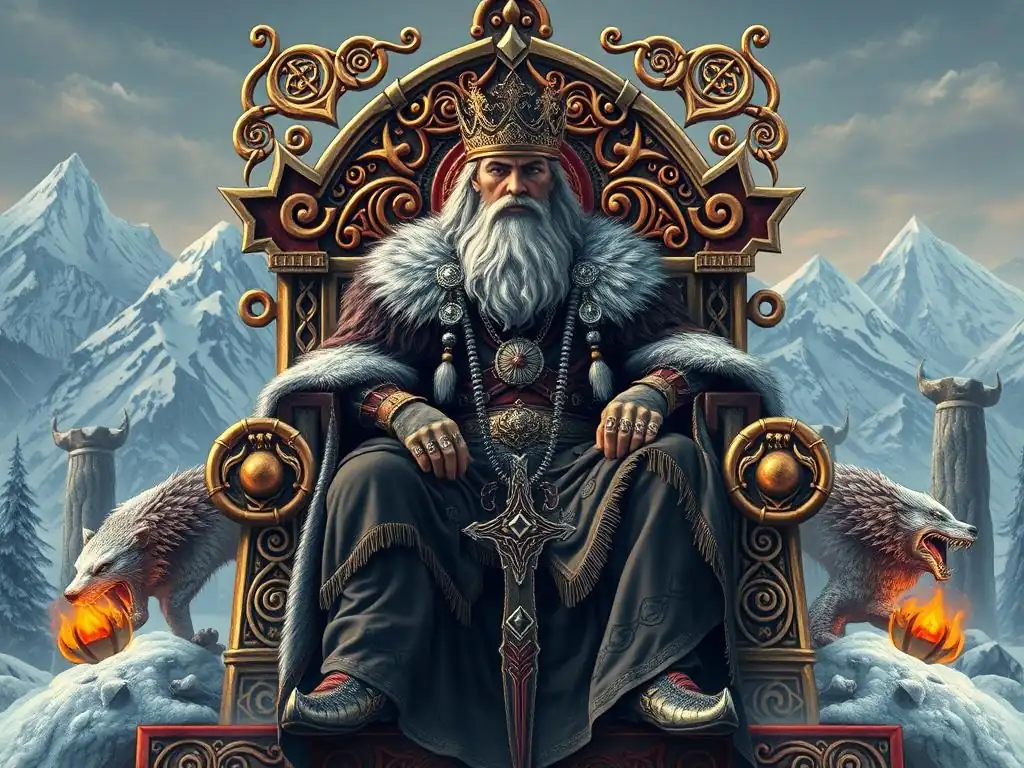
Both Norse and Celtic mythologies share a fundamental concept: the connection between royal power and the divine realm. In both traditions, the legitimacy of a ruler was often derived from a link to the gods or powerful supernatural forces. Norse kings frequently traced their lineage back to Odin, the Allfather, reinforcing their right to rule through divine ancestry.
This genealogical claim wasn't merely symbolic; it was believed to imbue the king with inherent authority and strength, mirroring Odin's own role as a ruler and sorcerer. Similarly, Celtic kingship was deeply intertwined with the concept of sacred sovereignty, often personified by goddesses who 'married' the king in a mystical union, granting him legitimacy and prosperity for the land. This aspect of Royal leadership mythology worldwide highlights a common human need to ground earthly power in cosmic or divine order.
The divine connection manifested in various ways, from direct lineage claims to ritualistic validation. In Norse sagas, kings like the Ynglings claimed descent from Freyr, a god of prosperity, suggesting that a king's divine link brought not just authority but also good harvests and peace. Celtic myths, on the other hand, emphasized the fertile aspect of sovereignty, where the land's well-being was directly tied to the king's sacred marriage to the goddess.
Tales of kings losing their ability to rule effectively due to a moral failing or physical blemish (like Nuada of the Silver Hand) underscore this sacred bond; the king's personal state reflected the state of the kingdom, a core tenet in Celtic Royal leadership mythology. This shared belief in a divine source of authority provided a powerful framework for understanding and accepting royal power in both cultures.
Contrasting Approaches to Royal Succession and Governance
While sharing a divine foundation, Norse and Celtic mythologies presented distinct approaches to royal succession and the nature of governance. Norse succession, as depicted in sagas and historical accounts, often involved a mix of inheritance, election by chieftains (the Thing), and sometimes outright conquest. The strongest or most politically astute candidate from the royal lineage often prevailed, sometimes leading to violent power struggles among brothers or cousins.
The focus was often on the individual king's prowess, military success, and ability to maintain order and dispense justice, reflecting the often-turbulent Viking Age environment. This practical, sometimes brutal, aspect of power acquisition contrasts with more ritualized systems.
Celtic succession, particularly in Ireland, was often governed by complex rules of tanistry, where an heir (the tánaiste) was designated during the king's lifetime, typically the most capable male relative within a specific kin group ( derbfine). While intended to prevent conflict, this system could also lead to rivalry. Furthermore, the legitimacy of a Celtic king was heavily dependent on ritual inauguration, often involving druids and specific sacred sites, emphasizing the communal and sacred aspects of kingship over purely individual might.
The king's primary role was often viewed as a guarantor of fír flatha (ruler's truth or justice), ensuring prosperity and harmony, a role closely linked to his sacred bond with the land and the sovereignty goddess. These differing mechanisms for choosing and validating rulers offer a fascinating look at the diverse forms Royal leadership mythology worldwide can take.
Frequently Asked Questions
What role does mythology play in shaping perceptions of royal leadership across different cultures?
Myths often provide a divine justification for royal power, establishing a lineage or connection to the gods. These narratives solidify a leader's authority and influence national identity by creating shared stories and values.
How do myths and legends contribute to the construction of national identity through stories of kings and leaders?
Stories of heroic kings and legendary leaders serve as national foundation myths, providing a sense of shared history and purpose. These figures often embody idealized virtues and inspire patriotism.
In what ways do myths about royal leadership reflect the values and beliefs of a particular society?
Myths about kings and leaders often reflect a society's core beliefs, such as justice, courage, or wisdom. A leader's actions in the myth can serve as a moral compass for the nation.
How has the portrayal of royal leadership in mythology evolved over time, and what factors have influenced these changes?
The portrayal of royal leadership has evolved alongside societal changes, reflecting shifts in political structures and values. For example, some myths may emphasize divine right, while others highlight the importance of popular consent.
Can studying mythology and legends surrounding royal figures provide insights into contemporary political landscapes and leadership styles?
Yes, understanding the historical roots of leadership narratives can illuminate contemporary political dynamics. The enduring power of mythic archetypes can still influence how leaders are perceived and how they govern today, impacting national identity.
Final Reflection: The Enduring Power of Royal Myth
The narratives surrounding royal figures aren't mere historical accounts; they are living, breathing myths that continue to shape national identities and political landscapes worldwide. These stories, passed down through generations, offer powerful frameworks for understanding power, legitimacy, and the very essence of a nation. Their influence resonates far beyond dusty textbooks, impacting contemporary political discourse and shaping our perceptions of leadership even today.
The enduring power of these royal myths lies in their ability to transcend time and context, offering a sense of continuity and shared heritage. They provide a foundation for collective identity, fostering a sense of belonging and national pride. As the historian Yuval Noah Harari eloquently stated, Humans are the only species that can cooperate in large numbers, and the only way they can do this is by believing in common myths.
These royal myths, whether based on fact or embellished legend, serve as precisely these unifying narratives, shaping societal values and expectations of leadership for centuries.
Consider the impact these stories have had on your own understanding of leadership. What qualities, strengths, and even flaws, do you associate with the legendary kings and queens you've encountered in history and literature? Take a moment to reflect on how these narratives, consciously or unconsciously, influence your own expectations of leaders and your understanding of national identity. By critically examining these myths, we can gain a deeper understanding of ourselves, our societies, and the enduring power of storytelling in shaping our world.
Unlock Your Inner Leader: Embrace the Legacy
Thanks for exploring the fascinating world of mythic kings and national identity! You've gained valuable insights into how legendary figures shape cultures and inspire generations. Now, it's time to put that knowledge to work.
- Craft your own leadership narrative: Think about the qualities of the leaders discussed and identify which resonate most with you. How can you incorporate those traits into your own approach to leadership, however big or small your sphere of influence?
- Share your favorite royal legend: Which king or queen inspired you the most? Discuss their legacy and what made them so impactful in the comments below. Let's build a community of history buffs!
- Discover more inspiring stories: Explore our website for more articles on legendary figures from across cultures and eras. You might be surprised at the connections you uncover!
What legendary leader, real or fictional, inspires you the most, and why? Let's start a discussion!