
Witches, Queens, and Rebels: The Many Forms of Female Heroism

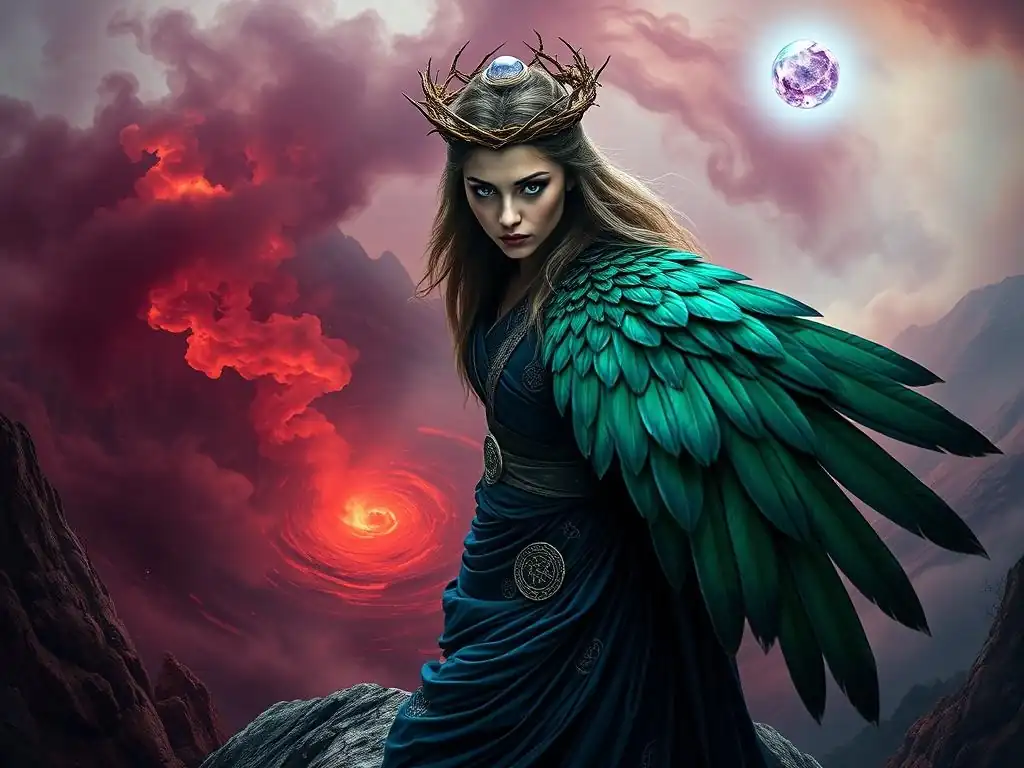
Welcome to Mythology and Legends, where the whispers of ancient tales echo through the ages. Delve into the captivating world of folklore, where gods and monsters walk among mortals. Prepare to be enchanted as we unravel the fascinating symbolism behind legendary figures, particularly the often-misunderstood female folklore hero symbolism.
But what truths lie hidden beneath the surface of these stories, and what can they teach us about strength, rebellion, and the enduring power of the feminine spirit? Join us as we begin to explore the many forms of heroism, from witches to queens and rebels, and discover the potent narratives they weave.
- Trailblazers, Guardians, and Voices: Diverse Expressions of Female Heroism
- Introduction: Beyond the Damsel: Re-evaluating Female Archetypes in History and Culture
- Trailblazers: Pioneers, Innovators, and Agents of Change
- Guardians: Protectors, Caretakers, and Pillars of Strength
- Voices: Activists, Storytellers, and Champions of Justice
- Female Heroism: Recurring Themes and Enduring Values
- Gender Dynamics in Heroism: Challenging Norms and Expectations
- The Enduring Relevance of Female Heroes in Contemporary Society
- Conclusion: Celebrating the Complexity and Power of Female Heroism
-
Frequently Asked Questions
- What are some common archetypes of female heroes found in folklore?
- How does the portrayal of female heroes differ across cultures in folklore?
- What is the significance of "Female folklore hero symbolism" in understanding societal values?
- How can the stories of female folklore heroes impact contemporary society?
- What are some examples of female folklore heroes who defy traditional gender roles?
- Final Reflection: Embracing the Legacy of Female Power
- Unleash Your Inner Heroine: Embrace Your Strength!
Trailblazers, Guardians, and Voices: Diverse Expressions of Female Heroism
Introduction: Beyond the Damsel: Re-evaluating Female Archetypes in History and Culture
For centuries, traditional narratives have often cast women in limited roles, frequently portraying them as passive recipients of rescue or supporting characters in the adventures of male heroes. This narrow framing overlooks the rich tapestry of female agency, courage, and leadership that exists across history and within the world's diverse folklore. Examining female heroism requires moving beyond simplistic archetypes like the damsel in distress to recognize the multifaceted ways women have demonstrated strength, resilience, and transformative power.
The exploration of female heroism necessitates a critical look at how gender has shaped historical accounts and cultural myths. Understanding the various forms of female folklore hero symbolism is key to appreciating the depth and complexity of these figures. From wise old women in cautionary tales to warrior queens leading armies, folklore provides a fertile ground for examining symbolic representations of female power, wisdom, and resistance, often challenging the very societal norms they emerged from.
Exploring Multifaceted Representations of Female Heroism
Female heroism manifests in countless forms, extending far beyond physical combat or overt political power. It encompasses intellectual prowess, moral fortitude, nurturing strength, and the quiet persistence required to navigate oppressive systems. These diverse expressions are mirrored in global folklore, where figures embody a spectrum of heroic qualities, often imbued with specific female folklore hero symbolism tied to nature, domesticity, magic, or community bonds.
Consider the symbolism inherent in figures like the Irish Morrigan, a goddess associated with war and fate, or Mulan, the Chinese legend who disguised herself to fight for her family. While one is divine and the other mortal (though legendary), both represent a departure from conventional female roles, embodying courage and strategic thinking. Their stories, and countless others, offer powerful examples of female resilience and the complex female folklore hero symbolism embedded in cultural narratives worldwide.
The Evolving Portrayal of Women in Historical Narratives
Historical narratives have often been shaped by prevailing patriarchal perspectives, leading to the marginalization or distortion of women's contributions and heroic acts. Many women who played pivotal roles in shaping societies, leading movements, or making groundbreaking discoveries were either ignored by chroniclers or their achievements were attributed to men. This historical bias has obscured the long tradition of female leadership and bravery.
However, contemporary historical scholarship is actively working to uncover and highlight these previously overlooked stories. By re-examining primary sources and applying a more critical lens, historians are bringing to light the significant impact women have had throughout history. This process not only rectifies past omissions but also enriches our understanding of human history by acknowledging the full spectrum of human agency, including the many forms of female heroism that defied the limitations of their times.
Trailblazers: Pioneers, Innovators, and Agents of Change
Defying Conventions: Women Breaking Barriers in Science and Arts
Throughout history, women have faced immense barriers to entering fields traditionally dominated by men, particularly in science and the arts. Despite systemic exclusion and discrimination, countless women demonstrated extraordinary talent, perseverance, and innovation, becoming true trailblazers. Their contributions not only advanced their respective fields but also paved the way for future generations of women.
These pioneers often had to work in isolation, without recognition or support, sometimes even having their work claimed by others. Yet, figures like Ada Lovelace, considered the first computer programmer for her work in the mid-19th century, or Artemisia Gentileschi, a prominent Baroque painter who achieved international fame in the 17th century despite personal trauma and societal constraints, exemplify female heroism through intellectual courage and artistic brilliance against overwhelming odds.
Women have been at the forefront of movements for social justice and political change for centuries, advocating for fundamental rights, equality, and systemic reform. Their leadership has been crucial in challenging oppressive structures, from the abolition of slavery and the fight for suffrage to the civil rights movement and ongoing efforts for gender equality. These women acted as catalysts for progress, often at great personal risk.
Consider the women who organized and participated in the Seneca Falls Convention in 1848, marking a pivotal moment in the American women's rights movement, or the suffragettes in the UK who employed civil disobedience to secure voting rights in the early 20th century. Their collective actions, strategic organizing, and unwavering commitment to justice demonstrate a powerful form of female heroism rooted in the pursuit of a more equitable society for all.
Marie Curie: A Pioneer in Science and a Symbol of Perseverance
Marie Curie stands as a monumental figure in the history of science, her work fundamentally changing our understanding of radioactivity. Born Maria Skłodowska in Poland in 1867, she pursued her education in Paris, facing significant financial hardship. Alongside her husband Pierre, she conducted groundbreaking research, leading to the discovery of polonium and radium.
Curie's dedication and brilliance were recognized with two Nobel Prizes: the Nobel Prize in Physics in 1903 (shared with Pierre Curie and Henri Becquerel) and the Nobel Prize in Chemistry in 1911, making her the first person and only woman to win Nobel Prizes in two different scientific fields. Her relentless pursuit of knowledge, her pioneering research despite primitive lab conditions, and her refusal to patent her discovery of radium (wishing it to benefit humanity freely) exemplify not just scientific genius but also profound female heroism characterized by intellectual courage and selfless dedication.
Guardians: Protectors, Caretakers, and Pillars of Strength
Safeguarding Communities: Women as Leaders in Times of Crisis
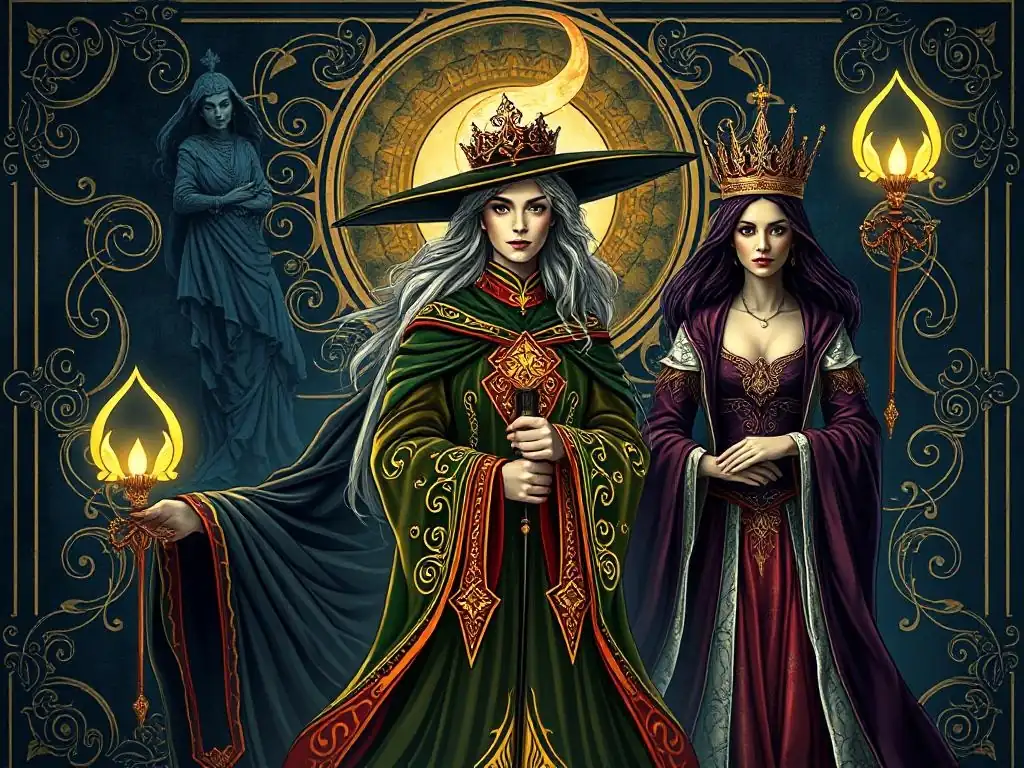
When communities face existential threats, whether from natural disasters, conflict, or famine, women often step into leadership roles, organizing relief efforts, protecting the vulnerable, and maintaining social cohesion. This form of female heroism is often less visible in traditional historical accounts but is vital for survival and recovery. Their strength lies in their ability to mobilize resources, provide emotional support, and make difficult decisions under pressure.
Across countless cultures and historical periods, women have been the anchors of their communities during crises. During World War II, for instance, women on home fronts around the globe took on essential roles in industries, agriculture, and civil defense, keeping societies functioning while men were away fighting. Their resilience and organizational skills were critical to sustaining populations and supporting the war effort, demonstrating guardianship on a massive scale.
Preserving Traditions: Women as Keepers of Cultural Heritage
Women frequently serve as the primary custodians of cultural heritage, passing down knowledge, stories, languages, and traditions from one generation to the next. This role, while sometimes seen as domestic, is profoundly heroic in its contribution to cultural survival and identity, particularly for marginalized groups whose histories might otherwise be lost. Through storytelling, teaching, and practicing cultural rituals, women ensure the continuity of collective memory.
In many indigenous cultures, elder women hold significant authority as keepers of ancestral knowledge, medicinal practices, and spiritual traditions. For example, the Kuikuro women of the Amazon rainforest are central to preserving their language, rituals, and agricultural knowledge, vital for their community's survival and cultural identity amidst external pressures. Their dedication to transmitting this heritage represents a quiet but powerful form of female heroism essential for cultural resilience.
Harriet Tubman: The Moses of Her People, a Conductor on the Underground Railroad
Harriet Tubman, born into slavery around 1822 in Maryland, became one of the most courageous figures in American history. After escaping to freedom in 1849, she risked her life repeatedly to lead enslaved people to freedom through the Underground Railroad, a clandestine network of safe houses and routes. She made approximately 13 missions into slave territory, personally guiding around 70 individuals to liberty, including her own family members.
Tubman's actions were not only incredibly brave but also strategically brilliant. She used disguises, coded language, and relied on her knowledge of the terrain and the network of abolitionists. Her success rate was remarkable – she famously stated, "I never lost a passenger." Beyond the Underground Railroad, she served as a scout, spy, and nurse for the Union Army during the Civil War and later became an advocate for women's suffrage. Her unwavering commitment to freeing others and her tireless efforts for justice embody a powerful form of female heroism rooted in deep compassion and extraordinary courage.
Voices: Activists, Storytellers, and Champions of Justice
Speaking Truth to Power: Women Challenging Oppression and Inequality
Across the globe, women have consistently raised their voices to challenge oppressive regimes, unjust laws, and societal inequalities. From protesting discriminatory practices to demanding political rights, women have been fearless in speaking truth to power, often facing severe repression, imprisonment, or violence for their activism. Their willingness to speak out against injustice is a fundamental form of female heroism.
Figures like Rosa Parks, whose refusal to give up her seat on a bus in Montgomery, Alabama in 1955 sparked the Montgomery Bus Boycott, or the Mothers of the Plaza de Mayo in Argentina, who marched weekly starting in 1977 to demand information about their "disappeared" children under the military dictatorship, exemplify this courage. These women, and countless others, used their voices, often collectively, to ignite movements and demand accountability from those in power.
Beyond speaking for themselves, many female heroes have dedicated their lives to amplifying the voices of marginalized communities and advocating for broader social change. They have worked to dismantle systemic barriers based on race, class, disability, sexual orientation, and other factors, recognizing that true justice requires lifting up those who have been silenced or ignored. This advocacy often involves building coalitions, organizing communities, and challenging deeply entrenched prejudices.
Think of activists like Fannie Lou Hamer, a leader in the Civil Rights Movement who co-founded the Mississippi Freedom Democratic Party and worked tirelessly to register Black voters in the face of violent opposition. Or consider Dolores Huerta, co-founder of the United Farm Workers, who has spent decades organizing farmworkers and advocating for their rights. Their work demonstrates a commitment to collective liberation, highlighting a powerful form of female heroism focused on solidarity and empowerment.
Malala Yousafzai: A Voice for Education and Female Empowerment
Malala Yousafzai, born in Pakistan in 1997, rose to international prominence for her activism for female education. Growing up in the Swat Valley, where the Taliban had banned girls from attending school, Malala began blogging about life under Taliban rule and advocating for her right, and the right of all girls, to receive an education. Her bravery in speaking out against the Taliban's oppressive policies made her a target.
In October 2012, she was shot in the head by a Taliban gunman on her way home from school but miraculously survived. This assassination attempt did not silence her; instead, it amplified her voice globally. Malala continued her advocacy on an international stage, co-founding the Malala Fund to work for every girl's right to 12 years of free, safe, quality education. At age 17, she became the youngest recipient of the Nobel Peace Prize in 2014, a testament to her unwavering courage and her powerful voice for female empowerment and education.
Female Heroism: Recurring Themes and Enduring Values
The Significance of Courage, Compassion, and Intellectual Acumen
Analyzing the stories of female heroes across history and folklore reveals recurring themes and values that define their heroism. Courage is paramount, not just physical bravery in the face of danger, but also the moral courage required to defy norms, speak out against injustice, or pursue unpopular truths. This is often intertwined with compassion, a deep empathy for others that drives their actions and motivates them to protect the vulnerable or fight for a better world.
Intellectual acumen is another frequently overlooked trait. Female heroes often employ strategic thinking, wisdom, and ingenuity to overcome obstacles. Think of the cleverness of Scheherazade in One Thousand and One Nights, who saves her life and eventually transforms a tyrannical king through her storytelling, or the strategic planning of military leaders like Joan of Arc. These qualities, combined with courage and compassion, form a powerful foundation for female heroism, influencing female folklore hero symbolism that represents wisdom, cunning, and empathy.
Female Strength Beyond Physicality: Resilience and Strategic Thinking
While physical strength can be a component of heroism, particularly in warrior archetypes found in some female folklore hero symbolism, female heroism frequently emphasizes strength in forms beyond the physical. Resilience – the ability to endure hardship, bounce back from setbacks, and persist despite adversity – is a hallmark of many female heroes. This inner strength allows them to navigate personal trials and continue their work despite opposition.
Strategic thinking and adaptability are also crucial. Female heroes often find creative ways to achieve their goals, utilizing negotiation, diplomacy, community organizing, or intellectual persuasion when direct confrontation is impossible or undesirable. Their strength lies not just in confronting challenges head-on but in intelligently navigating complex situations, demonstrating a pragmatic and often collaborative approach to problem-solving. This strategic depth is a key aspect of female heroism that deserves greater recognition.
The Importance of Collaboration and Collective Action in Heroic Journeys
Individual bravery is often celebrated in heroic narratives, but female heroism frequently highlights the power of collaboration and collective action. Many of the most impactful female heroes achieved their goals by building networks, organizing communities, and working alongside others. Their strength is amplified through solidarity, mutual support, and shared purpose.
Consider the women who worked together to run the Underground Railroad, the suffragists who organized mass protests and lobbying efforts, or the community leaders who mobilize support during crises. These examples demonstrate that female heroism is often a collaborative endeavor, recognizing that systemic change and protection of communities are best achieved through collective effort. This emphasis on collaboration contrasts with more solitary heroic archetypes and is a significant element of female folklore hero symbolism related to community and matriarchal strength.
Gender Dynamics in Heroism: Challenging Norms and Expectations
Redefining Heroism: A Feminist Perspective on Courage and Sacrifice
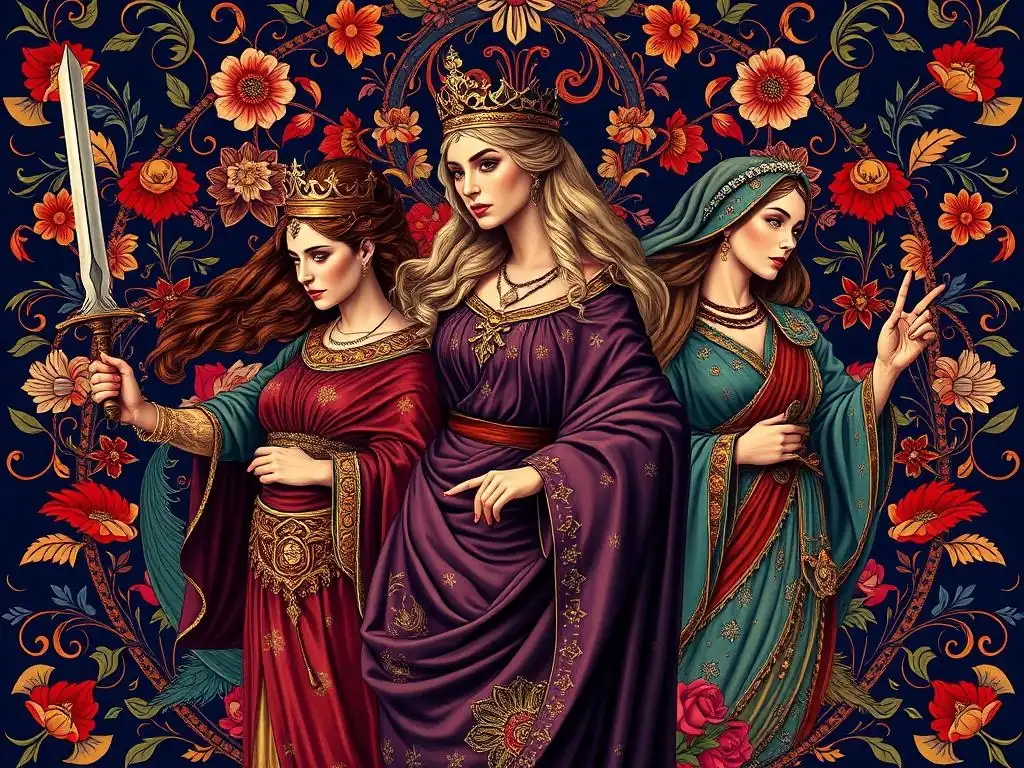
A feminist perspective challenges traditional definitions of heroism that often prioritize male-coded traits like physical strength, aggression, and individual conquest. It argues for a broader understanding that includes nurturing, empathy, collaboration, intellectual work, and the courage required to resist oppression and advocate for equality. This redefinition acknowledges the heroic nature of acts that sustain life, build communities, and challenge unjust power structures, often performed by women.
This reevaluation also critically examines the concept of sacrifice, questioning whose sacrifices are valued and recognized. Women's sacrifices, often related to caregiving or maintaining household stability, have historically been less celebrated than sacrifices made in battle or public life. A feminist lens insists on recognizing the heroism inherent in all acts of courage and sacrifice that contribute to human well-being and progress, regardless of gender or domain.
How Gender Shapes the Perception and Recognition of Heroic Figures
Gender significantly influences how heroic figures are perceived, remembered, and celebrated. Historically, qualities associated with masculinity (strength, dominance, assertiveness) have been more readily recognized as heroic, while those associated with femininity (compassion, nurturing, collaboration) have been downplayed or seen as merely domestic duties. This bias affects which stories are told, which figures are commemorated, and how their actions are interpreted.
Furthermore, women who do exhibit traditionally masculine heroic traits, such as military leadership or political assertiveness, have often faced criticism, being labeled as unfeminine or unnatural. This double standard highlights how societal gender norms constrain the recognition of female heroism, regardless of the actions themselves. Understanding these dynamics is crucial for appreciating the full scope of female contributions and challenging biased historical narratives.
The Influence of Socio-Cultural Context on Female Heroic Archetypes
The specific forms that female heroic archetypes take are deeply influenced by the socio-cultural context in which they emerge. The roles and expectations placed upon women within a particular society, as well as the prevailing beliefs about gender, shape the types of challenges women face and the ways in which their heroism is expressed and understood. This is clearly seen in the variation of female folklore hero symbolism across different cultures.
For example, a society where women are primarily confined to the domestic sphere might produce folklore heroes whose heroism lies in protecting the home or using domestic skills for extraordinary purposes. Conversely, societies with traditions of female warriors might feature heroines who excel in combat. These variations demonstrate that female heroism is not a monolithic concept but is intricately woven into the specific social fabric and cultural values of its time and place.
The Enduring Relevance of Female Heroes in Contemporary Society
Inspiring Future Generations: The Legacy of Female Trailblazers and Activists
The stories of female trailblazers, guardians, and voices from the past and present serve as powerful sources of inspiration for future generations. By highlighting the achievements of women who overcame immense obstacles, challenged norms, and fought for a better world, we provide role models who demonstrate the possibilities of female leadership, agency, and impact. These narratives show young people, particularly girls, that they too can be agents of change and achieve greatness in any field they choose.
The legacy of figures like Marie Curie in science, Harriet Tubman in activism, or Malala Yousafzai in education provides concrete examples of what is possible through dedication, courage, and perseverance. Their stories counter limiting stereotypes and encourage young women to pursue their ambitions, speak out against injustice, and contribute their unique talents to society, reinforcing positive female folklore hero symbolism in modern consciousness.
The Need for Continued Recognition and Celebration of Diverse Heroic Narratives
Despite progress, the contributions of women to history and culture are still often underrepresented in education, media, and public commemoration. There is a continuing need to actively seek out, document, and celebrate the diverse forms of female heroism that exist across different cultures, time periods, and domains. This includes recognizing the heroism of ordinary women who perform extraordinary acts within their communities every day.
By broadening our understanding of who a hero can be and actively promoting stories of female courage, innovation, and leadership, we challenge persistent biases and create a more inclusive and accurate picture of human history. This ongoing effort ensures that the rich tapestry of female experience and achievement is not lost and that future generations have access to a wider range of inspiring role models.
Ruth Bader Ginsburg: A Legal Pioneer and Advocate for Gender Equality
Ruth Bader Ginsburg (1933-2020) was a towering figure in American law and a relentless advocate for gender equality. As a lawyer, she argued six landmark cases before the Supreme Court in the 1970s, strategically chipping away at discriminatory laws and laying the groundwork for significant legal protections against sex discrimination. Her approach was meticulous, deliberate, and highly effective in changing legal precedents.
Appointed to the Supreme Court in 1993, Ginsburg served for 27 years, becoming known for her sharp legal mind, her powerful dissents, and her unwavering commitment to justice and equality. Her work fundamentally changed the legal landscape for women and other marginalized groups in the United States. Beyond her legal achievements, her resilience in the face of personal loss and health challenges, coupled with her dedication to her principles, made her a cultural icon and a potent symbol of female heroism in the pursuit of a more just society.
Conclusion: Celebrating the Complexity and Power of Female Heroism
The Ongoing Evolution of Female Heroic Figures in History and Culture
The concept and representation of female heroic figures are not static; they have evolved over time, reflecting changing societal norms, challenges, and understandings of gender. From the powerful goddesses and mythical figures of ancient folklore, imbued with complex female folklore hero symbolism, to the documented lives of historical leaders, scientists, and activists, and the fictional heroines of contemporary literature and film, the ways in which female heroism is expressed and perceived continue to change.
This evolution highlights a growing recognition of the diverse capabilities and contributions of women. It shows a movement away from limited archetypes towards more complex, realistic, and varied portrayals that acknowledge the full spectrum of female experience and agency. As societies continue to grapple with issues of equality and representation, the narratives of female heroes will undoubtedly continue to evolve, reflecting new challenges and new forms of courage.
Recognizing the Enduring Impact and Significance of Female Heroism
The impact of female heroism, in all its forms, is profound and enduring. Female heroes have shaped the course of history, advanced human knowledge, protected communities, preserved cultures, and inspired countless individuals. Their courage, resilience, intelligence, and compassion have left an indelible mark on the world. Recognizing their significance is not just about correcting historical omissions; it is about understanding the full scope of human potential and the diverse ways in which individuals contribute to the collective good.
By celebrating the complexity and power of female heroism, we gain a richer understanding of our past, present, and future. We honor the women who defied limitations and made a difference, and we provide essential inspiration for ongoing efforts to build a more equitable and just world. The exploration of female folklore hero symbolism and the study of real-life female heroes together offer powerful insights into the enduring strength and transformative potential of women throughout history and across cultures.
Frequently Asked Questions
What are some common archetypes of female heroes found in folklore?
Female folklore heroes often manifest as witches wielding hidden power, queens ruling with wisdom and strength, or rebels defying societal norms. These archetypes represent diverse facets of female heroism.
How does the portrayal of female heroes differ across cultures in folklore?
Cultural contexts significantly shape female hero portrayals. Some cultures emphasize domestic virtues and nurturing roles, while others highlight warrior skills and independence in their female heroes.
What is the significance of "Female folklore hero symbolism" in understanding societal values?
Female folklore hero symbolism reflects and reinforces societal values regarding gender roles, power dynamics, and acceptable forms of behavior. Analyzing this symbolism reveals a culture's ideals and anxieties.
How can the stories of female folklore heroes impact contemporary society?
These stories can inspire empowerment, challenge patriarchal structures, and offer alternative perspectives on leadership, resilience, and agency for women in modern society.
What are some examples of female folklore heroes who defy traditional gender roles?
Examples include figures like Mulan, a Chinese warrior disguised as a man, and Queen Boudicca, a Celtic queen who led a rebellion against Roman rule, both showcasing unconventional strength and leadership.
Final Reflection: Embracing the Legacy of Female Power
The enduring power of female figures in folklore isn't just a historical curiosity; it's a vital lens through which we understand the ongoing struggle for gender equality. These narratives, passed down through generations, offer potent symbols of resistance, resilience, and the multifaceted nature of female strength. They remind us that heroism isn't confined to a single archetype, but exists in a vibrant spectrum of experiences.
The impact of these archetypes – the wise crone, the fierce warrior queen, the cunning trickster – continues to resonate deeply within our cultural landscape. They inform our understanding of female empowerment, challenging traditional narratives and inspiring new generations of women to embrace their own unique strengths. Fairy tales are more than true: not because they tell us that dragons exist, but because they tell us that dragons can be beaten.
– Neil Gaiman. This quote perfectly encapsulates the enduring power of these stories; they offer hope and a roadmap for overcoming adversity, a message that remains profoundly relevant today.
Consider the women who inspire you, the figures who embody strength and courage in your own life. Do they echo the traits of the witches, queens, and rebels explored in this article? I invite you to reflect on the power of these archetypes, not just as historical figures, but as living symbols that can empower you to navigate your own journey. Embrace the witch's wisdom, the queen's authority, and the rebel's defiance – and discover the potent heroine within yourself.
Unleash Your Inner Heroine: Embrace Your Strength!
Thanks for exploring the diverse world of female heroism with us! You’ve gained insights into powerful figures who defied expectations and shaped history. Now it's your turn to take action.
- Craft your own heroine: Write a short story or poem featuring a female character who embodies strength and resilience. Let her overcome challenges and inspire others. This is your chance to create the legacy you want to see in the world!
- Share this article with a friend who needs a dose of inspiration. Let's spread the stories of incredible women together!
- Explore a new mythology or legend featuring a strong female character—expand your knowledge and discover even more heroic stories waiting to be told.
What qualities define your personal heroine, and how can you embody them in your life?