
Playing God: The Ethical Dilemmas of Deity Simulation Games Based on Mythology

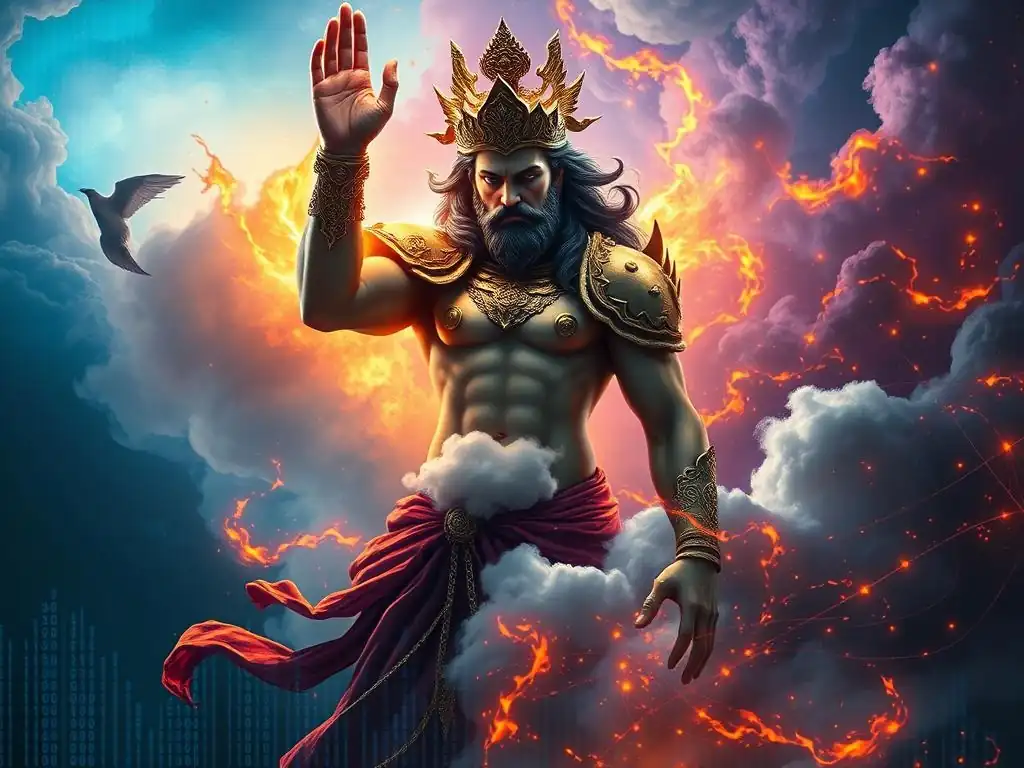
Welcome to Mythology and Legends, where we delve into the captivating tapestry of global folklore. Ever wondered what it truly means to hold the power of a god? Our latest exploration dives deep into modern gaming, specifically examining the complex realm of deity simulation ethics gaming. Prepare to question the moral implications of shaping virtual worlds inspired by ancient myths in "Playing God: The Ethical Dilemmas of Deity Simulation Games Based on Mythology." Are you ready to confront the consequences of divine intervention... even in a game?
- The Core Ethical Dilemmas in Mythological Deity Sims
-
Frequently Asked Questions
- What are deity simulation games, and why are they relevant to mythology?
- How do deity simulation games explore the ethical implications of divine power?
- What are some common ethical dilemmas presented in deity simulation games based on mythology?
- How can playing deity simulation games enhance our understanding of different mythologies?
- What are the potential negative ethical impacts of playing deity simulation games?
- Final Reflection: The Divine Paradox in a Digital Age
- Unveil Your Inner Divinity: Shape the Myths of Tomorrow
The Core Ethical Dilemmas in Mythological Deity Sims
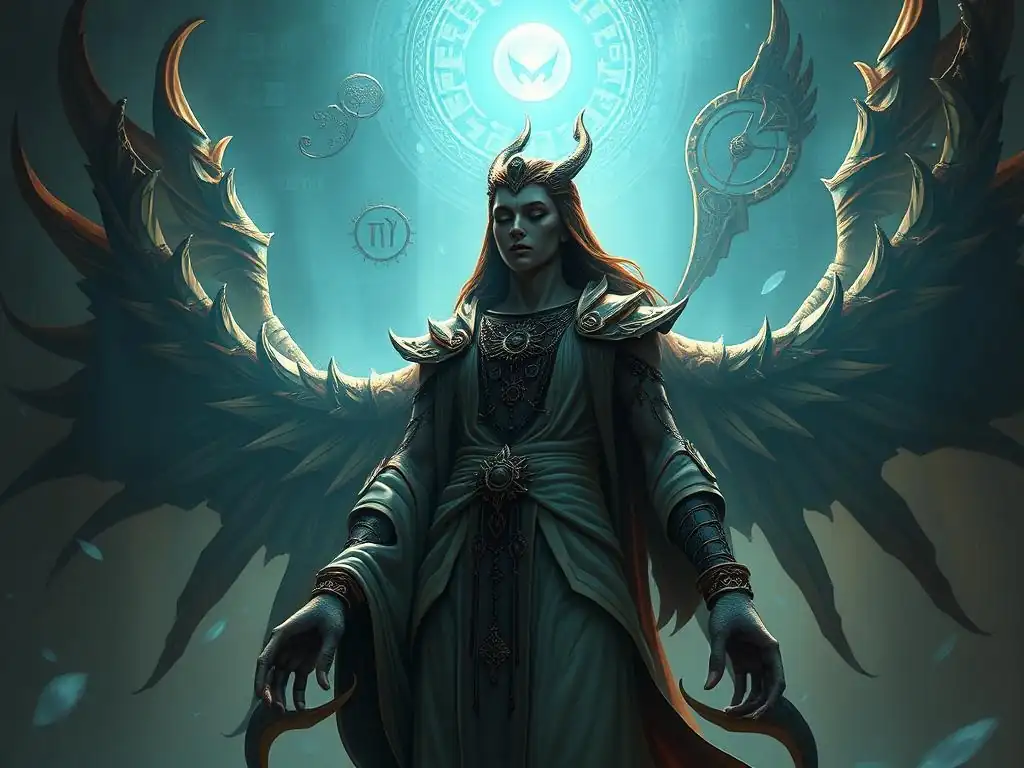
The Power Dynamic: Ethical Considerations of Exercising Godlike Control
Deity simulation games place immense power directly into the player's hands, allowing them to shape landscapes, command natural forces, and directly influence the lives of virtual followers. This inherent power dynamic raises significant ethical questions within the realm of deity simulation ethics gaming.
Players are often given capabilities equivalent to omnipotence within their virtual domain, deciding who prospers, who suffers, and even who lives or dies. For instance, early genre pioneers like Populous allowed players to raise and lower land, creating or destroying habitats for their followers, or unleash devastating natural disasters like volcanoes and floods upon enemy tribes, directly resulting in the demise of potentially thousands of virtual beings within minutes.
The ethical weight here lies not just in the ability to cause destruction, but in the casualness with which such power can be wielded for strategic gain rather than out of necessity or justice, prompting reflection on the player's own relationship with authority and responsibility.
Furthermore, this power dynamic extends beyond mere destruction to absolute control over the environment and the very existence of the virtual civilization. In games like Godus, players could sculpt entire continents, diverting rivers, growing forests, or creating mountains, fundamentally altering the living conditions for their followers. They could also directly command followers to build structures or migrate, overriding any semblance of independent decision-making these virtual entities might possess.
This level of control forces players to confront the ethical implications of treating sentient (albeit simulated) beings as mere resources or pawns in a larger game. It highlights the potential for players to become benevolent guardians or tyrannical overlords, raising questions about the morality of exercising such absolute power, even in a fictional context, and is central to discussions of deity simulation ethics gaming.
Interfering with Free Will: The Consequences of Divine Intervention
A cornerstone ethical challenge in deity simulation games is the question of free will. While some games allow followers a degree of autonomy, the core gameplay often revolves around divine intervention – the player actively influencing or overriding the decisions and actions of their virtual populace.
This can range from subtle nudges of inspiration or guidance to overt miracles, blessings, or punishments that directly alter the course of events or the fate of individuals. For example, in Black & White, the player's creature, acting as their avatar, could perform actions that directly influenced villagers' thoughts and behaviors, such as teaching them to pray more or coercing them through fear.
The ethical dilemma here is profound: to what extent is it morally permissible for a deity figure to negate the free will of their worshippers, even if it is for what the deity perceives as their 'own good' or to achieve a desired outcome within the game's objectives?
The consequences of this divine intervention are often central to the gameplay loop, but they also carry significant ethical weight. Constantly overriding followers' decisions can lead to a populace that is utterly dependent and incapable of independent thought or action, effectively reducing them to automatons.
Alternatively, allowing too much freedom might lead to outcomes the player-deity disapproves of, such as worshipping rival gods or engaging in 'sinful' behavior according to the deity's doctrine. Games that explore deity simulation ethics gaming grapple with this by sometimes introducing systems where excessive intervention has negative repercussions, such as followers losing faith or becoming resistant to divine influence, forcing the player to consider the long-term ethical cost of their actions versus the immediate gratification of control.
Moral Choices and Their Impact on Virtual Civilizations
Deity simulation games frequently present players with explicit moral choices that have tangible impacts on their virtual civilizations. These choices often mirror ethical dilemmas found in real-world mythology and theology, such as deciding whether to punish transgressors with harsh plagues or offer forgiveness and guidance, whether to favor one group of followers over another, or how to respond to external threats – with divine wrath or protective blessings.
The ethical weight of these decisions is amplified by the scale of their potential impact, affecting potentially thousands or even millions of simulated lives and shaping the entire culture and destiny of the civilization. For instance, a choice to unleash a famine as punishment might lead to mass starvation and societal collapse, while a choice to provide miraculous aid could lead to rapid prosperity and expansion.
The way these games frame and respond to moral choices is critical to deity simulation ethics gaming. Are the choices presented as purely strategic decisions with quantifiable outcomes (e.g., "punish sinners to increase faith gain") or are they embedded within a narrative or mechanical framework that encourages ethical reflection?
Games like Black & White explicitly tracked the player's alignment, visually transforming the world and the creature based on good or evil deeds, providing a clear, albeit simplified, representation of the cumulative ethical impact of the player's choices. These systems highlight the responsibility that comes with divine power and challenge players to consider the ethical implications of their actions beyond simple win/loss conditions, prompting them to think about the kind of deity they wish to be.
Exploiting Mythology: Respectful Representation vs. Cultural Appropriation in Deity Sims
Given that many deity simulation games draw heavily upon real-world mythologies and religious traditions, a significant ethical concern is the potential for exploitation or cultural appropriation. Using figures, stories, and concepts from diverse mythologies – be it Greek, Norse, Egyptian, or others – requires sensitivity and a deep understanding of the source material.
The ethical challenge lies in distinguishing between respectful adaptation that celebrates and reinterprets these narratives, and shallow appropriation that reduces complex traditions to mere cosmetic themes or gameplay mechanics without acknowledging their cultural or spiritual significance. For example, depicting a specific mythological ritual or belief system purely as a means to gain in-game power (like 'faith points') without any context or respect for its original meaning can be seen as exploitative.
This issue is particularly sensitive when games incorporate mythologies from living cultures or traditions. Ethical deity simulation ethics gaming requires developers to consider the origins and significance of the myths they use. Are they consulting with cultural experts or community members?
Are they perpetuating harmful stereotypes associated with certain pantheons or beliefs? Games that simply cherry-pick dramatic elements without engaging with the underlying values or complexities of a mythology risk trivializing sacred or important narratives. Conversely, games that attempt to represent mythological figures or pantheons with nuance and respect, perhaps by incorporating elements of their original stories or ethical frameworks into the gameplay, demonstrate a more responsible approach to drawing inspiration from the world's rich tapestry of myths and legends.
Frequently Asked Questions
What are deity simulation games, and why are they relevant to mythology?
Deity simulation games allow players to assume the role of a divine being impacting the world. They are relevant to mythology because they often draw inspiration from mythological pantheons and divine powers, allowing players to interact with interpretations of those stories.
How do deity simulation games explore the ethical implications of divine power?
These games often present players with choices that have significant consequences for their followers or the world. This forces players to confront the ethical responsibilities that come with unlimited power and the potential for both good and evil.
What are some common ethical dilemmas presented in deity simulation games based on mythology?
Common dilemmas include deciding when to intervene in mortal affairs, balancing benevolence and punishment, and dealing with the consequences of divine intervention, such as unintended side effects or the erosion of free will.
How can playing deity simulation games enhance our understanding of different mythologies?
By actively engaging with interpretations of mythological narratives and assuming the roles of deities, players can gain a deeper appreciation for the complexities of different belief systems and the values they represent.
What are the potential negative ethical impacts of playing deity simulation games?
Some critics argue that these games can desensitize players to the real-world consequences of power, encourage moral relativism, or even promote a disregard for human agency by portraying individuals as mere puppets of divine will.
Final Reflection: The Divine Paradox in a Digital Age
The ethical dilemmas presented by deity simulation games, mirroring our own societal struggles, are not mere digital fantasies; they are potent reflections of our ongoing grapple with power, morality, and the very definition of good and evil. These games, while seemingly escapist entertainment, force us to confront uncomfortable truths about our own capacity for both creation and destruction, mirroring the very anxieties inherent in wielding unchecked power. The lines between playful simulation and profound ethical questioning blur, leaving us to ponder the responsibilities that come with even virtual omnipotence.
The enduring fascination with deity simulation games speaks volumes about our collective desire to understand the complexities of divine power and its implications. These games offer a safe space to explore these weighty themes, allowing us to experiment with different moral frameworks and witness the consequences of our choices without real-world repercussions.
Yet, the very act of playing these games, of shaping virtual worlds and their inhabitants, raises crucial questions about our own moral compass. As the philosopher Simone de Beauvoir stated, >“Ethics is the science of morals.” These games, therefore, become a testing ground for our own evolving understanding of morality, constantly challenging our preconceived notions of right and wrong.
Consider the choices you make within these digital pantheons. Do you strive for benevolent rule, or succumb to the temptations of tyranny? Do you prioritize the well-being of your people, or pursue your own ambitions at their expense?
The answers you find within these virtual worlds are not inconsequential; they offer a valuable lens through which to examine your own values and beliefs. Reflect on your gameplay, and consider how these simulated experiences might inform your understanding of ethical decision-making in the real world. Let the divine paradox of these games inspire you to engage with the complexities of morality, both in the digital realm and beyond.
Unveil Your Inner Divinity: Shape the Myths of Tomorrow
Thanks for exploring the fascinating ethical complexities of deity simulation games with us! We hope you gained a new perspective on the power – and responsibility – inherent in shaping digital mythologies. Ready to delve even deeper?
- Craft your own pantheon: Design a unique god or goddess, incorporating the lessons from the article to ensure a balanced and ethical system. Consider the consequences of their powers and interactions!
- Share your divine creations: Discuss your ideas, both good and bad, in the comments below. Let's build a community of ethical game designers!
- Challenge the status quo: Explore existing deity simulation games with a critical eye, analyzing their ethical choices and identifying areas for improvement.
What divine power would you bestow upon your creation, and how would you ensure its ethical use within your game world?