
Beyond the Veil: Documenting the Supernatural in World Folklore

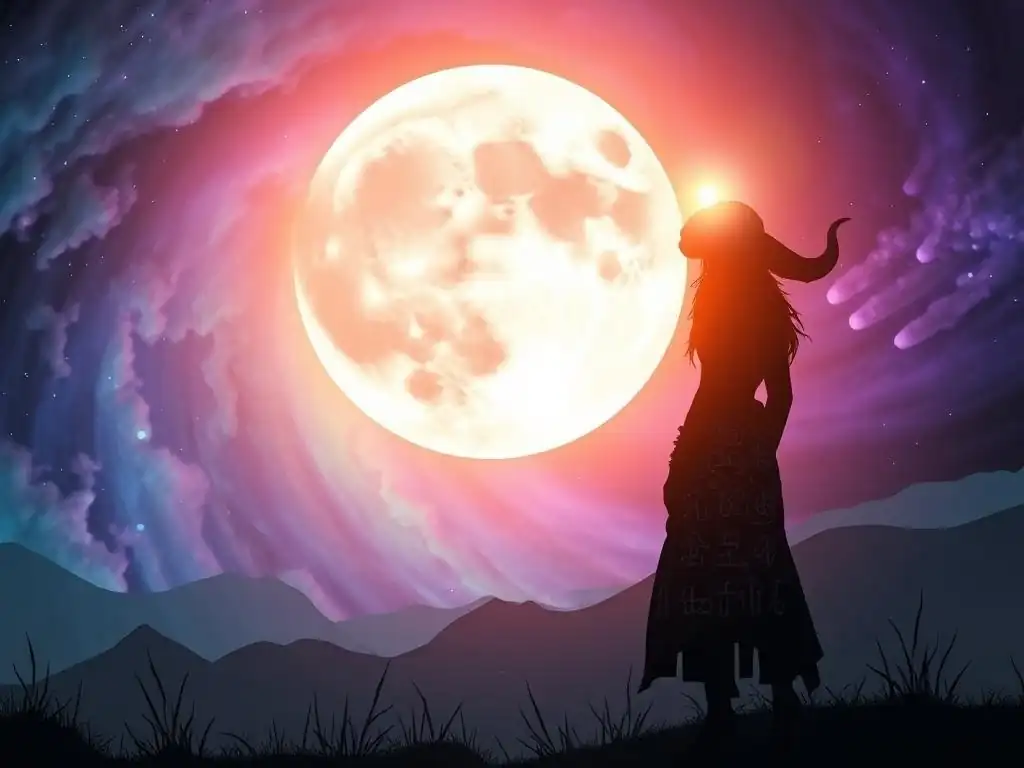
Welcome to Mythology and Legends, where ancient whispers meet modern interpretations. Ever wondered about the supernatural origins of folklore and how they continue to shape our world? Delve into our exploration of global myths and legends, starting with a captivating look at how storytelling unveils the unseen. Prepare to journey Beyond the Veil and uncover the hidden truths embedded within tales passed down through generations. What secrets will you discover?
- Folklore’s Supernatural Origins Explained: A Global Perspective
-
Frequently Asked Questions
- What is the central focus of the article "Beyond the Veil: Documenting the Supernatural in World Folklore"?
- How does the article approach the "supernatural origins" of folklore?
- What types of folklore are likely explored in the article?
- How does the article connect folklore to contemporary society?
- What is the overarching goal of "Mythology and Legends" concerning folklore studies?
- Final Reflection: Unraveling the Enduring Power of the Supernatural in Folklore
- Unleash Your Inner Mythmaker: Dive Deeper into Folklore!
Folklore’s Supernatural Origins Explained: A Global Perspective
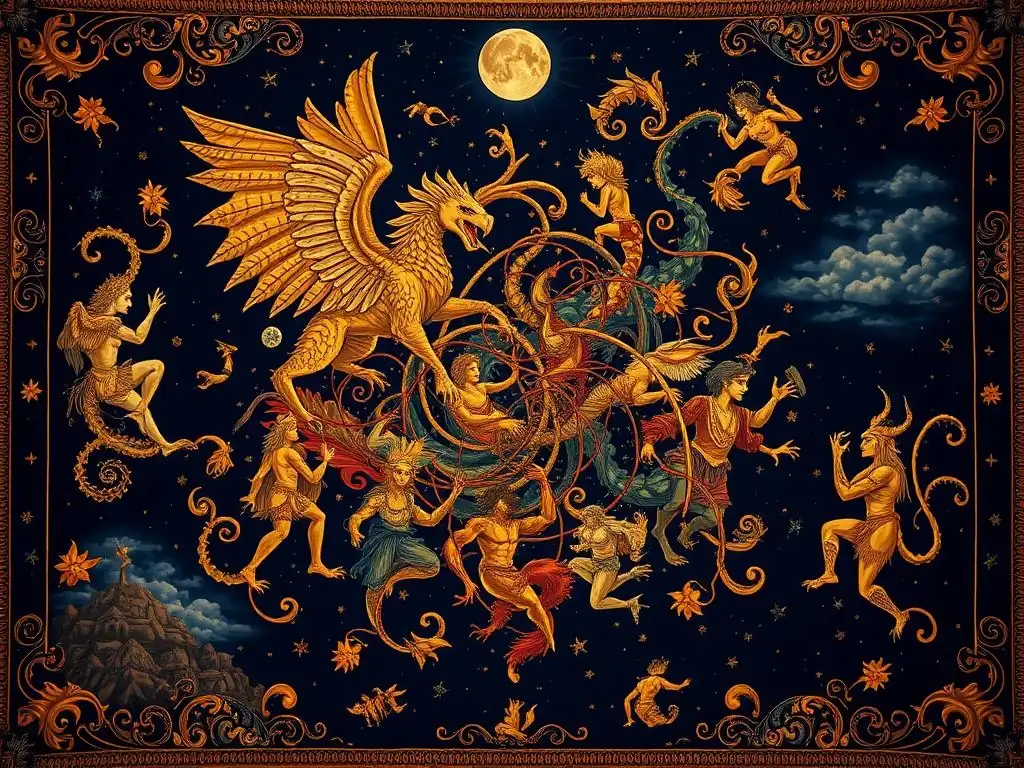
Supernatural Creatures and Entities in Diverse Mythologies
Across continents and centuries, a common thread binds human cultures: the belief in supernatural creatures and entities. These beings, ranging from benevolent spirits and protective deities to malevolent monsters and trickster figures, are fundamental to Folklore’s supernatural origins explained. They populate the myths, legends, and folktales passed down through generations, serving various purposes such as explaining natural phenomena, enforcing social norms, or simply providing entertainment and wonder. The sheer variety of these entities reflects the diverse environments, anxieties, and aspirations of the societies that conceived them.
Consider the prevalence of dragons in European and Asian folklore, yet with starkly different portrayals. European dragons are often depicted as hoarders of gold, symbols of chaos or evil to be slain by heroes, such as in the tale of Saint George and the Dragon.
In contrast, East Asian dragons, particularly in China and Japan, are typically benevolent, associated with water, rain, and imperial power, seen as wise and powerful beings. This global distribution of a similar concept, interpreted through distinct cultural lenses, underscores how supernatural entities are not merely imaginative creations but integral components of a culture's worldview and Folklore’s supernatural origins explained within that context.
Documenting Supernatural Phenomena Across Cultures: Examples from Irish, Japanese, and Native American Traditions
Documenting the rich tapestry of supernatural phenomena involves navigating diverse cultural landscapes, each with unique beliefs and narrative structures. In Irish folklore, the Aos Sí, or 'people of the mounds', are central – supernatural beings often associated with the ancient burial mounds and the liminal spaces between worlds.
Documenting these beliefs frequently relies on collecting oral testimonies from storytellers who recount encounters with fairies, their capricious nature, and the rules governing interaction with them. This documentation captures not just the narratives but also the deep-seated respect and sometimes fear associated with the unseen realm, reflecting a core aspect of Folklore’s supernatural origins explained in the Celtic tradition.
Japanese folklore boasts an extensive pantheon of Yokai – a term encompassing ghosts, demons, monsters, and other supernatural apparitions. Figures like the Kappa, a mischievous water imp, or the Kitsune, a cunning fox spirit, are well-known examples. Documentation of Yokai traditions spans centuries, found in ancient scrolls, woodblock prints, and literary works like Toriyama Sekien's Edo-period compendiums. Modern documentation includes academic studies, artistic interpretations (manga, anime), and community-based projects preserving local legends. This multi-modal approach highlights how Folklore’s supernatural origins explained in Japan are deeply intertwined with visual culture and evolving forms of media.
Native American traditions, incredibly diverse across tribes, often feature supernatural beings closely tied to the natural world and ancestral spirits. The Navajo concept of Skinwalkers (Yee Naaldlooshii), malevolent shapeshifters, is a prominent example, though discussing such sensitive topics requires immense cultural respect and often involves working directly with tribal elders and cultural keepers. Documentation methods prioritize oral history, transcribed with permission, and respectful anthropological studies. This approach ensures that the documentation of Folklore’s supernatural origins explained within these cultures honors sacred knowledge and maintains the integrity of traditions passed down through generations, often orally for millennia.
Frequently Asked Questions
What is the central focus of the article "Beyond the Veil: Documenting the Supernatural in World Folklore"?
The article primarily explores the supernatural elements found within folklore from diverse cultures. It examines how these narratives reflect and shape our understanding of the unseen world and its influence. It aims to provide documentation and insight into these phenomena.
How does the article approach the "supernatural origins" of folklore?
The article analyzes folklore as a reflection of cultural beliefs and anxieties regarding the unknown. It suggests that supernatural elements often originate from attempts to explain unexplainable events or natural phenomena.
What types of folklore are likely explored in the article?
The article likely delves into various forms of folklore, including myths, legends, and folktales. These narratives often feature supernatural beings, magical occurrences, and interactions between the human and spirit realms, offering insights into cultures' beliefs.
How does the article connect folklore to contemporary society?
The article likely examines how traditional folklore continues to influence modern cultural practices, beliefs, and artistic expressions. It may explore how supernatural themes persist in contemporary literature, film, and other media.
What is the overarching goal of "Mythology and Legends" concerning folklore studies?
The website aims to provide a comprehensive resource for exploring folklore from around the world. Its goal is to document, analyze, and contextualize these narratives, highlighting their cultural significance and impact on society and the supernatural origins of folklore.
Final Reflection: Unraveling the Enduring Power of the Supernatural in Folklore
The enduring fascination with the supernatural, as explored throughout this article, isn't merely a relic of the past; it's a vibrant thread woven into the fabric of our modern world. From the persistent belief in cryptids to the enduring popularity of paranormal investigations, the human desire to understand the unexplained continues to shape our narratives and beliefs. This fascination reflects a fundamental human need to grapple with the unknown, to find meaning in the seemingly inexplicable.
The exploration of supernatural elements in folklore offers a unique window into the cultural anxieties and aspirations of different societies throughout history. These stories, passed down through generations, reveal much about the values, fears, and hopes of those who created them. They serve as a powerful reminder of our shared human experience, transcending geographical boundaries and cultural differences. Myth is the ultimate expression of the human need to make sense of the world.
- Joseph Campbell. This quote perfectly encapsulates the enduring power of these narratives, highlighting their role in shaping our understanding of ourselves and the universe.
Consider the stories you've heard, the legends you've encountered. What do they reveal about your own culture, your own anxieties, your own hopes for the future? I urge you to delve deeper, to explore the rich tapestry of folklore in your own community, and to consider the enduring power of these narratives in shaping our understanding of the world and our place within it. By understanding the supernatural origins explained within folklore, we gain a deeper appreciation for the human experience and the enduring quest for meaning in a world full of mystery.
Unleash Your Inner Mythmaker: Dive Deeper into Folklore!
Thanks for exploring the fascinating world of supernatural folklore with us! You've now unlocked a deeper understanding of how different cultures interpret the unseen. Ready to take the next step?
- Document your own local legends: Start a personal folklore journal, recording stories and traditions from your community. This is your chance to become a modern-day mythographer!
- Share your discoveries: Discuss your findings – or any intriguing stories you already know – in the comments below. Let’s build a vibrant community of folklore enthusiasts!
- Research a specific supernatural being: Choose a creature, spirit, or entity that captivated you and delve further into its origins and cultural significance.
What hidden folklore awaits discovery in your own backyard?