
The Sidhe: The Hidden People and Their Mysterious Realm

Welcome, seeker of forgotten lore.
Delve into the enchanting realm of "Mythology and Legends," where ancient whispers echo through the ages. Are you ready to uncover the secrets hidden just beyond our perception? This journey begins with a glimpse into the elusive world of the Sidhe. Prepare to explore the captivating tapestry of Sidhe folklore beliefs meanings, unraveling the mysteries of these enigmatic beings and their enduring influence on our world. What wonders await you within their hidden realm?
- Introduction to the Sidhe: Exploring Celtic Fairy Lore
- Who are the Sidhe? Defining the Hidden People
- The Realm of the Sidhe: Unveiling the Otherworld
- Sidhe Characteristics and Powers: Exploring Their Mystical Abilities
- Sidhe Interactions with Humans: Encounters, Warnings, and Dangers
- Sidhe Folklore Beliefs Meanings: Interpreting the Legends
- Modern Interpretations of the Sidhe: The Fair Folk in Contemporary Culture
- Conclusion: The Enduring Mystery of the Sidhe
-
Frequently Asked Questions
- What are the Sidhe, according to folklore?
- What are some common beliefs associated with the Sidhe?
- What is the "Sidhe realm" typically described as?
- What is the significance of respecting Sidhe folklore beliefs?
- What are some examples of Sidhe folklore meanings that have persisted into contemporary society?
- Final Reflection: Echoes of the Sidhe in a Modern World
- Unveil the Secrets of the Sidhe: Your Journey Begins Now!
Introduction to the Sidhe: Exploring Celtic Fairy Lore
Understanding the Enduring Appeal of Sidhe Folklore
The Sidhe, often pronounced "shee," represent one of the most captivating and enduring aspects of Celtic mythology. These supernatural beings, believed to inhabit an Otherworld parallel to our own, have fascinated people for centuries. Their lore is deeply woven into the fabric of Irish and Scottish cultural identity, influencing everything from literature and music to local place names and superstitions.
The persistent appeal of Sidhe folklore stems from its ability to tap into fundamental human questions about the unknown, the relationship between the mortal and the mystical, and the power of nature. Beliefs surrounding the Sidhe offer a glimpse into a pre-Christian worldview where the natural landscape was imbued with spirit and danger.
Despite the passage of time and the rise of modern skepticism, Sidhe folklore retains a potent hold on the imagination. Stories of encounters with the Fair Folk continue to be shared, albeit perhaps more as cultural heritage than literal truth for many. The deep Sidhe folklore beliefs meanings embedded in these tales — about respecting the land, the consequences of disrespecting the unseen, and the capricious nature of fortune — resonate even today. Folklorists in the late 19th and early 20th centuries, like Lady Gregory and W.B. Yeats, meticulously documented these beliefs, preserving a rich oral tradition that might otherwise have faded. Their work highlighted the widespread nature of these stories across rural communities, indicating that belief or at least a strong cultural awareness of the Sidhe was a significant part of daily life for a substantial portion of the population in areas like County Galway or the Scottish Highlands.
The Sidhe's Place in Celtic Mythology
Within the vast tapestry of Celtic mythology, the Sidhe occupy a unique and central position. They are often depicted as descendants of the Tuatha Dé Danann, a race of divine beings who ruled Ireland before the arrival of the Milesians (the ancestors of the modern Irish people). According to legend, when the Milesians conquered Ireland, the Tuatha Dé Danann retreated into the mounds and hollow hills, becoming the Sidhe, the 'People of the Mounds'. This origin story establishes them not merely as generic fairies, but as ancient, powerful beings with a historical claim to the land itself.
Their role is multifaceted: they are guardians of sacred sites, possessors of ancient knowledge and magic, and sometimes benevolent, sometimes malevolent neighbors to humanity. Their interactions with mortals are a recurring theme, often serving as cautionary tales or explanations for unexplained phenomena. Unlike the more clearly defined gods of some pantheons, the Sidhe exist in a liminal space, their morality ambiguous, their motives often inscrutable. This ambiguity is key to the power of Sidhe folklore beliefs meanings; they represent the unpredictable forces of the world, both natural and supernatural, that lie just beyond human control.
Sidhe Origins: Tracing the Roots of Celtic Fairy Beliefs
The origins of beliefs surrounding the Sidhe are complex, drawing from layers of pre-Christian Irish and Scottish history and mythology. As mentioned, a prominent origin theory links them directly to the Tuatha Dé Danann. Following their defeat by the Milesians, the Tuatha Dé Danann are said to have used their magic to retreat into an invisible realm within the landscape, particularly associated with ancient burial mounds or sídhe (the Old Irish word for 'mound'). This transformation from overt rulers to hidden inhabitants solidified their connection to the land and gave rise to the name used for them.
Another perspective views the Sidhe as stemming from even older animistic or nature-worshipping beliefs, predating the arrival of the Tuatha Dé Danann legends. In this view, they represent the spirits of the land, the ancestors, or elemental forces. The association with mounds could also connect them to ancestral spirits dwelling in burial sites. The syncretic nature of Celtic folklore means that these various strands likely intertwined over centuries, resulting in the rich and varied Sidhe folklore beliefs meanings we see today, where they are simultaneously powerful ancient gods, nature spirits, and potentially dangerous neighbors.
Names and Titles: Exploring the Many Faces of the Sidhe
The Sidhe are known by numerous names and titles across different regions and contexts, reflecting the varied perceptions and local traditions associated with them. These names often carry specific connotations about their nature or dwelling places. Understanding these different appellations helps to appreciate the breadth and depth of Sidhe folklore beliefs.
Aos Sí: The People of the Mounds
The most common and widely accepted term is Aos Sí (pronounced 'ees shee'), which directly translates from Irish and Scottish Gaelic as "People of the Mounds." This name explicitly links the Sidhe to the ancient burial mounds and hills ( sídhe) that dot the Irish and Scottish landscapes. These mounds were traditionally considered entrances to the Otherworld, the subterranean or parallel realm where the Sidhe resided. The term Aos Sí emphasizes their connection to specific geographical locations and their status as inhabitants of a hidden domain, central to many Sidhe folklore beliefs meanings.
Fair Folk: A Common Euphemism
"Fair Folk" is a common English euphemism used to refer to the Sidhe and other similar beings in British and Irish folklore. This term, along with others like "Good Neighbors" or "Themselves," was often used not because the beings were necessarily benevolent, but out of a superstitious fear of offending them by using their true name. Speaking the name Sidhe or Aos Sí too freely was believed to attract their unwanted attention.
This practice of using euphemisms highlights the respect, caution, and underlying fear that characterized many Sidhe folklore beliefs. The term "Fair Folk" also carries connotations of beauty and otherworldliness, common attributes ascribed to the Sidhe in many tales.
The Realm of the Sidhe: Unveiling the Otherworld
Tír na nÓg: The Land of Eternal Youth
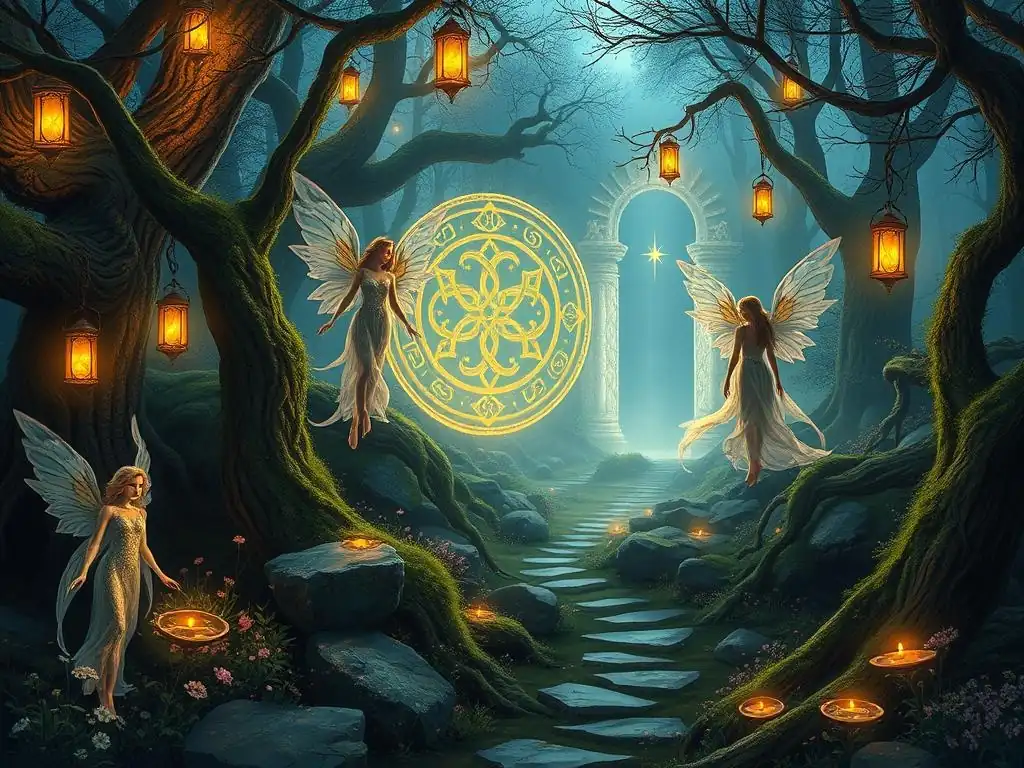
One of the most famous descriptions of the Sidhe realm is Tír na nÓg, the "Land of Eternal Youth." This mystical island, often located far to the west across the sea or sometimes accessed through the Sidhe mounds, is depicted as a place of unparalleled beauty, where illness, aging, and death do not exist. Time flows differently there, if at all; visitors who spend what feels like a short time in Tír na nÓg may return to find centuries have passed in the mortal world.
Stories like that of Oisín and Niamh illustrate the allure and danger of Tír na nÓg. Oisín, son of Fionn mac Cumhaill, is lured away to the island by the beautiful Niamh of the Golden Hair. He lives there blissfully for what seems like three years but is, in fact, 300 years in Ireland.
His longing to see his homeland leads to his tragic return, where upon touching Irish soil, the centuries catch up with him instantly, turning him into an old man. This narrative underscores a key aspect of Sidhe folklore beliefs meanings: the Otherworld is separate and often incompatible with the mortal world, and crossing between them carries significant risks.
Sidhe Mounds and Portals: Where the Worlds Meet
The most tangible connection points between the human world and the realm of the Sidhe are the sídhe or fairy mounds. These are typically ancient burial mounds, ringforts, or natural hills that were traditionally believed to be entrances or dwelling places of the Sidhe. Across Ireland and Scotland, countless such sites are associated with specific Sidhe legends.
For example, the Hill of Tara in County Meath, though primarily known as the seat of the High Kings of Ireland, also has strong associations with the Sidhe. Newgrange, a massive Neolithic passage tomb, is another prominent sídhe linked to the Tuatha Dé Danann and the Sidhe.
These mounds were considered highly sacred and dangerous places. Disturbing a fairy mound was believed to bring terrible misfortune, illness, or even death. Farmers would plow around them, builders would avoid them, and it was considered unwise to linger near them, especially at night or during liminal times like Samhain (Halloween). The belief that these physical features of the landscape served as portals highlights the deep connection between the Sidhe, the land itself, and the everyday lives of people in Celtic cultures. These sites are living testaments to the enduring Sidhe folklore beliefs meanings tied to place and ancestry.
The Sidhe's Relationship with Nature and the Seasons
The Sidhe are intrinsically linked to the natural world and the cycles of the seasons. Their realm is often depicted as existing within or alongside nature — in forests, lakes, rivers, and especially under the earth in the mounds. This connection suggests an older layer of belief where nature spirits were powerful entities. The Sidhe are sometimes seen as custodians of wild places, protecting them from human encroachment.
Their activity is often associated with specific times of the year, particularly the Celtic fire festivals like Samhain (November 1st), Imbolc (February 1st), Beltane (May 1st), and Lughnasadh (August 1st). Samhain, in particular, is considered a time when the veil between the worlds is thinnest, and the Sidhe are more likely to be seen or encountered.
This seasonal rhythm reinforces the idea that the Sidhe are part of the natural order, albeit a supernatural part. Their presence and power wax and wane with the turning of the year, reflecting ancient agricultural and pastoral cycles and adding another layer to Sidhe folklore beliefs.
Sidhe Characteristics and Powers: Exploring Their Mystical Abilities
Sidhe Appearance: Describing the Look of the Fair Folk
Descriptions of the Sidhe vary widely in folklore, reflecting regional differences and the diverse nature of the beings themselves. They are often depicted as incredibly beautiful, ethereal, and sometimes taller than humans, with flowing hair and eyes that hold ancient knowledge. They might wear green, white, or red clothing, sometimes adorned with jewels or feathers. However, not all accounts describe them as beautiful; some tales portray them as grotesque, withered, or having physical deformities, particularly if they are malevolent or encountered in a frightening context.
A recurring theme is their ability to change their appearance or remain invisible. They can appear as humans, animals (like horses, birds, or hounds), or swirling mist. This shapeshifting ability adds to their mystique and danger, as one might encounter a Sidhe without even realizing it. The variability in their described appearance underscores the idea that the Sidhe are not a single monolithic group but encompass a wide range of beings, each with their own characteristics, contributing to the complex tapestry of Sidhe folklore beliefs meanings.
Sidhe Magic and Enchantments: The Powers of Illusion and Glamour
The Sidhe are renowned for their powerful magic, which they use for various purposes, including enchanting mortals, creating illusions, and manipulating the natural world. One of their most famous abilities is glamour (from the Scottish Gaelic glam-solas, meaning 'magic light'), the power to cast illusions that make things appear different from what they truly are. They can make their realm appear as a magnificent palace or a barren hill, make themselves look beautiful or terrifying, or lead travelers astray with false lights or sounds.
Their magic can also inflict curses, cause illness, steal vitality, or grant supernatural gifts. They can induce enchantment through music, dance, or simply by their presence, causing mortals to lose track of time or forget their former lives. This magical prowess is a central element of Sidhe folklore beliefs; it explains strange occurrences, sudden misfortunes, and the feeling of being subtly manipulated by unseen forces. The unpredictable nature of their magic reflects their often-capricious temperament.
Folklore suggests that the Sidhe are not a disorganized rabble but possess a complex social structure, often organized into courts or tribes with their own rulers. The most famous division is between the Seelie Court and the Unseelie Court. The Seelie Court is generally depicted as benevolent or at least neutral towards humans, though they can still be mischievous or dangerous if provoked. They are often associated with light, beauty, and organized revelry.
The Unseelie Court, conversely, is typically portrayed as malevolent and hostile towards humans, delighting in torment and misfortune. They are associated with darkness, ugliness, and chaotic, destructive acts. However, this clear division is more prominent in later folklore and literary interpretations; older tales often present individual Sidhe or groups with less rigid moral alignments.
Within these courts or groups, there are often hierarchies, with kings, queens (like the Queen of Air and Darkness), lords, and ladies. This complex social structure mirrors human society, suggesting that the Sidhe, despite their otherworldliness, possess relatable forms of organization and power dynamics, adding depth to Sidhe folklore beliefs.
Sidhe Interactions with Humans: Encounters, Warnings, and Dangers
Sidhe Gifts and Curses: The Double-Edged Sword
Interactions between the Sidhe and humans in folklore are rarely simple and often come with significant risks. The Sidhe are known to bestow gifts, such as magical objects, wealth, or supernatural abilities, but these gifts almost always come with conditions, hidden costs, or are ultimately detrimental. A person granted fairy gold might find it turns to dust or leaves the next morning. A musical talent bestowed by the Sidhe might be accompanied by a melancholic madness or an inability to play for mortals.
Conversely, the Sidhe can inflict terrible curses upon those who offend them, trespass on their land, or break promises made to them. Curses might include unexplained illness, bad luck, loss of property, or even death. The unpredictable nature of whether an encounter results in a gift or a curse is a fundamental aspect of Sidhe folklore beliefs. It teaches caution and respect when dealing with the unseen world, emphasizing that the Sidhe operate by their own rules, which often seem arbitrary or cruel from a human perspective.
Sidhe Abductions and Changeling Myths: The Darker Side of Fairy Lore
One of the most chilling aspects of Sidhe folklore is the belief in abductions. The Sidhe were thought to steal humans, particularly beautiful women, skilled musicians, or unbaptized infants, taking them back to their realm. Women might be taken to be wives or lovers, musicians to play in fairy revels, and infants to be replaced by changelings.
Changeling myths are a particularly disturbing facet. It was believed that the Sidhe would steal a healthy human baby and leave a sickly, withered, or unnaturally quiet fairy child (the changeling) in its place. This belief was often used to explain unexplained illnesses, developmental delays, or changes in a child's personality.
Measures were taken to identify and sometimes harm or abandon suspected changelings to force the Sidhe to return the human child. These dark beliefs reflect anxieties about infant mortality, disability, and the vulnerability of the family unit to outside, unseen forces, contributing a somber layer to Sidhe folklore beliefs meanings.
Protecting Yourself from the Sidhe: Safeguards and Rituals
Given the potential dangers associated with the Sidhe, traditional folklore developed numerous methods for protection. These safeguards often involved specific materials, actions, or times.
- Iron: The Sidhe are believed to have a strong aversion to cold iron. Carrying a piece of iron, placing iron tools (like a poker or knife) near a cradle, or having iron horseshoes on a door was thought to ward them off.
- Holy Symbols: Christian symbols, such as crosses or holy water, were also considered protective, reflecting the blending of older beliefs with Christianity.
- Turning Clothes Inside Out: Wearing a coat or garment inside out was sometimes believed to confuse or deter the Sidhe.
- Staying Indoors at Night: Avoiding certain places, especially mounds or known fairy paths, after dark or during liminal times like twilight or midnight was considered prudent.
- Speaking Kindly: Using euphemisms like "Fair Folk" or "Good Neighbors" instead of their direct name was a way to show respect and avoid offense.
These practices highlight the pervasive nature of Sidhe folklore beliefs in daily life, where people actively took steps to mitigate potential dangers from the unseen world.
- [x] Introduce Sidhe and their appeal
- [x] Explain their place in Celtic mythology
- [x] Discuss Sidhe origins
- [x] List and explain different names (Aos Sí, Fair Folk)
- [x] Describe Tír na nÓg
- [x] Explain Sidhe mounds as portals
- [x] Detail connection to nature/seasons
- [x] Describe Sidhe appearance
- [x] Discuss Sidhe magic/glamour
- [x] Explain Sidhe social structure (Courts)
- [x] Detail gifts and curses
- [x] Cover abductions and changelings
- [x] List protection methods (task list used here)
- [ ] Interpret meanings (Guardians, Nature, Human Nature)
- [ ] Discuss modern interpretations (Literature, Neopaganism, Influence)
- [ ] Conclude (Legacy, Further Exploration)
Sidhe Folklore Beliefs Meanings: Interpreting the Legends
The Sidhe as Guardians of the Land: Protecting Sacred Sites
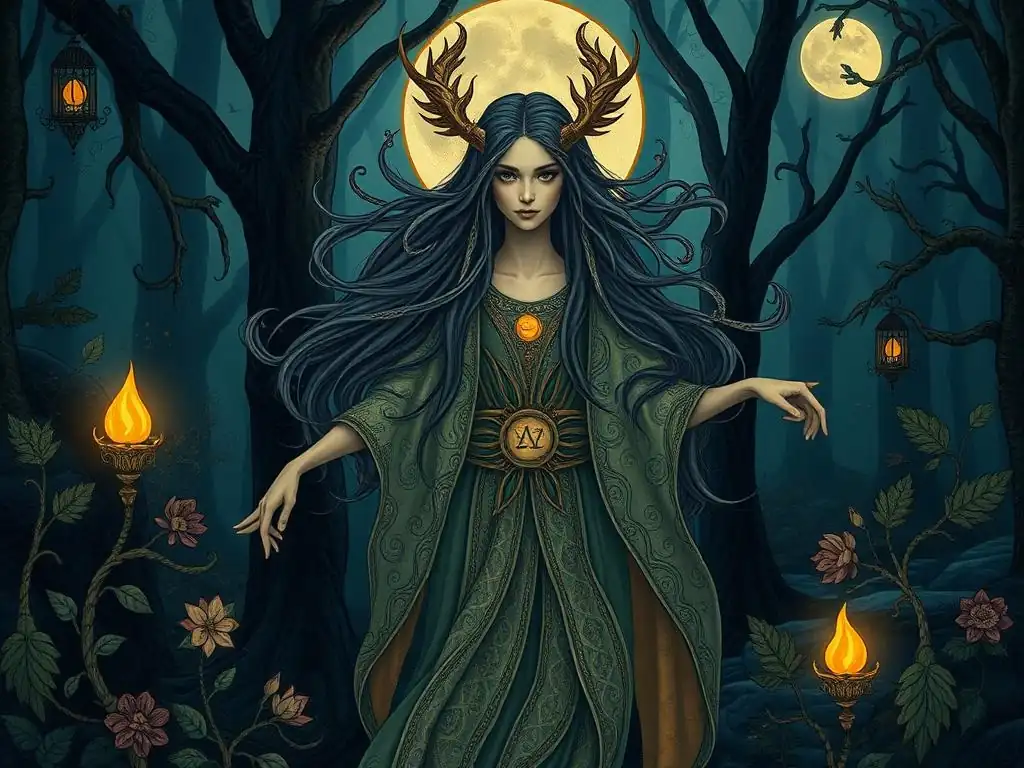
One of the most significant interpretations of Sidhe folklore beliefs centres on their role as guardians of the land. The association of the Sidhe with specific natural features — hills, mounds, ancient trees, wells, and lakes — suggests that these stories served as a way to protect and respect the environment. Disturbing a fairy mound or cutting down a lone thorn bush (often called a "fairy tree") was strictly taboo, enforced by the fear of supernatural retribution from the Sidhe.
This belief system effectively created a form of environmental protection long before modern conservation movements. It instilled a deep reverence for certain places, recognizing them as having an inherent spiritual value or being inhabited by powerful entities. For communities reliant on the land, respecting the Sidhe's domain was not just about avoiding curses, but about maintaining a harmonious relationship with the natural world they depended upon. These Sidhe folklore beliefs meanings highlight a pre-modern understanding of ecological balance and the sacredness of nature.
The Sidhe as Embodiments of Nature: Respecting the Balance
Beyond guarding specific sites, the Sidhe can be interpreted as embodiments of nature itself, particularly its wild, unpredictable, and often dangerous aspects. Their capricious nature, their connection to weather phenomena, and their ability to bestow both bounty and blight mirror the unpredictable forces of the natural world. Just as a sudden storm can bring destruction or needed rain, an encounter with the Sidhe could bring fortune or ruin.
This interpretation suggests that Sidhe folklore beliefs were a way for people to understand and cope with forces beyond their control. By personifying nature's power in the form of the Sidhe, people could create narratives and rituals to interact with these forces, seeking their favor or trying to appease them. The stories teach that nature is powerful, demands respect, and cannot be fully controlled, reflecting a worldview where humanity was intricately woven into the natural fabric, subject to its whims and powers.
The Sidhe as Reflections of Human Nature: Exploring Our Fears and Desires
On a psychological level, Sidhe folklore beliefs meanings can be seen as projections of human fears, desires, and anxieties. The allure of Tír na nÓg reflects the human desire for eternal youth and escape from hardship. The fear of abductions and changelings speaks to anxieties about the vulnerability of children, the mystery of illness, and the fear of the "other" within one's own family. The capricious nature of the Sidhe might represent the unpredictable highs and lows of life, the sudden turns of fortune, or the feeling that external forces manipulate our destinies.
Furthermore, the Sidhe's beauty and power, their music and dance, reflect human fascination with the sublime and the transcendent. Their complex social structures and internal conflicts mirror human societal dynamics. By externalizing these aspects of the human condition onto supernatural beings, folklore provides a framework for exploring complex emotions and societal tensions in a narrative form. The Sidhe, in this sense, are not just external entities but also symbolic representations of internal landscapes and collective human experiences.
Modern Interpretations of the Sidhe: The Fair Folk in Contemporary Culture
The Sidhe in Literature and Art: From Yeats to Susanna Clarke
The Sidhe have continued to inspire artists and writers well into the modern era. In the late 19th and early 20th centuries, figures of the Irish Literary Revival, such as W.B. Yeats and Lady Gregory, extensively documented and drew upon Sidhe folklore. Yeats, in particular, incorporated the Sidhe into his poetry and plays, often portraying them as symbols of Ireland's ancient, mystical soul and a counterpoint to modern industrialism. His poem "The Stolen Child" is a famous example, capturing the allure and melancholy of Sidhe abduction.
More recently, the Sidhe have appeared in various forms of fantasy literature. Authors like Susanna Clarke, in her novel Jonathan Strange & Mr Norrell, depict the Sidhe (often referred to as the "Faerie" or "Hidden Kingdom") as powerful, ancient, and often cruel entities with complex motivations. Contemporary fantasy authors frequently draw upon the rich source material of Sidhe folklore to create intricate magical systems and compelling characters, ensuring the Sidhe remain a vibrant part of literary tradition and continue to introduce new audiences to these ancient beliefs.
The Sidhe in Neopaganism and Witchcraft: Connecting with the Fairy Realm
In modern Neopaganism, particularly traditions rooted in Celtic reconstructionism or Wicca, the Sidhe are sometimes revered or acknowledged as spiritual beings. Practitioners may seek to connect with the "Fairy Realm" or the Aos Sí, viewing them as nature spirits, ancestral beings, or potent magical forces. This connection often involves rituals, offerings, and meditation aimed at establishing respectful communication with the Sidhe.
Beliefs and practices vary widely, from acknowledging the Sidhe as symbolic representations of natural energies to literal belief in their existence as distinct entities. Some practitioners incorporate traditional safeguards like iron or specific plants into their practice. This modern spiritual engagement demonstrates the enduring power of Sidhe folklore beliefs, transforming them from cautionary tales into a source of spiritual connection and personal practice for some individuals seeking to engage with the mystical aspects of the Celtic tradition.
The Sidhe's Continuing Influence on Celtic Identity
The Sidhe remain a significant part of Celtic cultural identity, particularly in Ireland and Scotland. They are featured in tourism, local festivals, and educational materials about folklore. Place names across these countries often reference the Sidhe or fairy mounds, serving as constant reminders of the traditional beliefs associated with the landscape.
While literal belief in encountering the Sidhe may be less common in urban areas today than it was in rural communities centuries ago, the stories, traditions, and the idea of the Sidhe persist. They represent a connection to the past, to the land, and to the unique cultural heritage of the Celtic peoples.
The preservation and retelling of Sidhe folklore ensures that the meanings embedded within these tales — about respect for nature, the thin veil between worlds, and the enduring mystery of the unseen — continue to shape cultural understanding and provide a unique lens through which to view the world.
Conclusion: The Enduring Mystery of the Sidhe
The Legacy of Sidhe Beliefs: Keeping the Folklore Alive
The legacy of Sidhe folklore beliefs is profound and far-reaching. These stories have served multiple functions throughout history: explaining the inexplicable, enforcing social norms (like respecting property and nature), providing entertainment, and connecting people to their ancestral land and identity. From the ancient tales of the Tuatha Dé Danann to the collected works of 19th-century folklorists and their modern interpretations in literature and spirituality, the Sidhe have consistently captured the human imagination.
Keeping this folklore alive is crucial for preserving cultural heritage. It allows us to understand the worldview of our ancestors, appreciate the depth of connection they felt to the natural world, and recognize the universal human fascination with the hidden and the mysterious. The varied Sidhe folklore beliefs meanings offer insights into how different societies have grappled with questions of power, danger, beauty, and the boundaries of reality.
Further Exploration of Celtic Fairy Legends: Recommended Resources and Reading List
For those wishing to delve deeper into the world of the Sidhe and other Celtic fairy legends, a wealth of resources exists.
- Collections by Lady Gregory, such as Visions and Beliefs in the West of Ireland, offer direct accounts of folklore gathered from people who held these beliefs.
- W.B. Yeats' poetry and essays, particularly those focused on folklore, provide a poetic interpretation and synthesis of traditional tales.
- The Fairy-Faith in Celtic Countries by W.Y. Evans-Wentz is a classic, if somewhat dated, academic study exploring beliefs across Celtic nations.
- Contemporary folklorists continue to publish research on Celtic supernatural beliefs, offering modern analysis and insights.
- Many regional histories and local folklore collections detail specific Sidhe legends tied to particular places, providing granular detail on local Sidhe folklore beliefs.
Exploring these resources allows for a richer understanding of the Sidhe's place in Celtic culture and the enduring power of their mysterious realm.
Frequently Asked Questions
What are the Sidhe, according to folklore?
The Sidhe, also known as Aes Sídhe, are generally understood as supernatural beings or fairies in Irish and Scottish folklore. They are often described as powerful and beautiful people living in a parallel realm.
What are some common beliefs associated with the Sidhe?
Common beliefs include the Sidhe being sensitive to disrespect, having a strong connection to sacred sites, and being capable of both great kindness and terrible vengeance. Offerings were often made to appease them.
What is the "Sidhe realm" typically described as?
The Sidhe realm is often described as an otherworldly paradise, a place of eternal youth and beauty. However, it can also be dangerous and deceptive for mortals who enter it unprepared.
What is the significance of respecting Sidhe folklore beliefs?
Respecting Sidhe folklore was believed to be crucial for avoiding misfortune. Ignoring or disrespecting the Sidhe could result in illness, accidents, or even abduction to their realm.
What are some examples of Sidhe folklore meanings that have persisted into contemporary society?
The persistence of Sidhe folklore highlights the enduring power of nature and the importance of respecting the unseen world. It also reflects a continued interest in magic, mystery, and the supernatural.
Final Reflection: Echoes of the Sidhe in a Modern World
The enduring fascination with the Sidhe, those enigmatic beings of Celtic folklore, speaks volumes about our persistent need to grapple with the unseen, the mysterious, and the power of the natural world. Their stories, woven into the very fabric of the landscape, continue to resonate, reminding us of a time when the boundaries between the human and the otherworldly were far more permeable. The myths surrounding them are not mere tales; they are reflections of our deepest anxieties and aspirations, our connection to the land, and our enduring search for meaning beyond the tangible.
The impact of Sidhe lore extends far beyond the pages of ancient manuscripts; it permeates modern art, literature, and even our subconscious understanding of nature. Their image, whether benevolent or malevolent, shapes our perception of the wild places, the hidden corners of forests and hills. The very act of searching for their traces, of interpreting the whispers of the wind as their voices, speaks to a fundamental human desire to connect with something larger than ourselves. The world is full of magic things, patiently waiting for our senses to grow sharper.
This quote, though not directly about the Sidhe, perfectly encapsulates the feeling of wonder and possibility that their legends evoke.
Consider the stories you've read, the images you've seen, the whispers you've heard about the Sidhe. Let them inspire you to look closer at the world around you, to appreciate the subtle magic hidden within the ordinary. Seek out the hidden places, listen to the rustling leaves, and allow yourself to be captivated by the enduring mystery of the unseen. Perhaps, in your own exploration, you will find your own connection to the enduring legacy of the Hidden People, and discover a deeper understanding of the world and your place within it.
Unveil the Secrets of the Sidhe: Your Journey Begins Now!
Thanks for exploring the enchanting world of the Sidhe with us! We hope you gained a deeper understanding of these captivating beings and their mysterious realm. Ready to delve further?
- Embark on your own Sidhe research: Explore local folklore, legends, and historical accounts related to fae creatures in your region. You might be surprised by what you uncover!
- Share your thoughts and discoveries: Join the conversation in the comments below! What aspects of the Sidhe resonate most with you?
- Craft your own Sidhe-inspired story or artwork: Let your imagination run wild and bring these mystical beings to life in your own creative way.
What hidden connections to the Sidhe might exist in your own family history or local landscape?