
Beyond the Tourist Gaze: Ensuring Authentic Folklore Preservation

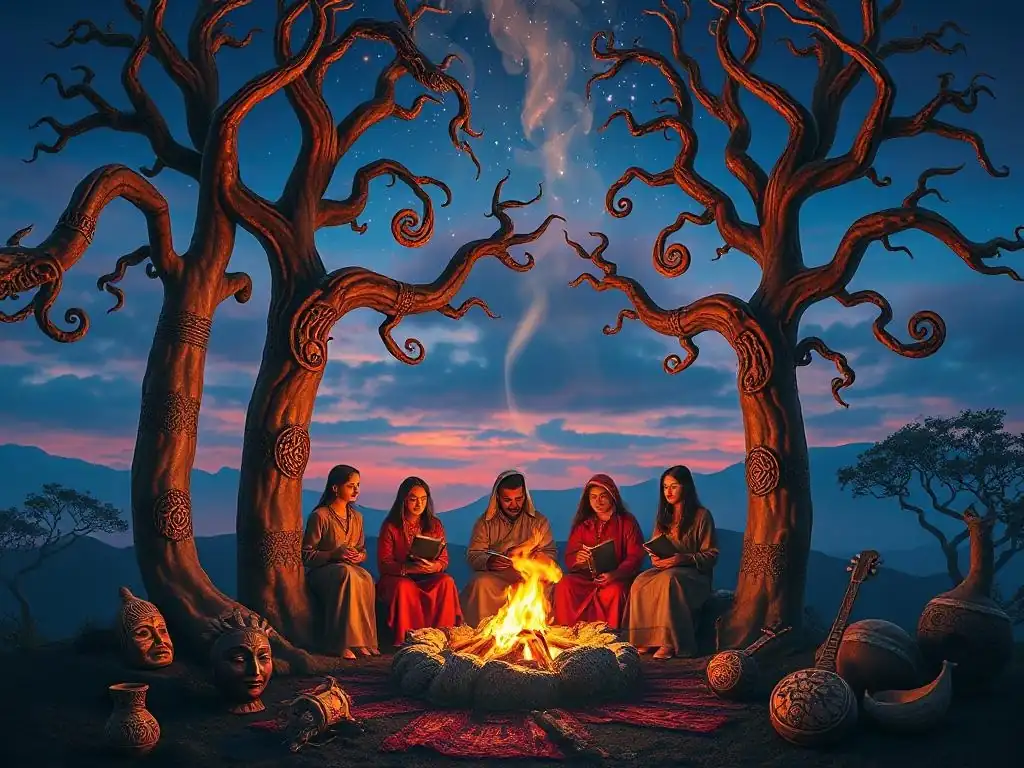
Welcome to Mythology and Legends!
Delve into the captivating world of ancient stories and timeless narratives. But how do we ensure these precious cultural treasures endure? This week, we ask: Beyond the Tourist Gaze: Ensuring Authentic Folklore Preservation. What if the very act of sharing these tales threatened to dilute their essence? Discover vital Authentic Folklore Preservation Strategies and join us as we explore the delicate balance between accessibility and respect for these invaluable Indigenous and Folk Traditions. Prepare to question, to learn, and to safeguard the stories that shape our world.
- Beyond the Tourist Gaze: Authentic Folklore Preservation Strategies
- Strategies for Authentic Folklore Preservation
- Education and Awareness: Fostering Appreciation for Folklore
- Digital Platforms and Folklore Preservation: A Modern Approach
- Case Studies: Successful Folklore Preservation Initiatives
- Balancing Preservation with Modernization: A Delicate Act
- Conclusion: Ensuring the Future of Authentic Folklore
-
Frequently Asked Questions
- How can we ensure folklore isn't just a commodity for tourists?
- What are some practical methods for authentic folklore preservation?
- Why is it important to avoid romanticizing or distorting folklore?
- How can technology be used responsibly in folklore preservation?
- What role does education play in preserving authentic folklore?
- Final Reflection: Weaving the Threads of Tradition into the Future
- Unveil Your Inner Storyteller: Protect Folklore's Legacy
Beyond the Tourist Gaze: Authentic Folklore Preservation Strategies
Introduction: The Urgent Need for Folklore Preservation
Folklore, encompassing myths, legends, oral traditions, customs, rituals, music, and crafts, represents the living memory and cultural identity of communities worldwide. It is not merely historical artifact but a dynamic force that shapes worldview, transmits values, and connects generations. However, this rich tapestry of human heritage faces significant threats in the modern era, including globalization, urbanization, technological shifts, and the often-unintended consequences of tourism. Preserving authentic folklore preservation strategies is therefore not just an academic pursuit but a vital necessity for maintaining cultural diversity and ensuring that future generations can access and learn from the wisdom of the past.
The erosion of traditional lifestyles, the decline of indigenous languages, and the impact of external pressures can lead to the loss of invaluable cultural knowledge. For example, the number of languages spoken globally is decreasing at an alarming rate, and with each language lost, unique forms of oral tradition and storytelling disappear. Estimates suggest that hundreds, possibly thousands, of languages are currently endangered. This underscores the urgency for proactive and thoughtful approaches to safeguarding folklore, moving beyond superficial engagement to deep, community-centered preservation efforts.
Understanding the Tourist Gaze and its Impact on Folklore
The concept of the "tourist gaze," as theorized by sociologist John Urry, refers to the way tourists consume places and cultures visually and experientially, often seeking the "authentic" or "exotic." While tourism can bring economic benefits to communities, the tourist gaze can inadvertently pressure local cultures to perform or package their traditions in ways that cater to external expectations, potentially altering the very folklore it seeks to witness. This dynamic creates a complex challenge for authentic folklore preservation strategies.
This external focus can inadvertently shift the purpose and form of traditional practices. A ritual once performed for spiritual or community cohesion purposes might become a scheduled performance for paying visitors, leading to adaptations that prioritize spectacle over original meaning. The economic incentive can be powerful, but it risks turning vibrant, living traditions into static, commodified products, potentially losing their connection to the community's daily life and belief systems.
How Tourism Can Distort Authentic Cultural Expressions
Tourism's demand for easily digestible and visually appealing experiences can lead to the simplification or even invention of cultural expressions. Complex narratives might be shortened, intricate rituals abbreviated, or specific elements exaggerated to fit tourist itineraries and expectations. For example, a traditional dance that was part of a lengthy, sacred ceremony might be reduced to a 15-minute performance featuring only the most visually striking movements, losing its narrative context and spiritual significance. This distortion makes it challenging to maintain authentic folklore preservation.
Furthermore, the desire to present a marketable image can pressure communities to suppress aspects of their folklore deemed less appealing or understandable to outsiders, or conversely, to highlight elements that reinforce stereotypes. This can lead to a disconnect between the folklore practiced within the community and the version presented to the public, potentially eroding internal understanding and transmission, particularly among younger generations who see their culture being shaped by external demand.
The Commercialization of Folklore: A Double-Edged Sword
The commercialization of folklore presents a complex dilemma. On one hand, selling traditional crafts, performances, or experiences can provide essential income for communities, supporting livelihoods and potentially funding preservation efforts. For instance, the sale of intricately woven textiles or traditional musical instruments can help sustain the artisans and musicians who hold this knowledge, contributing to the economic viability of cultural practice.
However, the drive for profit can also lead to mass production, use of cheaper materials, or standardization that sacrifices quality and authenticity. Traditional designs might be altered for wider market appeal, losing their original symbolic meaning or cultural context. The economic focus can also create internal tensions within communities regarding who benefits and how traditions are presented, potentially undermining the collective and often non-monetary values embedded in folklore. Balancing economic opportunity with the imperative of authentic folklore preservation is crucial.
Strategies for Authentic Folklore Preservation
Community-Led Initiatives for Safeguarding Folklore
At the heart of effective authentic folklore preservation strategies lies the empowerment and leadership of the communities who are the custodians of these traditions. External efforts, no matter how well-intentioned, can fall short if they do not prioritize community needs, values, and decision-making. Initiatives driven by local people ensure that preservation efforts are relevant, culturally appropriate, and sustainable in the long term.
This approach recognizes that folklore is not an object to be passively preserved, but a living practice that evolves within its cultural context. Community members possess the deepest understanding of their traditions, including their meanings, variations, and the appropriate ways to share or safeguard them. Placing control in their hands ensures that preservation activities serve the community's interests, whether that's maintaining cultural identity, educating youth, or selective sharing with the outside world on their own terms.
Empowering Local Communities as Cultural Stewards
Empowering communities means providing them with the resources, training, and legal frameworks necessary to manage their own cultural heritage. This can involve establishing community-run cultural centers, supporting local organizations dedicated to folklore, and facilitating intergenerational knowledge transfer programs. For example, the Zuni Pueblo in New Mexico has actively worked to control the representation of their culture and artifacts, establishing their own museum and cultural resource management programs to ensure their heritage is handled respectfully and according to their traditions.
True empowerment also involves recognizing and supporting traditional governance structures and decision-making processes related to cultural matters. This contrasts sharply with external projects that parachute in with pre-determined plans. Instead, it requires listening to community priorities, building trust, and collaborating on initiatives that the community identifies as important, such as revitalizing a specific language, documenting elder's stories, or teaching traditional crafts to youth.
The Role of Elders and Traditional Knowledge Holders
Elders and traditional knowledge holders are irreplaceable sources of authentic folklore. They are the living libraries of oral traditions, cultural practices, historical narratives, and the intricate details that give folklore its depth and meaning. Their role in transmitting this knowledge to younger generations is fundamental to the survival of many forms of folklore.
Supporting their role involves creating opportunities for intergenerational exchange, such as storytelling circles, apprenticeship programs for traditional crafts, or language immersion camps led by elders. Initiatives might include providing stipends to elders for their teaching time or developing culturally appropriate recording projects that capture their knowledge while respecting their privacy and intellectual property rights. For instance, many indigenous communities globally are implementing language nests or master-apprentice programs specifically designed to pass on linguistic and cultural knowledge directly from elders to youth.
Documenting and Archiving Folklore: Ensuring its Longevity
Systematic documentation and archiving are critical components of authentic folklore preservation strategies, creating records that can be studied, accessed, and learned from by future generations. This process requires careful planning, ethical considerations, and collaboration with the communities whose folklore is being documented.
Documentation goes beyond simply recording stories; it involves capturing the context, performance style, social function, and variations of folklore elements. Archiving ensures that these materials are stored safely, organized effectively, and made accessible in ways that respect cultural protocols and intellectual property rights, preventing loss due to factors like natural disaster, conflict, or the passing of knowledge holders.
Methods for Recording Oral Traditions and Cultural Practices
A variety of methods can be employed to record oral traditions and cultural practices, each with its strengths and limitations. Audio recording is essential for capturing spoken narratives, songs, and music, preserving the nuances of voice, language, and performance. Video recording adds a visual dimension, crucial for documenting dances, rituals, crafts, and social interactions associated with folklore.
Written transcription provides searchable texts, while ethnographic field notes capture observational details about the context, participants, and significance of the folklore being documented. Increasingly, 3D scanning and virtual reality are being explored to document tangible heritage and performance spaces. Ethical recording requires obtaining informed consent from participants, clearly explaining the purpose of the documentation, and agreeing on how the materials will be used and accessed. For example, some communities may allow documentation only for internal use or require specific protocols for public sharing.
Creating Accessible and Culturally Sensitive Archives
Creating archives that are both accessible and culturally sensitive is a key challenge. Accessibility ensures that communities, researchers, and the public (where appropriate and agreed upon) can benefit from the documented materials. This might involve digital archives available online or physical archives located within the community.
Cultural sensitivity requires adhering to community guidelines regarding access, use, and ownership of the materials. This could mean restricting access to certain sacred materials, requiring permission for use in publications or public presentations, or ensuring that benefits derived from the archive (e.g., through research or exhibition) flow back to the originating community. Examples of culturally sensitive archives include the Mukurtu CMS platform, designed specifically for indigenous communities to manage their digital heritage according to local protocols, or community-based archives physically housed within the community itself, controlled by local custodians.
Ethical Considerations in Folklore Preservation
Authentic folklore preservation strategies must be grounded in strong ethical principles. Without careful consideration of power dynamics, representation, and ownership, preservation efforts can inadvertently harm the communities they intend to help, perpetuating historical injustices or leading to new forms of exploitation.
Key ethical considerations include ensuring that preservation projects are initiated with the free, prior, and informed consent of the community, respecting their right to say no or set conditions. It also involves transparent communication about the project's goals, methods, and intended outcomes, and ensuring that communities retain control over their cultural heritage and how it is represented.
Avoiding Appropriation and Misrepresentation
Cultural appropriation occurs when elements of a minority or marginalized culture are taken and used by members of the dominant culture without understanding, respect, or permission, often for profit or novelty. This is a significant threat to authentic folklore. Misrepresentation involves portraying folklore inaccurately, out of context, or in ways that perpetuate stereotypes.
Avoiding these pitfalls requires working collaboratively with communities, ensuring that their voices and perspectives are central to any representation or use of their folklore. It means understanding the deep meanings and contexts of cultural elements before engaging with them, and respecting boundaries set by the community. For instance, using sacred symbols as fashion motifs without permission or understanding their spiritual significance is a form of appropriation and misrepresentation that undermines authentic cultural value. Ethical preservation actively counters such practices.
Respecting Cultural Intellectual Property Rights
Traditional knowledge and folklore are often considered collective heritage, passed down through generations within a community. However, under conventional intellectual property law (like copyright or patents), this collective ownership is often not recognized, making it difficult for communities to protect their folklore from unauthorized use or commercialization. Respecting cultural intellectual property rights is vital for authentic folklore preservation strategies.
This involves advocating for legal frameworks that recognize collective and intergenerational rights to traditional knowledge and cultural expressions. It also means implementing ethical protocols in research and documentation that ensure communities benefit from the use of their folklore and have control over its dissemination. For example, the Akta Lakota Museum & Cultural Center has established clear guidelines for the use of materials related to Lakota culture, emphasizing respect and community oversight. Discussions around sui generis systems, or unique legal frameworks specifically designed for traditional knowledge, are ongoing globally to address this gap in conventional law.
Education and Awareness: Fostering Appreciation for Folklore
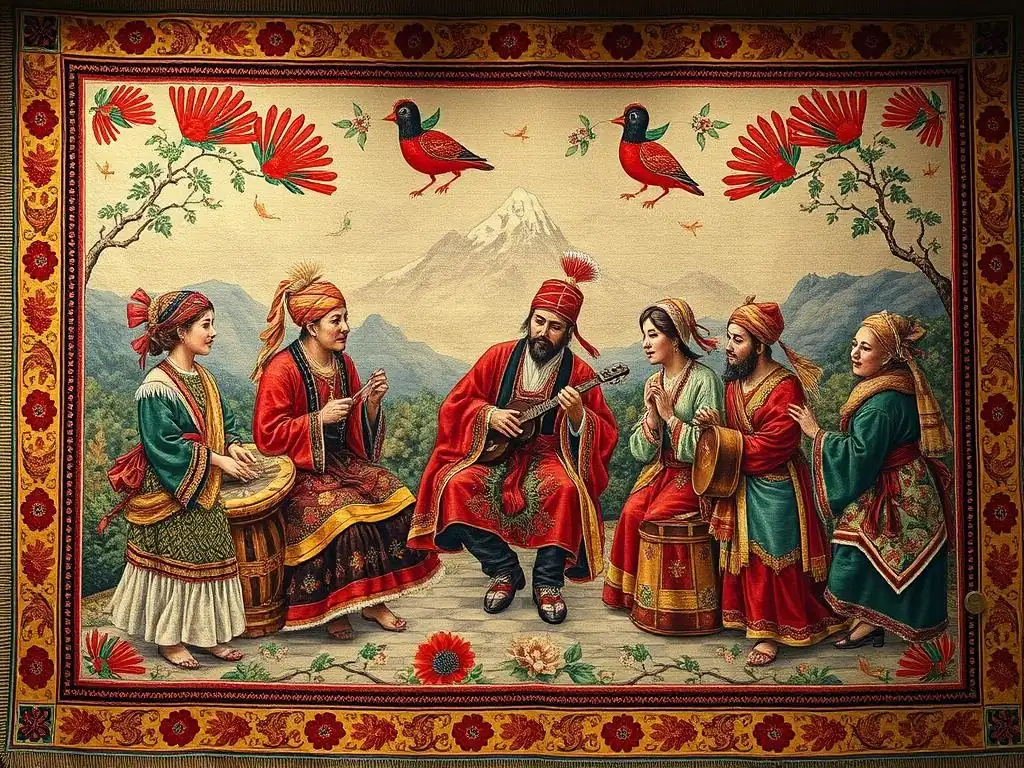
Education and raising public awareness are fundamental pillars of authentic folklore preservation strategies. By fostering appreciation and understanding of folklore's value, both within the originating communities and among the wider public, we can build support for preservation efforts and encourage respectful engagement with cultural heritage.
Education helps to ensure that folklore is not forgotten by younger generations within the community and provides outsiders with the knowledge needed to appreciate its depth and complexity beyond superficial appearances. Awareness campaigns can challenge misconceptions, promote ethical tourism, and highlight the ongoing relevance of traditional knowledge in contemporary society.
Integrating Folklore into Educational Curricula
Introducing folklore into formal educational curricula, from primary school through university, is a powerful way to instill its importance in young minds. This can involve teaching local myths and legends, exploring traditional music and dance forms, studying traditional crafts, or learning about the history and social context of folklore within a region or community.
Integrating folklore helps connect students to their cultural roots, fostering a sense of identity and pride. For students from outside the culture, it builds empathy and understanding of different ways of life. For example, some schools in Ireland incorporate local mythology and traditional music lessons into their standard curriculum, ensuring that children grow up with a strong connection to their cultural heritage. This proactive approach is essential for long-term authentic folklore preservation.
Teaching Children the Importance of Cultural Heritage
Engaging children directly with folklore is perhaps the most crucial step in ensuring its future. Children are the future custodians of cultural heritage, and fostering their interest and participation is vital. This can be done through interactive storytelling sessions, hands-on craft workshops, learning traditional songs and dances, or visiting cultural sites within their community.
Programs like "culture camps" run by indigenous communities, or after-school clubs focused on local traditions, provide informal yet impactful learning environments. These initiatives not only transmit knowledge but also create positive associations with cultural practices, making them appealing and relevant to young people. By making folklore a vibrant, engaging part of childhood, communities invest in its survival and ensure that authentic folklore preservation continues organically.
Promoting Folklore Through Arts and Cultural Programs
Supporting and promoting folklore through various artistic and cultural programs helps keep traditions alive and relevant in contemporary society. This can include festivals, performances, exhibitions, and media productions that showcase traditional arts and narratives.
These platforms provide opportunities for practitioners to share their skills and knowledge, reach new audiences, and adapt traditions in creative ways while maintaining their authenticity. For example, a traditional storytelling festival can bring together elders and younger tellers, providing a stage for oral traditions and encouraging new generations to participate. Supporting these initiatives is key to dynamic authentic folklore preservation.
Supporting Local Artists and Craftspeople
Local artists and craftspeople are often the living embodiment of tangible folklore, preserving skills, designs, and techniques passed down through generations. Supporting their work directly contributes to the preservation of these tangible forms of heritage. This support can take many forms, including providing grants for materials or training, establishing cooperatives or markets for selling their goods ethically, or commissioning traditional artworks for public spaces.
By ensuring that artisans can earn a living from their craft, communities encourage the continuation of these skills and the transmission of knowledge to apprentices. For instance, organizations supporting traditional weavers in Guatemala help connect them with fair trade markets, ensuring they receive fair compensation and can continue practicing and teaching their intricate techniques, which are deeply embedded with cultural narratives and symbols.
The Role of Museums and Cultural Centers in Folklore Preservation
Museums and cultural centers can play a vital, albeit complex, role in authentic folklore preservation. Traditionally, museums have been criticized for collecting artifacts out of context and presenting cultures in static, sometimes colonial, ways. However, many institutions are evolving to become partners with communities in heritage preservation.
Positive roles include providing safe and controlled environments for archiving cultural materials (when agreed upon by the community), offering exhibition spaces that allow communities to tell their own stories in their own voices, and hosting educational programs that engage both community members and the public. Some museums are repatriating artifacts or co-managing collections with originating communities. For example, the National Museum of the American Indian in Washington, D.C., was developed in close collaboration with Native American communities, aiming for presentations that reflect indigenous perspectives and values.
Digital Platforms and Folklore Preservation: A Modern Approach
In the 21st century, digital platforms offer powerful new tools and opportunities for authentic folklore preservation. Technology can facilitate documentation, archiving, dissemination, and even revitalization efforts, connecting communities and reaching global audiences in unprecedented ways.
However, the use of digital tools also presents challenges, including ensuring equitable access to technology, navigating intellectual property issues in the digital realm, and maintaining authenticity in online representations. Thoughtful and community-centered approaches are essential to harness the potential of digital platforms effectively for folklore preservation.
Digital technologies can significantly enhance the scope and reach of folklore preservation initiatives. High-quality audio and video recording equipment allows for detailed documentation of oral traditions, performances, and practices. Digital scanning can preserve fragile manuscripts or historical documents related to folklore.
Databases and content management systems can organize vast amounts of cultural data, making it searchable and manageable. Social media and online platforms can be used by communities to share their folklore with diaspora members or the wider world on their own terms, fostering connection and raising awareness. For example, many indigenous language groups use social media to share phrases, songs, and stories, keeping their language and folklore alive online.
Creating Online Resources and Digital Archives
Creating online resources and digital archives makes documented folklore accessible to a wider audience, including researchers, educators, and community members who may live far from physical archives. Digital archives can store various media types – audio, video, text, images – in one place.
Platforms like the aforementioned Mukurtu CMS allow communities to control access levels for different users, ensuring that sensitive materials are protected while public-facing content is widely available. Projects like the Endangered Languages Archive (ELAR) based in London digitally preserve language documentation, including associated folklore, making it available for research and repatriation efforts. These initiatives are crucial for the long-term viability of authentic folklore preservation.
Navigating the Challenges of Digital Representation
While digital tools offer immense potential, they also pose challenges. The "digital divide" means that not all communities have equal access to technology, internet connectivity, or the technical skills needed to utilize these platforms effectively. Ensuring that digital preservation efforts are inclusive and equitable is paramount.
Furthermore, representing intangible folklore accurately in a digital format can be difficult; the context and performance nuances might be lost. Protecting intellectual property and cultural protocols online is also complex; once something is digitized and shared, it can be easily copied or misused. Strategies include using licenses that specify terms of use, watermarking materials, and educating users about respectful engagement with digital cultural heritage. Ensuring accuracy and authenticity in the digital realm requires ongoing vigilance and community oversight.
Case Studies: Successful Folklore Preservation Initiatives

Examining successful examples provides valuable insights into effective authentic folklore preservation strategies. These cases often highlight the importance of community leadership, adaptability, and the integration of traditional and modern approaches.
The Revival of the Mariachi Tradition in Guadalajara, Mexico
The Mariachi music tradition, originating in Western Mexico, faced periods of decline in the mid-20th century due to urbanization and the rise of new music genres. However, concerted efforts, particularly centered around Guadalajara and Jalisco, led to a significant revival. Recognized by UNESCO as Intangible Cultural Heritage in 2011, the Mariachi tradition has been revitalized through various initiatives.
This revival was driven by music schools dedicated to teaching traditional instruments and repertoire, annual international Mariachi festivals attracting performers and audiences, and community groups maintaining performance standards. The economic opportunities from tourism and performances also played a role, but the emphasis on formal training and cultural festivals helped maintain the authenticity and complexity of the music, ensuring it wasn't solely reduced to tourist entertainment. Estimates suggest thousands of students are now enrolled in formal Mariachi education programs across Mexico.
Joik is a traditional form of Sami vocal music, deeply connected to Sami culture, spirituality, and the natural world. Historically suppressed by colonial policies in Norway, Sweden, Finland, and Russia, Joik faced endangerment. In recent decades, there has been a strong movement to revitalize and preserve this unique art form, leveraging digital tools.
Projects like the Sami Joik Archive at the Sami University of Applied Sciences in Norway are digitally documenting historical and contemporary joik performances, creating an accessible resource for research and community use. Sami artists are also using digital platforms like YouTube and streaming services to share joik, often blending traditional forms with modern musical styles, reaching new audiences and ensuring the tradition evolves while maintaining its core identity. This blend of traditional knowledge holders teaching youth and digital archiving exemplifies comprehensive authentic folklore preservation strategies.
Balancing Preservation with Modernization: A Delicate Act
Folklore is not static; it is a living, evolving aspect of culture. Authentic folklore preservation strategies must acknowledge this dynamism, finding ways to balance the need to safeguard traditional forms with the reality that cultures adapt and change over time. The challenge lies in allowing for adaptation and innovation without losing the core essence and meaning of the folklore.
This balance requires careful negotiation within communities about what aspects of folklore are considered core and inviolable, and which can be adapted or reinterpreted for contemporary contexts. It's a process that is often guided by elders and cultural leaders, ensuring that changes are respectful of tradition.
Adapting Folklore to Contemporary Contexts
Adapting folklore means finding ways for it to remain relevant in the lives of people today. This can involve incorporating traditional narratives or motifs into new artistic forms like contemporary literature, theatre, film, or visual art. It can also mean finding new social contexts for traditional practices, such as performing traditional music at modern festivals or incorporating elements of traditional ritual into contemporary ceremonies.
Successful adaptation maintains a clear connection to the original tradition while speaking to contemporary experiences and aesthetics. For example, indigenous artists creating contemporary art that draws on traditional symbols and stories are not abandoning their heritage but finding new ways to express it and keep it visible and meaningful in the modern world. This creative evolution is a form of living authentic folklore preservation.
The Importance of Cultural Revitalization
Cultural revitalization refers to proactive efforts by communities to strengthen or bring back cultural practices, languages, or forms of folklore that have become endangered or dormant due to historical pressures. These are often community-driven movements aimed at reclaiming cultural identity and knowledge.
Revitalization projects might involve intensive language immersion programs, reviving traditional ceremonies, teaching forgotten crafts, or re-establishing traditional governance structures. These efforts are crucial for communities seeking to heal from historical trauma and strengthen their cultural resilience. They demonstrate that even traditions facing significant decline can be brought back through dedicated community effort, making revitalization a powerful component of authentic folklore preservation strategies.
Conclusion: Ensuring the Future of Authentic Folklore
The task of authentic folklore preservation is multifaceted and ongoing. It requires a shift in perspective from viewing folklore as a relic of the past to recognizing it as a vital, living component of contemporary cultural identity. Moving beyond the superficial engagement often associated with the "tourist gaze" towards deep, respectful, and community-led initiatives is essential.
The strategies discussed – empowering communities, ethical documentation, education, leveraging digital tools, and supporting adaptation – are not mutually exclusive but interconnected elements of a holistic approach. The future of folklore depends on the collective efforts of communities, researchers, governments, and the public working together with respect and understanding.
A Call to Action for Folklore Preservation
Ensuring the future of authentic folklore requires active participation from various stakeholders. Communities must be supported in leading their own preservation efforts, receiving resources and recognition for their invaluable role. Researchers and archivists have a responsibility to work ethically and collaboratively, ensuring documentation serves community needs.
Tourists and the public must engage with folklore respectfully, seeking to understand its deeper meaning and supporting initiatives that benefit communities directly. Governments and cultural institutions must implement policies and provide funding that prioritize community-led, ethical, and sustainable authentic folklore preservation strategies. Every individual has a role to play in valuing and supporting the diverse cultural heritage of humanity.
The Long-Term Benefits of Protecting Cultural Heritage
The benefits of protecting cultural heritage, including authentic folklore, extend far beyond the cultural sphere. Preserving folklore contributes to social cohesion by strengthening community identity and intergenerational bonds. It fosters creativity and innovation, providing inspiration for new forms of artistic expression, as evidenced by countless contemporary artists drawing on traditional themes.
Furthermore, well-managed, community-controlled folklore initiatives can contribute to sustainable economic development, particularly through respectful cultural tourism and the sale of authentic crafts. Crucially, folklore contains invaluable knowledge about the environment, social structures, and human experience, offering insights that can be relevant to addressing contemporary challenges. Ultimately, safeguarding folklore enriches the entire world, preserving the diverse ways in which humanity understands itself and its place in the cosmos.
Frequently Asked Questions
How can we ensure folklore isn't just a commodity for tourists?
Focus on community involvement and cultural empowerment. Authentic folklore preservation prioritizes the needs and perspectives of the culture bearers.
What are some practical methods for authentic folklore preservation?
Documenting oral traditions through recordings, supporting traditional crafts and skills, and establishing local cultural centers are effective methods.
Why is it important to avoid romanticizing or distorting folklore?
Distortion can lead to misrepresentation of cultural values and loss of authenticity. Preservation efforts should respect the original context and meaning.
How can technology be used responsibly in folklore preservation?
Digital archives and online platforms can increase accessibility while protecting intellectual property. Ensure local communities control how their folklore is shared.
What role does education play in preserving authentic folklore?
Education raises awareness and appreciation for cultural heritage. Schools and communities can incorporate folklore into curricula to ensure its transmission to future generations.
Final Reflection: Weaving the Threads of Tradition into the Future
The erosion of authentic folklore is not merely an academic concern; it's a direct threat to cultural identity and the rich tapestry of human experience. The strategies discussed throughout this article – from community-led documentation initiatives to the ethical engagement of tourism – are crucial not just for preserving the past, but for shaping a vibrant and meaningful future. Ignoring these issues risks the irreversible loss of invaluable stories, traditions, and the very essence of what makes a culture unique.
The impact of globalization and rapid technological advancements on folklore preservation is profound and multifaceted. It's a constant tug-of-war between the desire to share cultural heritage with a wider audience and the potential for commodification and misrepresentation. This delicate balance requires careful consideration and a commitment to ethical practices. As Margaret Mead wisely stated, The children now love luxury; they have bad manners, contempt for authority; they show disrespect for elders and love chatter in place of exercise. Children are now tyrants, not the servants of their households.
While not directly about folklore, this quote highlights the timeless struggle between preserving tradition and adapting to changing times, a struggle central to the preservation of authentic folklore.
Consider the stories, songs, and rituals that have shaped your own life and community. What steps can you take to ensure their survival? Whether it's supporting local initiatives, respectfully engaging with cultural heritage sites, or simply sharing the stories passed down to you with future generations, your contribution matters. Let us actively participate in the preservation of our collective heritage, ensuring that the voices of the past continue to resonate powerfully in the future. Let's weave the threads of tradition into a vibrant tapestry for generations to come.
Unveil Your Inner Storyteller: Protect Folklore's Legacy
Thanks for joining us on this journey into the heart of folklore preservation! We hope you gained a deeper understanding of the challenges and rewards of keeping these vital traditions alive. Now, it's time to take action and become a part of the solution.
- Become a Folklore Guardian: Identify and document a local legend or tradition in your community. This could involve interviewing elders, researching local archives, or simply recording your own family stories. Small steps make a huge difference!
- Share Your Discoveries: Spread the word! Discuss your findings with friends, family, or even on social media. Let’s create a vibrant network of folklore enthusiasts.
- Explore Local Preservation Efforts: Find out what organizations in your area are working to protect cultural heritage. Volunteer your time or donate – even small contributions can make a huge impact.
What unique folklore tradition in your community deserves to be heard and remembered? Let's share our stories and keep the magic alive!